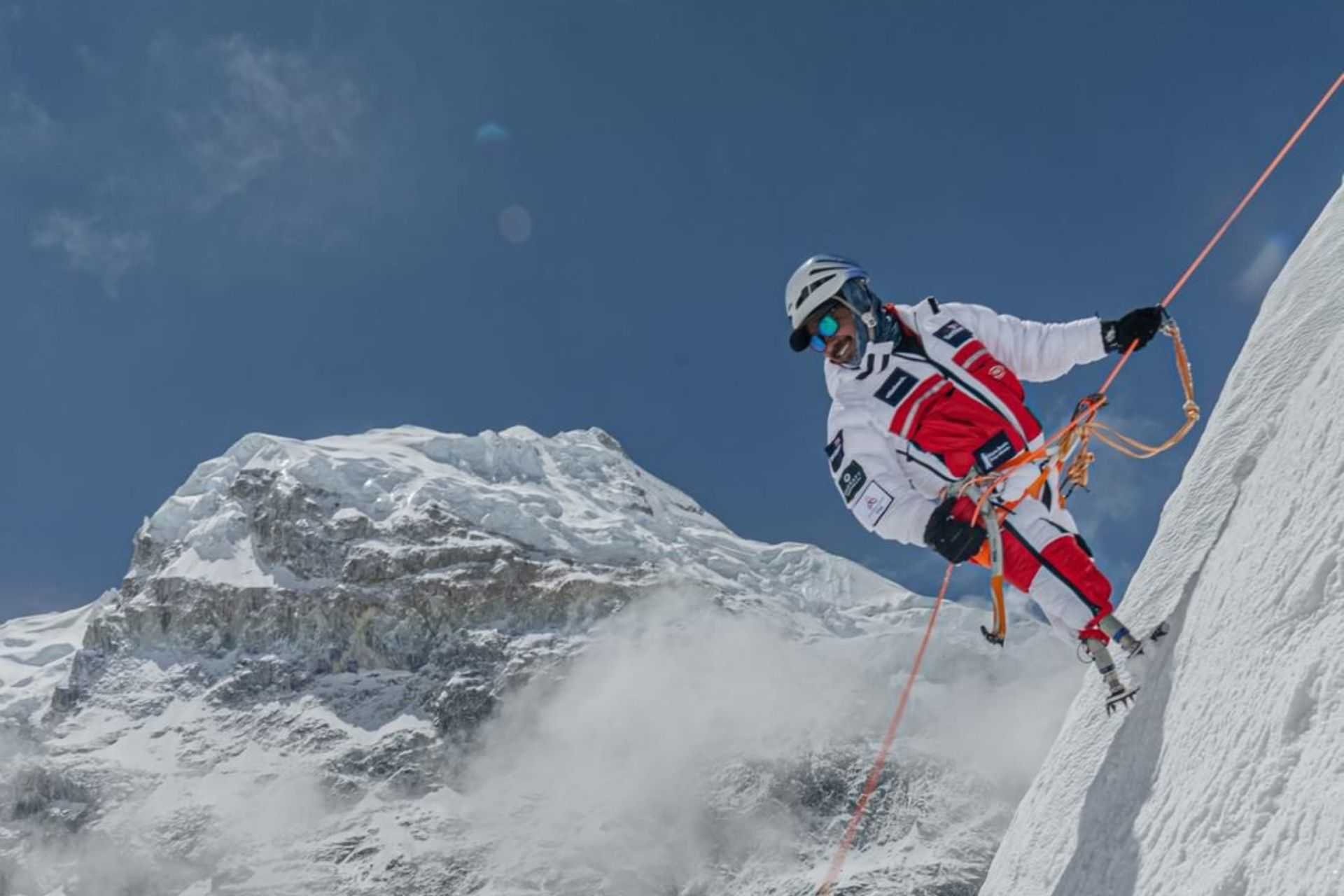
The first double above-the-knee amputee to climb the highest peak on each of the seven continents
As adventurers, it always blows our minds when we hear about anyone who completes the seven highest peaks in the world. The mental and physical stamina required to accomplish such a feat takes years of training, mindset coaching, and an unbreakable core belief.
Hari Budha Magar recently went one step further, staring adversity in the face as a veteran and double above-knee amputee, and broke a new world record by completing the seven peaks.
Fascinated and humbled by this astounding achievement, we wanted to find out more about Hari Budha Magar, what had driven him, and how he came to embark on such a conquest.
What are the seven summits?
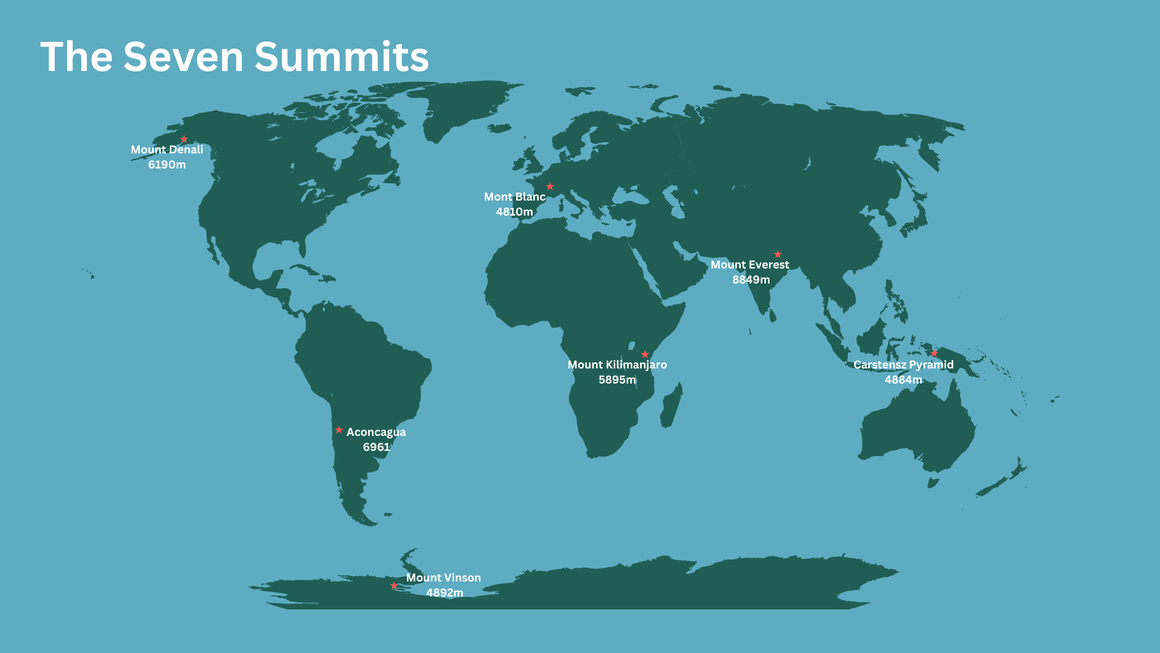
The Seven Summits (or peaks) are the highest mountains on each of the world’s seven continents. Together, they represent one of mountaineering’s most iconic challenges. Here are the seven summits that Hari completed:
- Europe: Mont Blanc (4,810 m or 15,781 ft)
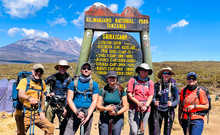
- Africa: Mount Kilimanjaro (5,895 m or 19,341 ft)
- Asia: Mount Everest (8,849 m or 29,031 ft)
- North America: Denali (6,190 m or 20,310 ft)
- South America: Aconcagua (6,961 m or 22,838 ft
- Oceania: Carstensz Pyramid or Puncak Jaya (4,884 m or 16,024 ft)
- Antarctica: Mount Vinson (4,892 m or 16,049 ft)
Different lists include slight variations because continental boundaries are debated rather than fixed, particularly around the border between Europe and Asia.
This was true for Hari’s challenge.
The main difference between the seven summits Hari completed and other official lists is that Mount Elbrus is itemised instead of Mont Blanc in Europe. There are also debates around the borders and peaks of Oceania.
Hari’s journey from Gurkha soldier to survivor
What is Hari Budha Magar’s story? What tragedy saw him lose half of both his legs?
Early years
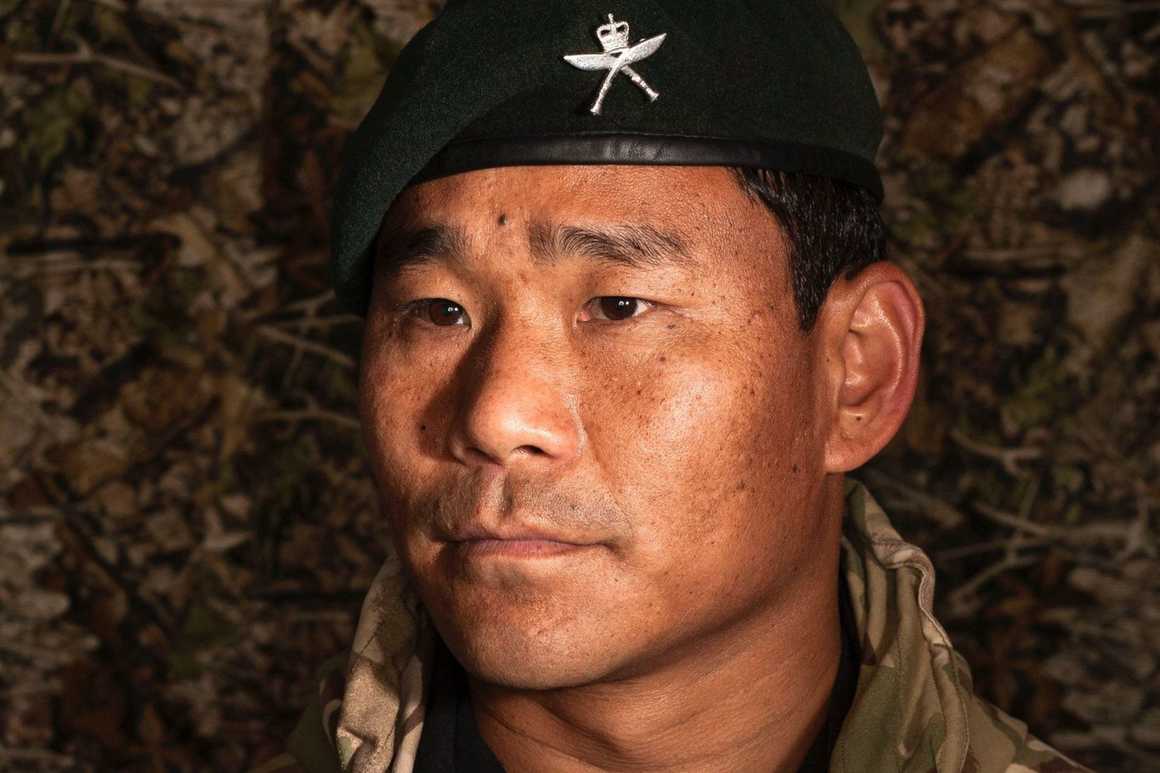
Born in 1975 and raised in Nepal during the Nepalese civil war, Hari describes his childhood as being full of hardship. From the age of 19, he served as a Gurkha soldier in the British Army. He quotes, “We didn’t have a choice; we had to join the rebels or support the government - there was no middle ground.”
Training as a Gurkha soldier requires masses of resilience, discipline, and courage. Gurkhas are trained to endure hardship without complaint, and to keep moving when conditions are at their worst. Those traits would later become vital in ways no one could have predicted.
Catastrophe strikes
In 2010, while in Afghanistan, Hari stepped on an improvised explosive device. The injuries were catastrophic. Hari lost both legs above the knee, along with parts of his hands. Hari had served the British Army on five continents in a variety of capacities over the space of 12 years. For many, this misfortune would have marked the end of a life defined by physical challenge and movement.
Mental and physical hurdles
Hari describes his recovery as a very dark time, suffering with a loss of self-worth, alcohol addiction and suicidal moments. Despite having settled in the UK, Hari grew up in a culture where disability was often stigmatised. Unlearning those beliefs proved to be one of the greatest challenges in his mental recovery.
Although he struggled both mentally and physically, his long road back to health also led to a new sense of purpose.
Rehabilitation and learning to move again
How did Hari Budha Magar recover from such life-changing injuries and then break such monumental world records?
A military mindset
Hari spent three years in rehabilitation, learning to regain physical independence. And it was brutal. At his lowest, he said, “It was okay if I die,” but he fought those urges for the sake of his family, choosing to live for them even when life felt unbearable.
He quotes, “In the Gurkhas, we have this motto: it is better to die than be a coward. And I couldn’t be a coward. I realised that even without legs you are able to do lots of things.”
A big turning point in Hari’s recovery was when the charity, Battle Back, offered him the chance to go skydiving. The charity supports wounded and injured service personnel returning from Iraq and Afghanistan.
The jump was pivotal in building his confidence and made him realise that it was his mind as much as his body that could hold him back.
A taste for adventure and awareness
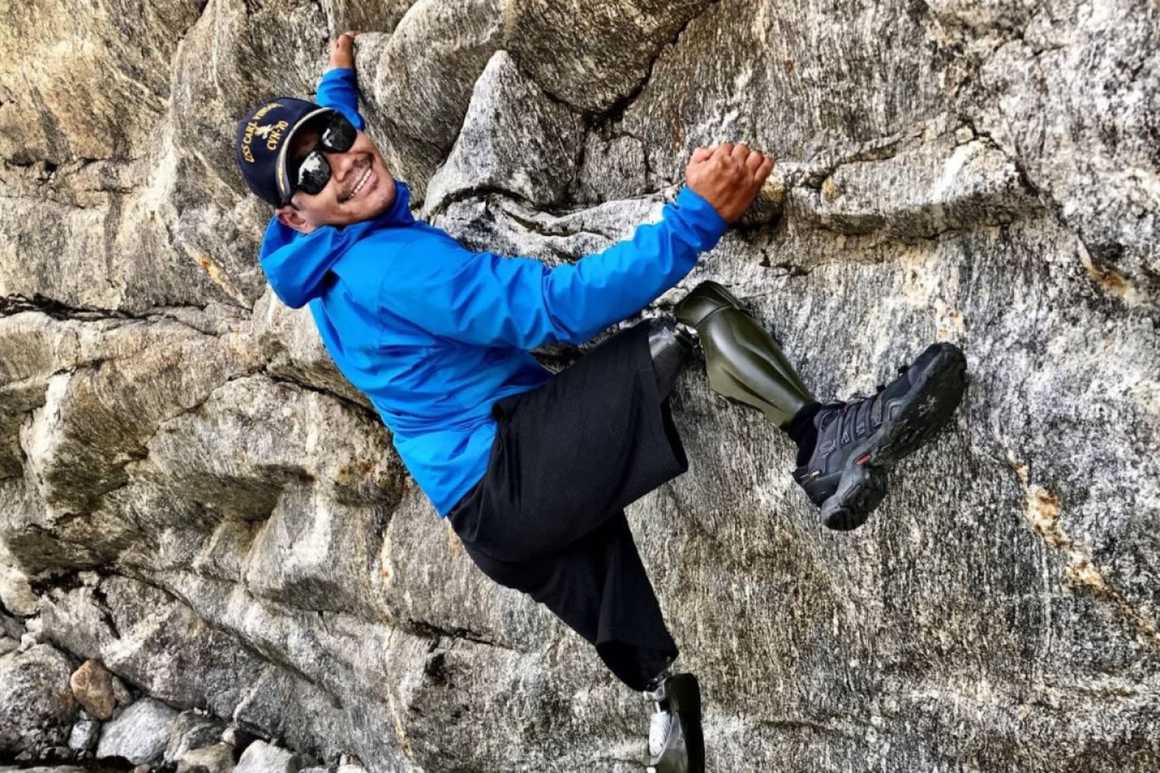
After his skydive, Hari tried other adventure sports - kayaking, skiing, horse-riding and rock climbing - but nothing captured his spirit like the mountains. He found his purpose again on terrain that demanded determination, adaptability, and community - all the same qualities he’d learned being a Gurkha.
Being in the mountains reawakened his childhood longing to climb Everest and stirred memories of the black and white pictures of Sir Edmund Hilary and Tenzing Norgay that he grew up seeing.
It also roused the desire to challenge perceptions around disability. Something that would become central to Hari’s new purpose in life.
Krish Thapa: The friend who helped Hari dream again
Krish Thapa (self-named the Warrior Monk) is a world-class, high-altitude mountaineer and philosopher. He played an important role in encouraging Hari into mountaineering and expedition planning after his rehabilitation.
Hari met Krish in his mid 20’s when they were both training as Gurkhas, years before sustaining his injuries. Krish helped Hari transmute personal struggle into a shared mission.
After reuniting with Krish, Hari’s relationship with movement changed. The goal was no longer to learn to move again, but to push the boundaries of what was possible in his new body. He started to view his prosthetics as tools rather than limitations.
Hari met Krish in his mid 20’s when they were both training as Gurkhas, years before sustaining his injuries. Krish helped Hari transmute personal struggle into a shared mission.
After reuniting with Krish, Hari’s relationship with movement changed. The goal was no longer to learn to move again, but to push the boundaries of what was possible in his new body. He started to view his prosthetics as tools rather than limitations.
The Seven Summits - planned or evolved?
Hari didn’t start mountaineering with a Seven Summit challenge in mind. That mission began to take shape after he conquered Mount Everest in 2023, fulfilling his boyhood dream and realising that there was important work to be done in changing perceptions around disability.
Unlike other record breakers, climbing to Everest peak wasn’t the pinnacle of his climbing aspirations; it was the start of something far more ambitious. To stand on the highest peak of every continent and redefine what’s possible with disability.
Hari’s journey to the seven highest peaks of the world
Hari’s route through the Seven Summits was strategic and personal, choosing mountains that would progressively test and teach him about his prosthetics, his body, and extreme environments.
The peaks in his challenge delivered variety in terms of climate, terrain and challenge, his resolve deepening with every climb. Let’s have a look at a brief breakdown of Hari’s summits.
Mont Blanc, Europe (4,810 m), August 2019
Hari’s first high-alpine mountaineering after his rehabilitation, Mont Blanc exposed him to a new type of terrain.
Mount Kilimanjaro, Africa (5,895 m), January 2020
A trek that stretched Hari’s endurance and ability to cope in the heat before extreme altitude. This was also the first time his prosthetics were tested for days on end.
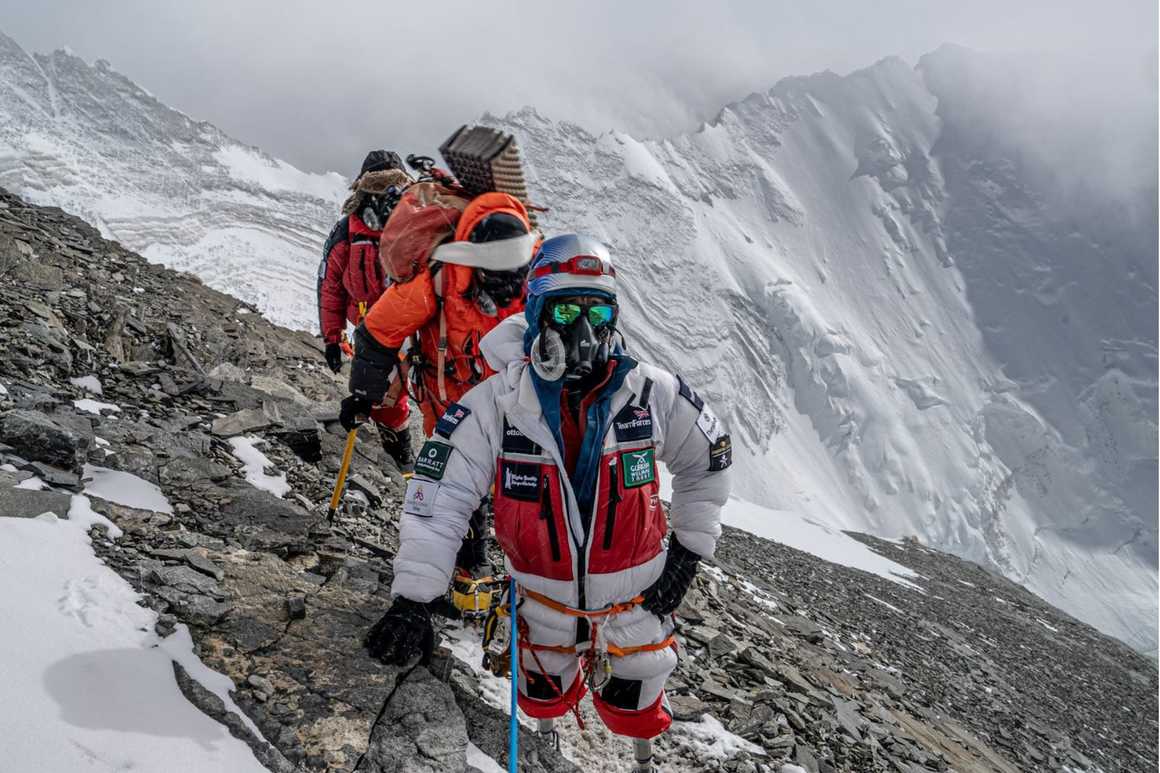
Mount Everest, Asia (8,849 m), May 2023 - Guinness World Record
The summit that changed everything. Hari became the first double above-knee amputee to reach Everest peak, breaking barriers and Nepal’s disability restrictions.
Denali, North America (6,190 m), June 2024 - World Record
The crevasses, altitude, and wind chill on this mountain challenge even able-bodied climbers. Hari again defied expectations and set a new world record.
Aconcagua, South America (6,961 m), February 2025
Not technically the toughest, but still physically punishing. Hari recalls switching prosthetic legs on the snow itself on the descent and describes summit day as one of the hardest of all.
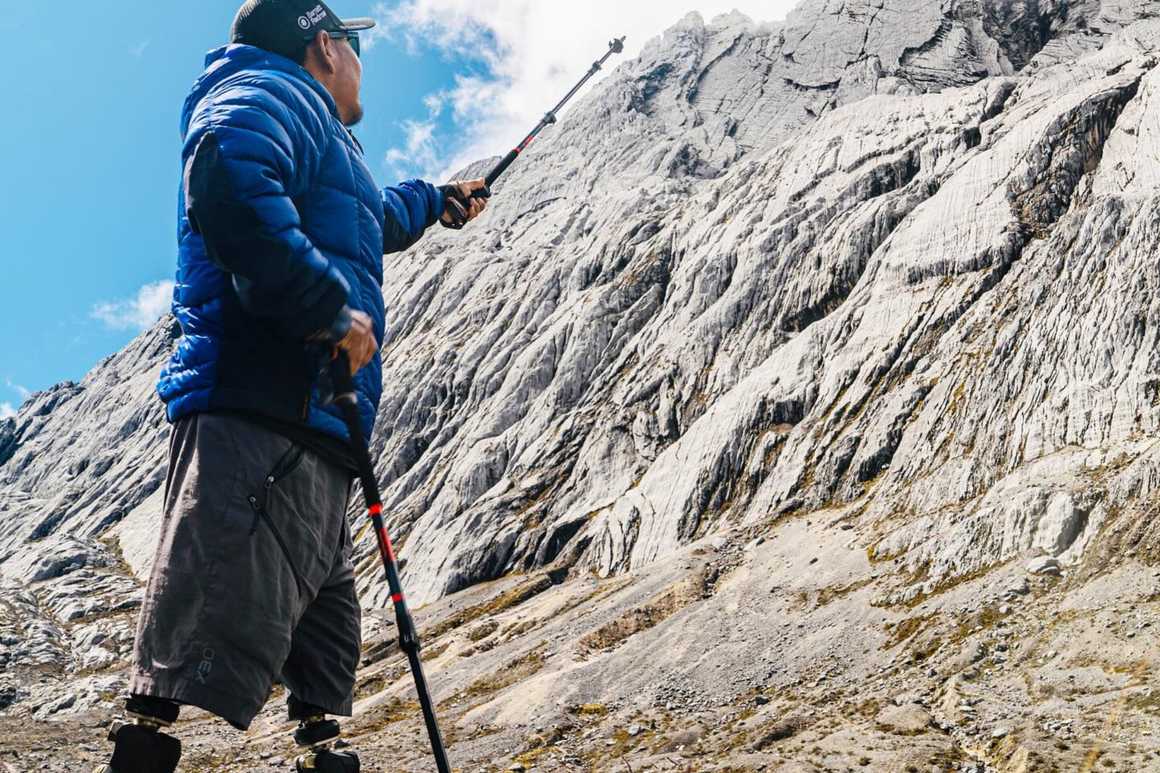
Carstensz Pyramid (Puncak Jaya), Oceania (4,884 m), October 2025
One of the most technically tricky climbs of the whole campaign, which involved rope work, rock faces and a jungle approach. Hari’s team support and climbing skills were key.
“I found Puncak Jaya to be one of the most technical mountains of the 7 Summits,” he said, and his guides agreed it was harder than Everest.
Mount Vinson, Antarctica (4,892 m), January 2026
Hari and his team faced temperatures as low as –25 °C with vicious winds. His prosthetics were tested to extremes over three gruelling days before he reached the top and completed the challenge.
Specialist teams and kit
Hari’s Seven Summits journey was never solely about reaching the peaks. It was also about how adaptation and community are intrinsic to achieving dreams, in addition to changing narratives around disabilities.
His prosthetics were specially engineered in collaboration with Ottobock, and bespoke summit suits were designed to withstand Antarctic cold by Parajumpers. Hari’s teams of Sherpas and guides always treated him as a climber first.
Hari quotes, “anything is possible with enough determination… You might need to adapt your approach, get help, or think differently, but you can do it.”
What Hari Budha Magar’s achievements have changed
Hari added new records to the mountaineering books, but he also shifted perceptions about who adventure is for, and how determination can transform lives. His accomplishments and awards are positively changing the way people with a disability are perceived and how they perceive themselves.
Let’s have a look at how he’s done this so far:
Redefined disability in extreme environments
By summiting the highest mountains on every continent as a double above-knee amputee, Hari challenged the idea that disability automatically means limitation, especially in places traditionally seen as unforgiving.
Forced institutional change
Joining forces with other climbers and disability organisations, his successful legal challenge overturned Nepal’s ban on disabled climbers in 2018. This raised awareness for others with disabilities to pursue high-altitude goals.
Shifted the focus from “can’t” to “how”
His climbs highlighted that barriers are often logistical rather than physical - solvable through planning, specialist equipment, teamwork, and patience.
Normalised adaptation, not exception
Hari’s prosthetics, pacing, and support teams were seen as legitimate cornerstones that reframed adaptation as part of adventure, not as compromises.
Inspired confidence beyond the mountains
For many people, his story resonates not because they want to climb Everest, but because it changes their belief in what’s possible after loss, injury, or setback.
Demonstrated that adventure is a shared effort
So often, we only hear about the success of a single person who accomplishes such feats. But Hari consistently documented the role of Sherpas, guides, engineers, sponsors, and family in his mission, reinforcing that meaningful achievements are rarely solo acts.
Reconnected adventure with purpose
By tying personal ambition to awareness, inclusion, and visibility, Hari demonstrated that adventure can be both deeply personal and socially meaningful.
Calling all adventure seekers
Hari said of his climb to Everest’s peak: “This unlikely climb will be for all of us. For everyone facing adversity or struggling to fight their fears, anyone who needs the motivation and inspiration to move forward in their life. Anyone who wants to conquer their dreams.”
Hari’s story is truly exceptional, but it also reflects something every trekker and climber can relate to: fear, doubt, struggle, and triumph - with distance or elevation being a personal challenge.
Hari has said that mountains don’t discriminate; they demand respect, not body type.
And that’s the message that we want to relay to anyone booking the trek of a lifetime: your limits are often perceptions waiting to be redefined. So let’s redefine them together!
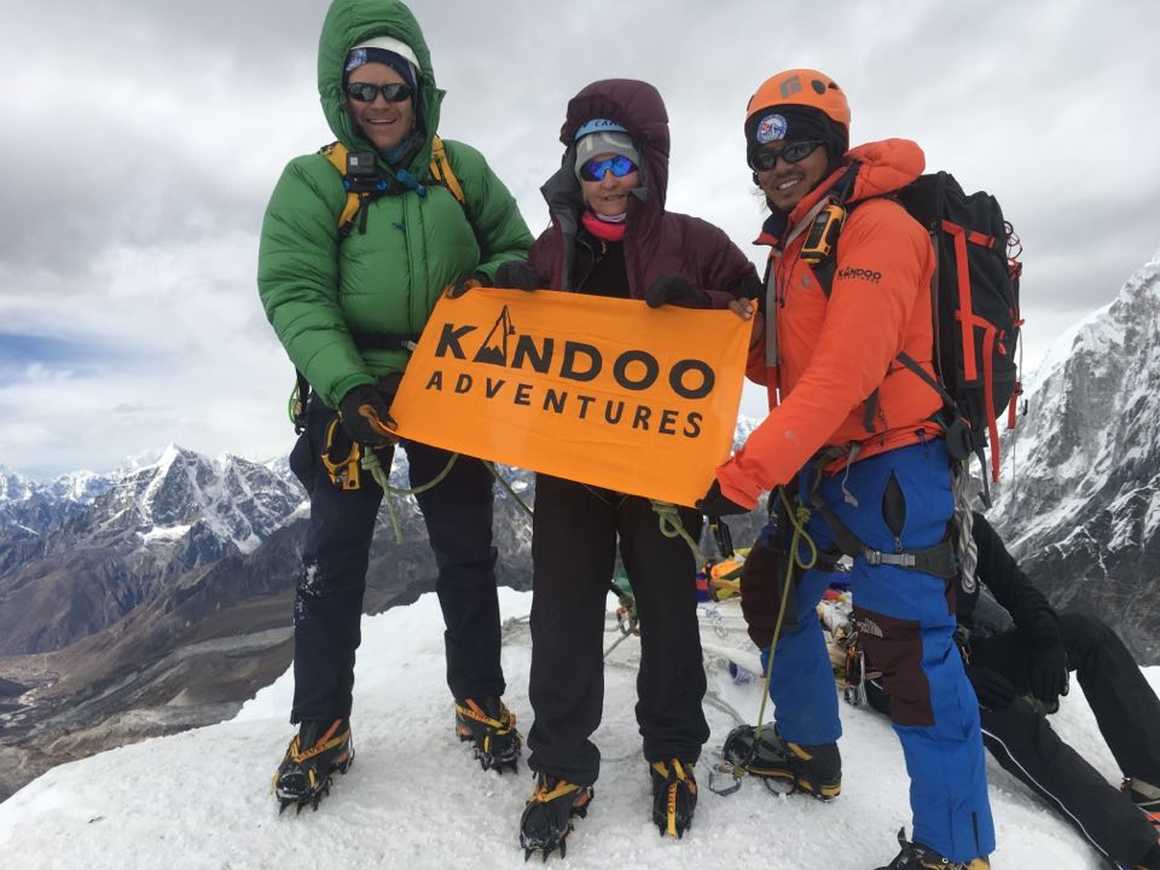
If Hari’s story has inspired you, take a look at some of the epic trips that Kandoo offers. With sustainability and community at the heart of our business, our adventure holidays are a responsible way to explore the wild, test your limits, and make your travel dreams come true.