
Everything you need to know about when to visit Nepal
Nepal is a year-round destination for adventure, but the experience you have depends largely on when you go. From the flowering trails of spring to the crisp, clear skies of autumn, each season offers something different.
So, what is the best time to visit Nepal?
You’ve come to the right place to find out. In this article, we break down Nepal’s weather, seasonal highlights, and trekking tips so you can pick the perfect window for your Himalayan journey.
When is the best time of year to visit Nepal?
The best time to visit Nepal depends on:
- Your preferred destination. Different regions experience the seasons differently. Some areas are still accessible during the monsoon, while high passes in places like Everest may close in winter.
- The activities you want to do. Trekking, climbing, and cultural tours all have ideal seasons, so the best time to visit depends on what you want to prioritise.
- Your budget. Peak trekking seasons often mean higher prices for flights and accommodation, while off-season travel can offer better deals.
- Other personal preferences. Whether you prefer clear mountain views, fewer crowds, or warmer temperatures, these factors will all influence the best time for your trip.
Recommended reading: Check out our Nepal Travel Guide for a full breakdown of when to visit Nepal, trekking tips, and everything you need to plan your adventure.
What is the weather in Nepal throughout the year?
Here’s a quick summary of Nepal weather on a monthly basis*:
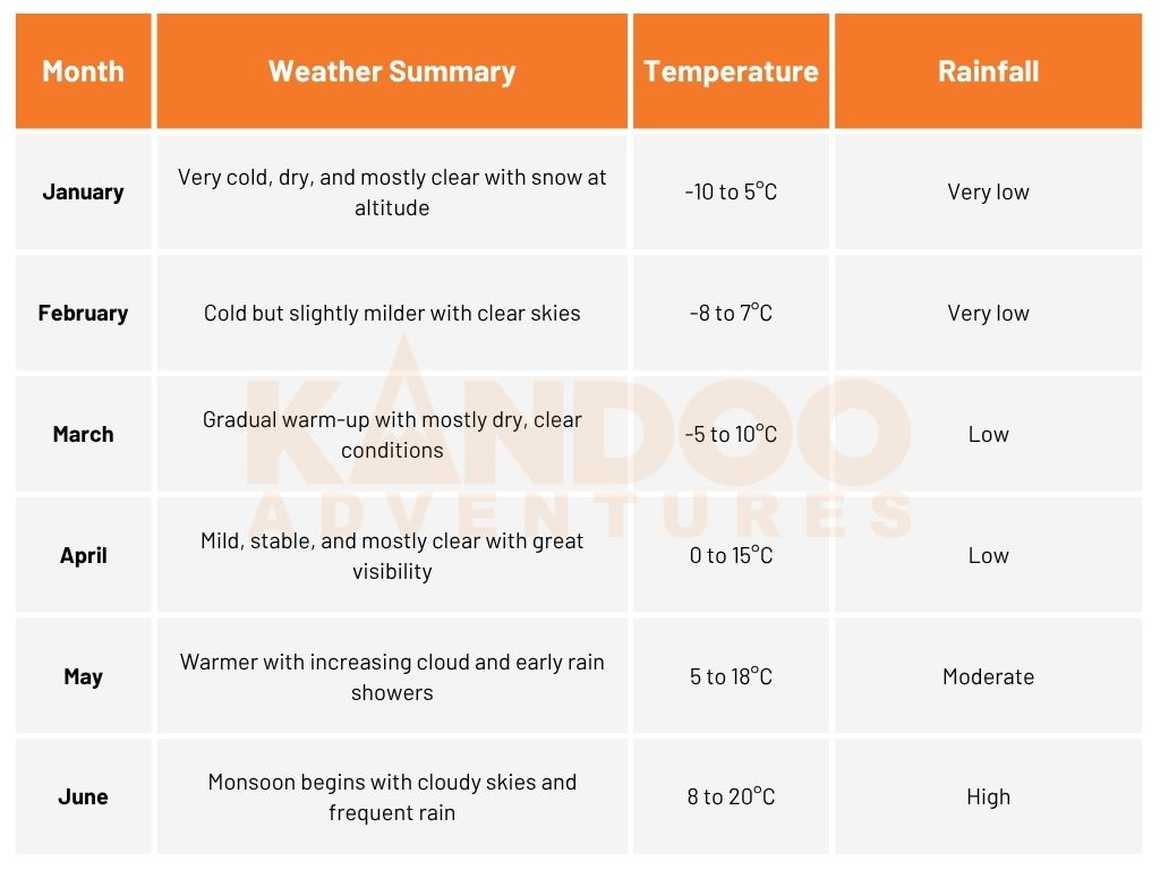
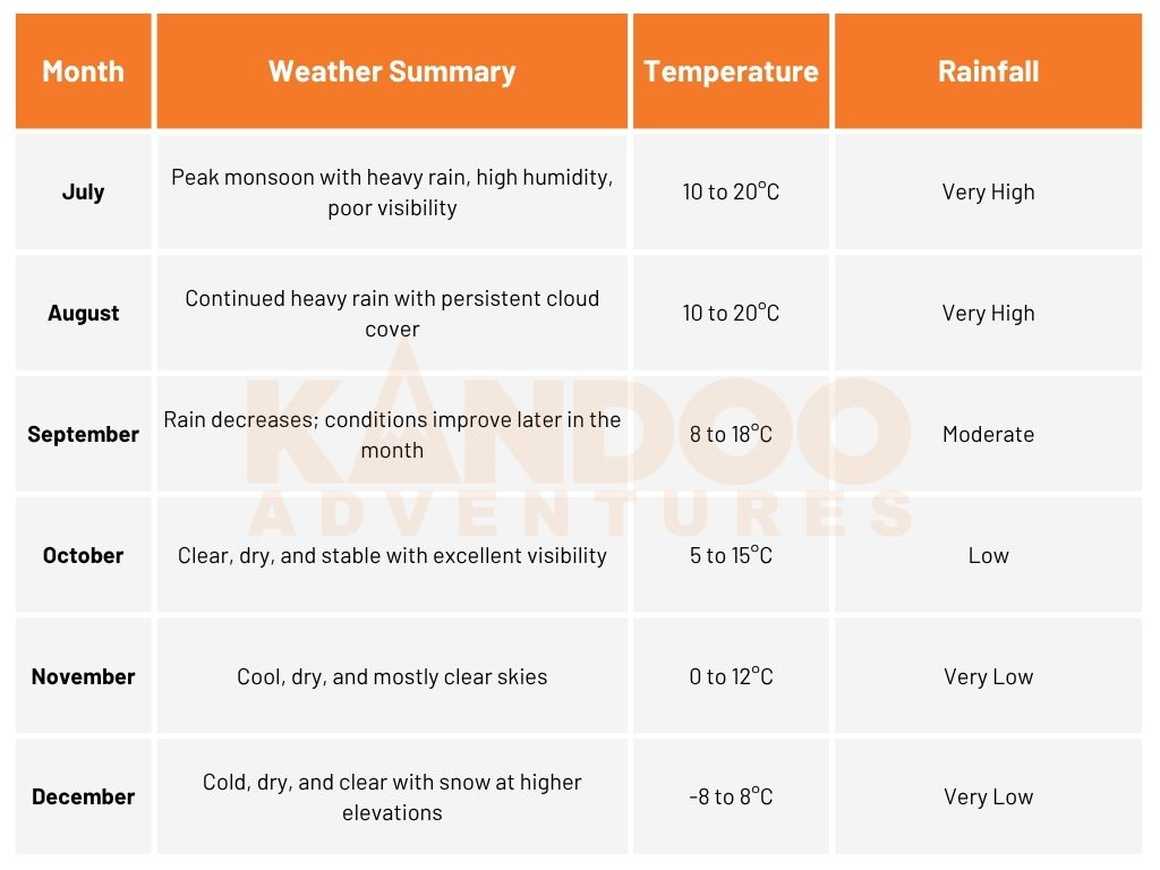
*This weather data (from WeatherSpark) is based on climate averages from Kathmandu and Biratnagar and adapted to reflect cooler conditions at higher Himalayan altitudes.
Nepal’s weather is shaped by four distinct seasons, each offering very different trekking conditions. From clear spring skies to monsoon rains and cold winter temperatures, the time of year you visit has a significant impact on your experience.
Let’s take a look at the different seasons in more detail.
1. Spring (March – May): Peak trekking season for trekking in Nepal with blooming landscapes
If you’re looking for that “perfect” trekking window in Nepal, spring is hard to beat.
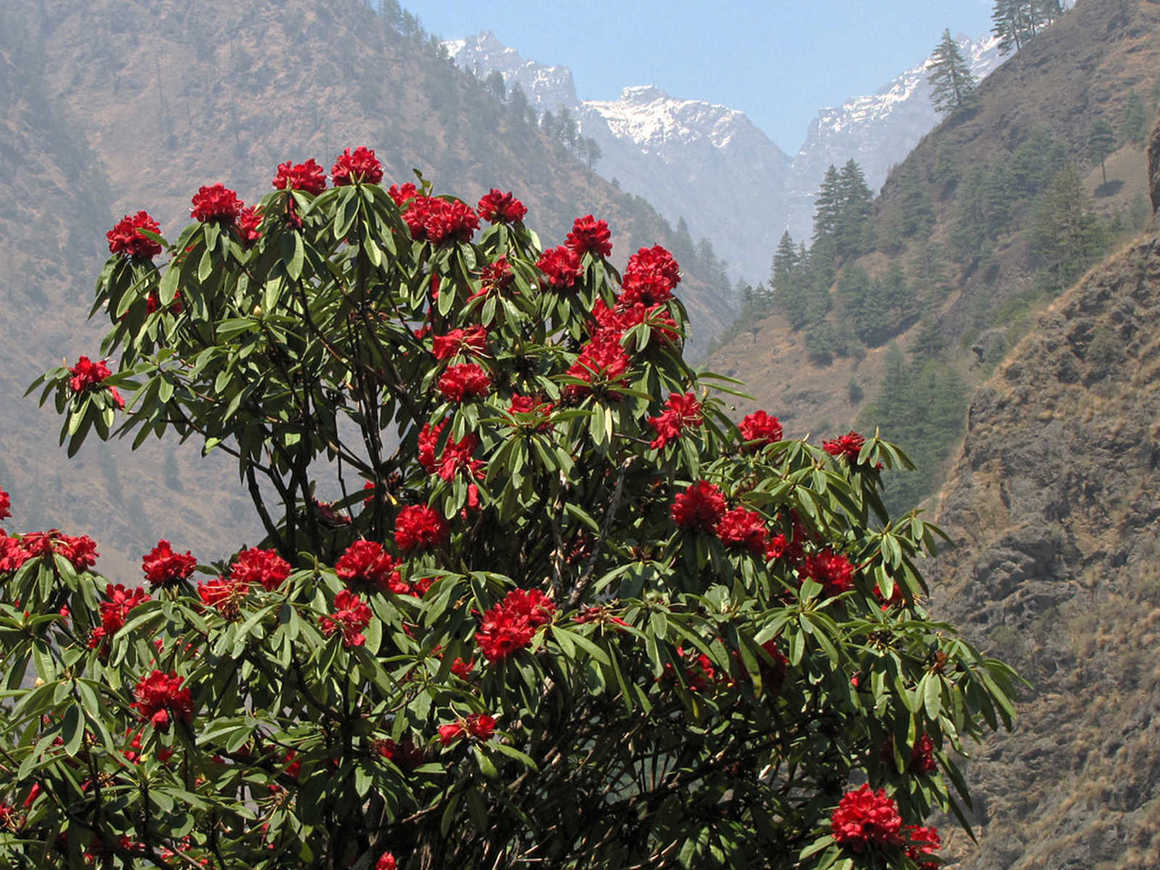
From March to May, Nepal comes alive with blooming flowers, mild temperatures, and mostly clear skies. Trails are colourful and vibrant (especially in regions like Annapurna circuit trek) , making this one of the most scenic times to be in the mountains.
At lower elevations, the weather is pleasantly warm in Spring. Higher altitudes are cooler but manageable, with great visibility for those big Himalayan views.
During this season, popular routes like Everest Base Camp Trek see plenty of traffic. You’ll likely cross paths with climbers preparing for a Mount Everest summit.
Top tip: Look out for the spectacular Rhododendrons on display during April, where you’ll see hillsides covered in bright reds and pinks!
2. Summer (June – August): Monsoon season and challenging conditions
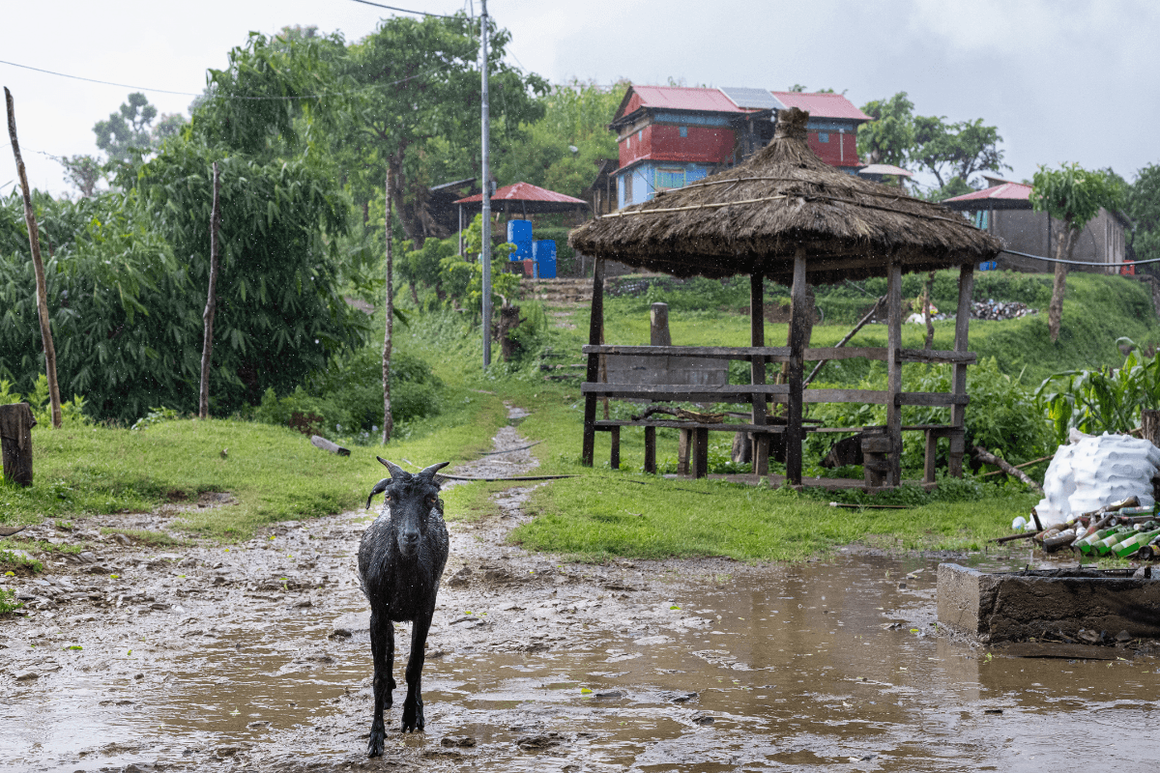
From June through to August, Nepal gets wet – really wet.
In summer, the monsoon rolls in, bringing heavy rain, humidity, and cloudy skies that often hide the mountains altogether. As you might expect, this weather turns mountain trails into muddy and slippery paths.
It’s not the ideal time for trekking, and most travellers give it a miss for good reason. Conditions can be unpredictable, and the lack of views can be disappointing when you’ve travelled so far for the epic scenery.
That said, it’s not a complete no-go. Some experienced trekkers head to rain-shadow areas (like the Upper Mustang region beyond Annapurna) where it stays a bit drier – but for most people, this isn’t the season to aim for.
Side note: If you’re set on trekking in the Himalayas during this time, it’s worth considering alternatives beyond Nepal. Regions like Ladakh in northern India sit in a rain shadow, meaning they stay largely dry even during the monsoon.
You could also experience a different side of Nepal by heading to Chitwan National Park, where the lush landscape comes alive after the rains. The area is one of the best times to spot animals like rhinos, elephants, and even Bengal tigers.
Cultural travel is another strong option during this period. Cities like Kathmandu, Bhaktapur, and Patan offer rich history, temples, and local food experiences that aren’t as weather-dependent as trekking routes.
3. Autumn (September – November): The best time for clear views and stable weather
If you want postcard-perfect views and clear, sunny skies on your trek in Nepal, autumn is your moment.
Once the monsoon clears, Nepal transforms. The skies open up, the air feels fresh, and the mountain views are about as good as they get. From mid-September through November, conditions are dry, stable, and ideal for trekking.
Temperatures are comfortable, which makes long days on the trail much more enjoyable.
Much like spring, autumn is a popular time in Nepal, so expect busier trails (especially in October). If you can travel a little later in the season, you’ll often get the same incredible conditions with fewer people around.
Top tip: If you prefer less-occupied trails, opt for the quieter Gokyo Lakes Trek or the Three Passes Route to Everest Base Camp.
You could also consider the Manaslu Circuit Trek. Located in the Manaslu region near the Annapurna range, you get dramatic mountain views and a rich cultural experience, but with far fewer crowds.
4. Winter (December – February): Cold but peaceful trekking conditions
Winter in Nepal isn’t for everyone, but it does have its perks.
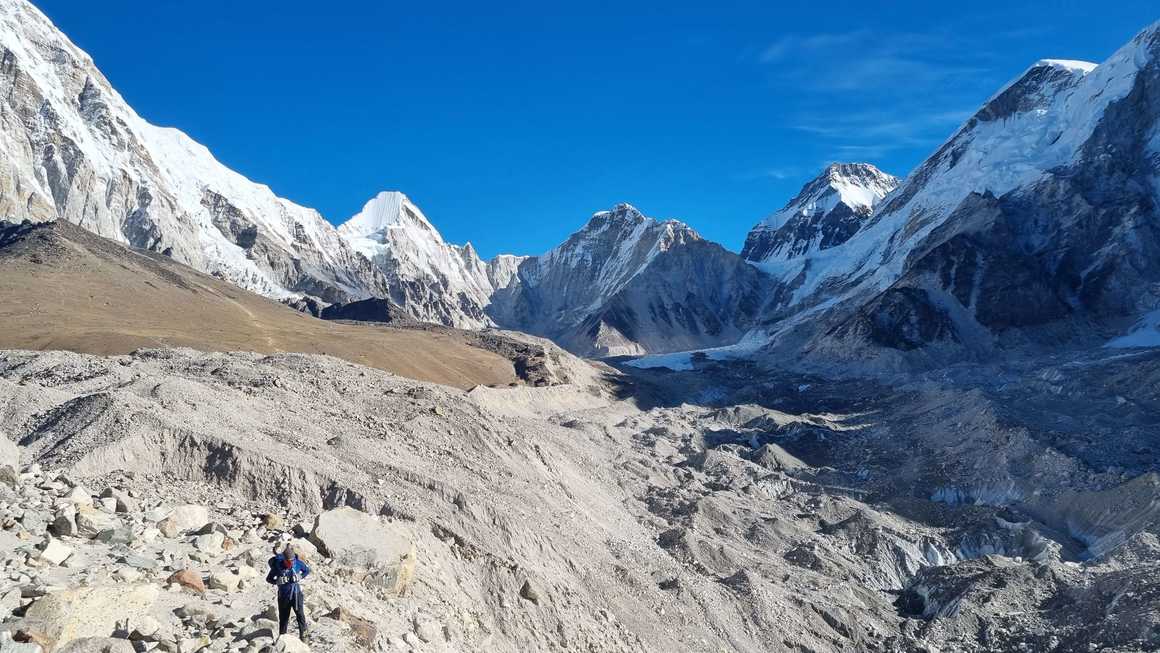
From December to February, temperatures drop significantly, especially at higher altitudes. Days at lower elevations can still feel comfortable, but nights are cold, and conditions get more extreme the higher you climb.
In places like Everest Base Camp, expect freezing temperatures and the possibility of snow blocking high passes.
But here’s the upside: there are far fewer people. Trails are quieter, and if you’re well-prepared for the cold, it can be a peaceful and rewarding time to trek.
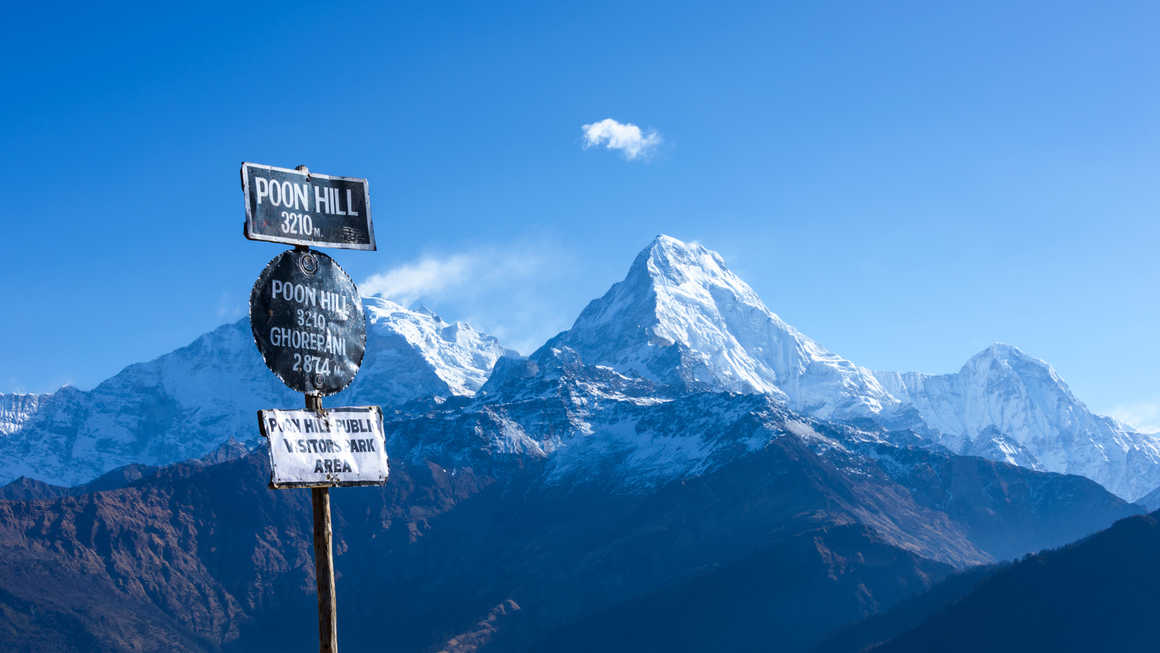
Top tip: If you’d rather avoid the harshest conditions, stick to lower-altitude routes (like Poon Hill) where the weather is more manageable.
FAQs about the best time to visit Nepal
Is Nepal a good destination all year round?
Yes, but it really depends on what you’re looking for. Nepal has something to offer in every season, but spring and autumn stand out for the best overall conditions, especially if you’re planning to trek.
What is the best month to visit Nepal?
October is often considered the best month, thanks to clear skies, stable weather, and incredible mountain views. April is a close second, with warmer temperatures and colourful landscapes in full bloom.
What is the best time to visit Nepal for trekking and hiking?
The best time for a Nepal trekking trip tends to be spring or autumn:
- Spring brings mild to warm temperatures, blooming flora, and generally clear skies, ideal for scenic trails.
- Autumn offers cooler, crisp days with excellent visibility and fewer crowds, especially later in the season.
There’s also a main wet season from late May through to early September, with the heaviest monsoon rains in July and August (which can make trekking more challenging).
When is the best time to visit Kathmandu and the Himalayas
The best time to visit both Kathmandu and the Himalayas is during spring (March to May) and autumn (September to November), when the weather is clear, dry, and ideal for both sightseeing and trekking.
What is the weather like in Kathmandu, Nepal?
Kathmandu has a fairly mild climate year-round. Expect hot, humid conditions in summer, clear skies in autumn, and cooler, crisp air in winter and spring.
When is monsoon season in Nepal, and should you avoid it?
Monsoon season runs from late May to early September, bringing heavy rain, humidity, and limited mountain views. It’s generally not the best time for trekking in Nepal, but if you don’t mind the rain (and want fewer crowds), it can still be a quieter, more budget-friendly time to visit.
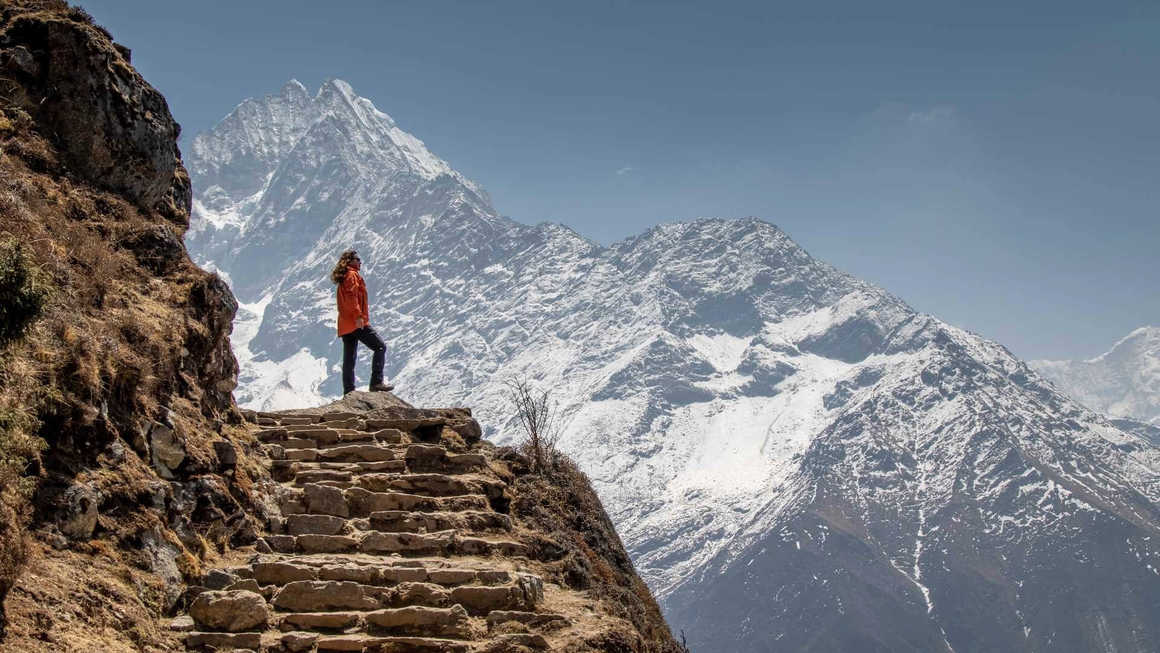
Witness the beauty of Nepal with Kandoo Adventures
While you can trek in Nepal year-round, the best experiences tend to fall in the peak seasons of spring and autumn. Warmer temperatures, safer conditions, and clear mountain views come together to make trekking far more enjoyable and accessible.
With Kandoo Adventures, you can choose the Nepal adventure that suits you. Join one of our peak-season treks to enjoy iconic Himalayan views and more reliable weather. Or, if you’re an experienced hiker ready for a challenge, we can arrange a private off-season trek – perfect for navigating snow-covered passes and tackling more technical routes in the quiet beauty of winter.