
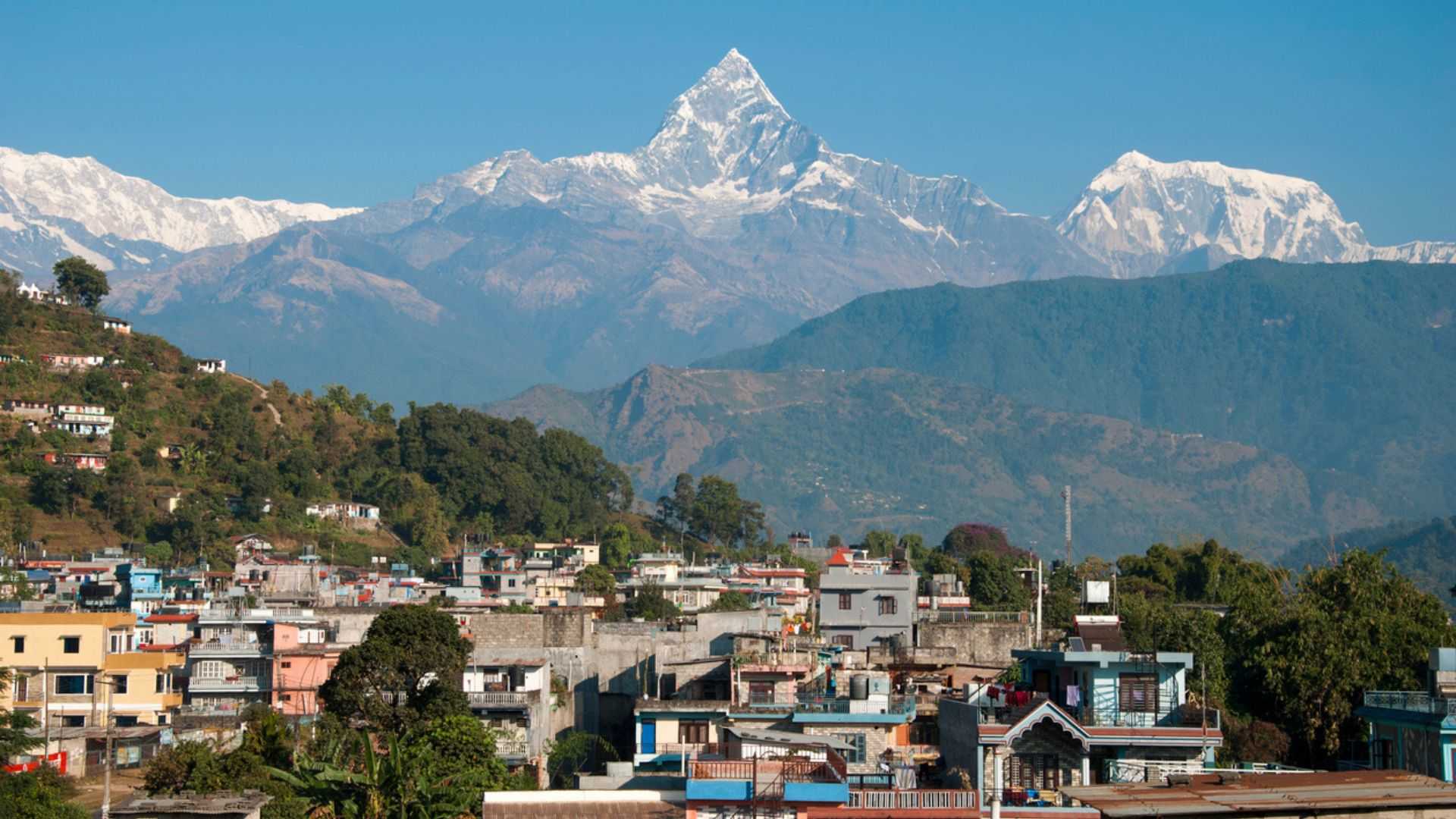
Welcome to the Himalayan gateway city of Pokhara, Gandaki
If you’re planning a trip to Nepal, you’ll likely be researching the various destinations within the country that you'd like to visit during your travels. Located in Gandaki Province, Pokhara stands as one of Nepal’s most significant tourism and lifestyle hubs.
In this blog, we explore everything Pokhara has to offer. We can’t recommend visiting this beautiful city enough, whether as a standalone destination or as a pit stop to break up trekking in the Himalayas.
Pokhara: location, size, and culture
The Pokhara Valley is roughly 200 km (124 mi) west of the Nepalese capital Kathmandu, on the shore of Phewa Lake (you’ll also find it referred to as Fewa Lake). Surrounded by dramatic landscapes, Pokhara City is within 15-30 km (9-18 mi) aerial distance of the Himalayan peaks of the Annapurna mountain range. Annapurna I, Dhaulagiri, and Manaslu give Pokhara its striking backdrop.
The culture of Pokhara
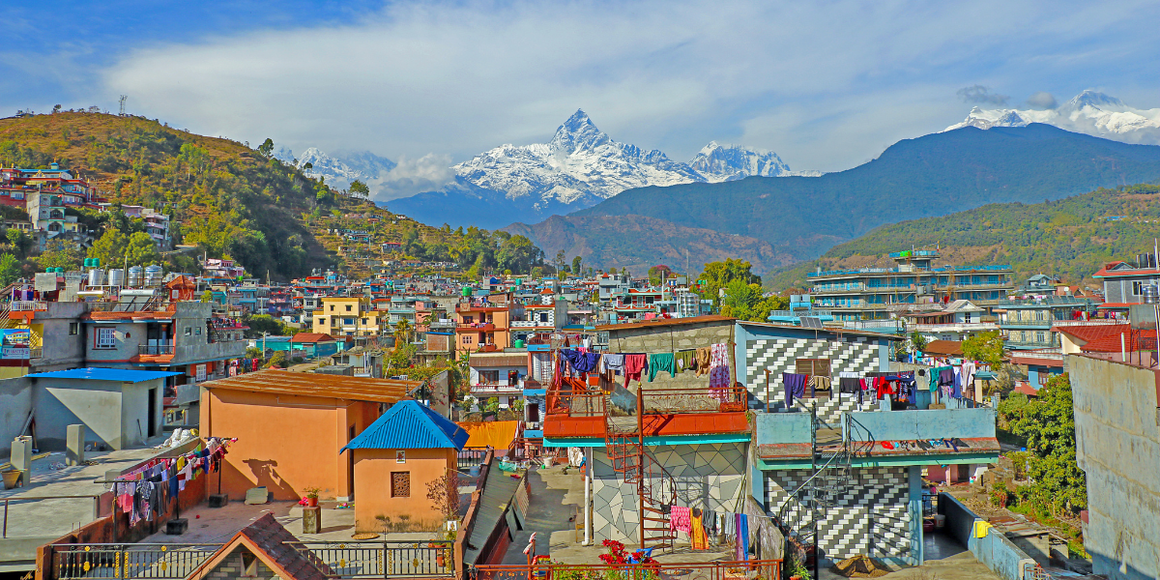
Pokhara town is known as Nepal’s tourism capital, but what travellers often remember most is the atmosphere. A calm, creative, slightly bohemian vibe gives Pokhara an unmistakable identity. Lakeside streets are dotted with cafés, bookstores, yoga studios, and relaxed bars where trekkers, backpackers, artists, and nature seekers gather.
Part of Pokhara’s charm stems from its layered past. Historically, the valley sat on an active trade route linking India and Tibet, a crossroads where caravans once passed through with goods such as salt and wool. Over the centuries, communities such as the Gurungs, Magars and Thakalis settled here. This created a diverse cultural tapestry shaped by mountain traditions and trade.
As Nepal opened to the world in the mid-20th century, Pokhara evolved from a quiet trading town into the main gateway for mountaineers exploring the Annapurna Circuit. By the 1960s and 70s, travellers (from trekkers to spiritual wanderers to those seeking alternative lifestyles) began staying longer. This cultivated the easygoing, open-minded spirit that still defines the city today.
Pokhara city and people
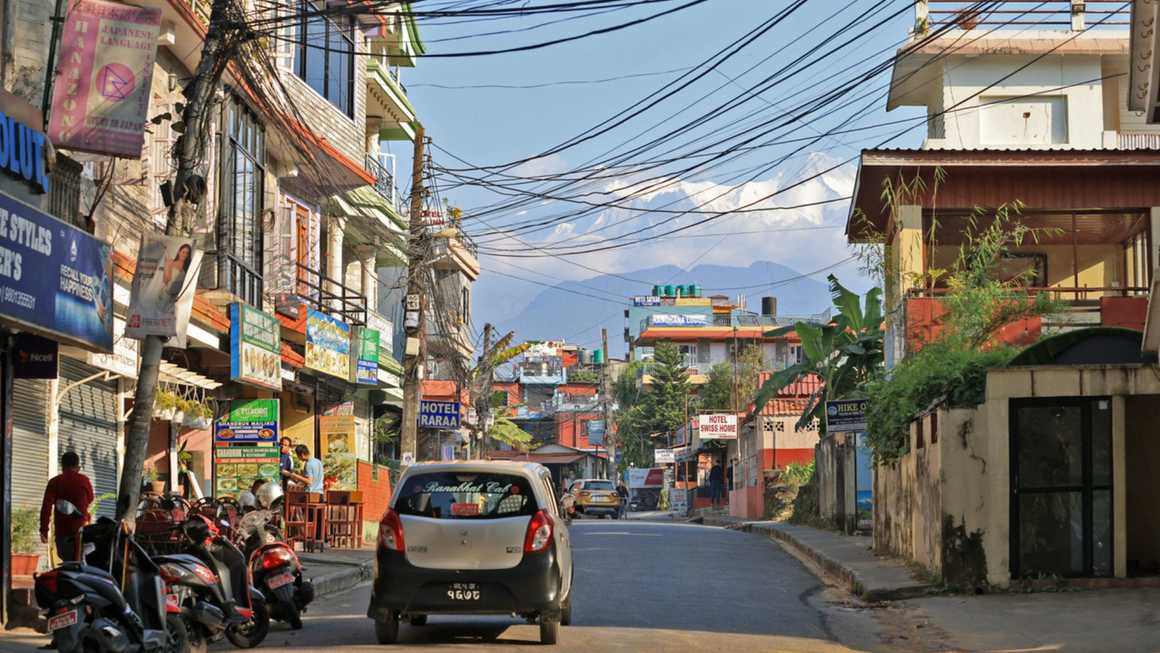
The architecture and infrastructure in Pokhara are a mixed bag. Around the lakeside and tourist zones, you’ll find guesthouses, hotels, cafés, trekking-tour operators, and tourist-friendly amenities. Beyond the bustle, there are more traditional neighbourhoods and even older bazaar-style areas. In these areas, the infrastructure is more rustic, and you’ll find streets with networks of wires and older-style buildings, typical of many parts of Nepalese towns.
If you’re wondering about the population of Pokhara and how busy it is, a look at the 2021 census, Pokhara (as a metropolitan area), will tell you that it had 513,504 residents. However, compared to large metropolises, Pokhara remains relatively laid-back and strongly tied to nature and trekking culture.

Our guide to Pokhara, at a glance
- How to travel to and around Pokhara
- Currency of Nepal, money, payment methods, & typical costs in Pokhara
- Where and what to eat in Pokhara
- Accommodation in Pokhara - types, cost ranges, & booking advice
- Things to do in Pokhara - adventures, treks, sightseeing, activities
- Places to see in Pokhara and around the city
- Pokhara FAQs - the most commonly asked questions
Transport to and around Pokhara
Navigating Pokhara is part of the adventure, and don’t worry, it’s not complicated! Whether you’re travelling from other areas of Nepal or exploring the town itself, Pokhara offers a mix of options that suit every style of traveller.
Let’s break down how to get there and move around like a local (or like a savvy adventurer!).
Getting to Pokhara
Nepal’s landscape is dominated by its mountain ranges, so it doesn’t have an extensive rail infrastructure. Therefore, to travel to and around Pokhara, people use either the roads or air transportation.
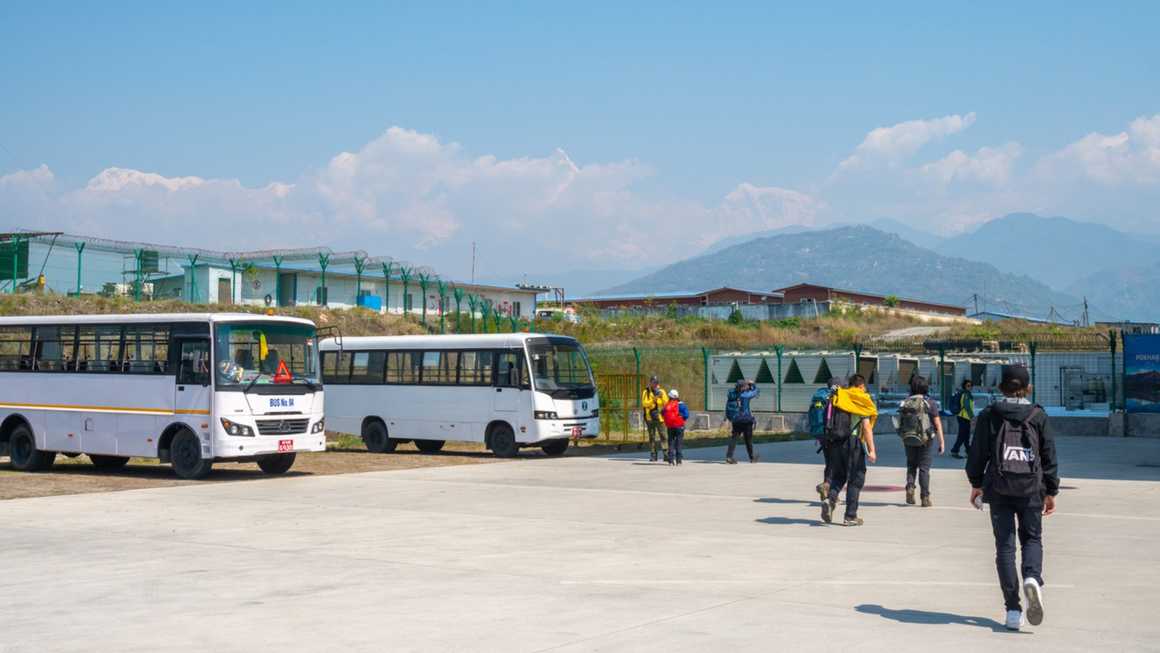
By bus: Tourist buses (or “local buses/minivans”) run from Kathmandu (departing from near Thamel) to Pokhara. The journey typically takes around 6-9 hours, depending on traffic and road conditions.
By private vehicle (car/jeep): If you hire a private car or jeep from Kathmandu, it takes approximately 6–7 hours (if the roads and weather cooperate). This option offers more flexibility and opportunity for stopovers if desired.
The biggest highlight of travelling by road is that you get to take in the stunning mountain views, lush green forests and various landscapes along your route.
By air: There are domestic flights between Kathmandu and Pokhara Airport. The flight time between the two is a speedy 25–30 minutes.
From the airport, you can easily take a taxi or a bus to the city, which is usually a 10–15 min ride.
Getting around in Pokhara
- Once you’re in town, particularly around the lakeside/tourist hub, walking is often the easiest and most convenient mode of travel. Many hotels, cafés, restaurants, and attractions are within a short walking distance of this area.
- Local buses (these are called micros) and minibuses operate across the Pokhara valley, linking tourist areas, villages, and the outskirts of Pokhara.
- To take a taxi in Pokhara, you can expect modest fares. For example, rides within Pokhara town might cost NPR 100-400 (£0.50-£2.00 or US$0.70-$2.70).
- Many hostels/shops around Phewa Lake offer bicycle or scooter rentals, which is a popular and fun way for travellers to explore nearby hills or the outskirts of Pokhara town. As always, we advise caution when driving on unfamiliar roads and wearing a helmet is essential. If you plan to hire a motorbike, ensure you pack a valid driving license.
Money, currency and daily costs in Pokhara
The currency in Pokhara is the Nepalese Rupee (NPR). Many smaller shops, local restaurants and markets prefer or only accept cash, so it’s wise to carry a mix of cash and cards. It’s easy to obtain cash while in Pokhara as ATMs are widely available in tourist areas (especially around Lakeside), and most accept international cards (Visa/Mastercard).
If having a budget for your travels is important, a modest/mid-range daily allowance is around NPR 3,300 (£17.00 or US$23). This includes meals, simple accommodation, and local transport. We can break this down further for clarity:
Cost of accommodation in Pokhara
As we’ve based the above daily allowance on a modest budget, the accommodations that fall within this price bracket are guesthouses and hostels, which typically cost NPR 1,000-3,000/night (£5.00-£16.00 or US$7.00-$21.00). Mid-range and luxury spa hotels in Pokhara come in more expensive - expect upwards of NPR 4,000.
Cost of food in Pokhara
Food and local meals in Pokhara are affordable. There’s a thriving street food scene in Pokhara, and as with most Eastern countries, it’s at these places that you’ll find the most authentic, delicious and low-cost meals, with items costing as little as NPR 100. A simple local restaurant meal is only NPR 200-800 (£1.00-£4.00 or US$1.40-$5.50). Expect to pay more in upscale cafés or restaurants in tourist areas.
Cost of local transport in Pokhara
As outlined above, short, local buses (micros) are cheap (as low as NPR 100). You can choose to share a micro, with people taking similar journeys, or you can take a taxi and pay slightly more, but both are economical options.
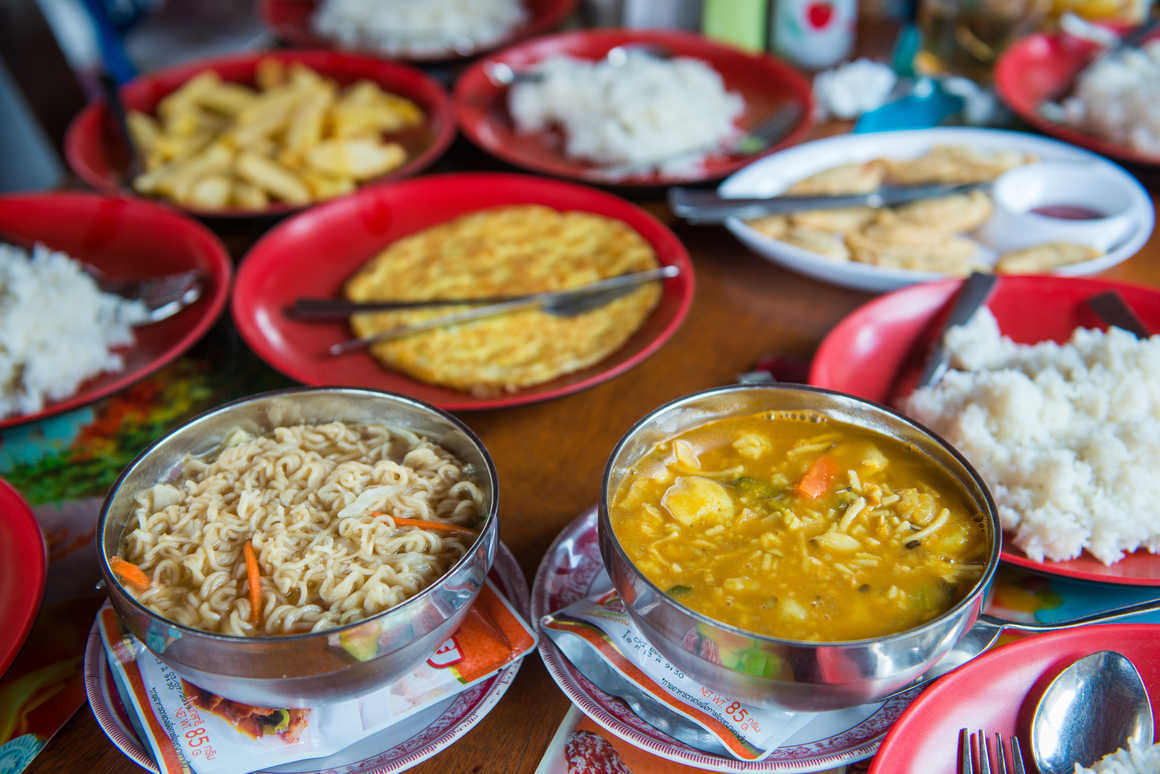
Where and what to eat in Pokhara
Food in Nepal is wholesome and nourishing, regularly featuring staples such as lentils, rice, barley, corn and stewed meat. Nepalese food has evolved to sustain mountain life, and visitors trekking in Nepal can also enjoy the delicious local delicacies to bolster their journeys.
Foods you can regularly expect to find in Pokhara are:
- Dal bhat - steamed rice (bhat), lentil soup (dal) and an assortment of accompanying side dishes such as vegetables, curry, pickles, and yoghurt.
- Momos - dumplings filled with minced meat or vegetables, seasoned with garlic, ginger and spices. They are served alone or with a meal and are delicious little clouds of heaven!
- Thukpa - stew incorporating Chinese and Tibetan flavours, featuring noodles cooked in a flavourful broth with vegetables or meat (mainly yak or sheep).
- Fried rice/noodles (chau chau) - a street food staple of fried rice noodles with veggies, meat and local spices. You can pick up a plate of chau chau pretty much anywhere!
- Street food - Pani Puri, Chatpat (savoury snacks), Samosas, Pakoras (fried bites), Laping (cold spicy noodles), and Yomari (Newari sweet dumplings).
Foodie hangouts in Pokhara
If you want to spend the day wandering, eating, and wandering some more, here are our top picks of the best places to graze your day away:
- Head to the Lakeside market, which is famous for its food carts, cafés and affordable meals, as well as local handmade crafts, souvenirs and jewellery.
- Visit Mahendrapul, one of the busiest high-street/market zones in Pokhara. It’s a great place to sample local snacks while browsing the markets and is part of local daily life (not just tourism), so you experience more of a locals' rhythm.
- Explore Chipledhunga, one of the oldest and busiest marketplaces in Pokhara. See the buzz for yourself - street-food stalls, snack carts, and affordable quick eats tend to cluster around this central marketplace.
- For more western-style or tourist-oriented restaurants/cafés, along the Lakeside is your best port of call, but prices may be higher here. Expect even higher prices for imported items or full-service meals.
- If you want drinks, coffee and snacks on the go, there are cheap and local cafés (bhatghars) or shops around Pokhara town that serve them. Groceries are very reasonably priced, with basics such as milk and bread starting at NPR 50.
Planning for specific dietary needs: Nepal is very vegetarian-friendly, and many Pokhara restaurants feature extensive vegetarian and vegan menus. Halal options are limited, but some restaurants may indicate if they serve Halal meat. Kosher food is virtually non-existent, needing specific planning or self-catering. Ensure you have translation cards for severe allergies to ensure clear communication.
Pokhara places to stay
Pokhara offers a great variety of accommodation for every type of traveller. From budget guesthouses and sociable hostels to mid-range hotels and lakeside spa retreats. Whether you’re here to trek or relax, finding a place to stay is easy.
Prices fluctuate with the seasons, so the prices listed here are a guideline only. Here are a few recommendations:
Budget hostels & guesthouses in Pokhara
You’ll find many affordable guesthouses in Pokhara, especially close to Lakeside or less central parts of town. Expect to pay NPR 1,000-3,000/night (£5.00-£15.00 or US$7.00-$21.00).
- Gaurishankar Backpackers Hostel Pokhara - popular among backpackers, with dorm-style stays and pretty gardens.
- Hotel Paradise and Jirekhursani Restaurant - on the North East edge of the lake, this guesthouse has a lovely garden patio and hosts set in a beautiful location
- Forest Lake Backpackers Hostel - a simple, affordable hostel option - good for travellers prioritising price, proximity to the Lakeside, and basic amenities.
Mid-range hotels in Pokhara
A step up in comfort with private rooms and better amenities, mid-range hotels in Pokhara are more suitable if you prefer a bit of comfort without blowing your budget. Think along the lines of NPR 3,000-8,000/night (£15.00-£40.00 or US$20.00-$55.00).
- Trekkers Inn Boutique Hotel - a mid-range hotel with homely timber interior features, often recommended for comfort and proximity to Phewa Lake.
- Hotel Himalayan Vacation - another comfortable mid-range stay, hailed for its warm hospitality and views of the lake and Himalayas from upper floors.
- Hotel ABC, Boutique Hotel - in a convenient location near the Lakeside bustle, but surprisingly quiet with larger-than-average rooms.
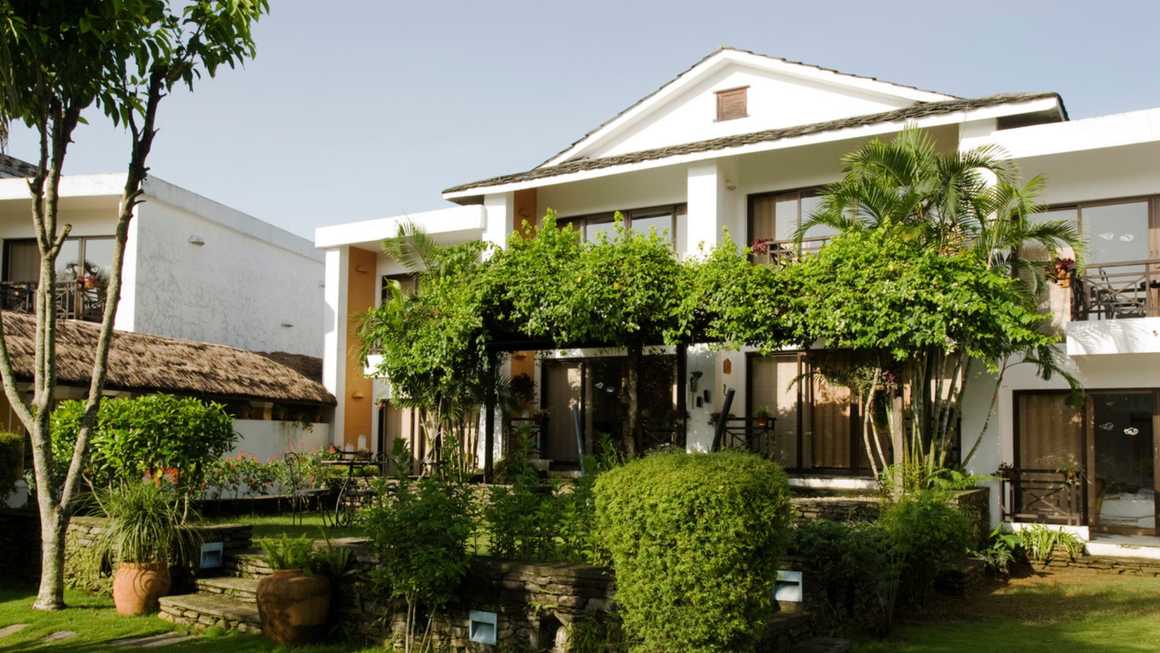
Luxury and spa resorts in Pokhara
There are plenty of resorts and higher-end hotels for travellers looking for more amenities and comfort. These are more expensive and range upwards of NPR 6,000 (£30.00 or US$40.00)
- Hotel Middle Path & Spa - this hotel sits in Pokhara town centre, so it’s conveniently located for onward travel and transport. Features a pool and spa, with friendly staff. Luxurious but affordable, this resort sits at the lower end of the price bracket in this category.
- Majestic Lake Front Hotel & Suites - offering all-inclusive options and a large pool, this hotel is ideal for pure relaxation and receives consistently excellent reviews for its customer service.
- Dahlia Boutique Hotel - located 1km from the airport and a short walk to the bus terminal, this hotel is ideal if proximity to transport is a priority. It has the added bonus of a lovely swimming pool and amazing views of the Himalayas.
Booking in advance? If you travel to Pokharal in high season (spring or autumn), we highly recommend booking ahead. Also, during trekking-season or immediately after popular trek circuits, such as the Annapurna Circuit Trek or Poon Hill Trek, rooms may fill up, so a bit of planning helps. In off-peak times, you may find acceptable rooms upon arrival.
Things to do in Pokhara
Pokhara is a paradise for adventure-seekers, nature lovers and trekkers. But beyond being a gateway for Himalayan trekking adventures, Pokhara is bursting with exciting activities, right from its centre. Here’s a breakdown of what visitors can enjoy:
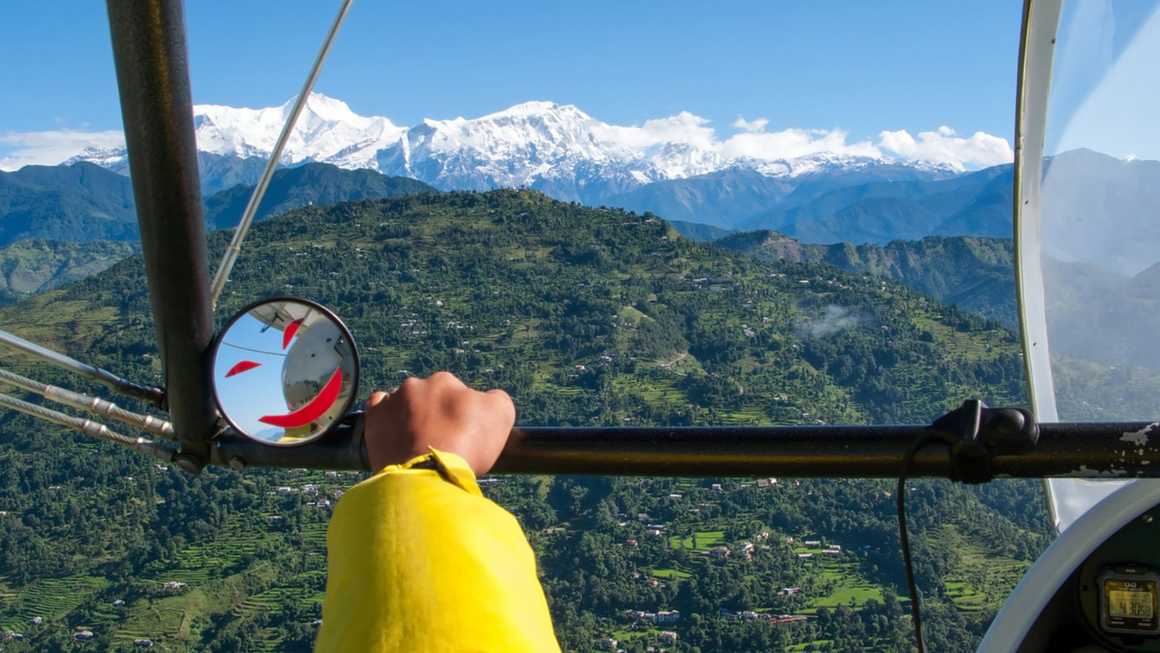
Adrenaline & adventure activities in Pokhara
- Tower bungee jumping - Pokhara is famous for having the only tower bungee jumping facility in Nepal. The site is in Hemja (close to the city).
- Zip-lining - The zip-line in Pokhara (called Zipflyer Nepal) is world-renowned for its steep incline (600m over 1.8 km) and fast speed (up to 120km/h). This is a thrilling way to experience the staggering Himalayan views.
- Ultralight flights - These scenic flights in Pokhara offer a blissful and silent glide over panoramic aerial views of Pokhara valley, lakes, and mountains.
- Paragliding - For those wanting a bird’s-eye view of the valley and mountains, paragliding is a favourite option. There are a few providers of paragliding in Pokhara, and specific companies & seasons vary, so do a little research if this is an activity you fancy.
Nature activities in Pokhara
- Mountain biking & cycling - Renting bikes and exploring lakeside, nearby hills or rural paths is a relaxing way to see the area. Numerous places offer bike rentals in Pokhara - your accommodation is the best bet for recommending the nearest or most convenient option for you.
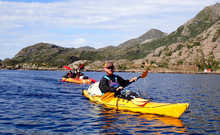
- Boating & kayaking - On Phewa Lake (or other lakes such as Begnas Lake and Rupa Lake), boat rides are a lovely way to reach certain temples or simply to enjoy a calm, scenic ride.
- Birdwatching & nature walks - Given the valleys, hills and lakes, there’s ample opportunity for spotting local fauna and enjoying quiet natural surroundings. You can obtain specific bird species lists from local guides, but it’s easy enough to spot Himalayan birds and water birds around the lakes.
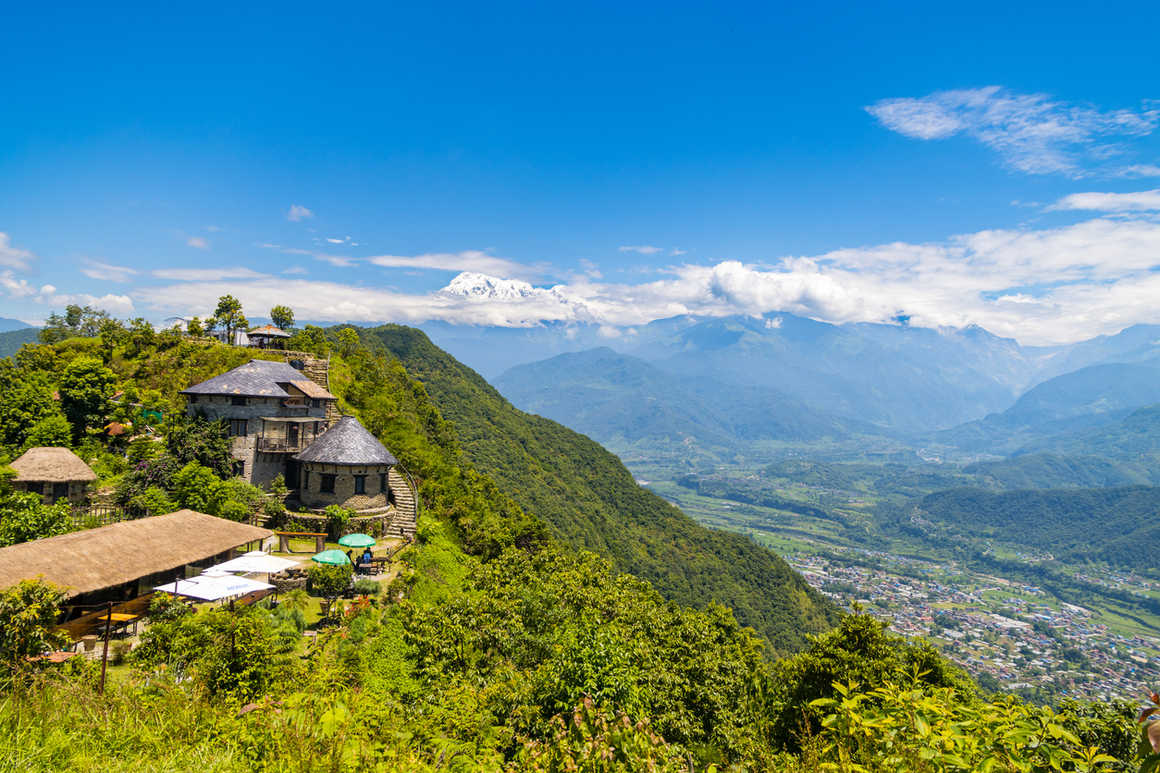
Day hikes from Pokhara
If you fancy stretching your legs beyond walking around Phewa Lakeside and Pokhara town, explore some of the lovely hikes by taking a short taxi or bus ride. Here’s our top 3:
1. Sarangkot Viewpoint Walk
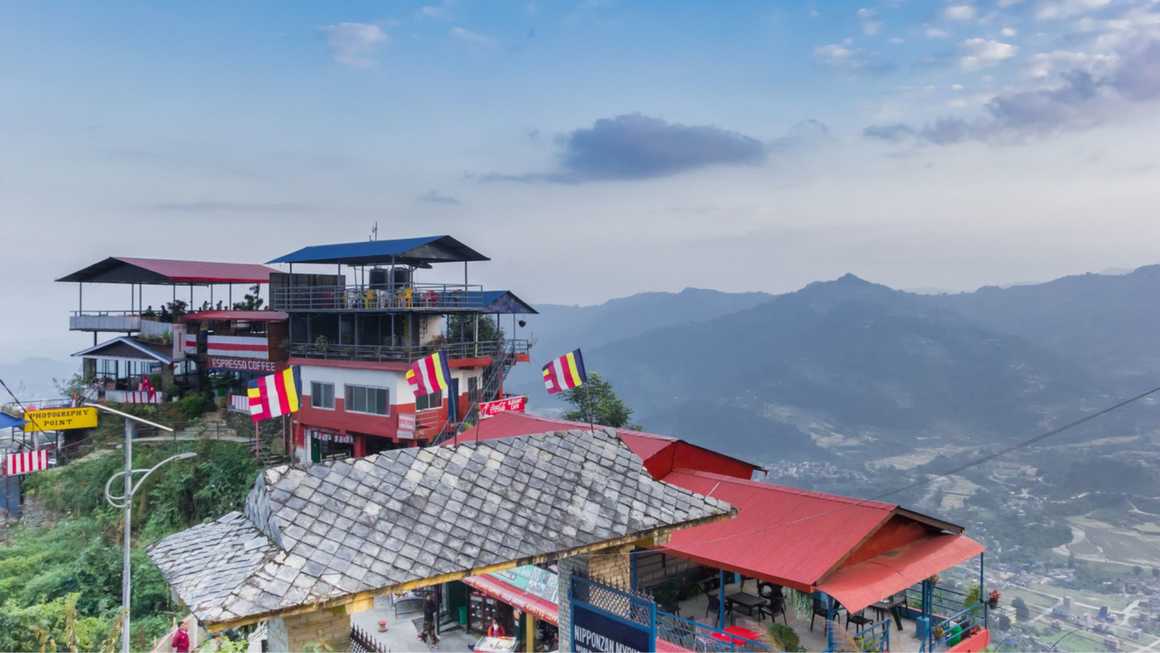
Reach Sarangkot by taxi or a short local bus ride from Lakeside, then stroll up the trail to the popular viewpoint. It’s ideal for a half-day and rewards you with panoramic views of Phewa Lake, the city, and the Annapurna range (including Annapurna, Machhapuchhre and Dhaulagiri). The path is gentle enough for beginners and is one of the most famous hill walks near Pokhara.
2. Dhampus Village Trail
About 30-40 minutes by taxi from Pokhara centre (to Phedi), the trail to Dhampus village is a calm, scenic walk through terraced hillsides and rhododendron forests. With a glimpse of traditional Gurung settlements, this walk blends nature and culture. It’s also very doable for most fit walkers on a half-day.
3. Begnas Lake Loop (Begnaskot Trail)
If you’re craving peace and quiet, head to Begnas Lake (about a 30-40 minute taxi or local bus ride from Pokhara). From there, a gentle hike up to Begnaskot gives you sweeping views of Begnas and Rupa Lakes and the surrounding peaks. It’s less touristy and incredibly scenic.
Places to See in Pokhara
Visiting Pokhara, you’ll be spoilt for choice of not only activities, but also beautiful places to see. Luckily, you can usually tie them together.
If you’re preserving energy for an Annapurna trek, sightseeing is a lovely way to spend some relaxing time. Here’s our pick of the best:

Phewa Lake & Tal Barahi Temple
Phewa Lake is the centrepiece of Pokhara’s charm. Boating on the lake is one of the most relaxing and scenic activities, with a stunning backdrop of mountains.
On the lake sits Tal Barahi Temple (also known as Barahi Temple), a small island-temple dedicated to the Hindu goddess Barahi. It’s accessible only by boat.
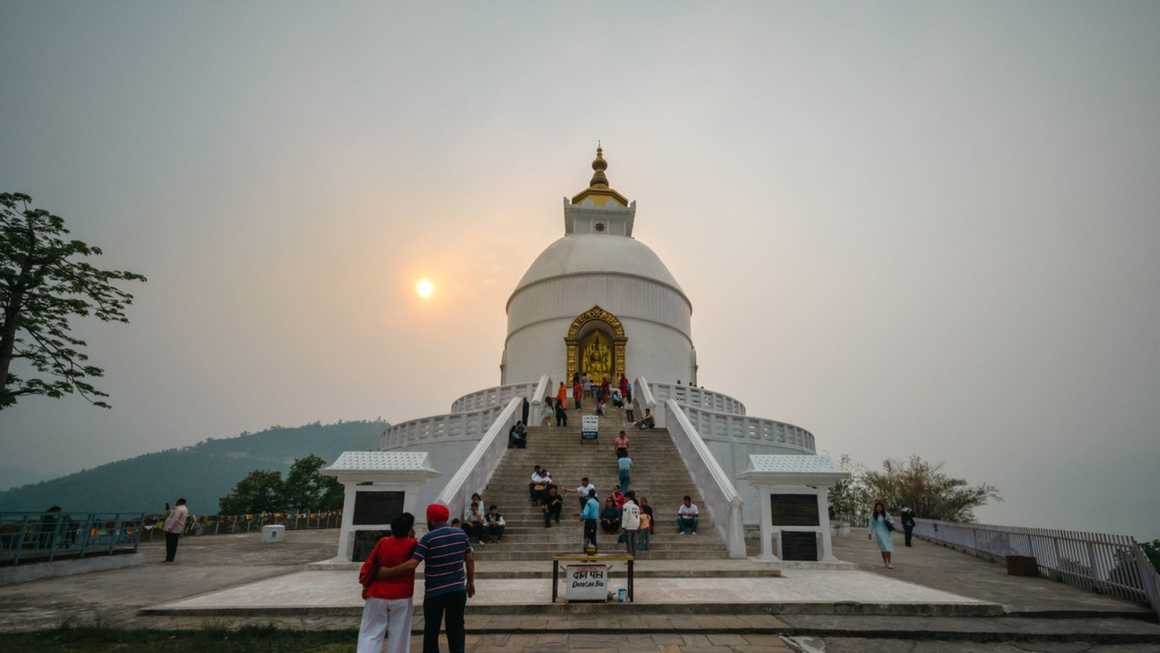
Shanti Stupa (World Peace Pagoda)
Perched on a hilltop, Shanti Stupa offers panoramic views over Phewa Lake, the Pokhara valley, and the Annapurna range. Starting right near the southern shore of Phewa Lake, take a walk up through forested paths and steps to the stunning World Peace Pagoda.
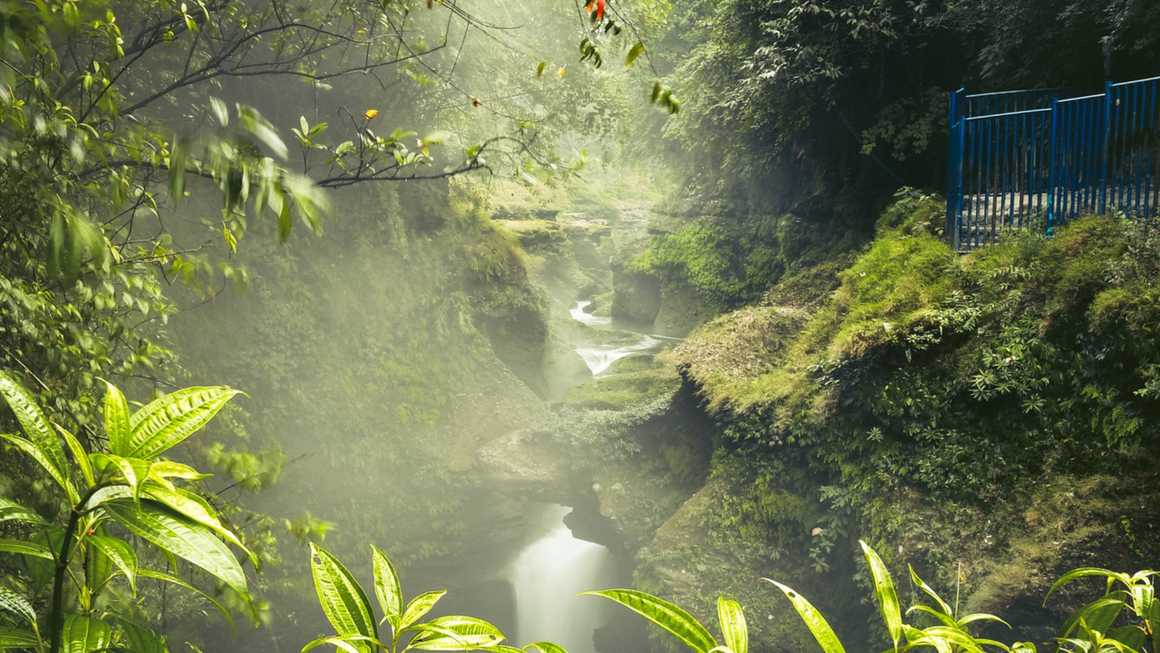
Davi’s Falls Pokhara & Gupteshwor Mahadev Cave
Davi’s Falls (also known as Devi’s Falls) is a dramatic waterfall where water plunges and disappears into a deep gorge that leads to an underground passage. The water vanishing into the earth gives it a mystical quality.
Opposite the waterfall, you’ll find Gupteshwor Mahadev Cave. This sacred cave complex is tied to local legend and religion. It’s a major attraction for those interested in geology, spirituality, or just something off the beaten path.
Other Temples and Cultural Sites in Pokhara
- Bindhyabasini Temple - Perched on a small hill north of Pokhara, the Hindu temple offers sweeping views of the city and the Annapurna range. Its traditional pagoda-style design and quiet courtyard create a calm, devotional atmosphere, especially during early-morning prayers.
- The old bazaar and old town - here, you can explore old Newari-style buildings, traditional shops and temples. Visiting this part of Pokhara town makes a complementary contrast to the lakeside tourist zone and is an opportunity to experience authentic Nepalese culture.
- Matepani Gumba (Matepani Monastery) - on a hill in the eastern part of Pokhara, Matepani Gumba is a vibrant Buddhist monastery founded in the 1960s by Tibetan monks. It’s known for its beautifully painted interior, colourful murals depicting Buddhist teachings, and peaceful gardens overlooking the valley. Visitors are welcome to sit in on morning or evening chanting sessions, making it a soothing escape from the busier Lakeside area.
Trekking in Nepal near Pokhara
Pokhara is the gateway city for many famous Himalayan trekking trips. Let’s take a look at what the region around Pokhara has in store for you:
Poon Hill Trek
The Poon Hill Trek is a short, beginner-friendly route (compared to some of the much more challenging Himalayan peaks) that takes you through terraced hillsides, rhododendron forests, and Gurung villages before reaching the famous 3,210-metre viewpoint.
Most trekkers climb before dawn to watch the sunrise over the Annapurna and Dhaulagiri ranges, making it one of Nepal’s most rewarding quick treks. Our Poon Hill trek is completed over 8 days and includes a quick stop in Pokhara, between flights to and from Kathmandu.
Mardi Himal Trek
Pokhara is a gateway to several quieter trails, with the Mardi Himal Trek becoming a popular alternative. This is a shorter route that climbs from forested paths to ridge-line viewpoints facing Machhapuchhre (Annapurna Fishtail Mountain). It’s perfect for trekkers who are lusting after the big scenery but fewer crowds.
Annapurna Circuit
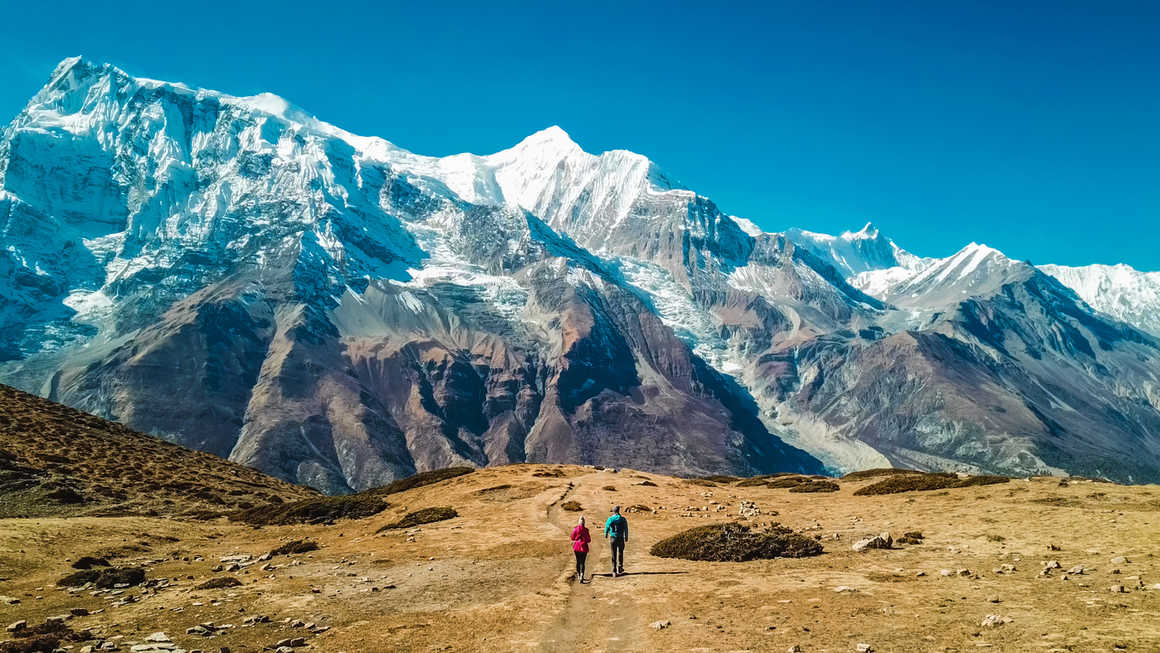
A classic long-distance trek, the Annapurna Circuit loops around the entire Annapurna massif and crosses the high Thorong La Pass (5,416 m). It’s best for experienced trekkers, offering a huge variety from deep gorges and desert-like valleys to alpine scenery and cultural insights, making it one of the world’s most iconic multi-day routes.
Annapurna Base Camp Trek (ABC)
The ABC Trek leads you through bamboo forests and mountain villages into the dramatic natural amphitheatre of Annapurna Base Camp, surrounded by towering peaks. It’s more challenging than a short hike but accessible to most moderately fit trekkers, offering close-up Himalayan views without the extreme altitude of the Circuit.
Pokhara Frequently Asked Questions (FAQs)
How high is Pokhara?
Pokhara’s altitude sits 822 m above sea level (on average). Nepal’s towns and cities, including Pokhara, are uniquely situated at mid‑hill elevations, found in very few other places in the world.
How far is Pokhara from Kathmandu, & how long is the journey?
Pokhara is 200 km by road from Kathmandu. By tourist bus or car, this takes around 6-8 hours (sometimes longer, depending on road and traffic). The flight time from Kathmandu to Pokhara is 25–30 minutes.
Is the road from Kathmandu to Pokhara dangerous?
The roads between Pokhara and Kathmandu can be winding, mountainous, and sometimes rough, especially in the rainy or monsoon season. Driving carefully helps, and many travellers still use tourist buses and private cars.
Can you see the Annapurna mountains from Pokhara?
Yes! Several of the high Himalayan peaks of the Annapurna range, Dhaulagiri and Manaslu are within view (on clear days) from Pokhara’s vantage points or lakeside hills. The scenery around Pokhara is undeniably beautiful.
Can you see Mount Everest from Pokhara?
No, it isn’t visible from the town because Everest lies far to the east and north. Pokhara’s nearby visible peaks are primarily those of the Annapurna–Dhaulagiri–Manaslu region.
How long should you spend in Pokhara?
For a basic visit (sights, lake, short walk, relaxing), 3-4 days is enough. If you plan treks, adventures, or multiple activities, 5-7 days or more is ideal. We think Pokhara is the perfect place to have a relaxing holiday after a big Himalayan trek.
What is Pokhara weather like?
Pokhara enjoys a mild, subtropical climate with warm springs and autumns (15–25 °C), cool winters (0–20 °C), and a wet, lush monsoon season from June to September. Although right before and during the monsoon, temperatures can reach a heady 30-38 °C.
The city’s location near the Himalayas means you can enjoy crisp mountain views in clear weather, especially in autumn and spring.
Explore Pokhara and get your trek on!
Pokhara strikes an incredible balance between natural beauty, adventure, and relaxed lakeside vibes. Whether you’re after tranquil boat rides on Phewa Lake, adrenaline-pumping bungee or zip-line jumps, Himalayan treks, or cultural immersion, it offers something for so many travel styles.
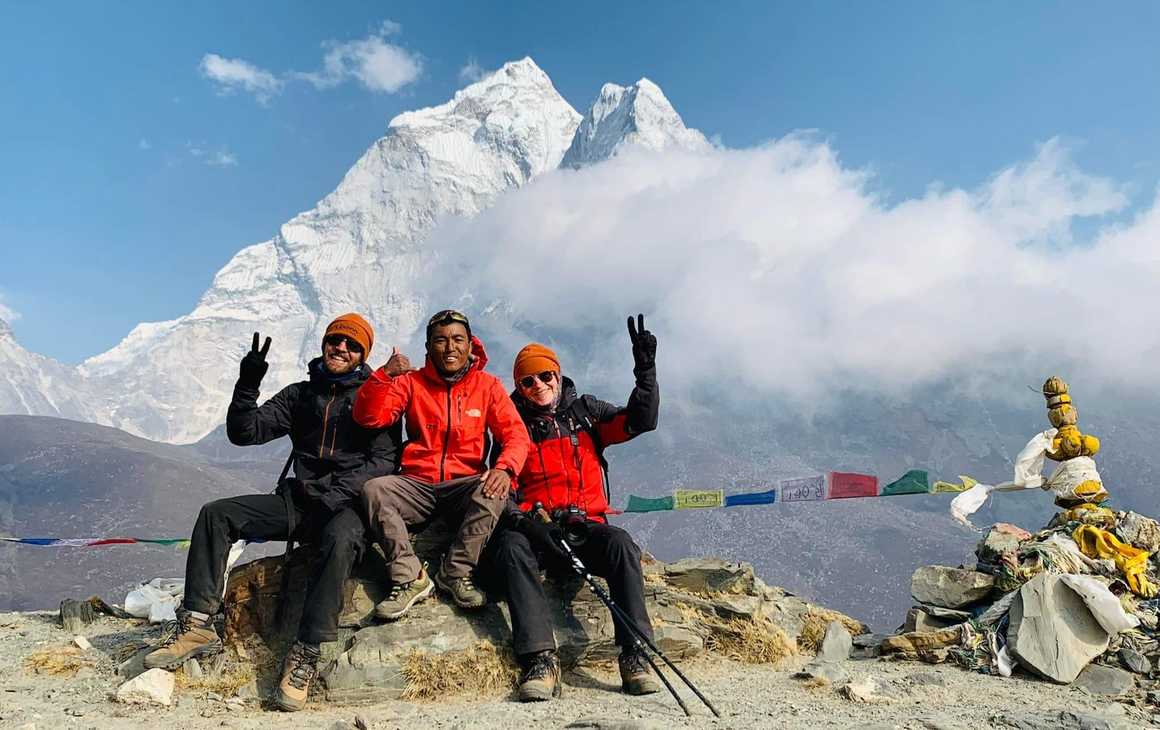
Kandoo are here to make your Nepal trekking dreams come alive. Get in touch with our Nepal experts for a chat about the trip of a lifetime, and let's make it happen together!