

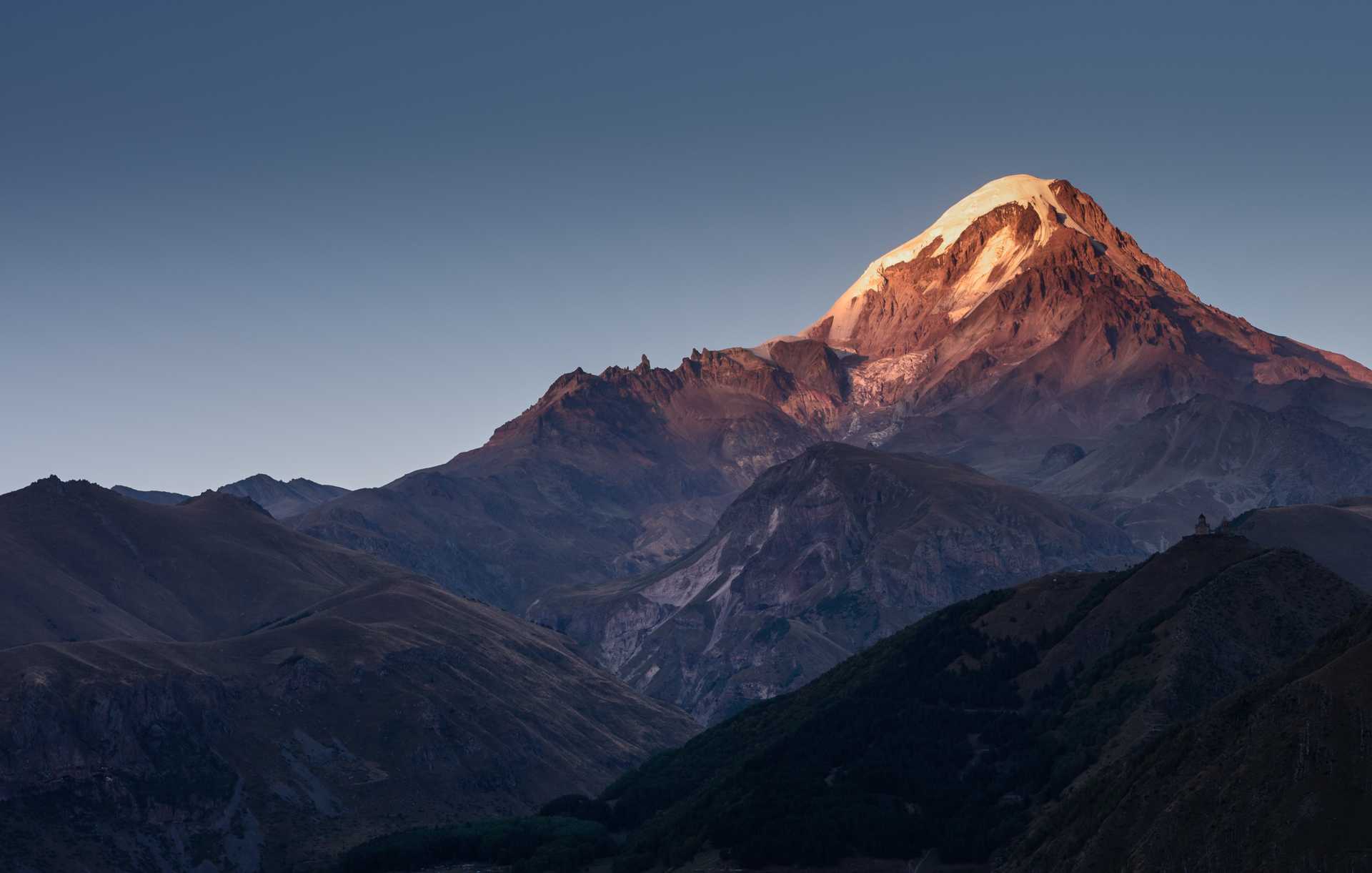
Georgia hiking: What you need to know
If you’ve ever wanted to hike somewhere off the usual European radar, Georgia should be on your list. With rugged mountains, alpine meadows, and remote villages, it’s a paradise for trekkers, but it’s not as well known as some other European hotspots.
But which regions are best for hiking in Georgia? When’s the ideal season for trekking? And how do you actually get around once you arrive?
These are the questions we answer in this article. We walk you through the top trekking regions, the most memorable trails, the best times to hike, and practical tips to plan your adventure in Georgia without stress.
By the end, you’ll know exactly why Georgia is quickly becoming Europe’s hidden gem for hiking and how to make the most of a hiking trip to this beautiful country.
Is Georgia worth visiting if you like hiking? Yes, and here’s why
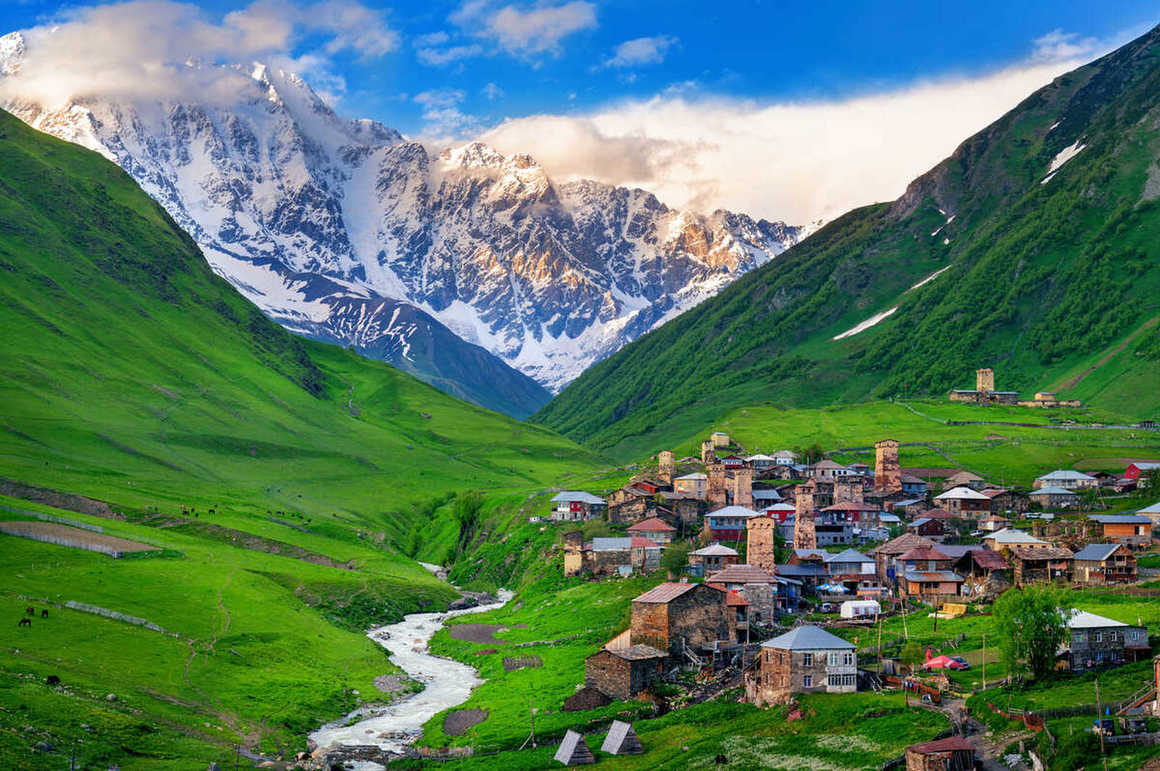
From sweeping alpine meadows to rugged mountain passes, trekking in the country of Georgia offers some of the most spectacular trekking landscapes in Europe.
Here are the reasons we think Georgia is a top destination for hikers:
- The country is full of mountains. With the Caucasus Mountains in Georgia stretching across the north and south, roughly 85% of the country is mountainous, meaning there’s no shortage of trails to explore.
- It’s not a super popular hiking destination (yet). While a lot of hiking trails in Europe are pretty well-known (like the Tour du Mont Blanc), Georgia isn’t quite on the radar in the same way. Trails are largely peaceful, giving you a genuine, unspoiled experience.
- The landscape is beautiful and varied. You’ll trek through lush valleys, alpine meadows dotted with wildflowers, crystal-clear glacial lakes, dense forests, and dramatic mountain passes. Every turn offers a new view – and a new photo opportunity.
- Rich culture along the way. Hiking in Georgia isn’t just about the scenery. Many trails pass through traditional villages, where you can experience local hospitality, taste regional cuisine, and learn about Georgia's fascinating history and architecture.
Although trekking in Georgia isn’t typically at the top of the list when planning a hiking trip, people are slowly clocking on to its perks. The abundance of mountains and trekking routes has seen walking holidays in Georgia becoming higher on the list of places to hike in Europe.
Best to book a Georgia trekking trip sooner rather than later if you want to get ahead of the pack and visit this incredible destination!
When is the best time to visit Georgia for hiking?
July to September is generally the sweet spot. The high mountains are clear of snow, wildflowers bloom, and daytime temperatures are pleasant. September and early October are ideal too, with warm days, crisp nights, and clear skies.November to March typically brings heavy snow and blocked roads, so trekking is limited to select national parks. Spring (April–June) can be unpredictable, with gusty winds, but lower-elevation hikes and city explorations are still enjoyable.
And just to clarify, we’re talking about the best time to visit Georgia country, not the US state!
A breakdown of the best trekking regions in Georgia
Georgia is packed with diverse landscapes. In this section, we break down the top regions for hiking. We highlight what makes each area special and the types of trails you can expect to find.
Svaneti
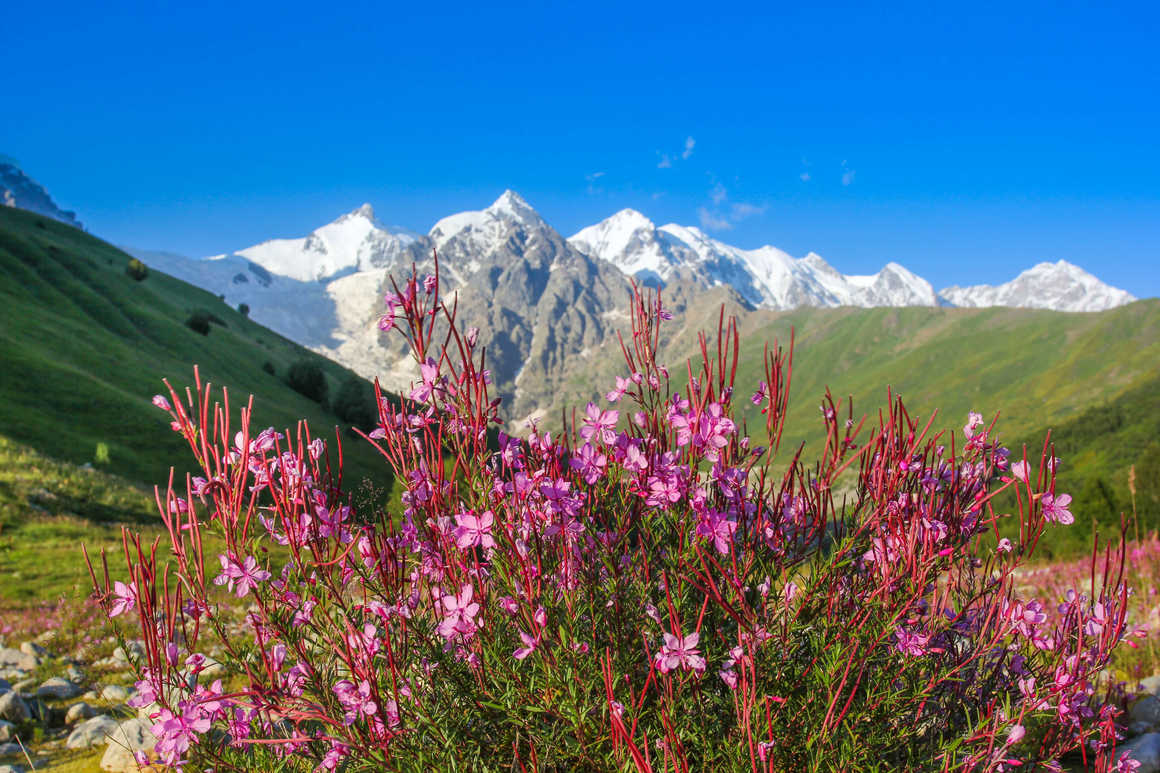
Nestled in northwestern Georgia along the southern slopes of the Greater Caucasus Mountains, Svaneti has some of the most beautiful landscapes in all of Georgia. The region boasts picturesque stone villages, lush green valleys, waterfalls, and snow-covered mountains around every turn.
The Svaneti Region offers a huge variety of trails, from gentle routes to more demanding hikes, all set within some of the most striking scenery in Georgia.
The highest peaks include:
- Mt. Shkhara (5,193m)
- Mt. Ushba (4,170m)
- Mt. Laila (4,008m)
- Mt. Tetnuldi (4,858m)
- Mt. Banguriani (3,838m)
- Mt. Ahalgazrdoba (3,702m)
These summits are typically only conquered by experienced mountaineers, giving a sense of just how wild and dramatic this landscape really is.
But you don’t need to be an experienced climber to see Svaneti at its best.
This region is just as rewarding for trekkers who want to soak up the scenery without technical climbing. Think remote valleys, quiet trails, and traditional villages where life hasn’t changed much in generations.
One of the main advantages of trekking in the Svaneti Region is that you can do “guesthouse trekking”. Villages are close enough together that you can trek for up to 10 days without pitching a tent. This makes Svaneti perfect for those who want comfort alongside adventure.
Despite its growing popularity, trails rarely feel crowded, giving you a genuine taste of Georgia’s natural beauty.
Recommended reading: Here are some of the best huts and cabins in the Georgia mountains.
Kazbegi
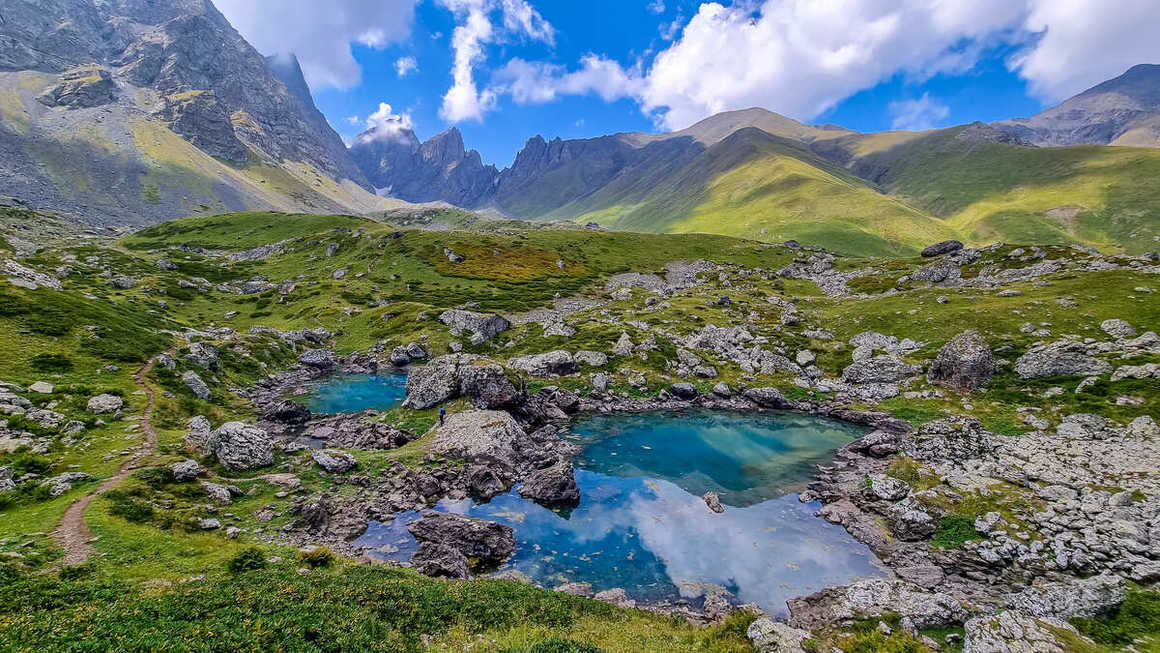
At just under a four-hour drive from the capital of Georgia, Tbilisi (pronounced “tuh-buh-lee-see”), Kazbegi lies at the foot of Mount Kazbek (5,033m). The town itself is officially called Stepantsminda, though most people still use “Kazbegi” (the name given by the Soviets in 1925).
The area offers a stunning mix of well-marked trails, fresh mountain air, and jaw-dropping views, all easily accessible from the capital. Plus, you get to travel along the famous Georgian Military Highway, bridging the most scenic, high altitude stretch of the road.
Whether you’re after a short day hike or a multi-day trek, this region is ideal for a side trip from Tbilisi.
Borjomi-Kharagauli National Park
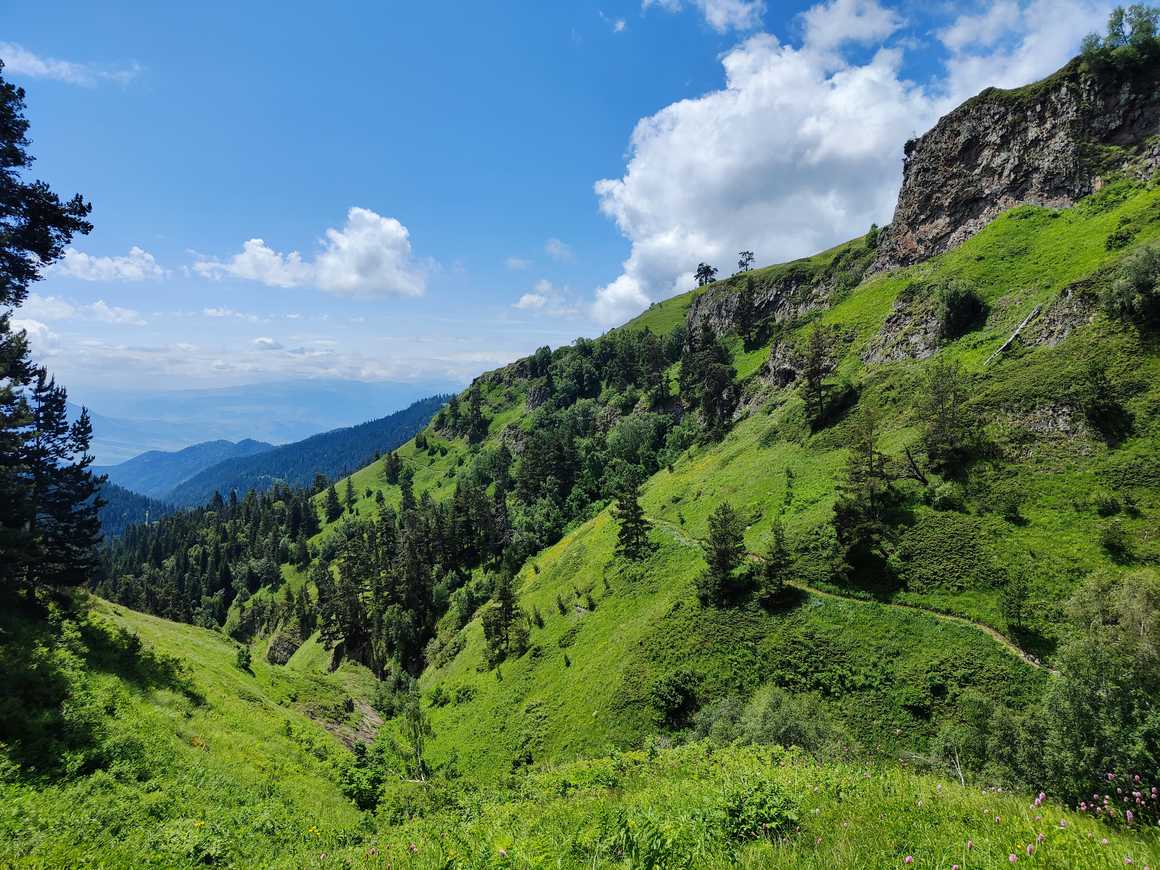
Borjomi-Kharagauli National Park is one of the largest national parks in Georgia. Spread across the Lesser Caucasus Mountains, the park spans three regions (Imereti, Samtskhe-Javakheti, and Shida Kartli) and covers a massive 105,000 hectares.
The park offers 12 marked trails, from gentle 3km loops to challenging 54km multi-day treks. Most trailheads are within 30km of Borjomi town (in the south of Georgia in the Samtskhe-Javakheti region), making them relatively easy to access.
Beyond hiking, you can also enjoy horse riding, cycling, snowshoeing (depending on the time of year), and cultural tours. It’s a perfect destination for combining adventure with exploration of Georgia’s rich history.
Fun fact: Borjomi-Kharagauli National Park plays a vital role in protecting Georgia’s unique plant life, along with several threatened animal species. In its untouched core wilderness, ancient forests provide a refuge for wildlife, including bears, lynx, wolves, red deer, and chamois.
Many migrating birds pass through Georgia, alongside its resident species like golden eagles and griffon vultures, while more than 100 species of butterfly bring bursts of colour to the landscape.
3 of the best treks in Georgia
Whether you’re after stunning alpine meadows, remote villages, or jaw-dropping mountain views, Georgia has it all. In this section, you'll find three of the most unforgettable treks that show off the very best of Georgia’s landscapes.
1. Transcaucasian Trail
Distance: ~3,000km (full trail)
Duration: Varies (typically 2–8 weeks for section hikes, or 3+ months end-to-end)
In recent years, a passionate group of locals has been working to bring an ambitious vision to life: a trail that lets you experience the very best of trekking in the Georgia Caucasus Mountains, while uncovering hidden corners and local culture along the way.
The result is the Transcaucasian Trail.
Stretching over 3,000km, it winds through Armenia, Georgia, and Azerbaijan, offering a rare chance to explore both the natural beauty and cultural diversity of the region.
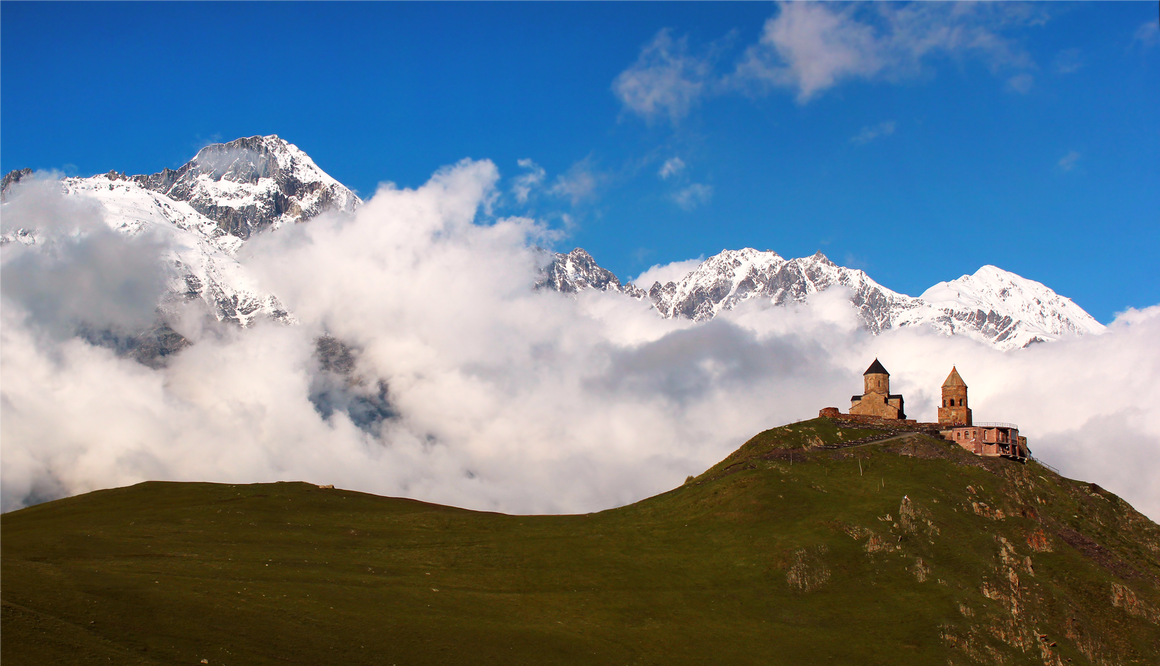
This is the kind of trek that keeps things interesting from start to finish. Move through dense forests, cross alpine meadows, tackle rugged mountain passes, and pass shimmering glacial lakes, all set against the backdrop of the snow-capped Caucasus. It’s easily one of the most rewarding hiking experiences in Georgia.
Kandoo Adventures’ 14-day Transcaucasian Trail itinerary showcases some of the route’s most memorable highlights. Starting in Armenia, you follow scenic paths through remote villages and the sweeping landscapes of Dilijan National Park. From there, you cross into Georgia, stop in Tbilisi to visit its famous sulphur baths, and then head deeper into the mountains to explore the dramatic terrain of the Kazbegi region.
2. Mestia to Ushguli Trek (Svaneti)
Distance: ~55–70km (depending on route variations)
Duration: 4–6 days
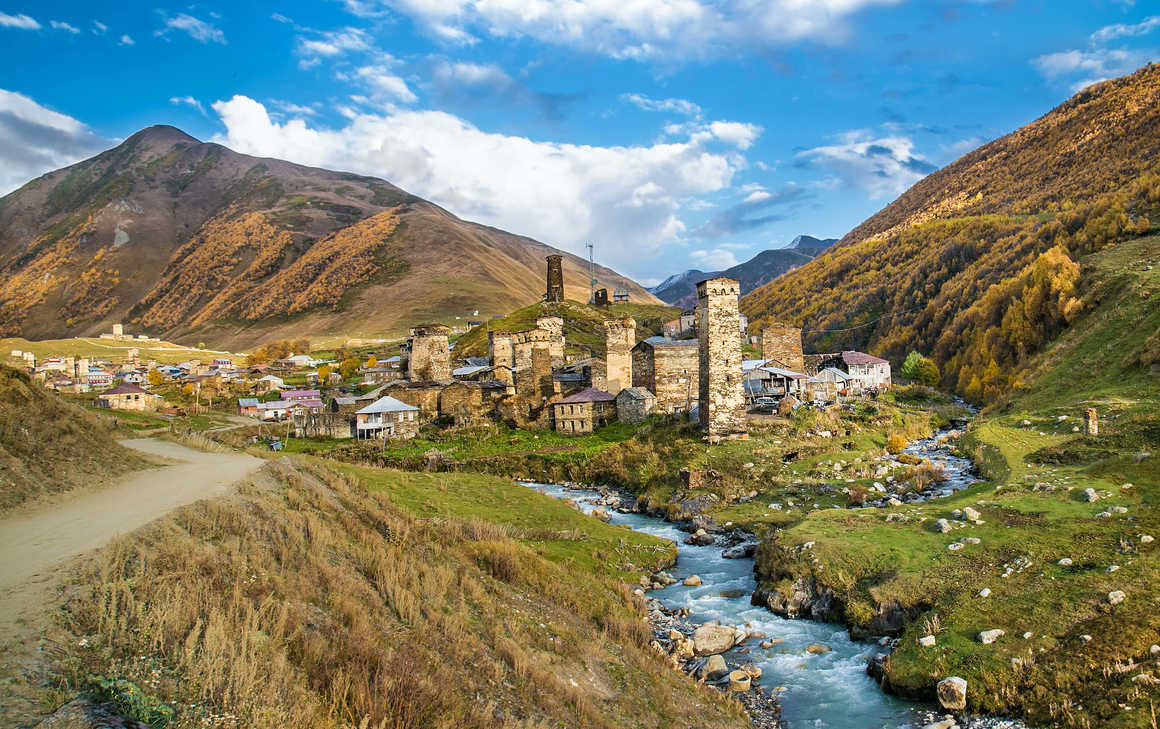
The Mestia to Ushguli trek is one of the most iconic multi-day hikes in Georgia, and for good reason. This route takes you right through the heart of Svaneti, linking remote mountain villages with some of the most dramatic scenery in the Caucasus.
Along the way, you’ll pass beneath some of the region’s most famous peaks, including:
- Mt. Shkhara (5,193m)
- Mt. Ushba (4,170m)
- Mt. Tetnuldi (4,858m)
This route is accessible for most hikers with a good level of fitness, making it one of the best ways to experience Svaneti without venturing into full mountaineering territory. Expect a mix of forest trails, open valleys, and panoramic mountain views, with each day ending in a traditional Svan village.
A key highlight is reaching Ushguli, one of the highest continuously inhabited settlements in Europe! In Ushguli, centuries-old stone towers, dramatic alpine scenery, and a remote mountain culture come together in an unforgettable setting.
Kandoo Adventures’ Trek the Svaneti Region trip is a great option if you’re looking for something immersive but manageable. Over 8 days, you explore the remote landscapes of Upper Svaneti, walk beneath the towering Caucasus peaks, and pass through alpine villages known for their distinctive stone towers and rich local culture.
3. Mount Kazbek
Distance: ~20–25km (round trip)
Duration: ~5–10 days (including acclimatisation time)
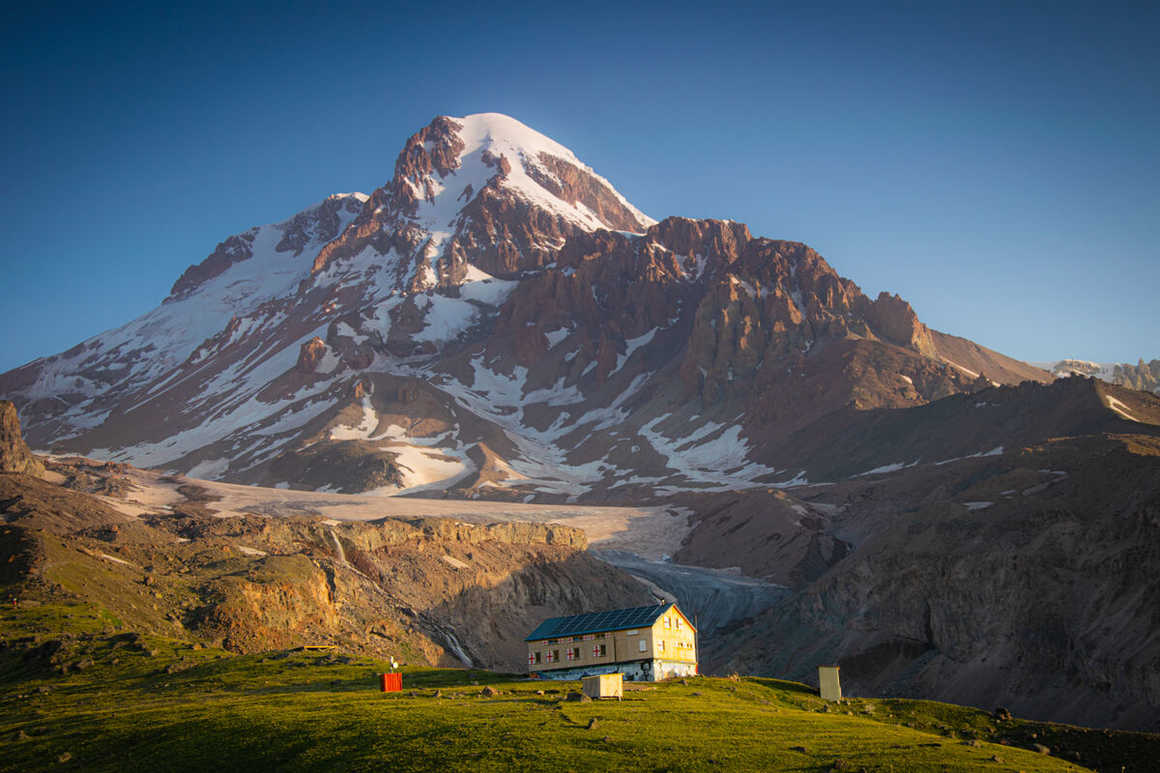
Climbing Mount Kazbek is one of those bucket-list adventures. Rising to 5,054m, this striking peak dominates the Kazbegi region on the border between Georgia and Russia. It’s often affectionately called “The Bride” by locals, thanks to the way it’s frequently hidden behind a veil of clouds.
For many, Kazbek is the perfect introduction to high-altitude adventures. Our Climb Mount Kazbek trip is designed for those ready to take that next step, especially if you’re aiming for your first 5,000m peak.
You trek through alpine meadows as the snow-covered summit gradually comes into view, building anticipation with every step. Summit day is a steep and demanding push, but standing at the top makes every bit of effort worth it.
Mount Kazbeck is one of the most climbed peaks in the Caucasus, but that doesn’t mean it’s easy. Reaching the summit is still a rewarding challenge.
FAQs about Georgia hiking
Do I need a guide to hike in Georgia?
No, you don’t need a guide to hike in Georgia. Many of Georgia’s popular trails are well-marked and can be done independently if you’re confident navigating the route and have some hiking experience.
That said, a guide is highly recommended for more remote or technical routes, like Mount Kazbek or Chaukhi Pass. Not only do they help keep you safe, but they also add a lot to the experience with local knowledge, stories, and insight you’d otherwise miss.
Find out more about the perks of booking a guided trip.
Is winter trekking possible in Georgia?
It can be, but the options are a bit more limited. Most high-altitude trails are covered in heavy snow from November through March, and access roads are often blocked. Some lower-altitude national parks may still be accessible, but conditions can change quickly.
If you’re set on a winter trip, it’s best to plan carefully, check conditions in advance, and consider going with a guide.
Do you need permits for hiking in Georgia?
You don’t need permits to hike in Georgia, which is part of what makes it such an easy and accessible destination for trekkers.
However, there are a few exceptions. Some national parks require you to register your route in advance, especially for multi-day hikes where you’ll be staying in accommodation or campsites. If you’re trekking near border areas or doing more remote routes, you may also need special permission.
It’s always a good idea to check local requirements (the TCT website has some useful information) before you go, or work with a guide or tour operator who can handle the logistics for you (like us!).
How do you get to Georgia?
The easiest way to reach Georgia is to fly into Tbilisi, the country’s capital. There are direct flights from many major European cities, or you can connect via hubs like Istanbul or Doha.
Once you arrive, getting around is relatively straightforward. Here are a few popular options:
- Marshrutkas (minibuses) are the most common and affordable way to travel between cities, towns, and villages. They run from major stations in Tbilisi (like Didube and Station Square) and usually leave once full rather than on a strict schedule. They’re reliable, but it’s best to arrive early to secure a seat. Cash is required, and drivers are generally very helpful if you’re unsure where to go.
- Shared taxis are faster and cost more than marshrutkas but are still relatively affordable. Like minibuses, they typically leave once full, so you may need to wait.
- Ride-hailing apps like Bolt or Maxim are the easiest way to get around cities or travel from the airport. They’re inexpensive, convenient, and can be paid by card or cash.
- Public buses are available in cities like Tbilisi and offer a cheap way to get around, including routes from the airport into the city centre.
- Private transfers are a faster and more comfortable option, especially if you’re heading to more remote hiking areas like Svaneti or Kazbegi.
If you book a guided trekking trip with Kandoo, you don’t have to worry about your transfers. We handle it for you, which takes a lot of the stress out of planning, especially in a new country where transport isn’t as easy to navigate!
Are there other hiking routes in Georgia?
Yes, there are hundreds of hiking routes in Georgia. Here are some of the main routes:
- The National Park Information Trail in Borjomi‑Kharagauli National Park is 3km and takes about 90 minutes in total. Starting from the park’s administration building, you see beautiful views over the Borjomi spa-resort. After a 600m hard ascent, the trail straightens and circles back to the starting point.
- The Footprint Trail (Borjomi‑Kharagauli National Park) is 13km and takes approximately 6 hours. This popular hike in Georgia starts in the Likani River valley where you will witness panoramic views as well as the Mariamtsminda Church, ending in the Kvabiskhevi valley.
- The St. Andrew Trail in Borjomi‑Kharagauli National Park is a difficult 54km route that can take up to four days to complete. The trail goes along a river valley followed by a narrow path up to mountain slopes with beautiful views of the Lesser Caucasus. Then, it heads up to the peak of Sametskhvareo Mountain (2,642m) and down through Mountain Iron Cross before following the river valley back to the starting point.
- Chaukhi Pass is a popular trail connecting Juta village in the Kazbegi region with the Khevsureti region in northern Georgia. The route is approximately 17.5km, weaving through alpine meadows and the sharp peaks of the Greater Caucasus mountains. Starting in Juta, you should be able to complete the route in 8–9 hours, but the hike is most enjoyable over 2 days with a night camping at Abudelauri Lakes.
What is the climate like in Georgia?
Although a small country, the weather in Georgia is surprisingly varied.
Eastern Georgia has a Mediterranean-like climate, while the west and Black Sea coast enjoy subtropical conditions. Mountain regions also have their own microclimates, and weather can shift quickly. Gusty winds, rainstorms, and snow spells can drop temperatures dramatically within a day.
Discover Georgia hiking with Kandoo Adventures
Georgia is a hiker’s paradise, full of towering peaks, alpine meadows, and trails that suit every level. The best way to truly experience it all? Go with a guided adventure.
With Kandoo Adventures, our local guides bring the mountains and culture to life, handle the tricky logistics, and make sure you’re safe every step of the way. Instead of worrying about transport or trail conditions, you’ll enjoy comfortable accommodation, full-board meals while trekking, and the freedom to focus on the journey.