







Learn key travel safety tips for Peru so they can explore with confidence
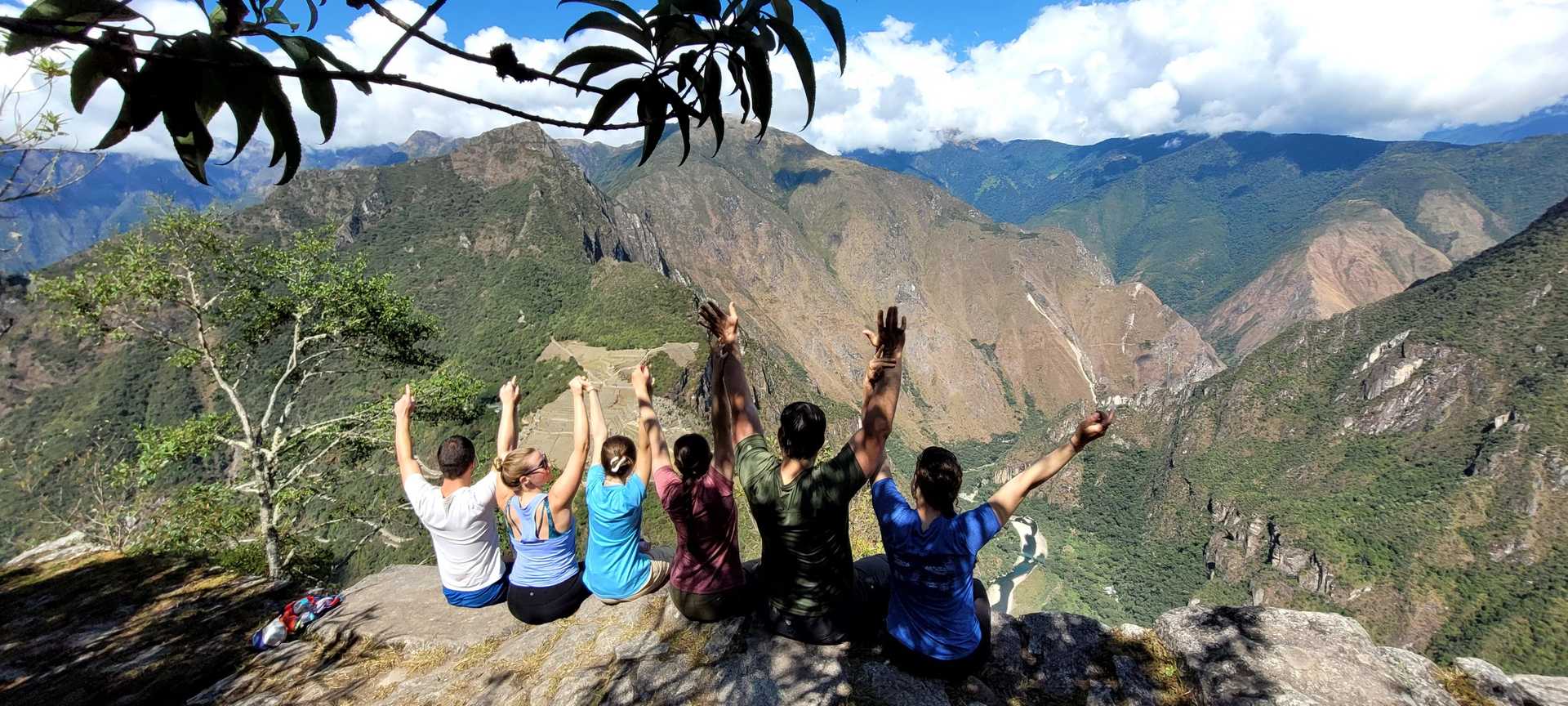
Peru is one of the world’s most magical travel destinations. From the breathtaking peaks of the Andes to the mysterious ruins of Machu Picchu, and the vibrant streets of Lima to the wild Amazon, there’s so much to see and do.
But when you’re planning a trip, it’s sensible to ask, “Is Peru safe to visit?” or “Is Peru safe to travel to?”
The good news is that the answer is yes – with the right preparation and knowledge, Peru is safe for travellers.
Here’s what you need to know before venturing to this beautiful country.
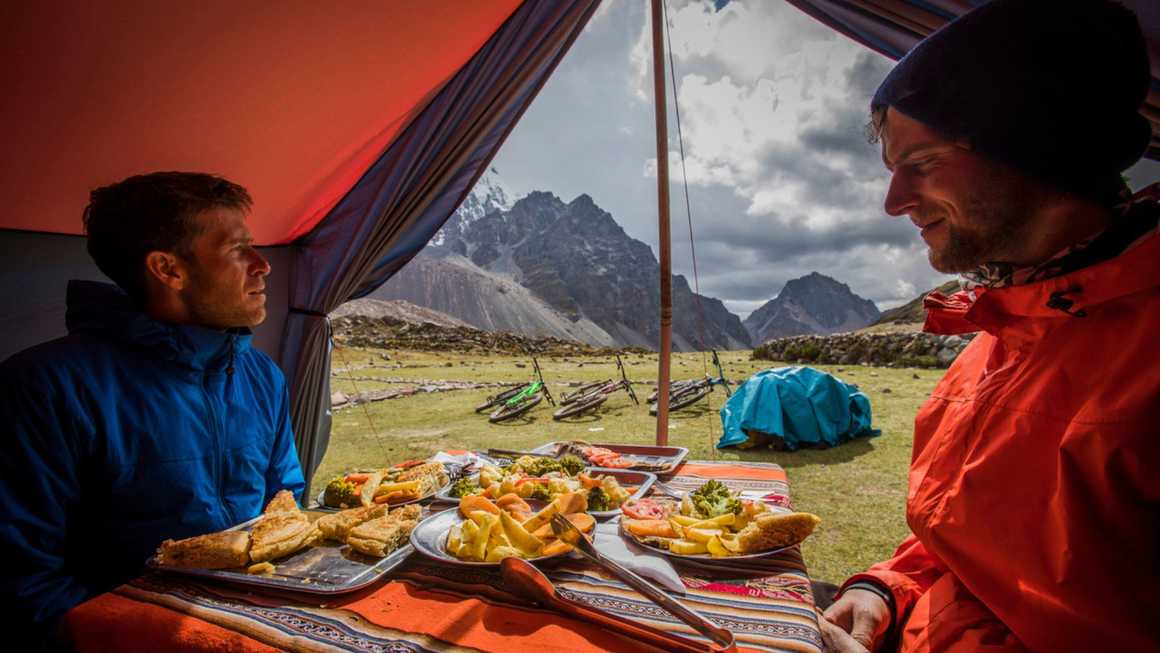
A checklist for travel safety in Peru
Before you travel:
- Check official travel advice. Look at the UK Foreign Office, US State Department or local government travel advisories to stay updated on Peru safety. Check local news on Peru, weather updates and road conditions to avoid disruptions.
- Book with trusted operators. For trekking, jungle tours or high-altitude adventures, choose licensed companies like Kandoo Adventures. Guides know the terrain, wildlife behaviour and safest routes.
- Photocopy travel documents. Make copies of your passport, visa, travel insurance and important contacts. Keep one set separate from originals, store digital copies securely and share copies with someone you trust.
- Travel insurance. Make sure your policy covers trekking, jungle adventures, altitude sickness and emergency evacuation in case of an emergency.
- Health preparations. Consult your GP or travel health specialist at least eight weeks before your trip. Vaccines commonly recommended include yellow fever, hepatitis A and B, typhoid and tetanus.
- Medication and essentials. Check what medications are allowed in Peru and pack any prescriptions in original packaging. Bring basic first aid, insect repellent, sunscreen and altitude sickness remedies if trekking in the Andes.
- Plan for altitude. Destinations like Cusco, Puno and Colca Canyon are high up. Schedule rest days, stay hydrated and ascend gradually to reduce the risk of altitude sickness.
During your trip:
- Keep up to date with local events. Peru has experienced protests in recent months, mostly in Lima. Avoid large gatherings and follow guidance from local authorities.
- Follow local customs and laws. Dress modestly in rural areas and religious sites, be polite with locals, avoid public displays of affection outside cities and respect local rules.
- Protect your health. Drink bottled or purified water, eat food from reputable vendors and use hand sanitiser. Be aware of mosquito-borne illnesses and use repellent when needed.
- Travel safely in cities. Keep valuables secure, avoid showing expensive electronics, use ATMs inside banks and remain vigilant in busy markets or tourist sites.
- Choose reliable transport. Use official taxis, ride-hailing apps or reputable bus companies like Cruz del Sur. Avoid unregulated minibuses or overcrowded transport.
- Stay safe in the wild. Follow guide instructions, keep a safe distance from wildlife and pace yourself at high altitudes.

What’s the official safety advice for travelling to Peru?
So, is it safe to travel to Peru right now?
Peru is generally a safe and welcoming country for travellers. Millions visit popular destinations like Cusco, the Sacred Valley, Machu Picchu, Arequipa, and Lima’s tourist districts every year.
The UK Foreign Office and other government travel advisories say you should exercise caution in certain parts of Peru. They specifically advise against all but essential travel to certain remote areas near the Peru–Colombia border and the Valley of the Apurímac, Ene and Mantaro Rivers (VRAEM).*
That sounds serious, but the key thing to know is that most popular tourist routes and cities fall outside these warnings.
Areas like Cusco, the Sacred Valley, Machu Picchu and Lima’s well‑known districts remain open to travellers.
Social media discussions from recent visitors also reflect this mix. Many travellers report feeling safe in cities like Cusco and Lima’s tourist districts. Flick through this Reddit discussion or this thread about Peru to see for yourself!
*Information correct at the time of publishing, but is subject to change. Travellers should always check the latest official advice from government sources before planning their trip and stay updated while in Peru.
What’s the current political situation in Peru?
Peru has experienced occasional political demonstrations, particularly in Lima and other major urban centres. These protests are usually peaceful expressions of public concern about issues such as:
- Corruption
- Economic conditions
- Government policies
- Social reforms
Peru has seen frequent changes in government leadership in recent years, which has contributed to periods of political tension and public demonstrations.
Most protests don’t directly affect tourists or popular travel routes. However, they can sometimes lead to temporary disruptions such as blocked roads, slowed public transport or limited services in neighbourhoods where demonstrations are taking place.
If you’re travelling in areas where protests may occur, here are some simple ways to stay safe and comfortable:
- Avoid large gatherings or demonstrations. Even peaceful events can disrupt roads or public transport.
- Stay informed through local news or your guide. Conditions can change quickly, and your guide will help you navigate any impact.
- Follow guidance from local authorities or your adventure leader. They know the safest routes and best decisions for your trip.
- Build flexibility into your itinerary. Allowing a little extra time helps in case of minor delays or changes.
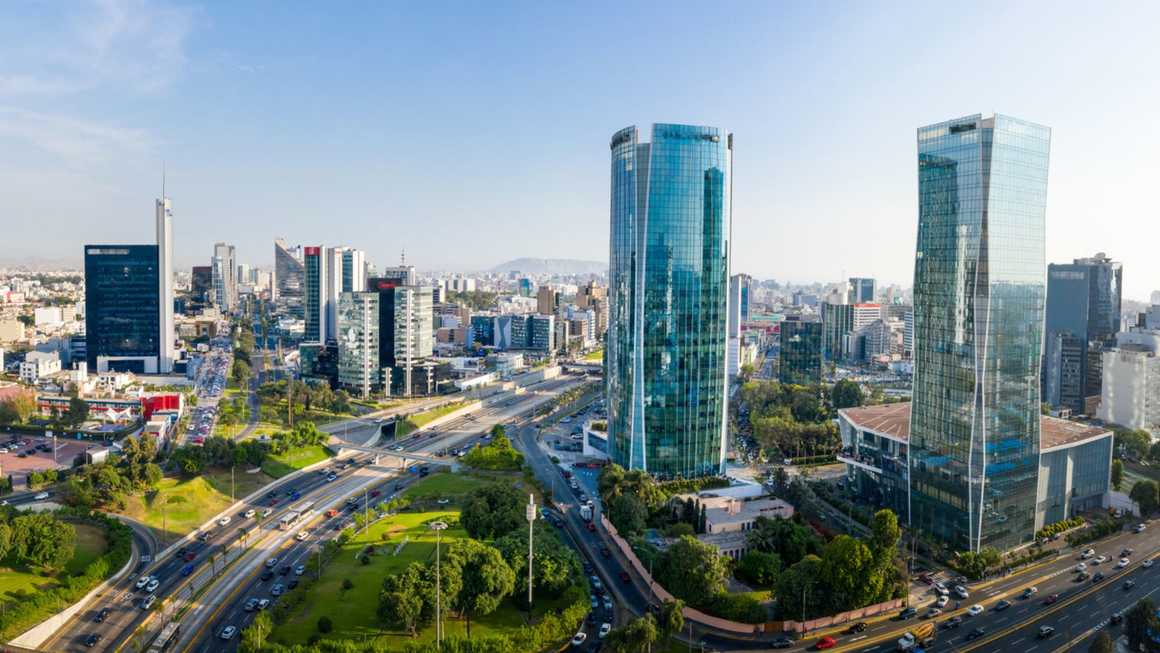
Health and hygiene in Peru
Looking after your health when travelling in Peru is essential to making your trip safe and enjoyable. The UK Foreign Office highlights a few key healthcare considerations for before and during your visit, which include the following:
Medical preparation
Before you travel, check that your destination can provide the healthcare you may need and that your travel insurance covers local treatment or medical evacuation. This is especially important if you have an existing health condition or are pregnant.
In an emergency, dial 106 for an ambulance in Peru.
Vaccinations and health risks
At least eight weeks before your trip, check the latest vaccine recommendations for Peru with a travel health specialist or your GP. Health authorities recommend considering vaccines for yellow fever, hepatitis A and B, typhoid and tetanus. In some areas, yellow fever may be advised or required depending on your itinerary.
Peru also experiences mosquito‑borne illnesses such as dengue, so preventing insect bites with repellent and long clothing is important. Other risks include malaria and the Zika virus in some regions.
Altitude sickness
High elevations in destinations like Cusco, Puno, the Colca Canyon and Kuelap bring a real risk of altitude sickness.
Plan your itinerary to allow time to acclimatise and stay well hydrated as you adjust. This will help reduce symptoms such as headache, nausea and fatigue.
Food and water hygiene
Diarrhoea from contaminated food or water is common in Peru and can be serious. Drinking bottled or purified water and using good hand hygiene can significantly reduce this risk.
Side note: Peru is home to some delicious cuisine, so make sure to try some of the local delicacies and classic dishes on your trip! Read our guide to Peruvian food and drink to see what’s out there.
Medication and healthcare access
Some medications you use in the UK or US may be regulated differently in Peru, so check what you can legally bring and how to store it safely.
Medical treatment outside major cities can also be harder to access. For example, only basic medical services are available at Machu Picchu. And on top of this, private care can be expensive.
Make sure you have suitable travel insurance in place to cover any illness or injury that requires medical attention while in the country.
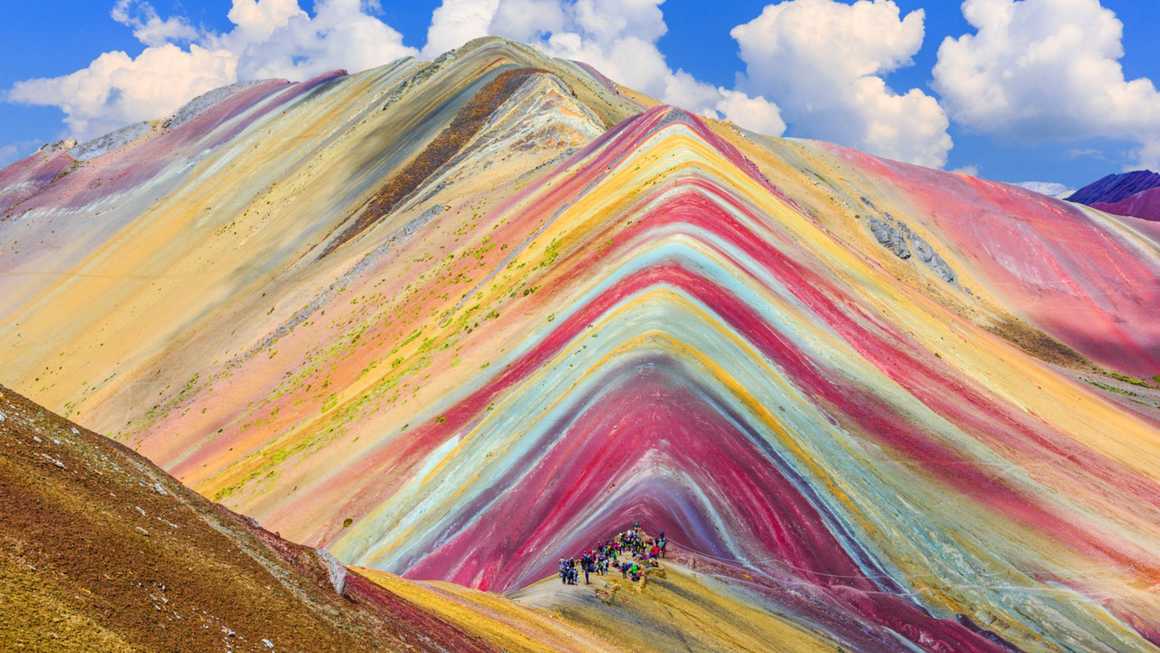
How safe is Peru for tourists in more remote areas?
Peru’s natural landscapes are some of the most breathtaking in the world, but adventure comes with responsibility.
Think about encountering Peruvian wildlife as an example. This experience is undoubtedly an adventure highlight, but it’s important to respect these animals and their habitats to stay safe and protect the environment.
Here are some tips for safe adventure travel in Peru’s natural landscapes:
- Travel with an experienced guide. They know the terrain, weather patterns and local wildlife behaviour, and can help prevent accidents or injuries. Booking a Kandoo Adventure ensures expert guidance every step of the way.
- Follow local rules and signage. Stay on marked trails, observe altitude and weather warnings and adhere to park regulations.
- Keep your distance from wildlife. Animals (like llamas, condors and other Amazonian species) are generally harmless, but unpredictable behaviour can occur. Not to mention, Peru is also home to apex predators like jaguars. Never feed or approach wild animals on your trip.
- Check equipment and clothing. Wear sturdy and appropriate footwear, carry rainproof gear and ensure backpacks and hiking equipment are secure.
- Be aware of altitude and exertion levels. Take regular breaks, pace yourself and monitor your health while trekking in high-altitude areas.
With preparation and a knowledgeable guide, you can explore Peru’s wild spaces safely and confidently, making the most of every once-in-a-lifetime adventure.
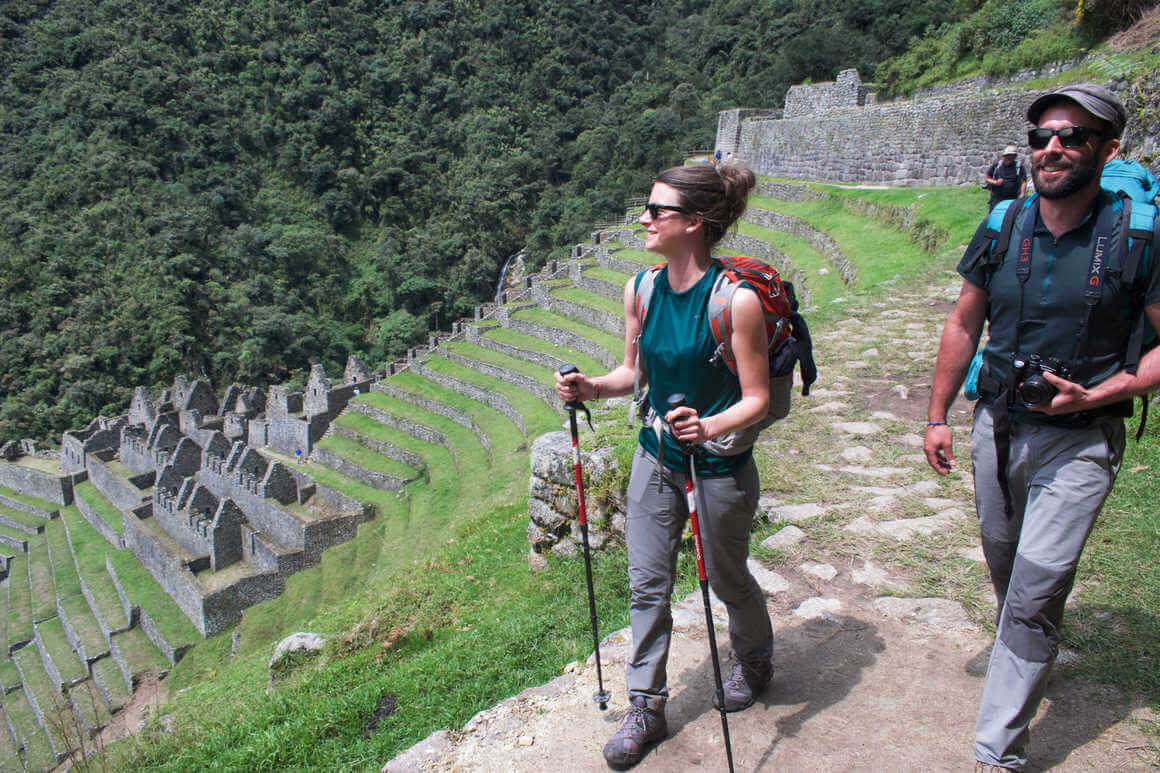
How to travel in Peru safely
Getting around Peru is part of the adventure. With a few simple precautions, you can explore confidently and enjoy everything this incredible country has to offer.
1. Be aware of crime
Petty theft and pickpocketing can occur in crowded areas, particularly in cities like Lima, Cusco and Arequipa. A little awareness goes a long way and shouldn’t stop you from exploring.
To stay safe:
- Keep your valuables secure in money belts or lockable bags.
- Avoid showing expensive electronics or jewellery in public.
- Use ATMs inside banks and withdraw cash discreetly.
- Stay alert in busy markets, transport hubs and tourist sites.
2. Choose reliable transport
Public transport in Peru varies in safety and reliability. Arriving at the airport is generally very safe, especially if you use an official taxi or authorised transfer booked from inside the terminal.
In major cities, taxis and ride-hailing apps (like Uber or Beat) are generally safe when used correctly.
Bus travel can be a good way to reach many destinations, but for long distances or overnight trips:
- Opt for licensed, reputable bus companies with good reviews (like Cruz del Sur).
- Avoid overcrowded or unregulated minibuses (“colectivos”) as they can be less predictable.
- Travel with experienced guides or tour operators for mountain or jungle treks (like Kandoo).
3. Follow local customs
Respecting Peruvian culture not only keeps you safe but also helps you enjoy your trip more fully. Locals appreciate travellers who take the time to understand their traditions and show courtesy:
- Dress appropriately. In rural areas, small towns and religious sites, modest clothing is expected. Covering shoulders and knees shows respect, especially when visiting churches, temples or Andean villages. In cities, you can be more relaxed.
- Be mindful of public displays of affection. While holding hands or small gestures are generally fine in tourist areas, kissing or intimate behaviour in public can attract unwanted attention outside cities.
- Try to be polite. A friendly smile and simple words like “gracias” (thank you) or “buenos días” (good morning) can open doors, make interactions smoother and help locals see you as a respectful guest.
4. Stay informed
Road conditions, weather and local events can affect your travel plans, so it’s good to be aware of what’s happening in the country during your trip.
Be sure to check:
- Local news (like The Peruvian Times, BBC or The Independent) for updates on roads, demonstrations or disruptions.
- Guidance from your accommodation or tour operator.
- Travel advisories from the UK Foreign Office, the U.S. Department of State or other official sources.
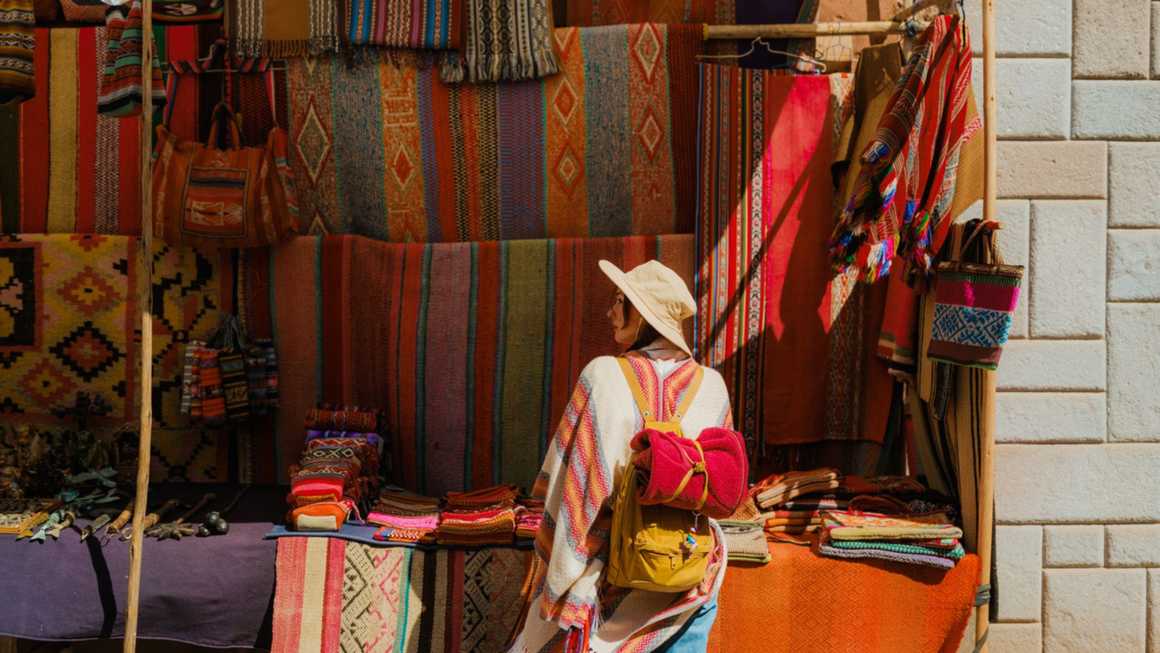
Is Peru safe for solo female travellers?
Yes, Peru is generally safe for solo female travellers – especially in popular areas like Cusco, Lima’s Miraflores and Barranco, and the Sacred Valley.
Many women travel alone without issues. That said, petty crime, catcalling, and scams can happen, particularly in big cities. Stay alert, avoid quiet streets at night, use registered taxis or ride-hailing apps, and keep valuables discreet.
With basic precautions, Peru offers rich culture, stunning landscapes, and a welcoming travel experience for solo women.
Have a safe adventure in Peru with Kandoo
Peru is a safe and welcoming place to visit if you travel with a bit of common sense and preparation. Stay informed, respect local customs and stick to reliable transport, and you’ll explore the country with confidence and ease.
For added peace of mind, travelling on a guided trip makes a real difference. Experienced guides manage logistics, monitor safety, navigate changing conditions and help you make the most of every moment.
Ready to explore Peru safely and responsibly? Discover Peru with Kandoo Adventures and travel with expert guides who know the country inside out.