










How to make the most of the Peruvian culinary experience
There’s something magical about discovering new flavours while travelling. Every destination has dishes that surprise and delight, revealing a culture through its taste.
In Peru, the high-altitude landscapes are matched by an equally bold and vibrant culinary scene. From the bustling streets of Lima to remote Andean villages, the food is full of creativity, tradition, and unforgettable flavours.
Whether you’re trekking through the Andes or exploring the city, here’s a guide on where to eat, what to try, and how to experience the very best of Peru’s remarkable cuisine.
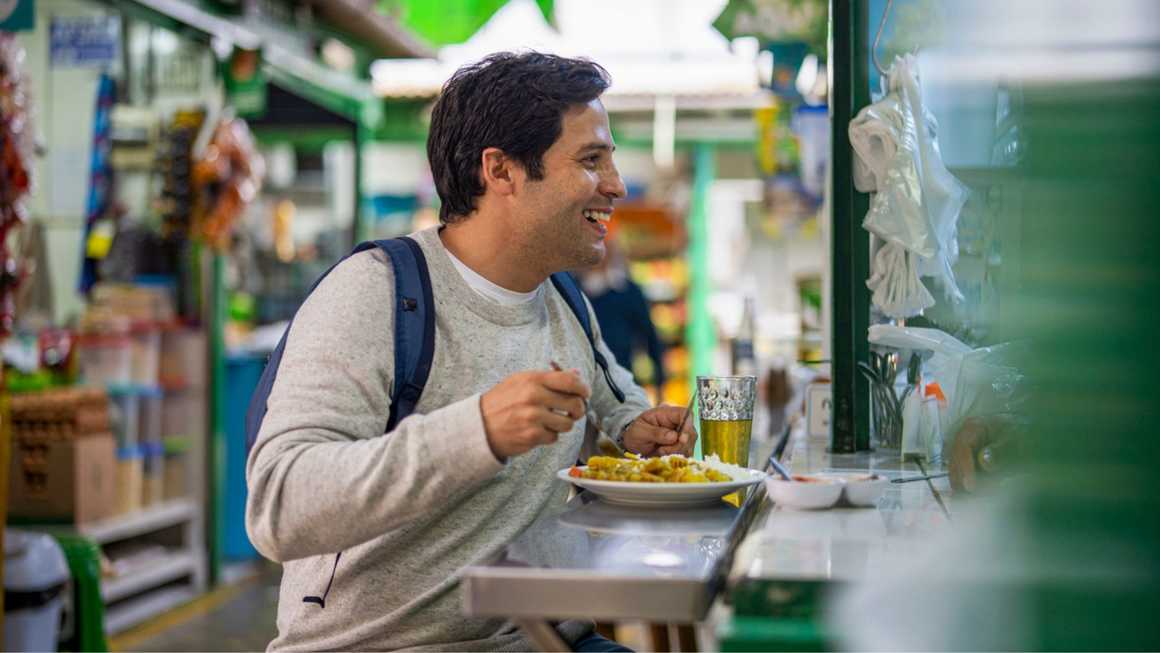
What is Peruvian food?
Peruvian food is one of the world’s great culinary mashups. A vibrant blend of ancient Andean traditions and global influences that have arrived over thousands of years.
At its core, Peru’s food takes humble ingredients (like potatoes, corn, and fresh coastal fish) and turns them into dishes bursting with colour and flavour. With more than 3000 varieties of potato, Peru has plenty of practice in the art of turning simple staples into something extraordinary.
Centuries of migration and cultural exchange have added even more excitement to the plate:
- Chinese techniques brought the smokiness of the wok
- European arrivals introduced new ingredients, like onions and garlic
- Indigenous flavours continued to thrive
Peruvian cooking is guided by two simple principles: keep it fresh and make it delicious. The result? Comforting stews, flame-kissed meats, and colourful sauces that could brighten even the greyest day.
With that in mind, here are some of the classic dishes the country is known for, perfect fuel for anyone trekking in Peru or simply eating their way through its incredible culinary landscape!
9 popular Peruvian food dishes
From fresh, tangy ceviches to rich, comforting stews, Peru has something to delight every palate. Here’s a look at nine common Peruvian foods that travellers shouldn’t miss – whether you’re hiking the Inca Trail or wandering Lima’s vibrant streets.
1. Cuy (guinea pig)
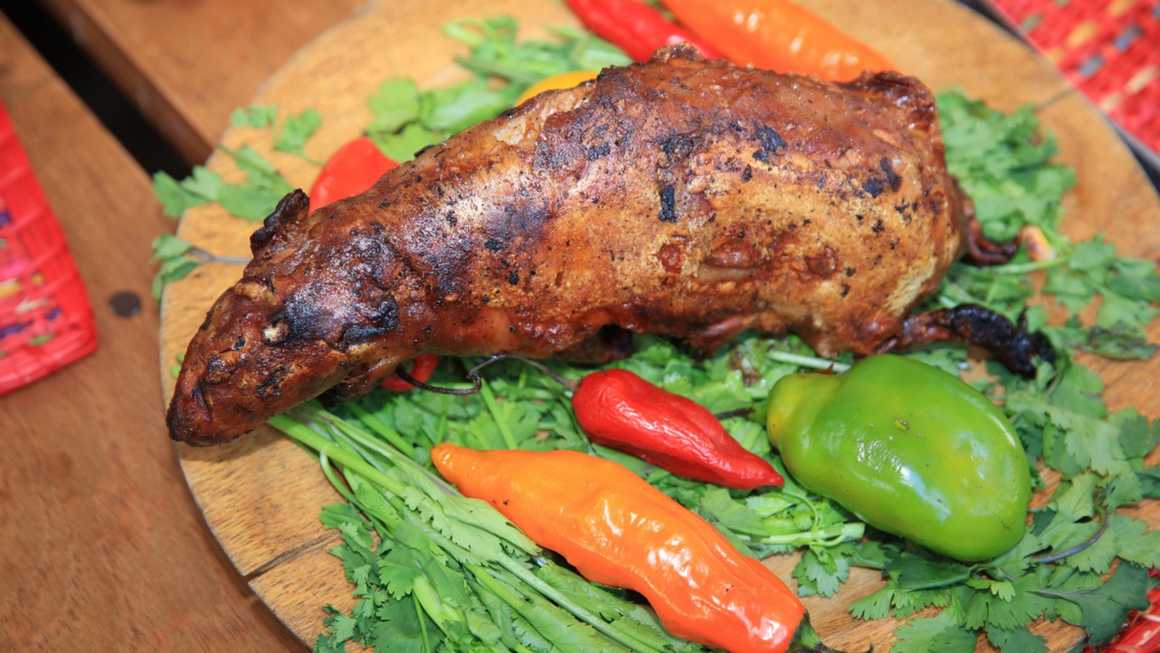
Yes, along with Bolivians and Ecuadorians. Peruvians eat guinea pigs. Cuy (pronounced “kwee”) is far from the pet version you might know. In Peru, it’s considered a delicacy and appears on menus from rustic eateries to high-end restaurants.
Typically, cuy is grilled whole on a spit or fried until the skin crisps slightly. The meat itself is lean, tender, and reportedly tastes similar to chicken (though a bit gamier). Protein-rich and low in fat, it’s a tiny bundle of flavour, perfect for a post-trek refuel.
Eating cuy is as much about embracing tradition and culture as it is about flavour. And let’s be honest, it’s not every day you can say you tried guinea pig.
Top tip: Resist the temptation to eat the skin. Even locals skip the “crackling.” Why? Because cuy is a small animal, the skin is thin and can easily burn or dry out during cooking. Traditional Peruvian preparation focuses on roasting or frying the meat carefully to retain moisture and flavour, leaving the skin behind as something of a culinary afterthought.
2. Papa a la huancaína (pronounced “wahn-kah-ee-nah”)
A creamy, comforting classic that’s all about the potato – Peru’s pride and joy!
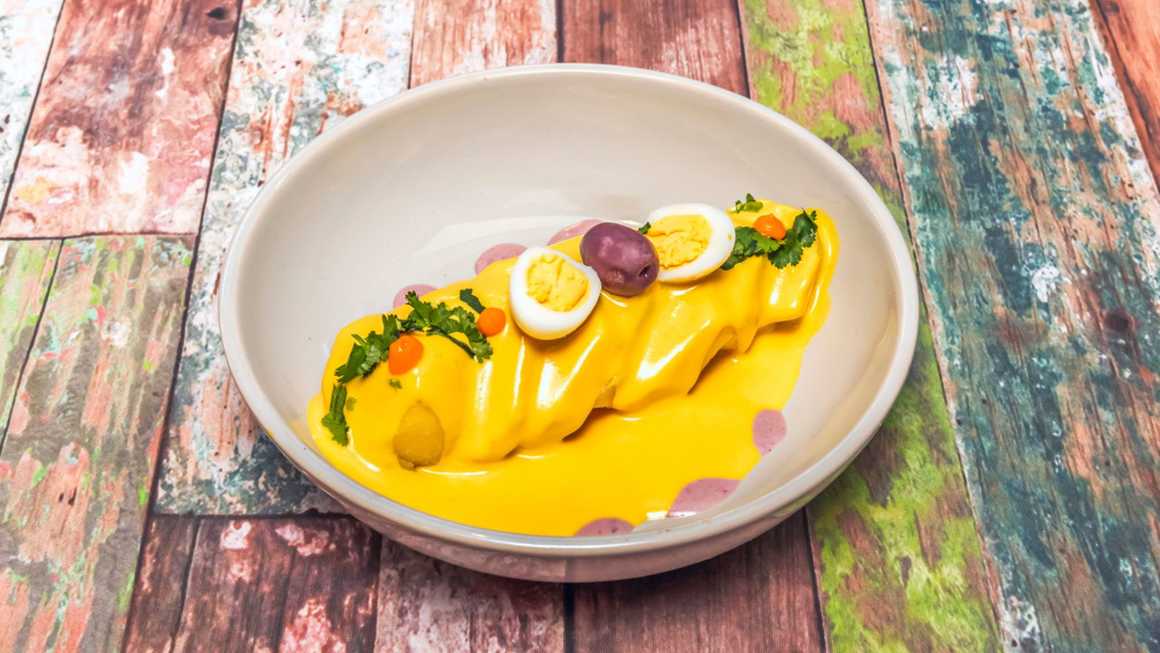
This dish features boiled yellow potatoes and hard-boiled eggs smothered in a rich, velvety cheese sauce that gets its zing from the bright, fruity Peruvian yellow chilli, ají amarillo.
Often served cold as an appetiser, Papa a la huancaína balances creaminess, spice, and a hint of tang, making it perfect for a refreshing snack after a long day of hiking or sightseeing.
Simple yet irresistible, it showcases the genius of Peruvian cooking: humble ingredients transformed into something extraordinary. Garnished with black olives and occasionally lettuce, it’s a dish that’s as visually appealing as it is delicious.
3. Pachamanca
Not only are the Incans responsible for one of the world’s most legendary settlements (Machu Picchu) and the fabulous trek that leads to it, but also for Pachamanca!
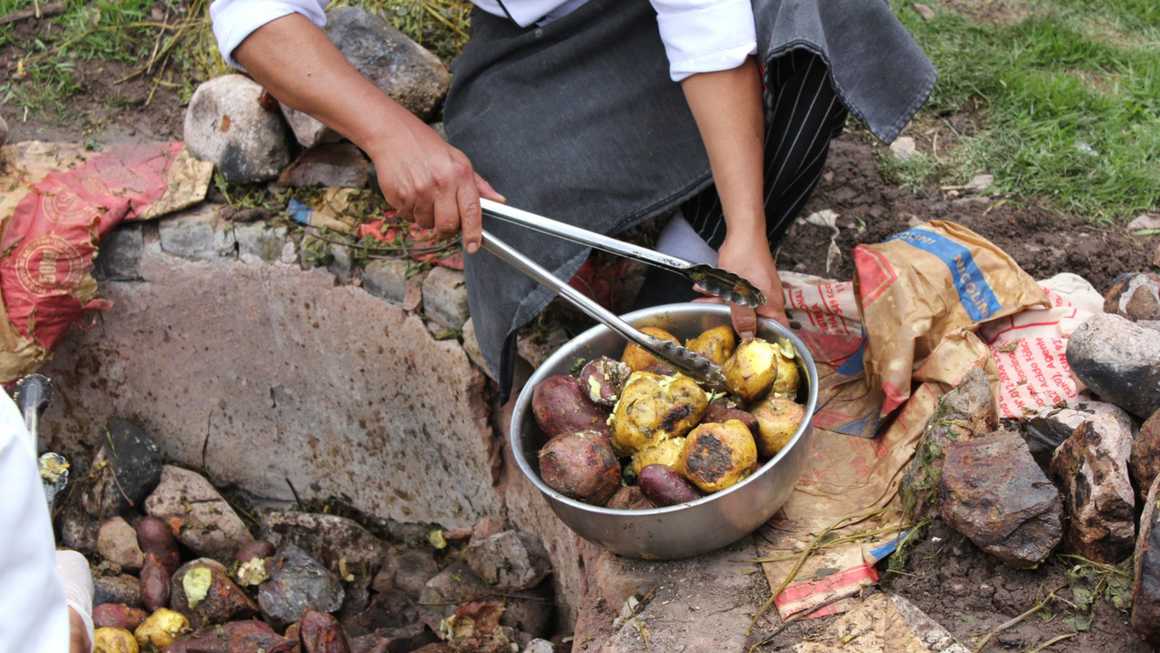
Pachamanca (literally “earth pot”) is a famous Peruvian food made to honour Pachamama, or Mother Earth. Ancient Incas cooked it by heating stones in a fire, layering them in a pit with meats (usually lamb, chicken, and pork) along with potatoes, vegetables, and herbs, covering everything with plantain leaves, and sealing it under earth. The slow-cooking process created a smoky, aromatic feast buried underground for hours.
Today, Pachamanca remains a celebratory dish, often enjoyed at festivals and family gatherings. Each bite is a connection to centuries of history, combining rustic flavours, tender meats, and earthy aromas.
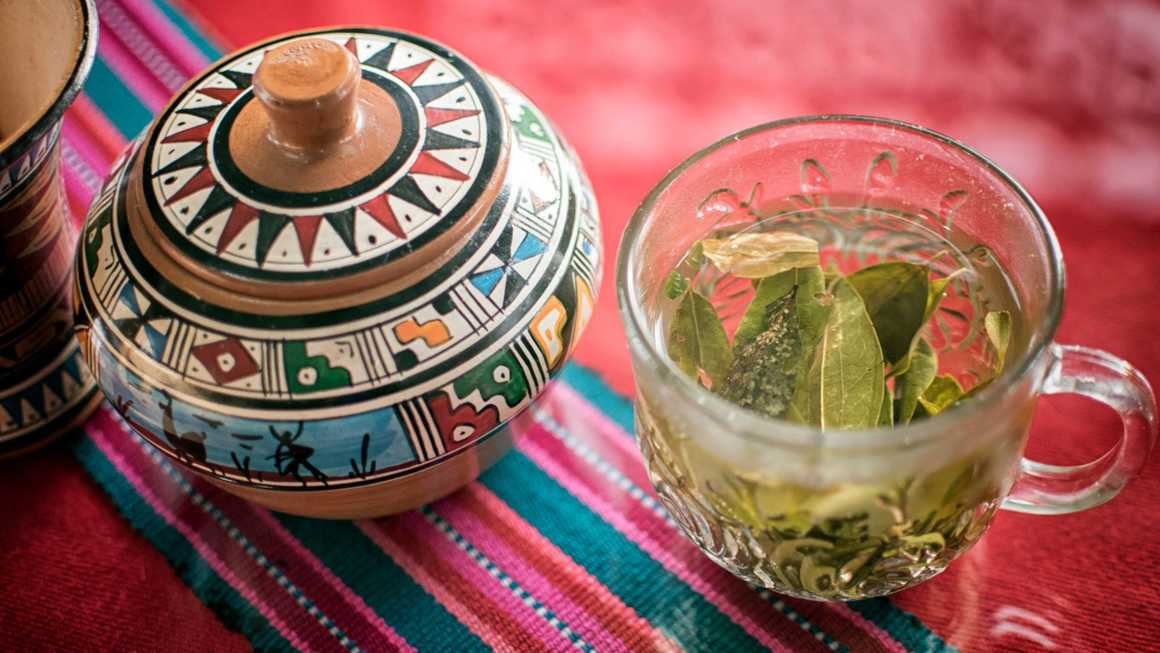
4. Mate de coca (coca tea)
Mate de coca (or coca tea) is brewed from the leaves of the Andean coca plant. Don’t worry – sipping it won’t make anyone high. The natural alkaloids are minimal. Instead, the tea is famous for its mild stimulant properties and traditional health benefits.
For travellers trekking at high altitudes, coca tea is practically essential. It’s believed to help combat altitude sickness, boost energy, and even ease minor aches. The flavour is herbal and slightly bitter, an acquired taste for some, but widely cherished in Peru. Coca leaves also come in candies, offering a sweeter alternative.
Remember: While legal in Peru, coca leaves and tea bags are banned in countries like the UK and the US, so leave your souvenirs behind.
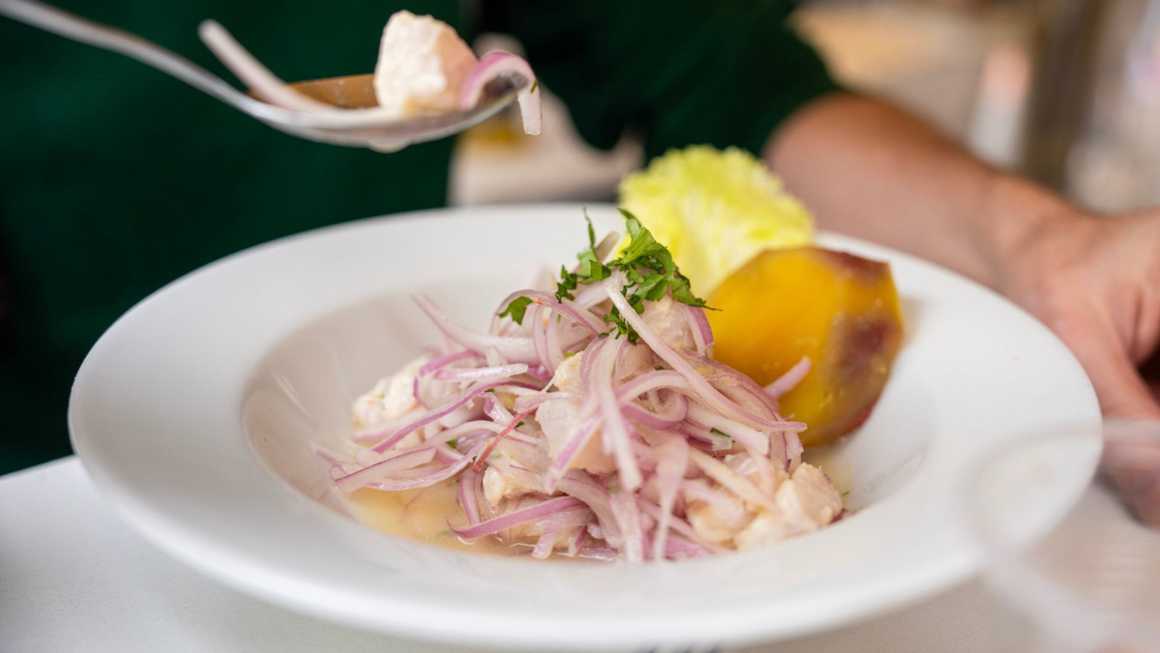
5. Ceviche
Ceviche, the iconic national food in Peru, is raw fish “cooked” in citrus juice and elevated with fresh ingredients.
Typically, firm white fish like sea bass or sole is marinated in lime juice, mixed with sliced red onions, chilli, and a sprinkle of salt. The acid from the citrus gives the fish a tender, just-cooked texture while preserving its delicate freshness.
Often accompanied by corn, sweet potatoes, or crisp lettuce, ceviche is bright, tangy, and packed with flavour. Best enjoyed in the morning or early afternoon, it’s a staple along Peru’s coast and a must-try for any culinary explorer.

6. Lomo saltado
Peru’s culinary love letter to stir-fries, Lomo Saltado fuses Chinese wok techniques with local ingredients.
Tender strips of beef are quickly seared with onions, tomatoes, and chillies, then tossed with soy sauce and vinegar for a smoky, tangy flavour. It’s typically served with white rice and crispy fried potatoes, making it a hearty, satisfying dish.
Lomo Saltado perfectly embodies Peru’s cultural mix – Spanish, Indigenous, and Chinese influences in one sizzling pan. The result is bold, comforting, and irresistible.
Whether enjoyed in a bustling Lima restaurant or at a high-altitude lodge along the Inca Trail, Lomo Saltado is the kind of dish that you’ll remember long after the plate is empty.
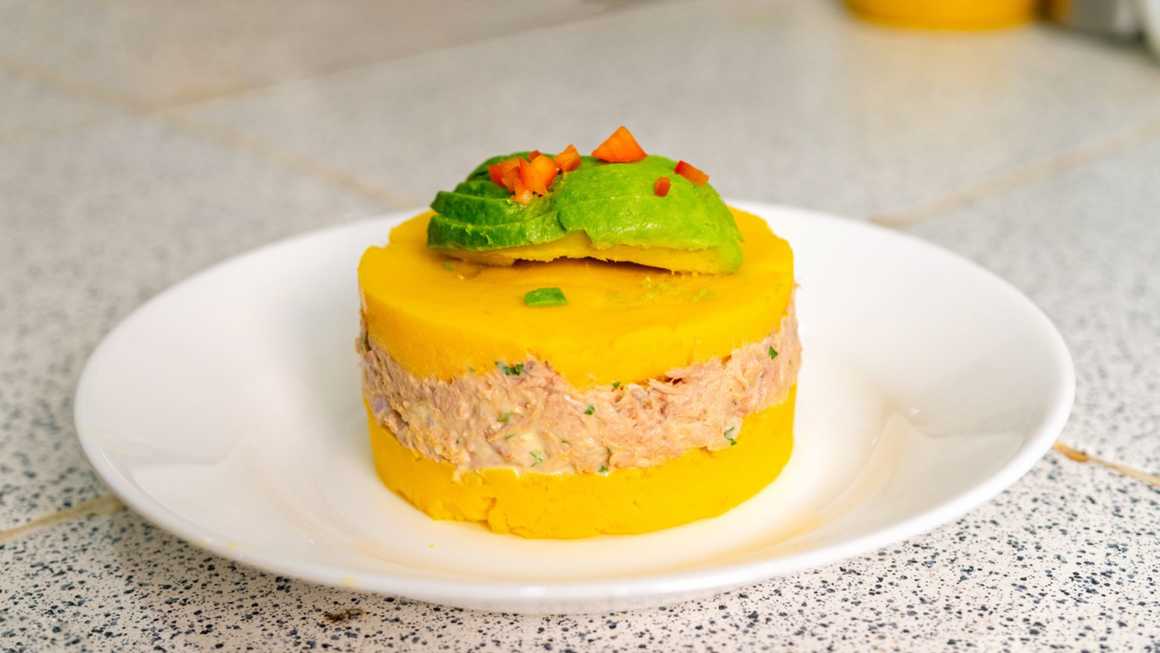
7. Causa rellena
Causa rellena is Peru’s savoury “potato cake,” a colourful, layered creation built from mashed yellow potatoes mixed with lime and ají amarillo.
The layers are filled with tuna, chicken, seafood, or fresh vegetables, then carefully stacked to resemble a soft, savoury sponge cake. It’s often garnished with avocado, olives, or hard-boiled eggs.
Refreshing yet filling, causa rellena is served cold, making it perfect for hot afternoons or picnic-style meals. The dish is a testament to the Peruvian skill for turning humble potatoes into sophisticated, multi-layered creations that delight both the eyes and the taste buds.

8. Pastel de papa
Pastel de papa layers ultra-thin slices of potato with cheese, bacon, or sometimes minced beef, creating a dish that’s part lasagna, part quiche, all gooey and delicious. Baked or fried until golden and bubbling, it’s a comforting, hearty favourite across Peru and much of Latin America.
Each bite melts together creamy potato, rich filling, and lightly crisped edges. Ideal for sharing or enjoying solo, pastel de papa shows how Peruvians transform the humble potato into a rich, irresistible delight.
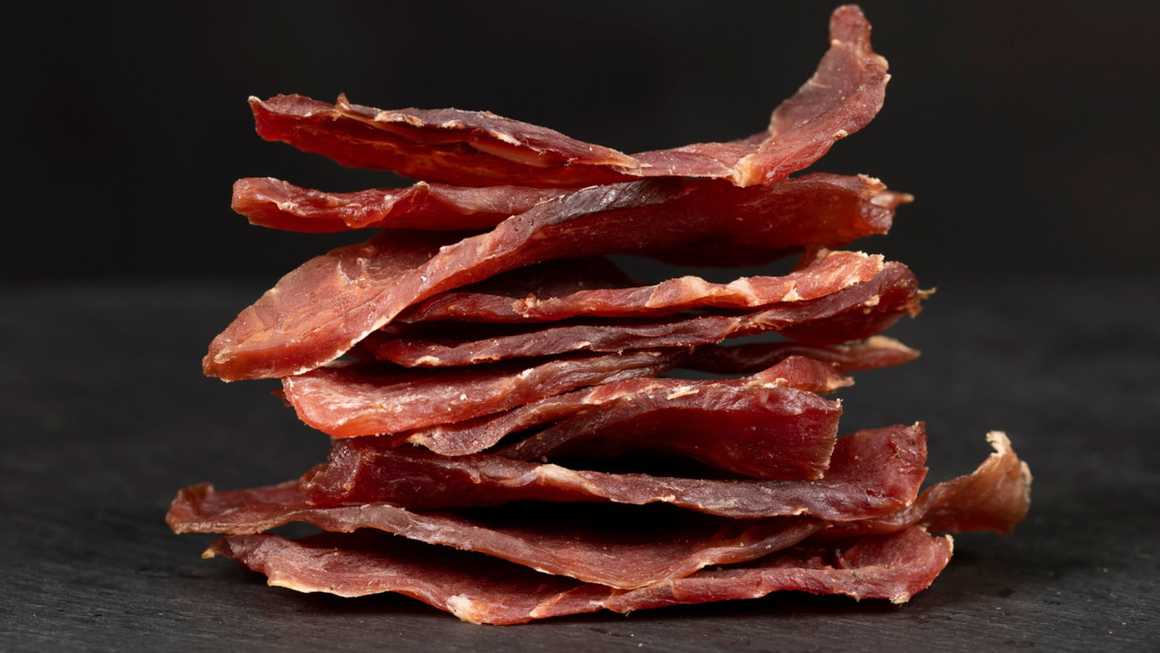
9. Alpaca jerky
Alpaca jerky (or charqui de alpaca) is the ultimate high-altitude trekking snack. Lean, chewy, and packed with protein, it’s easy to carry and keeps hunger at bay on long hikes.
The flavour is mild, slightly gamey, and distinctly earthy, far removed from the delicate texture of alpaca steaks served in restaurants. Traditionally air-dried in the Andes, alpaca jerky is a practical food with a deep connection to local culture.
Whether eaten cold on the trail or used to add a smoky note to a hearty stew, it’s the kind of snack that’s both nutritious and iconic to Peru’s mountainous regions.

Classic Peruvian ingredients
Core staples
- Potatoes. Peru’s mountains are the birthplace of the potato, home to thousands of varieties in every colour and flavour you can imagine. From buttery yellow potatoes perfect for causa to tiny, earthy Andean spuds tossed into stews, potatoes are truly the heart of traditional Peruvian cuisine.
- Corn (Maíz). Peruvian corn isn’t just a crop – it’s a cast of characters. Choclo brings huge, satisfying kernels that pair perfectly with ceviche. Cancha crackles into a warm, nutty snack. Maíz morado transforms into deep-purple drinks and desserts. Each type shows off a different side of Peruvian flavour.
- Quinoa. This ancient Andean grain has a quiet nuttiness and a feather-light texture. In Peru, quinoa isn’t a trend – it’s tradition. It slips into soups, bulks up salads, and brings comforting warmth to hearty mountain stews.
- Kiwicha (amaranth). A tiny grain with a big story. Kiwicha has a gentle sweetness and a delicate crunch, often toasted or popped like mini cereal. Once reserved for Inca ceremonies, it now energises breakfasts, snacks, and desserts across the country.
Fun fact: If you’re steadfastly unadventurous on the potato front, good news – you can get chips in Peru!
Proteins
- Fish. The hero of the national food dish of Peru, ceviche! Fresh, firm white fish is sliced thin and “cooked” instantly in sharp lime juice. Paired with chillies and red onion, it delivers a hit of clean, bright flavour you feel with every bite.
- Llama and alpaca. High in the Andes, these lean meats carry deep cultural roots. Alpaca is tender and mild (like the elegant cousin of beef), while llama brings bold, rustic flavours perfect for stews and dried traditional preparations like charqui.
- Chicken. Simple, familiar, and endlessly versatile. From the smoky, spice-rubbed perfection of pollo a la brasa to creamy dishes built around chilli-based sauces, chicken anchors many of Peru’s modern comfort foods.
Chillies (Ajíes, pronounced “ah-hee-ess”)
- Ají amarillo. Golden, fruity, and unmistakably Peruvian. This pepper brings warmth and sunshine to stews, sauces, and iconic dishes like ají de gallina (shredded chicken in a creamy, spicy sauce). One taste and you instantly understand the flavours of the best Peruvian food.
- Ají panca. Low heat, high drama. Ají panca is smoky and slightly sweet, perfect for slow-cooking and marinades. The chilli deepens the flavour of grilled meats, braises, and hearty sauces without overpowering the dish.
- Rocoto. Bright, juicy, and fiery enough to command respect. Rocoto looks like a sweet pepper but delivers serious heat. It fuels vibrant salsas and takes centre stage in the famous rocoto relleno, where its spice becomes pure theatre.
Herbs and aromatics
- Huacatay (black mint). Bold, aromatic, and uniquely Peruvian. Huacatay tastes like mint, basil, and marigold combined, giving sauces a signature herbal hit. A single spoonful instantly transports you to the Andean highlands.
- Coriander (or cilantro). Used with confidence rather than caution, cilantro injects brightness into soups, green rice, ceviche, and countless everyday dishes. It’s one of the fresh, green flavours that modern Peruvian cooking leans on.
- Red onion. Sharp, crisp, and almost always sliced whisper-thin. In ceviche and salsa criolla, red onion adds contrast, crunch, and just the right punch of attitude.
- Garlic and ginger. This aromatic pairing reflects Peru’s multicultural table – garlic from Spanish cooking, ginger from Chinese influences. Together, they create the base notes like lomo saltado and countless home-style stews.
Fruits and unique additions
- Limes (limón peruano). Small, sharp, and wonderfully aromatic. These limes are the heartbeat of ceviche, the spark in marinades, and the secret brightness in many sauces and drinks.
- Lucuma. The dessert flavour of Peru, Lucuma tastes like caramel and maple blended into soft fruit – subtle, comforting, and perfect for ice cream and pastries.
- Chirimoya. Creamy, fragrant, almost tropical. Chirimoya blends notes of pear, banana, and pineapple into a fruit the Incas once called “the food of the gods”. One spoonful and you’ll understand why.
Seasonings and condiments
- Sillao (Peruvian soy sauce). Born from Chinese immigration and now essential to Peru’s chifa cuisine. Sillao is lighter and sweeter than typical soy sauce, adding depth and savouriness to fried rice, stir-fries, and grilled meats.
- Chicha de jora. A traditional fermented corn beer that’s been used in Peruvian cooking for centuries. Earthy, slightly tart, and full of character, it brings complexity to marinades and slow-cooked dishes.
- Coca leaves. A sacred plant in the Andes. Brewed as tea for altitude relief or used in traditional rituals, coca leaves bring a distinct herbal bitterness that connects modern life to ancient traditions.
Where to eat in Peru
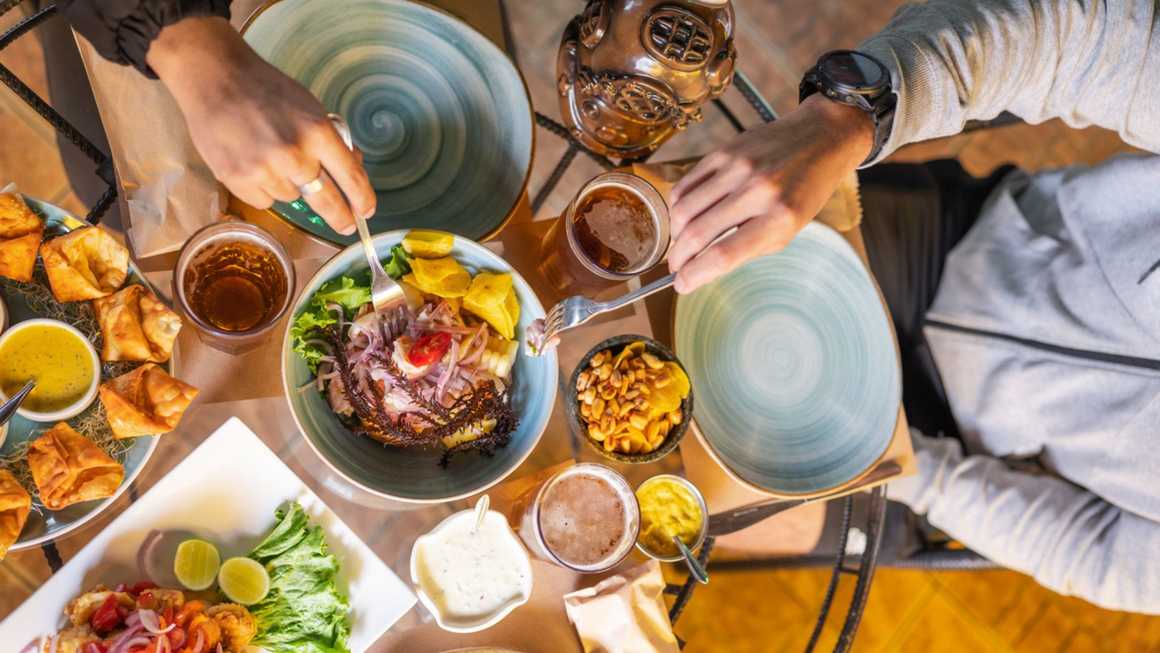
For authentic Peruvian food and local flavours, street food stalls and small family-run eateries (known as comedores) are the place to go. Here, classic Peruvian foods like ceviche, lomo saltado, and papa a la huancaína can cost as little as £1.50–£4 ($2–$5), making them perfect for filling up between trekking adventures.
In cities like Lima, considered the gastronomic capital of South America, you’ll find everything from bustling markets to award-winning fine dining. Try the vibrant food markets (like Mercado Central or Magdalena Market) for fresh ingredients and snacks. Or, splurge on a tasting menu at restaurants like Central or Maido for a culinary experience that stays with you long after the trip.
Along the Inca Trail, many lodges and camps offer hearty meals designed for trekkers. Think stews, roasted meats, and local veggies. These might cost £6–£12 ($8–$15) per meal, but they’re filling, comforting, and ideal for fuelling your hike.
No matter where you go, the rule is simple: embrace the local flavours, try something new, and enjoy the journey as much as the food.

FAQs about Peruvian food
What about drinks from Peru?
Peru has a vibrant beverage scene to match its cuisine. For beer lovers, Cusqueña is the most famous, widely available across the country, with Cristal and Pilsen Callao also popular.
Beyond beer, Peru boasts a host of unique non-alcoholic drinks. Inca Kola, the bright yellow, super-sweet soda, is a national favourite and a must-try for novelty alone. Its distinctive flavour comes from lemongrass combined with fruity, bubblegum-like notes.
For something more traditional, try chicha morada, a refreshing drink made from purple corn, spices, and fruit. Or as mentioned above, mate de coca, a mild herbal tea believed to ease the effects of high altitude.
How much is food in Peru?
Food from Peru is very affordable. Peruvian street food and small local eateries (comedores) typically cost around £1.50–£4 ($2–$5) for a filling meal, while mid-range restaurants serving classics like lomo saltado or ceviche charge roughly £6–£12 ($8–$15).
Fine dining in Lima or Cusco is more expensive. But even here, meals usually remain reasonable compared with the UK and US.
Peru offers options for every budget, from a quick snack on the trail to a celebratory feast after Machu Picchu.
What is the Peruvian national food?
Peru doesn’t have just one national dish, but ceviche often takes the crown. Fresh white fish “cooked” in lime juice, tossed with chilli and red onion, is vibrant, light, and packed with flavour. It perfectly represents Peru’s coastal cuisine and the country’s talent for turning simple ingredients into extraordinary dishes.
Other national treasures include lomo saltado, ají de gallina, and papa a la huancaína, each showcasing different ingredients and cultural influences.
Explore the sites and tastes of Peru with Kandoo
From humble potatoes and ancient grains to fiery ajíes and fresh coastal fish, Peruvian cuisine is a vibrant celebration of tradition, creativity, and bold flavours.
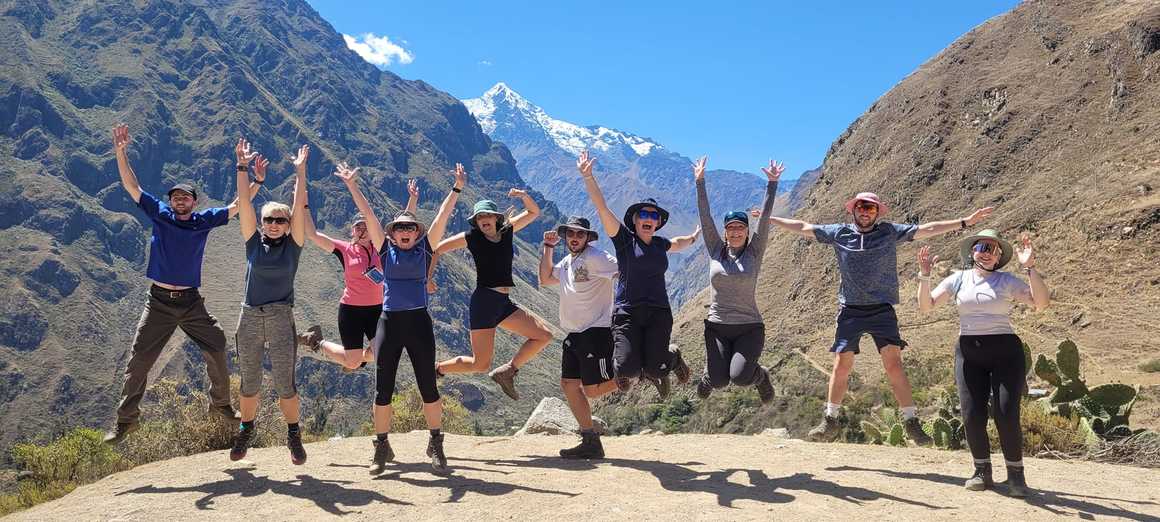
For travellers, eating in Peru is as much about the experience as it is about the food. Street stalls, family-run comedores, bustling markets, and award-winning restaurants all offer chances to explore, experiment, and delight your taste buds.
Ready to pair incredible meals with unforgettable trekking adventures? Discover our treks in Peru and make your journey a feast for all the senses.