Pakistan Travel Guide

30° 46′ 35″ N, 69° 23′ 24″ E

Pakistan in a few words...

Over 300,000 years of human history have turned this nation into a vibrant cultural melting pot, with travellers including the ancient Greeks, Moghuls and British leaving an indelible mark. Bordered by Iran, Afghanistan, and India, and featuring a scenic Arabian Sea coastline, Pakistan offers an unrivalled blend of rich cultural history, striking landscapes, and world-class trekking.


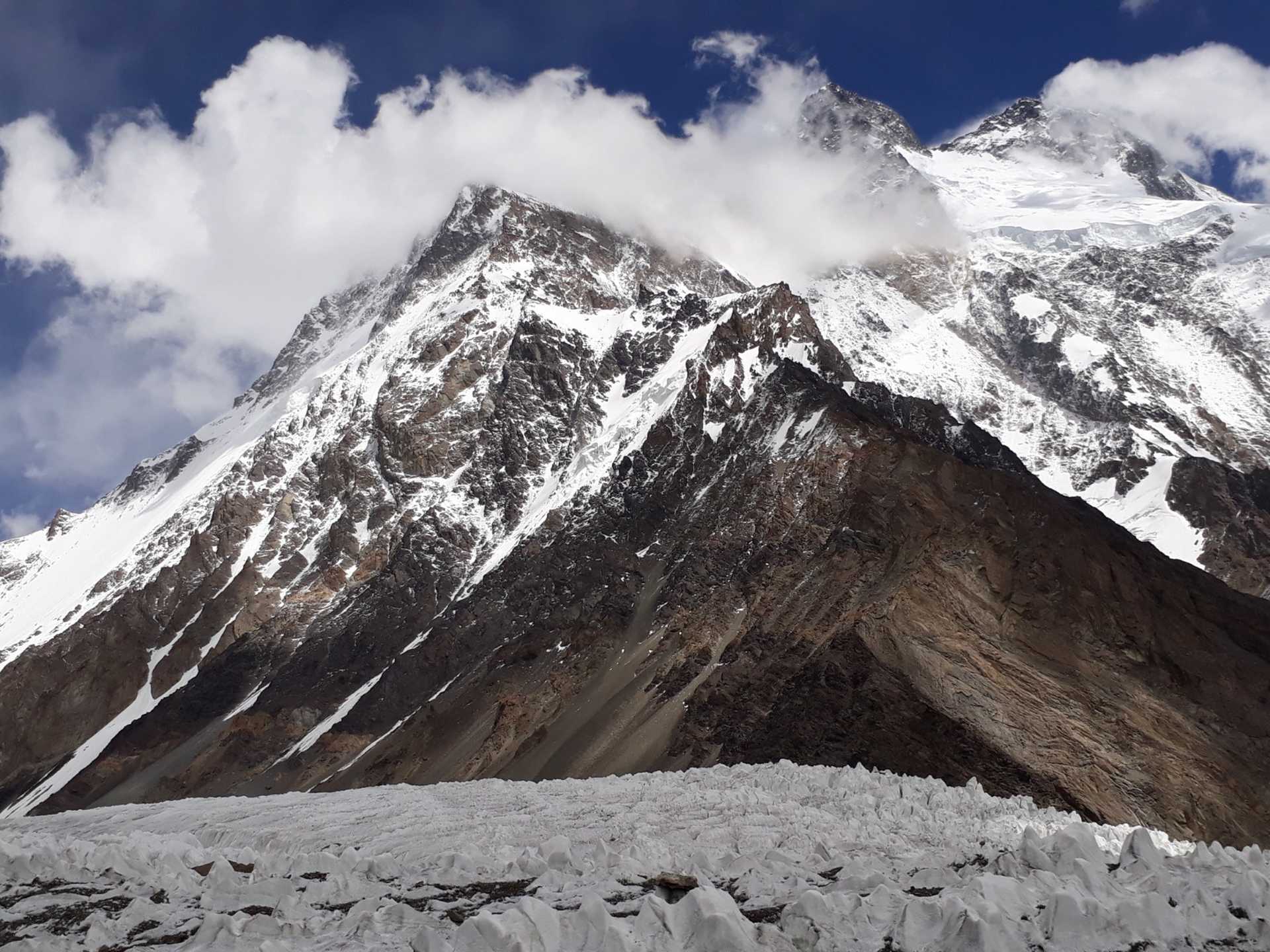
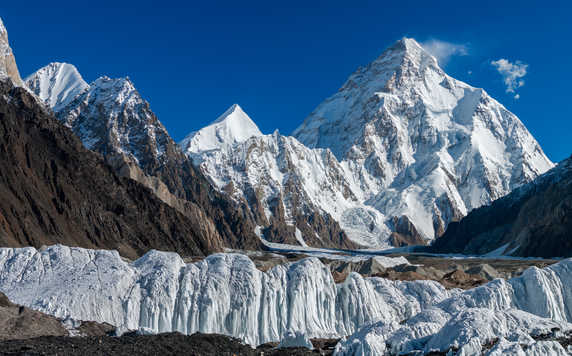
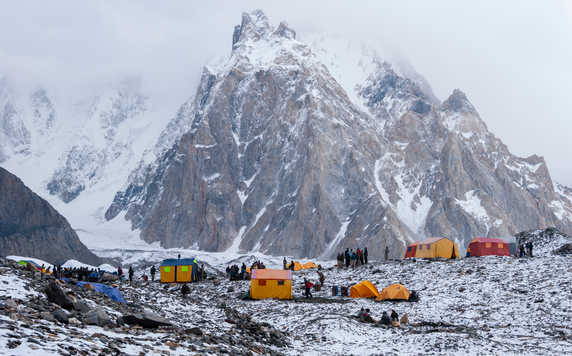
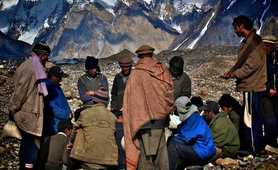
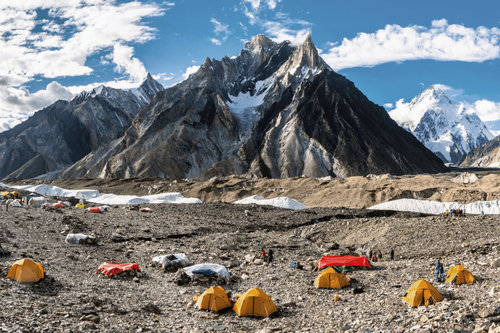
Beyond its monuments, the true heart of the country lies in its people. The warmth and hospitality of the Pakistani people is a deeply ingrained cultural and religious way of life known as mehmaan nawazi, where guests are treated as a gift from God. Today, this welcoming spirit balances an adventurous frontier; the footprints of the world's elite mountaineers draw travellers to the spectacular collision point of the Himalaya, Karakoram, Pamir, and Hindu Kush ranges, home to colossal peaks such as Gasherbrum IV, Broad Peak and K2.


The staggering beauty of the  trekking routes along with the friendly and welcoming nature of the local people, makes Pakistan one of the most incredible destinations you will ever visit and one of the few places where you can still see and learn about authentic Tibetan culture, language and religion. The mountain town of Skardu is often called "Little Tibet“ and it’s unique culture is deeply rooted in Tibetan heritage, ancient trade history and mountain life. It’s people speak Balti, an ancient dialect rooted in classical Tibetan.


Pakistan sees significantly less tourism than neighbouring India or nearby Nepal, partly because it is not well known as a destination but also because its remote and high reputation makes it feel too inaccessible for many people. It is a well-kept secret amongst those seeking remote adventure.


15:32 GMT +5

local time

Islamabad

capital city

881,913

area in km²

Urdu

main language(s)

Our local team

We look forward to sharing with you the rugged, remote trails and wide valleys of our mountain kingdom.

Highlights in Pakistan

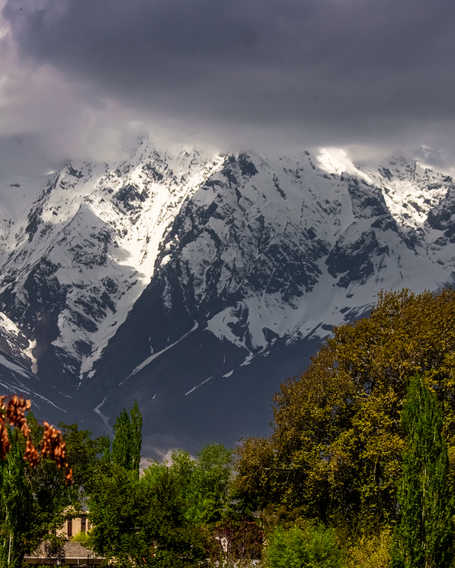
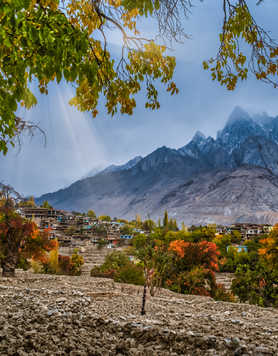
Mountains and trees in blossom Skardu

Skardu

Located in Gilgit-Baltistan, the high-altitude city of Skardu serves as the gateway to some of the highest and best-known mountains in the world. Over millennia, the mighty Indus River has carved it’s way through the city which has long attracted human settlers. Much of the culture and traditions in the Skardu valley originate from those of the Buddhist Tibetan Empire and Buddhism and, while Buddhism is still practiced in small rural areas, today Islam is the most widely practiced religion in the region. The Balti people of Skardu have a deep-rooted connection with the extreme mountain environment they call home and are renowned for their exceptional hospitality and warmth.
Deosai National Park Pakistan

Deosai National Park

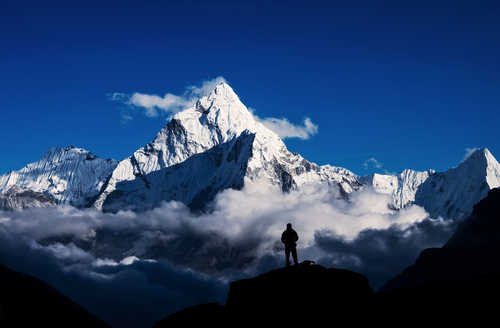
Sitting at over 4000m above sea level, the high-altitude Deosai Plains lie between the western Himalaya and central Korakoram and are surrounded by the Deosai Mountains. The area is one of the highest plateaus in the world, second only to the Changtang Tibetan Plateau located in the Ladakh region of neighbouring India. Deosai means ‘shadow of giant’ or ‘land of giant’ and it is known by the local Balti people as ‘Ghbiarsa’ or ‘summer’s place’ as it can only be visited in the warmer summer months.

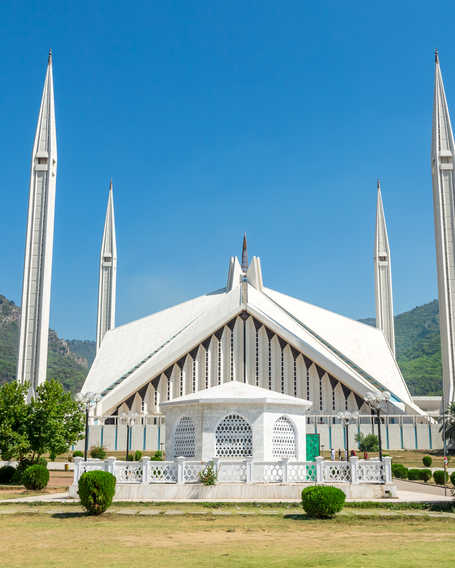
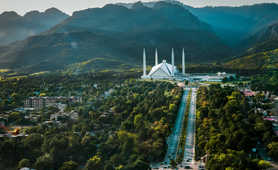
Faisal mosque in Islamabad

Faisal Mosque

A relatively modern landmark, the Faisal Mosque was designed in 1969 and completed in 1986. Named after the late King Faisal of Saudi Arabia, it’s unusual shape is based on a traditional Bedouin desert tent and is sixth largest mosque in the world, with a maximum capacity of 10,000 worshipers. This impressive building is in the far north of Pakistan’s capital city, Islamabad and sits below the foothills of the western Himalaya and the Margalla Hills.

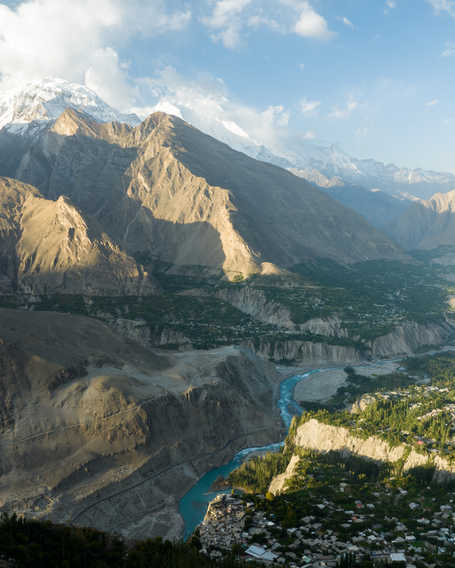
Hunza Valley Pakistan

Hunzaa Valley

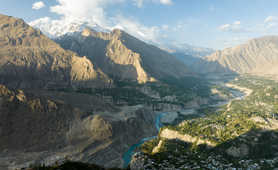
Once a well-trodden part of the ancient Silk Road, travellers, monks and traders made their way along the valley that cuts through the Karakoram and Hindu Kish mountain ranges. The valley’s rich history, outstanding natural beauty and welcoming hospitality of the families who have called this their home for generations continue to draw people there today.

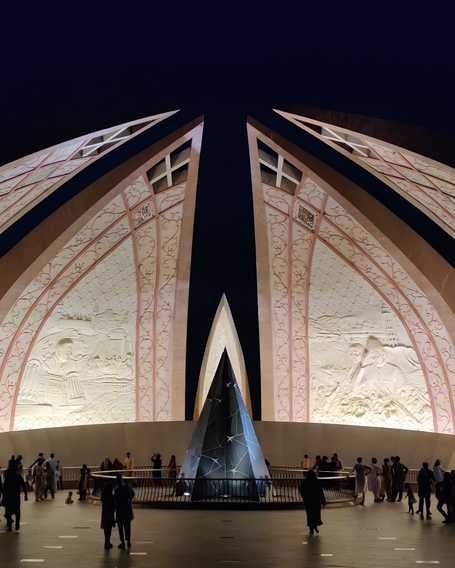
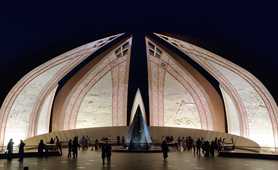
Pakistan Monument, Islamabad

Pakistan Monument

Officially opening for visitors in 2007, the Pakistan Monument the unity, strength and culture of the Pakistani people. The flower-like design represents the major cultures of Pakistan and their ability to work in unison despite their differences. The site is also home to the Pakistan Monument Museum which details an in-depth history of the nation, with life-size wax scenes to help visitors visualise each stage in the journey.

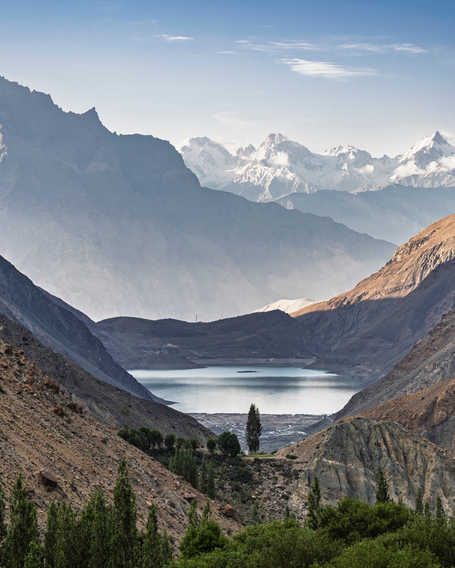
Satpara Lake in Skardu

Satpara Lake

Located in the mountain city of Skardu and with an altitude of 2600m above sea level, Satpara Lake is filled by snow-melt from the Deosai Plains. Whilst the lake is naturally formed, it is said that the size of the lake was increased with human intervention in the late 16th and early 17th Century by the Balti royal family who built a dam to control the water levels and moved streams to irrigate the royal gardens.

Your destination in pictures