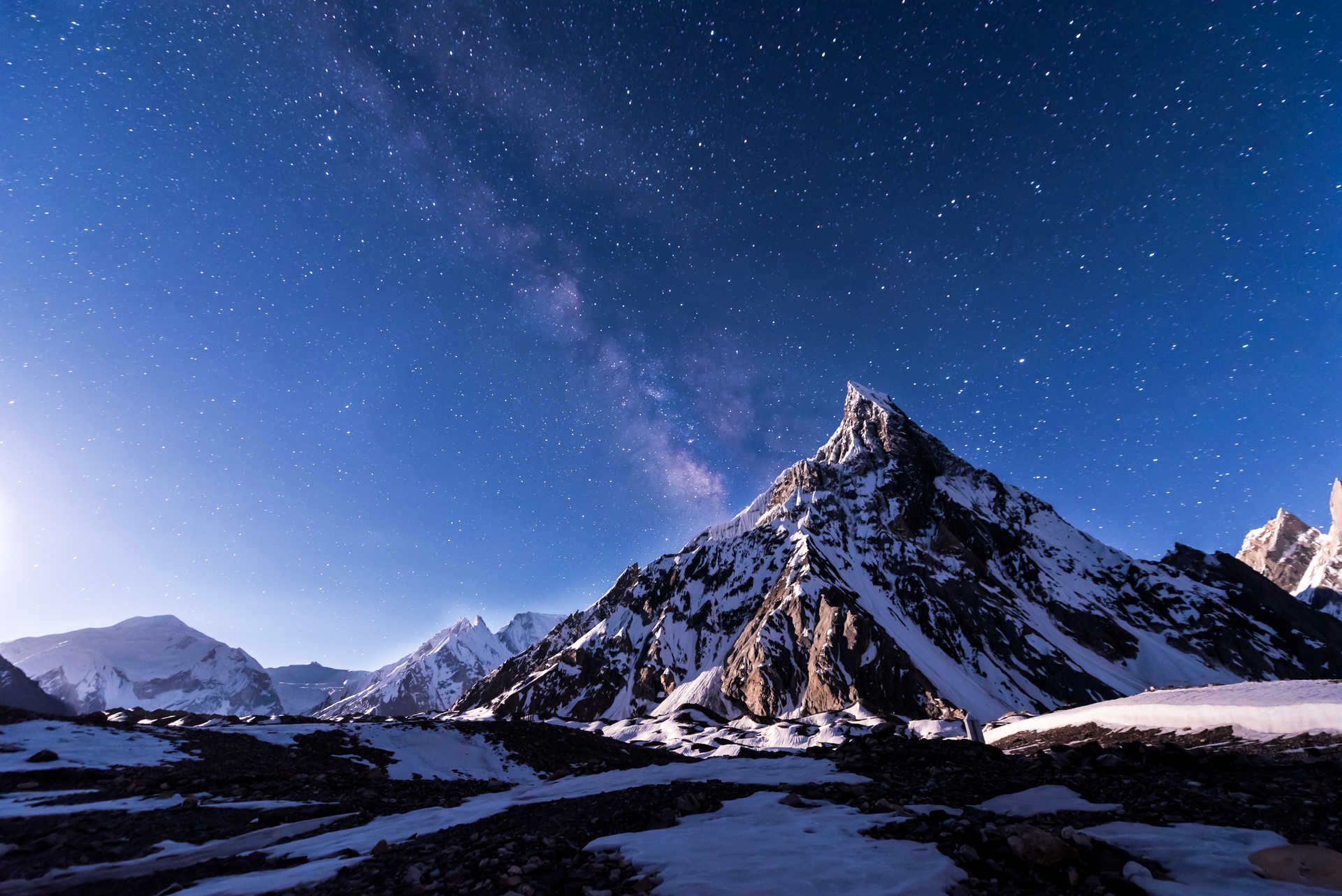
Starry night on the way to K2 Base Camp

Pakistan Travel Guide

  1. Homepage
  2. Pakistan

Travelling in Pakistan

  • Is it safe to visit Pakistan?

    In short, it depends on where you are planning to go. The regions around Pakistan's borders with Afghanistan and India are considered no-go areas for tourists due to long-standing tensions or active conflict. All of our trips in Pakistan stay well clear of these areas. Our trips start in Islamabad, which is considered a major tourist destination and the areas in Gilgit-Baltistan, where our treks take place are widely considered stable and welcoming for travellers. Our local team keep us up to date with the current reports and developments of any situations that may be taking place and, if we feel it would be unsafe to run your trip, we would cancel all departures immediately.
  • Do I need insurance for trips in Pakistan?

    Yes. Having adequate travel insurance is a requirement of joining any of our trips. Details of your policy do not need to be provided to us but should be readily available upon your arrival as you may be asked to show them to officials at the airport. It is a good idea to keep a copy of your insurance details in your daypack so it is easy to get to should you need it. You will need to provide a copy of your insurance policy to our team for your trekking permit. Your insurance must cover you for trekking in Pakistan to the maximum altitude on your route. Your policy should include cover for medical expenses, rescue (including by helicopter) and repatriation if required.
  • Do I need a visa to visit Pakistan?

    Almost all foreign nationals need a visa to visit Pakistan. Visas must be applied for in advance online, through the Pakistan government website.
  • Do I need a permit to trek in Pakistan?

    This depends on the trekking route you are planning on doing and the altitude it will reach. Permits are required for treks in Restricted Zones and on specific routes, including the trek to K2 Base Camp and the Baltoro Glacier. Special visa endorsements or local registration may be required if you will be trekking in certain restricted areas.
  • Can I rent trekking clothing / equipment in Islamabad?

    There are a number of stores renting trekking clothing and equipment in or nearby Islamabad. If you are planning on renting any items, you should do some research on what is available and prices. Some stores may let you pre-order items but you should plan time into your trip to visit the rental stores. Rental clothing and equipment may very in quality and condition.
  • What is the best time of year to trek in Pakistan?

    This depends on where you are planning on trekking. For high-altitude routes such as K2 Base Camp, July and August are the best months to go. Routes in lower valleys and regions enjoy a longer trekking window, typically from May to October. 
  • Can I take GPS devices to Pakistan?

    Basic GPS receivers used for navigation are generally OK to carry, but caution is advised if you are close to areas where there is a military presence or sensitive borders as they may be considered a security concern and be confiscated.
  • What is your procedure for assessing guests at altitude?

    Our guiding team carry pulse oximeters and will check everyone's pulse and oxygen levels daily. They will also check everyone for altitude related symptoms such as headache, nausea and loss of appetite. This information will be recorded so your guides can track how everyone is doing. If they are concerned about anyone, the decision may be made for them to turn back. The guide's word is final.
  • What should I wear in Pakistan?

    For both men and women, conservative tress is culturally appropriate. Loose-fitting trousers and tops that cover legs, shoulders, chest and stomach are both comfortable and respectful.
  • Can you drink alcohol in Pakistan?

    The purchasing and drinking of alcohol in Pakistan is very strictly regulated. Whilst legal for non-Muslims, an offal permit is required to purchase and consume alcohol and it can only be purchased from an officially licenced vendor.
  • What is road travel like in Pakistan?

    This varies widely depending on where you are. In major cities such as Islamabad, roads are tarmacked and smooth. In more remote regions, roads are often unsurfaced and can only be driven by offroad vehicles.
  • What language is spoken in Pakistan?

    There are over 70 different languages spoken in Pakistan but Urdu is officially recognised as the national language. Most people speak more than one language and major regional languages include Punjabi, Pashto, Sindhi, Saraiki and Balochi. Balti is the language spoken in the mountain region of Gilgit-Baltistan and English is widely used in law and business. 
  • What will we eat on your trips in Pakistan?

    Whilst trekking, food will be a mixture of western and local foods. Western food examples include pasta dishes and pizza, whilst local dishes consist of roti, chapati and mild, lentil curries. The cooks who work on our treks are very experienced and the meal plans are designed to provide varied meals that keep trekkers well-fuelled at high-altitudes.
  • Can you cater for dietary requirements?

    We can easily cater for vegetarian diets and much of the food on our treks is meat-free. For trekkers who have specific food allergies or follow a gluten free, vegan or dairy free diet, please let us know at the time of booking so we can plan an appropriate menu. In Pakistan, it may not be possible to source alternative products such as meat substitutes, tofu, oat milk, etc. Dishes will be made with raw ingredients such as lentils, pulses alongside tinned vegetables, meat and fish.
  • Is there a minimum age for trips in Pakistan?

    Yes, 18 years of age. This is due to the difficulty of the treks and the remoteness of the environment.