

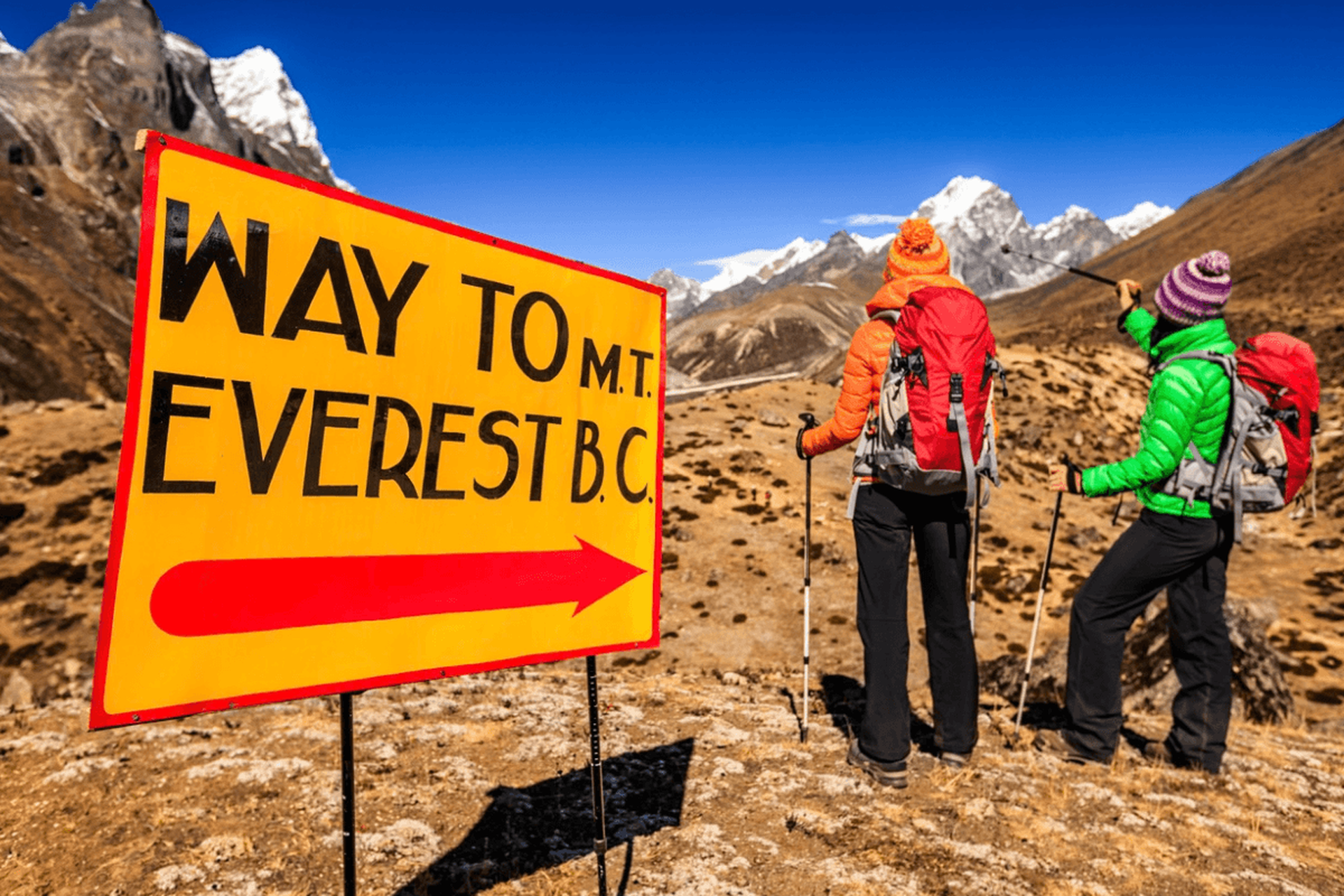
Plan the perfect trek to Everest Base Camp
So you’ve decided to trek to Everest Base Camp, but when should you go?
Spring and autumn are Nepal’s main trekking seasons, but they make for noticeably different experiences.
Spring is the best time to visit Everest Base Camp to see rhododendrons in full bloom, or experience the camp at its liveliest. Autumn offers clear mountain views and more stable trekking conditions.
To help you decide when to book your trip, here’s a direct comparison between spring and autumn across factors like temperature, crowds, and trail conditions.
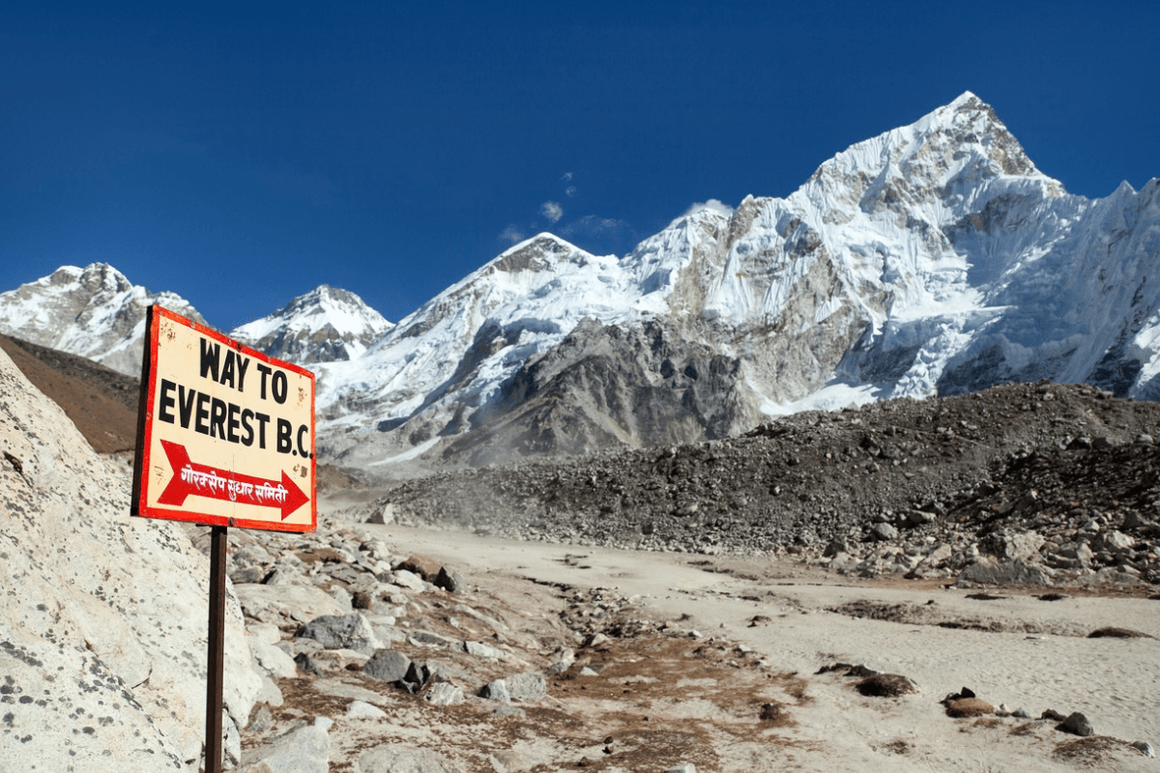
Best time to visit Everest Base Camp at a glance
The best time to go to Everest Base Camp depends on what you’re looking for. Spring delivers a buzzing atmosphere and blooming flora, while autumn offers stable trail conditions and clear views.
Here’s a breakdown of what to expect during each season:
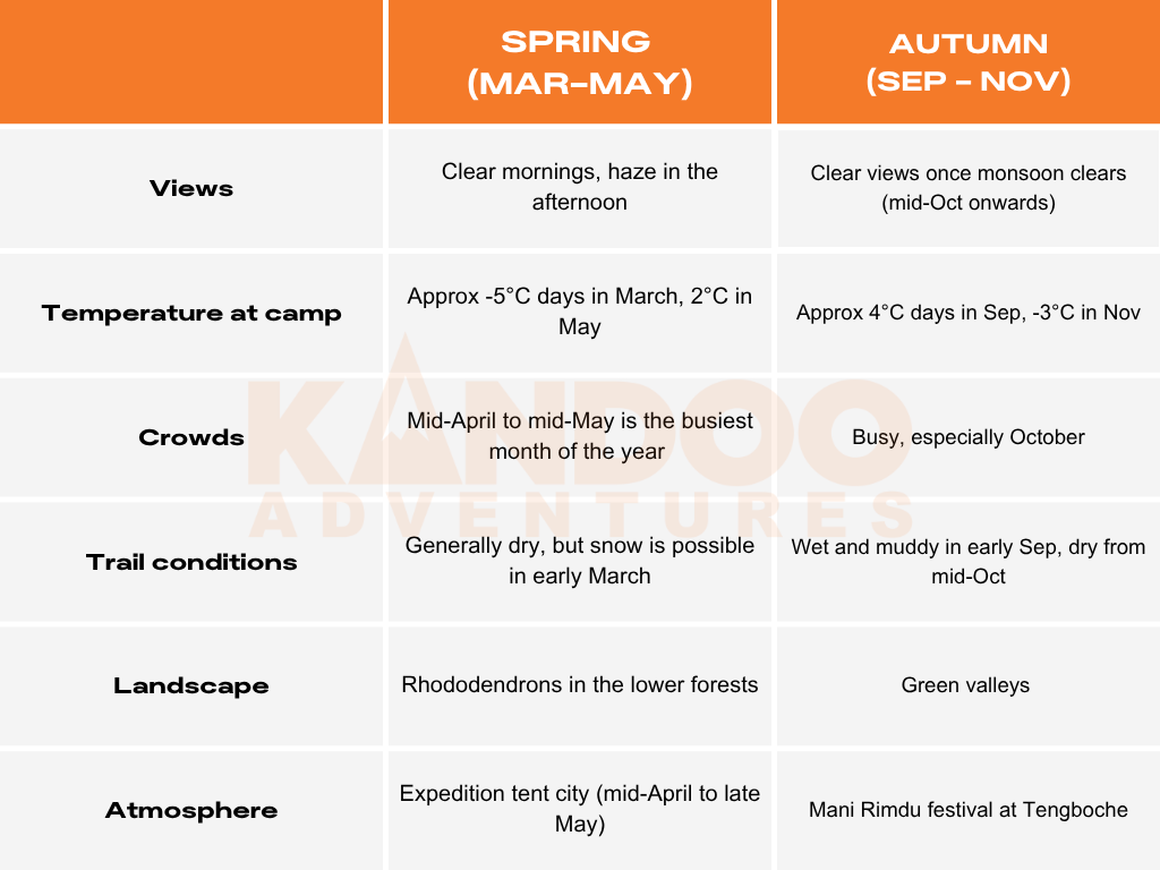
Is spring or autumn the best time to go to Everest Base Camp? 5 factors compared
Spring is the best time to visit Everest Base Camp if you want to see the camp at its liveliest, but trails will be busy and haze builds throughout the day. Autumn promises more stable conditions and clearer mountain views. Plus, you can catch Mani Rimdu at Tengboche.
Here’s how each season stacks up across factors like temperature, views, and crowds.
1. Temperature
Spring and autumn aren’t too different in terms of temperature. Spring gets up to roughly 2°C in May, while the start of autumn offers highs of around 4°C.
That said, the Everest Base Camp trek in March is the coldest month of either season, with the daytime high hovering around -5°C. By the end of autumn, the temperature isn’t too far from this, with November highs falling to -3°C.
Verdict: Aim for late spring or early autumn (May or September) to avoid the cold.
Side note: Regardless of the time of year, you need to pack warm layers. Nights at camp drop below freezing all year round. For full figures, check out our month-by-month temperature guide.
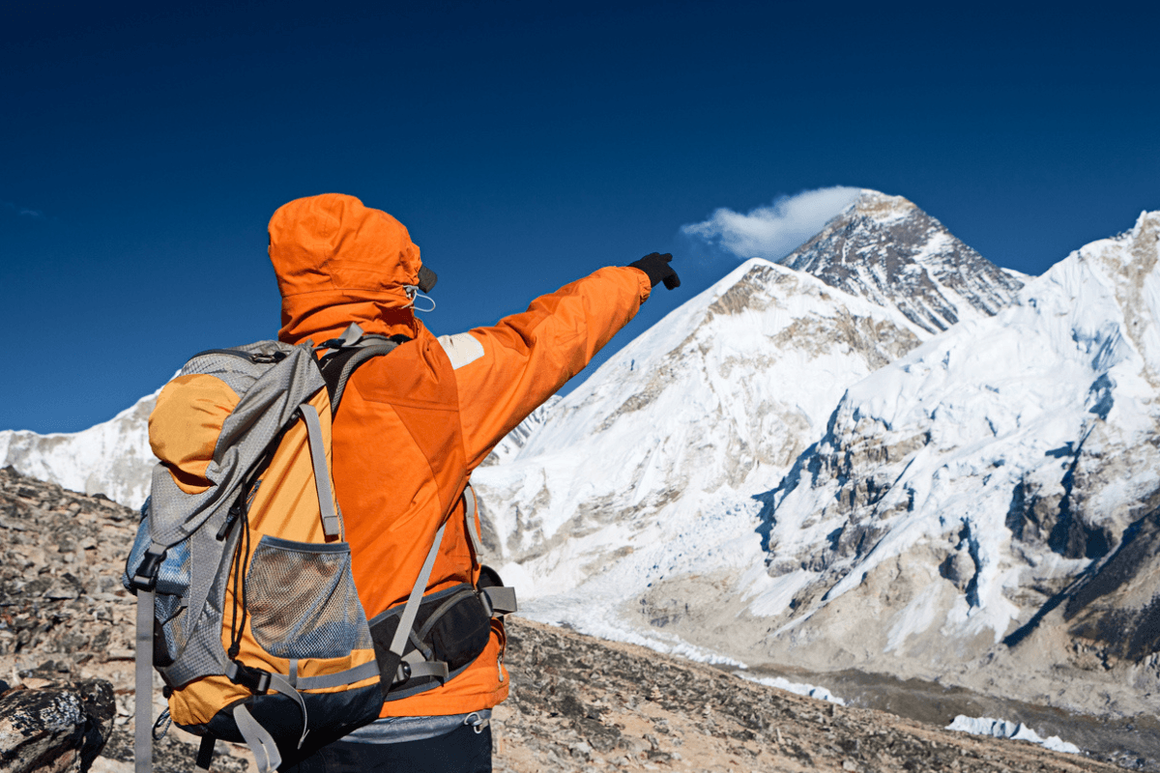
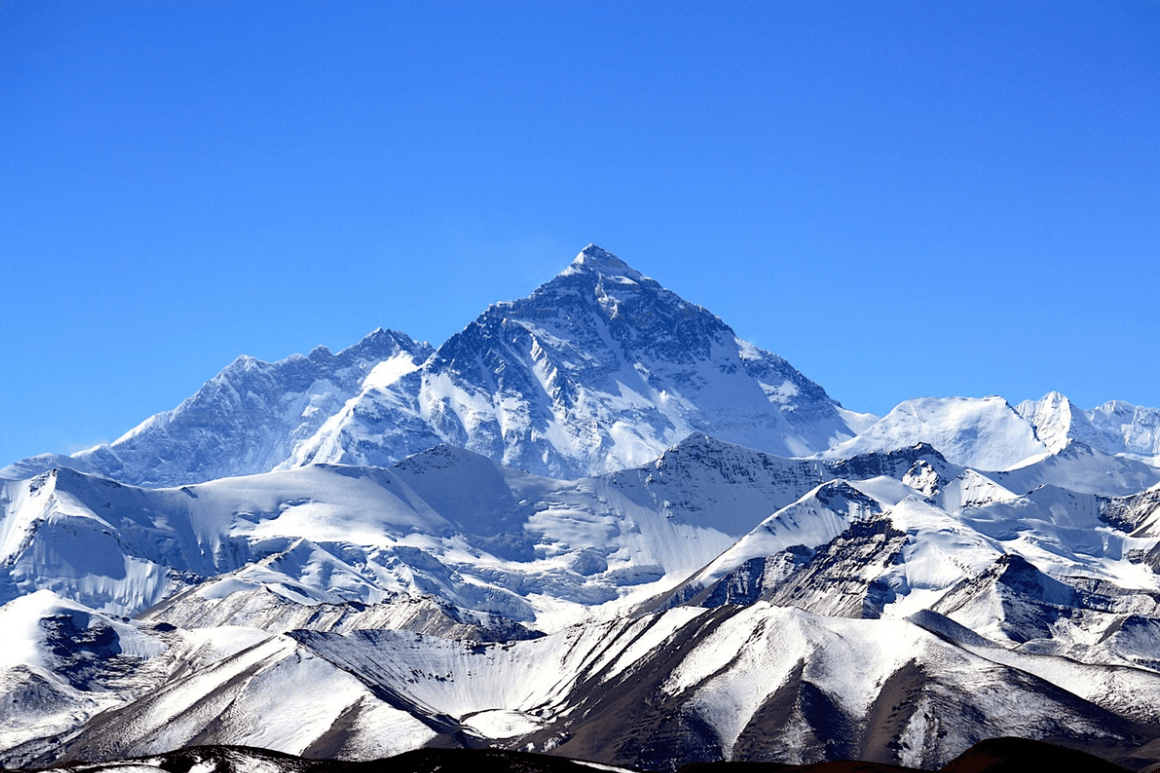
2. Mountain views
Trekking to Everest Base Camp in October promises the clearest views of the spectacular summit.
While spring mornings tend to be bright and clear, haze builds throughout the day, and can arrive in force by the afternoon. So, we recommend starting the climb up Kala Patthar before dawn.
Monsoon rain washes the haze away, so autumn gets underway with fresh, clean air. Nepal’s Department of Hydrology and Meteorology puts the monsoon’s normal end at the 2nd October. However, in 2025, it didn’t withdraw until the 10th October, so we can’t guarantee that you won’t get clouds and rain during an autumn visit.
Verdict: The clearest views are in autumn, post-monsoon, so mid-October is the best time to visit.
3. Trail conditions
The most stable trail conditions are from mid-October, so autumn is the best time to visit Everest Base Camp if that’s your priority.
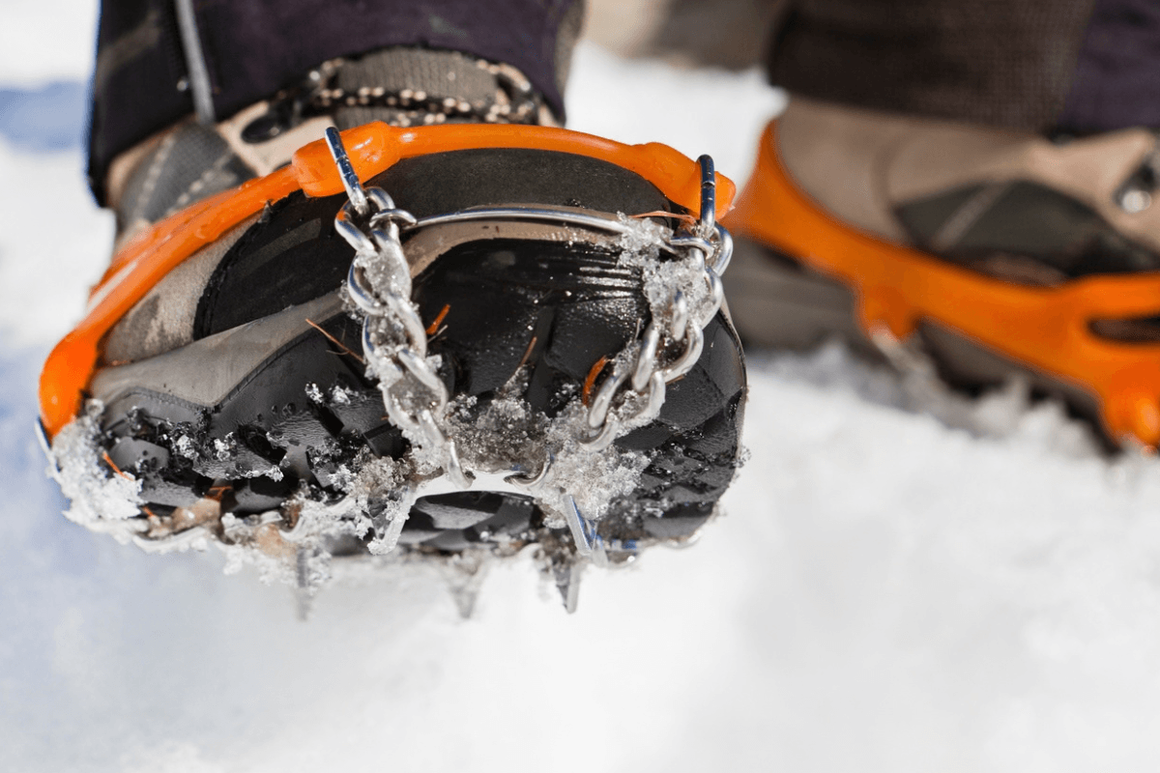
Saying that, trail conditions are typically good in spring too. The only issue is that in early spring, lingering snow and ice means you may need to pack micro-spikes or trekking crampons for a March trip. And by May, clouds and showers start to build as the monsoon nears.
Autumn starts off wet and muddy, as the monsoon rain passes through. The trails dry out during October, offering reliable trekking conditions, and terrain is usually firm by November.
No season guarantees excellent conditions though. In April 2025, bad weather grounded Lukla flights for two days! In October that year, a cyclone closed the Everest region, so we never want to make absolute promises.
Verdict: Spring can be steady, but autumn wins for stable trail conditions, especially from mid-October.
4. Crowds
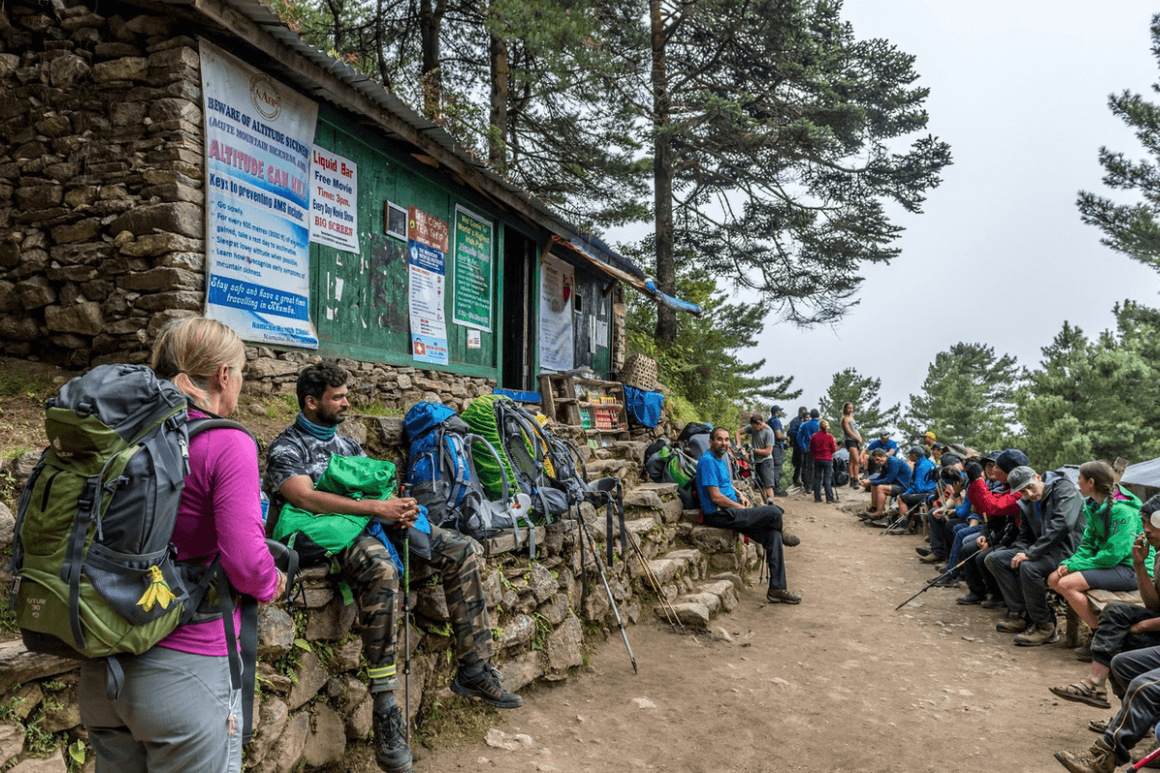
Everest Base Camp is at its busiest in spring, since many climbers and support teams arrive for expeditions. October is busy too, as it’s a popular time for trekking.
In spring 2026, there were nearly 900 successful ascents, making it the busiest season in Everest's history. If you’re planning a trip to Everest Base Camp in May, you’ll see the camp at its liveliest as climbing season gets underway. You can soak up the atmosphere and see it as a working expedition camp.
Autumn isn’t too dissimilar in terms of crowds. Many consider October to be the best month to trek Everest Base Camp due to the stable terrain and clear skies. In 2024, around 9,000 people entered the park between mid-September and mid-October. And on average, 1,000 trekkers enter the park daily during peak season.
To avoid crowds, we recommend skirting around peak season. In spring, March tends to be calmer, while November quietens down during autumn.
Verdict: Both get busy, so go early spring or late autumn for quieter trails.
5. Landscape
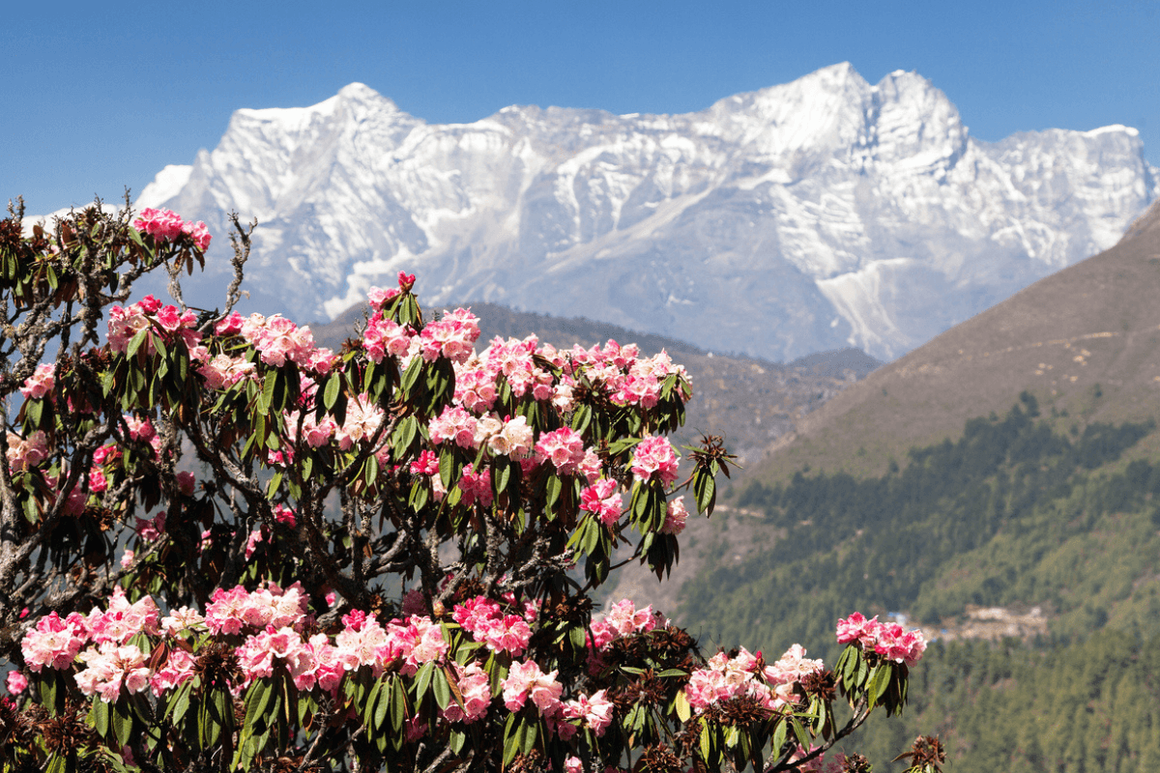
To capture stunning shots of colourful rhododendrons, spring is the best time to visit Everest Base Camp. That said, autumn offers crystal-clear skies, showing Everest, Lhotse, Nuptse, and Ama Dablam in all their glory.
Spring is the season for colour, with flowers blooming along the lower slopes and moving uphill as the temperature increases. But bear in mind that only 3% of Sagarmatha National Park is forested. You’ll mainly glimpse the flora between Phakding and Tengboche.
After months of rain, autumn is the clearest season in the Everest region. The lower valleys take on a vivid green colour, and the post-monsoon skies create the perfect conditions for marvelling at the peaks.
For those looking to experience some culture, autumn also brings Mani Rimdu, a festival of masked dances held at the Tengboche Monastery. If you’re visiting Everest Base Camp in October or November, you won’t want to miss it.
Verdict: Autumn offers clear skies and greenery. In spring, lower trails pass through colourful blooms.
FAQs about when to trek to Everest Base Camp
When is peak Everest climbing season?
Peak Everest climbing season runs from April to late May.If climbing Everest is why you’re booking a trip to the region, choose spring.
At its peak, the camp becomes home to over 1,000 people, including climbers, Sherpa guides, and support teams. The glacier transforms into a village of coloured tents, and the camp buzzes with excitement.
Most climbers reach Base Camp in April, and spend time here acclimatising to prevent altitude sickness. This year, Sherpa teams opened the route to the summit on the 13th May, and the camps were coming down later that month.
According to the Himalayan Database, the jet stream drops to around 8,500m at the start of October, which is why most expeditions to the highest peaks run in spring.
Recommended reading: How Sherpa expertise has shaped a century of climbing Mount Everest.
Can you trek to Everest Base Camp during monsoon season?
Yes, you can. The trail to Base Camp is open year round, but we don’t recommend it.
Nepal’s monsoon season runs from June to September, and it’s at its heaviest during July, where an average of 215mm of rain falls. As you’d expect, this makes for muddy, slippery trekking conditions, and landslides can even close off sections of the route.
Plus, thick clouds gather, obstructing mountain views, and the poor weather can cause flight cancellations to and from Lukla. It’s great for nature lovers though, as the lower valleys turn lush and green.
Can you trek to Everest Base Camp in winter?
Winter isn’t the best time to trek Everest Base Camp because of the drop in temperatures. But despite the cold conditions, you can trek to Everest Base Camp in winter.
In fact, our Everest Base Camp trek departs in December, January, and February. The main benefit is that you’ll get to see the trails at their quietest, making it a peaceful alternative to peak season trekking.
In January, daytime highs at camp average -10°C and nights drop to around -20°C. You need to pack micro-spikes and crampons to tackle icy sections of the route. Plus, we’d recommend investing in quality cold-weather kit including an expedition-grade sleeping bag, a high-quality down jacket, thermal base layers, and insulated gloves.
The days are much shorter, and some teahouses (lodges along the trail) close for the season. On top of that, some high-altitude passes on routes like the Three Passes Trek close throughout winter due to severe weather conditions.
Recommended reading: Everest Base Camp packing list: the complete kit guide
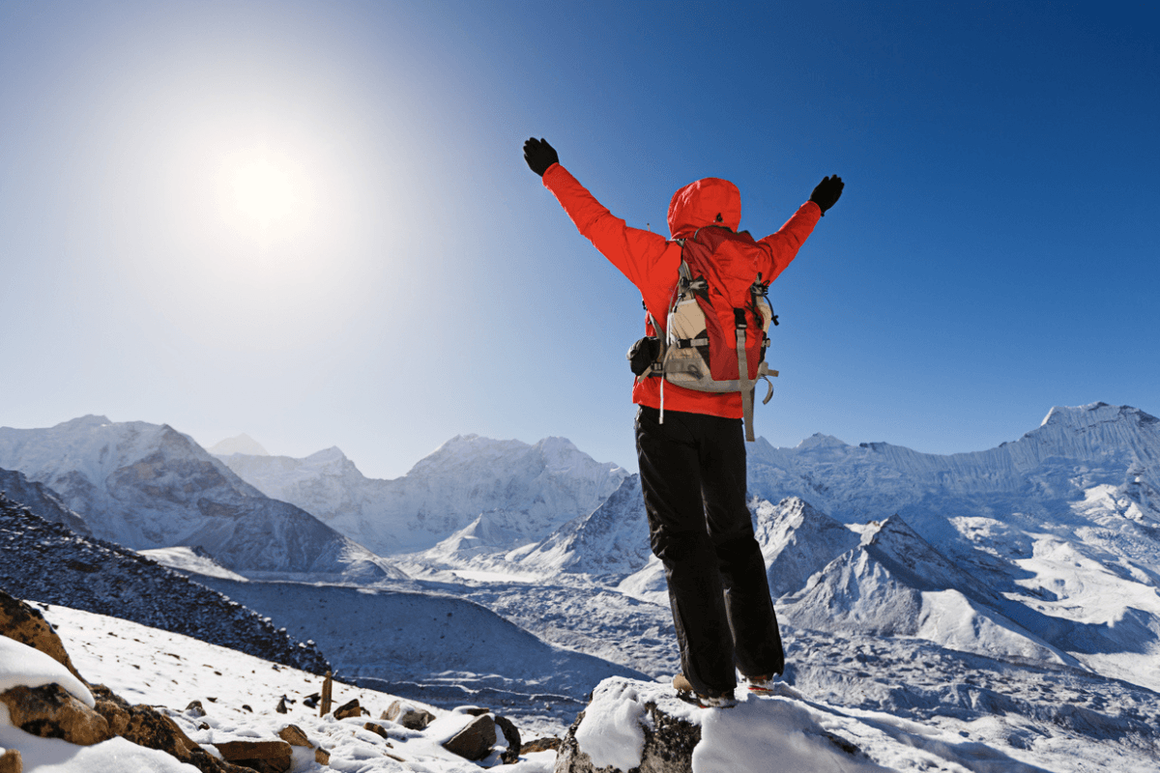
Summary: should you pick spring or autumn for your Everest Base Camp visit?
Spring and autumn at Everest Base Camp aren’t too different in terms of temperature and crowds. Spring is busy with climbers, autumn is popular with trekkers. So, which should you pick?
Choose spring if:
- You want to experience the buzz of tent city as the camp comes alive with climbers and support teams
- You want to trek lower trails through stunning rhododendron forests
- You don’t mind busy trails and hazy afternoons
If crowds bother you, time your trip for early spring, before the climbers start to arrive.
Choose autumn if:
- You want to experience the clearest mountain views and top photography opportunities
- You want more settled weather and stable trekking conditions (from mid-October onwards)
- You don’t mind colder nights as winter approaches
Trek to Everest Base Camp with Kandoo
Spring and autumn are the most popular seasons to visit Everest Base Camp. Whichever season you pick, our treks run throughout both.
Our Classic Everest Base Camp trek includes two acclimatisation days, expert local guides, and a contingency night in Kathmandu. We also offer an all-inclusive Base Camp trip, where the price covers all meals, gear, and internal flights.