
Everything you need to know about Everest Base Camp weather
Planning an Everest Base Camp trek? Choosing when to go is just as important as choosing the route. While you can prepare your fitness, gear and itinerary well in advance, the weather will have the biggest impact on your experience.
Fortunately, Everest Base Camp has two well-established trekking seasons, and each month offers different temperatures, trail conditions and crowd levels. Whether you're looking for crystal-clear mountain views, warmer weather or quieter trails, timing your trek can make all the difference.
This guide breaks down what to expect throughout the year, helping you choose the best time for your Everest Base Camp adventure.
A quick summary of Everest Base Camp weather
The table below shows the monthly average daytime and nighttime temperatures at Everest Base Camp, alongside the amount of rainfall or snow, and average wind speeds.
With two distinct climbing seasons, most travellers embark on an Everest Base Camp trek between March and May or September and November, when the conditions are driest and warmest.
June to August is the monsoon season, and the majority of Nepal’s annual rain falls during this time. Outside of these months, there are still occasional showers, but they’re infrequent and brief.
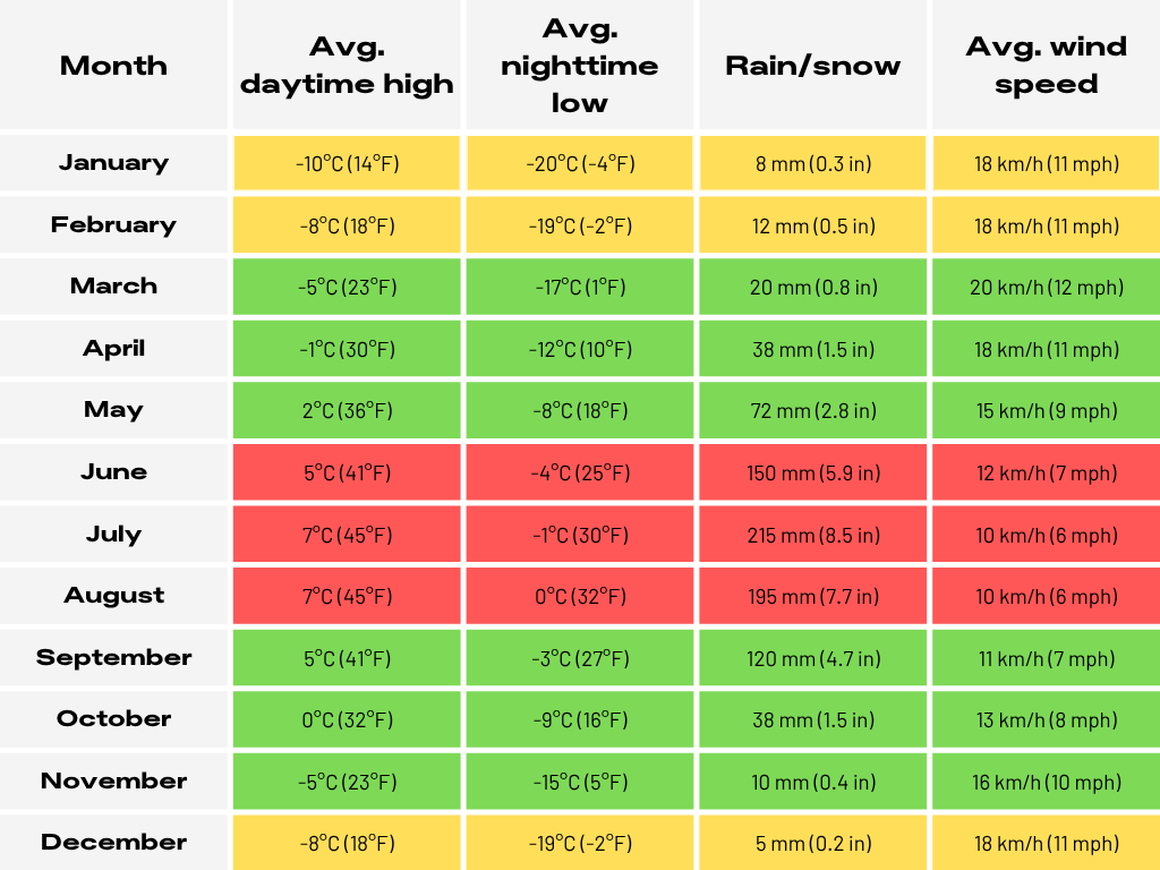
Table Source: Meteoblue 30-year climate model
Everest Base Camp weather by month
Below, we explore Everest Base Camp weather month by month, and what you can expect during each.
It’s worth noting that Everest Base Camp is at an altitude of 5,364m. Nepal’s capital city of Kathmandu has an approximate elevation of 1,400m. Therefore, temperatures, rainfall and wind will differ greatly between the two, in case you’re looking at Nepal weather in general.
January
- Average daytime temperature: -10°C (14°F)
- Average nighttime temperature: -20°C (-4°F)
- Average rainfall: 8 mm (0.3 in)
Best for: Trekkers with winter mountaineering or high-altitude experience.
January is firmly off-season in Nepal, with short days, freezing temperatures and a good chance of snow. Between winter storms, however, conditions are often dry and bright. With icy sections, microspikes are recommended.
While the classic Everest Base Camp route stays open, high-pass treks are closed from December to February.
The upside to trekking EBC in January is quieter trails, lower costs and a more peaceful trekking experience.
Good to know: Some teahouses may close for the season, and the cold, dry air can make altitude feel more challenging.
February
- Average daytime temperature: -8°C (18°F)
- Average nighttime temperature: -19°C (-2°F)
- Average rainfall: 8 mm (0.5 in)
Best for: Budget travellers who don’t mind the cold.
Temperatures and conditions in February at Everest Base Camp are very similar to those in January. It remains cold, the trail is quiet, but the daylight hours are gradually getting longer.
Occasional storms persist, and snow is still likely, but the promise of spring hangs in the air. Expect slightly warmer temperatures towards the end of the month.
March
- Average daytime temperature: -5°C (23°F)
- Average nighttime temperature: -17°C (-1°F)
- Average rainfall: 8 mm (0.8 in)
Best for: Doing the classic Everest Base Camp Trek.
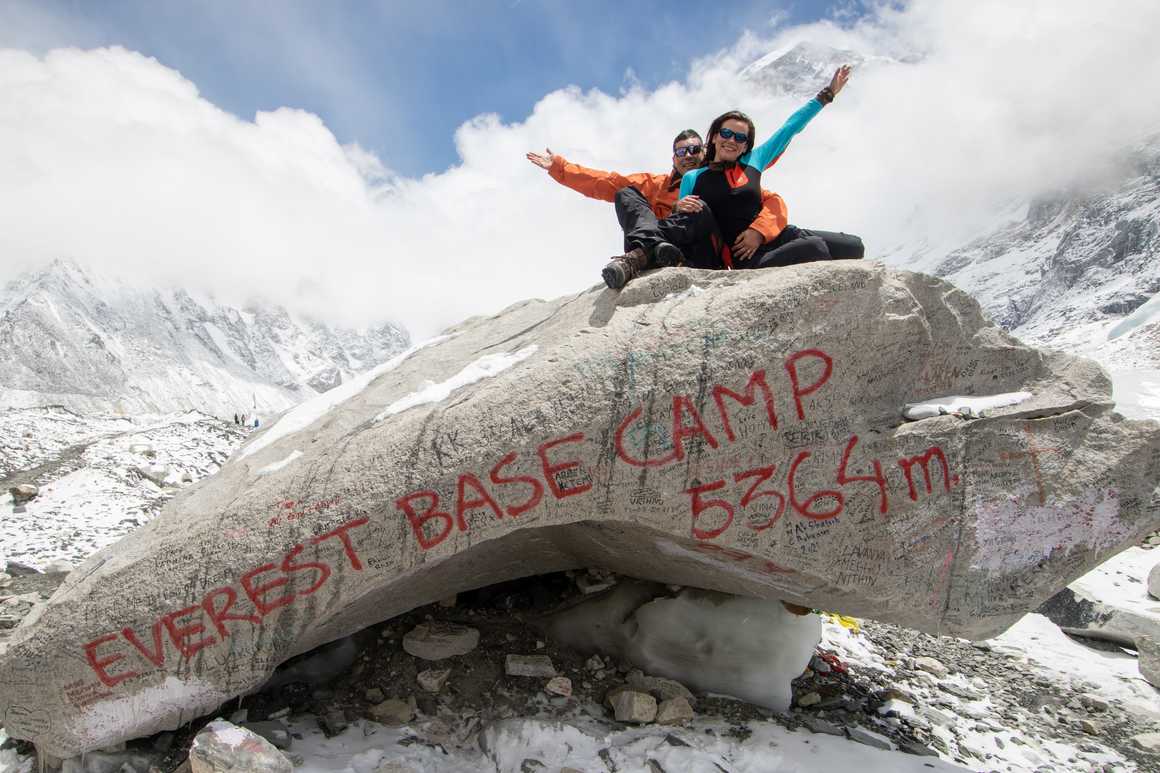
March signals the beginning of spring and with it the start of the first main trekking season of the year. Temperatures in March are milder, snowfall is less likely, and vegetation is starting to grow.
The rhododendron forests are in bloom, and trekkers begin to arrive in the Himalayas. Nights at Everest Base Camp can be cold, but this is a wonderful time for hiking, as the routes are relatively quiet.
April
- Average daytime temperature: -1°C (30°F)
- Average nighttime temperature: -12°C (10°F)
- Average rainfall: 38 mm (1.5 in)
Best for: The Gokyo Lakes Trek.
April marks the start of the Everest climbing season, with Everest expeditions establishing Base Camp throughout the month. Long, dry days, mild temperatures and low rainfall make this one of the best times to trek.
The trails and teahouses are at their busiest, creating a real buzz along the route. While accommodation costs may be higher and popular sections can feel crowded, the rhododendrons are in bloom, the landscapes are bursting with colour, and trekking conditions are at their most reliable.
May
- Average daytime temperature: 2°C (36°F)
- Average nighttime temperature: -8°C (18°F)
- Average rainfall: 38 mm (1.5 in)
Best for: Spotting Everest expeditions.
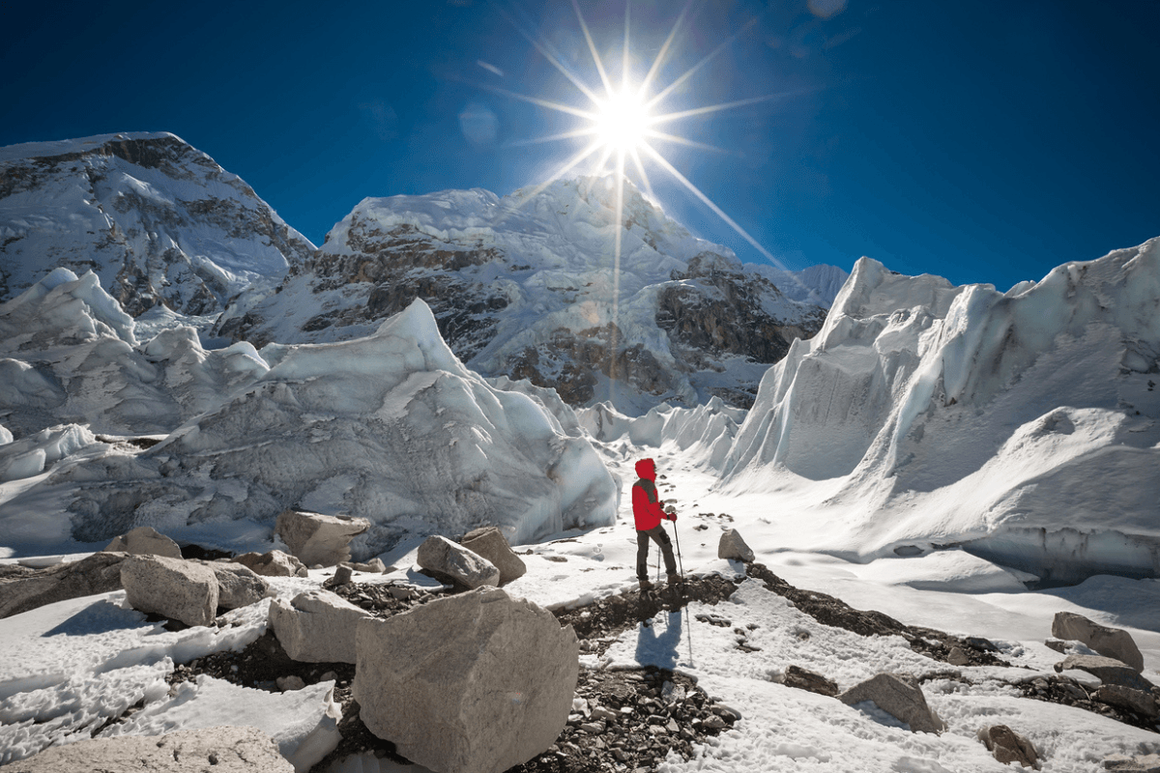
May is the warmest trekking month, and the busy trails reflect it. As the monsoon season approaches, afternoons bring clouds, but temperatures at Everest Base Camp are mild, and nights aren’t as unbearably cold.
Conditions at EBC in May are stable, and days are long and sunny. The visibility of Everest is excellent, and there are ample opportunities for glimpsing the mountain during your trek.
June
- Average daytime temperature: 5°C (41°F)
- Average nighttime temperature: -4°C (25°F)
- Average rainfall: 150 mm (5.9in)
Best for: Lower-altitude trekking - not Everest Base Camp.
June brings rain from India and signals the start of the monsoon season. Conditions begin to deteriorate, and trails are muddy. Visibility is increasingly poor, and views are restricted.
July
- Average daytime temperature: 7°C (45°F)
- Average nighttime temperature: -1°C (30°F)
- Average rainfall: 215 mm (8.5in)
Best for: Waiting until autumn.
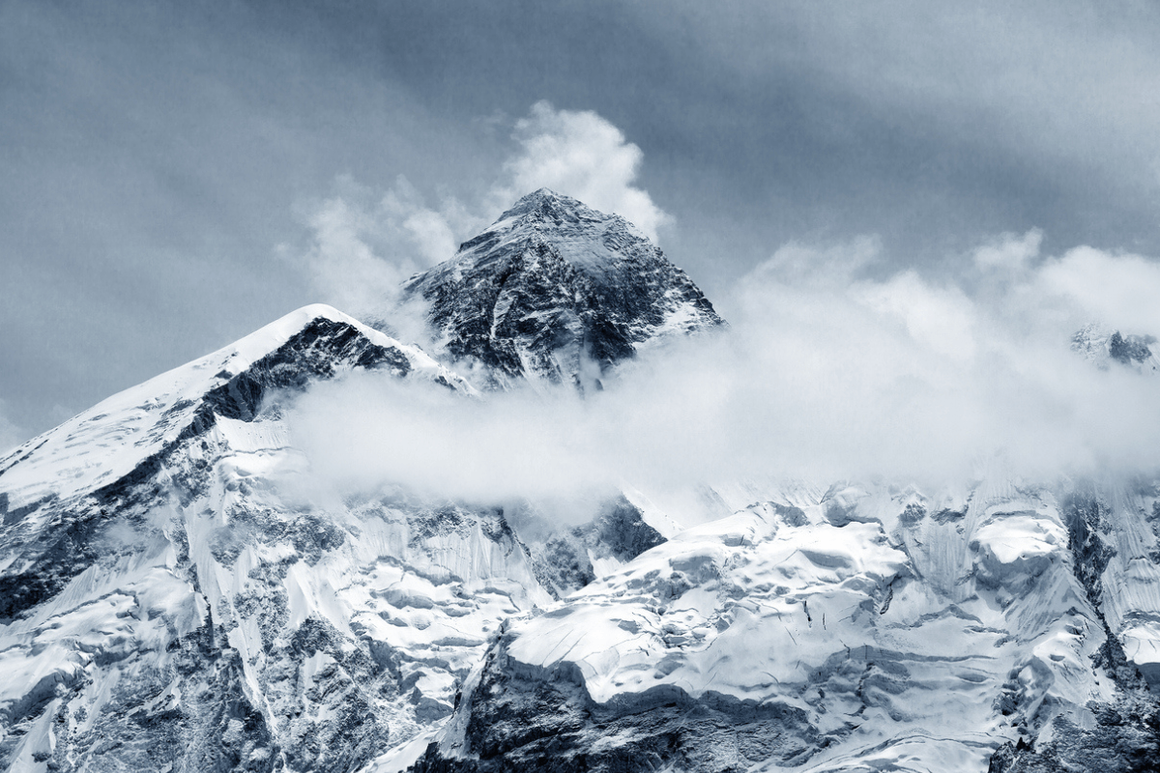
July is one of the worst times to trek to Everest Base Camp. Peak monsoon season brings persistent rain, muddy and slippery trails, poor visibility and a high risk of landslides. With Everest usually hidden behind thick cloud, you're unlikely to enjoy the mountain views you've travelled so far to see.
Add leeches, challenging trail conditions and frequent flight disruptions into the mix, and it's easy to see why we don't recommend trekking in July.
August
- Average daytime temperature: 7°C (45°F)
- Average nighttime temperature: 0°C (32°F)
- Average rainfall: 195 mm (7.7in)
Best for: Nature enthusiasts, not trekking to Everest Base Camp.
Peak monsoon season continues in August at EBC, and although the landscapes in the lower Khumbu Valley are lush and green, higher up towards Everest Base Camp, the rain is persistent. Humidity is high, leeches are rife, and the paths are muddy and treacherous.
The only travellers in Khumbu in June, July and August tend to be budget travellers who don’t mind the rain, nature enthusiasts, and those looking for cultural experiences rather than trekking adventures.
September
- Average daytime temperature: 4°C (39°F)
- Average nighttime temperature: -5°C (23°F)
- Average rainfall: 95 mm (3.7in)
Best for: The Three Passes Trek.
The rains subside during September, and autumn is in the air. With clear skies, stunning scenery and long days, the start of the autumn peak trekking season begins.
Greener than spring, this is considered the optimum time to visit Everest Base Camp with exceptional visibility and stable conditions. There are fewer crowds in September than in October, but the trails are still busy.
October
- Average daytime temperature: 0°C (32°F)
- Average nighttime temperature: -9°C (16°F)
- Average rainfall: 38 mm (1.5in)
Best for: Avid landscape photographers.
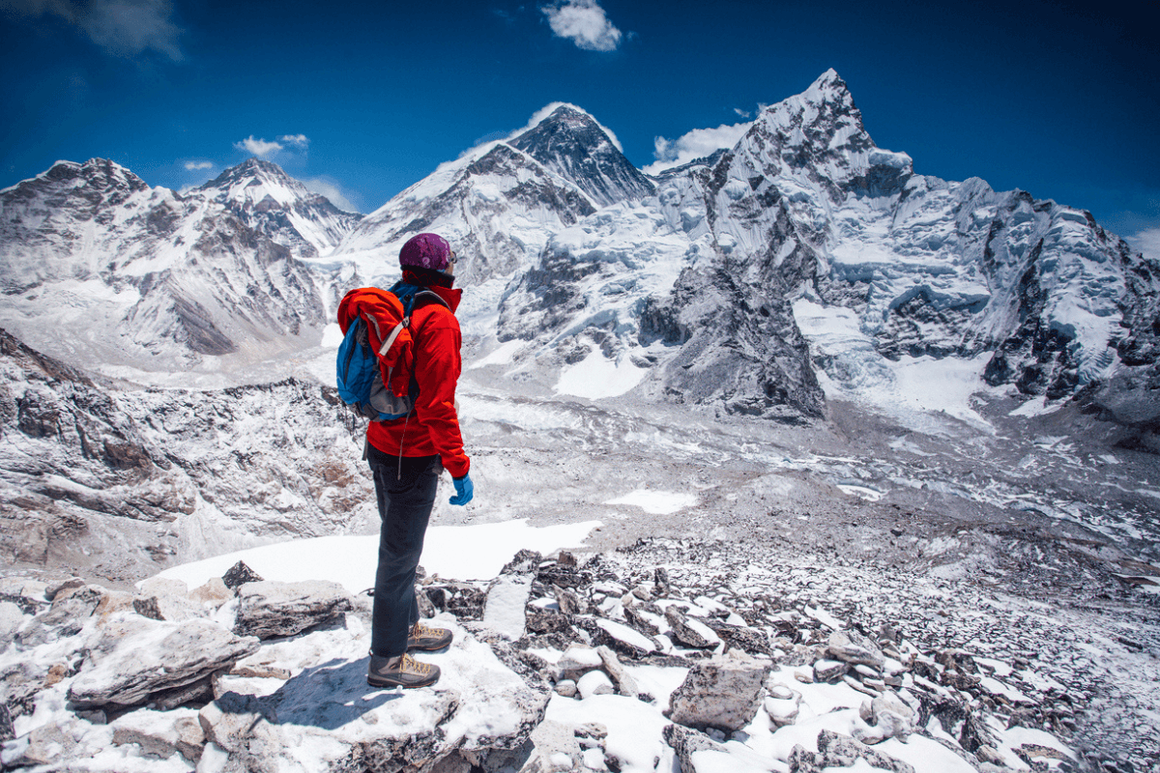
Peak trekking season continues into October. With mild temperatures, stable conditions and less chance of rain than September, it’s a popular time of year for Everest Base Camp trekkers.
November
- Average daytime temperature: -3°C (27°F)
- Average nighttime temperature: -12°C (10°F)
- Average rainfall: 15 mm (0.6in)
Best for: Climbing Island Peak and trekking to Everest Base Camp.
Quieter than October but still mild and fairly dry, November has excellent visibility. You can enjoy staggering views of high peaks during your trek. It’s cooler, but winter has not yet arrived, and Kandoo Adventures considers this a lovely time to trek to Everest Base Camp outside of the peak seasons.
December
- Average daytime temperature: -5°C (23°F)
- Average nighttime temperature: -15°C (5°F)
- Average rainfall: 10 mm (0.4in)
Best for: Everest Base Camp lite treks.
Winter arrives, and with it, the temperatures plummet. Days are shorter and early starts require headtorches. If you don’t mind the cold, this is a wonderful time to trek to Everest Base Camp as the trails are peaceful and the days are crisp.
With occasional snow and rainfall, there are few other obstacles to trekking during this month.
Good to know: Bring plenty of thermals, a high-quality down jacket and an expedition-grade sleeping bag!
When is the best time to trek to Everest Base Camp?
October is considered the best time to trek to Everest Base Camp. The mild temperatures, excellent visibility and lush landscapes make for fantastic trekking. However, spring is cool, crisp and dry, so March, April and May are good months to visit too.
Equally, the whole of autumn promises warmer days, and September and November are popular months to trek as well.
Everest Base Camp Temperature by Altitude
Temperatures fall steadily as you gain altitude on the Everest Base Camp trek. The table below shows the altitude and average temperature at each stop, helping you pack the right layers for every stage of the journey.
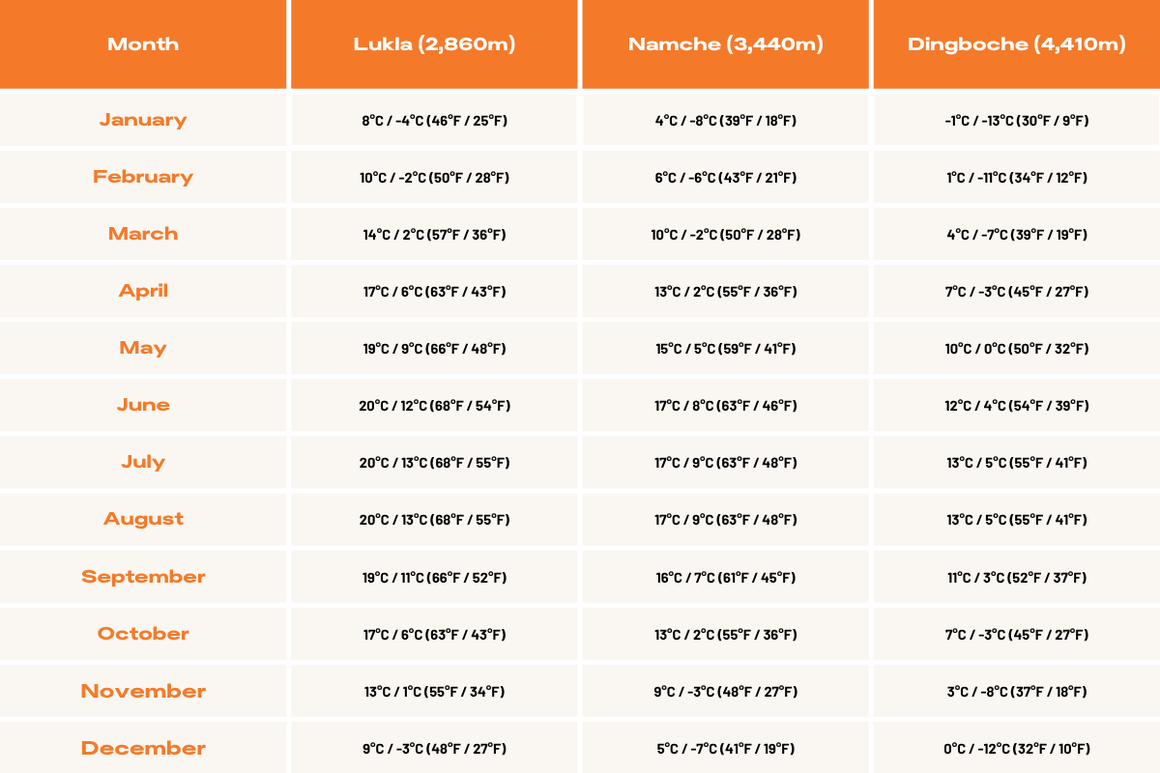
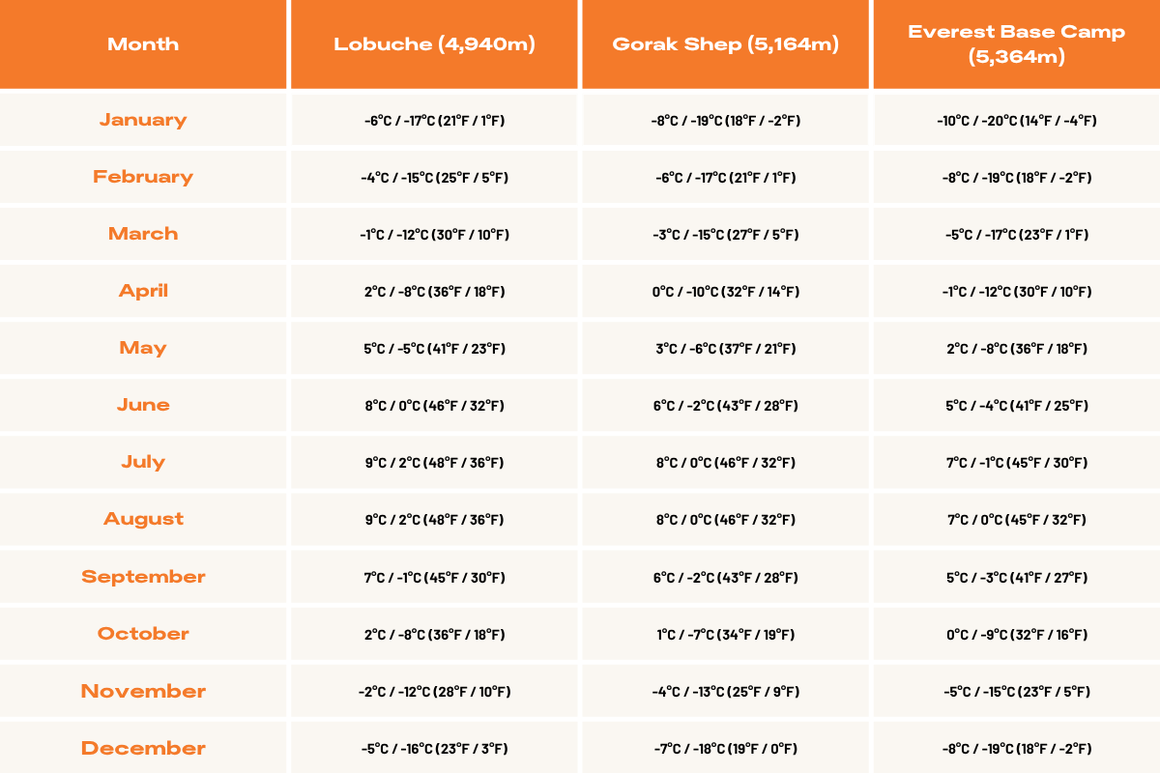
*Source: Meteoblue 30-year climate model
How Cold Does Everest Base Camp Get?
You can expect below-freezing nights at Everest Base Camp all year round. Winter temperatures can drop as low as -20°C (-4°F), while daytime temperatures typically range from -5°C (23°F) to 5°C (41°F). On warmer spring and summer days, they can occasionally climb as high as 15°C (59°F).
Weather Challenges at Everest Base Camp
In the Himalayas, the weather can change in minutes. Understanding how it affects the trails, your travel plans and what to pack will help you arrive better prepared.
Mountain weather changes fast
The higher you climb in the Himalayas, the more unpredictable the weather becomes. Clear skies can quickly give way to strong winds, snow or heavy cloud. Dressing in layers and packing for changing conditions is essential when trekking to Everest Base Camp.
Avoid the monsoon season
June, July and August bring the heaviest rain in the Khumbu region. Muddy trails and poor visibility are a certainty during this time, while snow and high winds become more common at higher elevations. Unless you're an experienced monsoon trekker, these months are best avoided.
Be prepared for Lukla flight delays
Flights to Lukla are often delayed or cancelled if strong winds, heavy rain or poor visibility make it unsafe to land on the short mountain runway. Build some flexibility into your itinerary and pack a book, travel game or downloaded entertainment to make unexpected waits in Kathmandu a little easier.
What to Pack for Different Seasons
Layering is the key to staying comfortable in rapidly changing mountain conditions, no matter the time of year you trek to Everest Base Camp.
- Start with a moisture-wicking base layer. These keep sweat away from your skin and help regulate your body temperature.
- Add warm mid-layers. A fleece is ideal.
- Pack a quality down jacket. You’ll need this for cold mornings, evenings and higher elevations.
- Always carry a waterproof outer shell. Even outside the monsoon season, rain, snow and strong winds can arrive with little warning.
- Pack for all four seasons in a day. Temperatures can swing dramatically between sunny afternoons and freezing nights, so having plenty of layering options is essential.
- Keep your essentials in your daypack. Include a fleece, waterproof jacket, dry socks, sunhat and sunscreen. This is so you can adapt to changing conditions without opening your duffel bag.
Related reading: The Complete Everest Base Camp Packing List guides you through everything you need for an Everest Base Camp trek.
Everest Base Camp Weather FAQs
Does it snow at Everest Base Camp?
Yes! In winter at that altitude, it frequently snows. In summer, there may be occasional snow showers, but it’s more likely between December and February.
Is Everest Base Camp colder than Kilimanjaro?
Overall, yes. Although Kilimanjaro is slightly higher, you'll spend much longer above 4,000m on the Everest Base Camp trek, meaning more days in consistently cold temperatures.
Kilimanjaro's summit is typically colder than Everest Base Camp itself, but those conditions are usually experienced for just one summit push. On the Everest Base Camp trek, prolonged exposure to altitude means the journey often feels colder overall.
Can you trek to Everest Base Camp during the monsoon?
Yes - technically, you can trek to Everest Base Camp all year round, including during the monsoon season, but we don’t recommend it.
The path is mostly an established rocky trail, so while it might get muddy during the wet season, there’s no reason you can’t hike it, even in the rain. The only caveat to this is if there is a mudslide in the region and it’s closed for repairs.
Trek to Everest Base Camp with Kandoo Adventures
Kandoo Adventures’ Nepali team of guides, porters and support staff are absolutely incredible. Their passion, knowledge and experience are what make our trips stand out from the competition.
We’ve been welcoming visitors on our Nepal treks for almost two decades now, and our treks in the Himalayas are more popular than ever.
Speak to our travel experts at Kandoo HQ about Everest Base Camp routes, other Himalayan adventures, and everything in between. We’ll find the perfect itinerary for you!