Pakistan Travel Guide

When to go? Seasons, climate, festivities

  • December to February

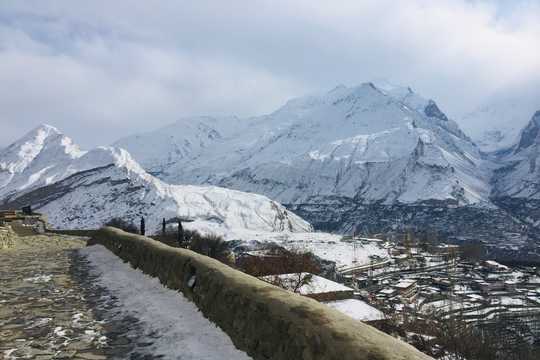
    In the winter months, the high-altitude mountainous areas of the north and west of Pakistan experience freezing temperatures and heavy snowfall. The weather in the flat, open plains is cold but dry and the days typically start with low-lying fog. Towards the south of the country, the weather in the winter is fairly mild and coastal areas such as Karachi experience temperatures ranging between 26°C - 12°C. The extremely low temperatures and variable weather mean trekking and climbing are out of the question at this time of year.
  • March to May

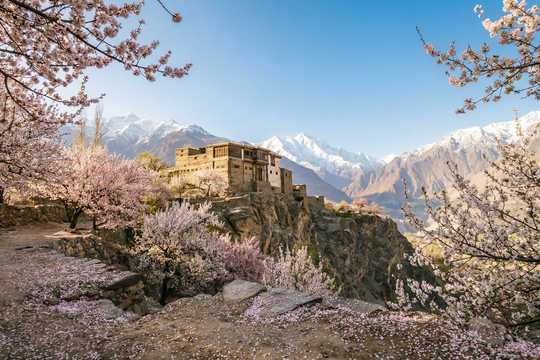
    In the spring, the temperatures begin to rise and the valleys are filled with growth as the flowers and fruit trees bloom. Whilst the weather in the mountains remains cold and unsettled, the clouds are beginning to lift and the snow melt flows through the rivers. Spring is a popular time for tourists in the lower areas of Pakistan. Trekking and climbing routes are beginning to clear but the roads to reach the routes are likely to be snow-covered and getting to the mountains may not be possible.
  • June to September

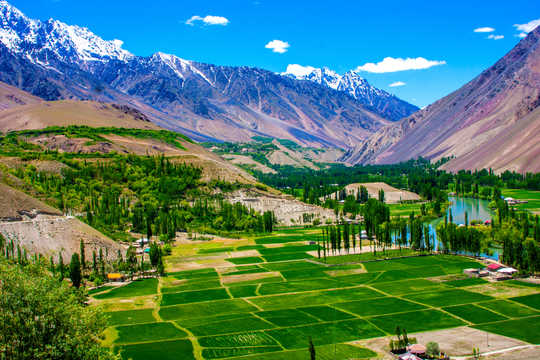
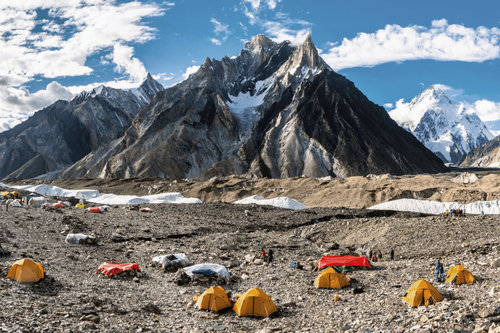
    During the summer, temperatures can exceed 40°C in the central and southern plains of Punjab and Sindh. The Monsoon rains typically arrive in July and last into September and much of the country is hit by heavy rainfall. The rain does not affect the mountains regions of the north and the weather there remains cool and relatively calm. Summer is the main trekking and climbing season in Pakistan.
  • October to November

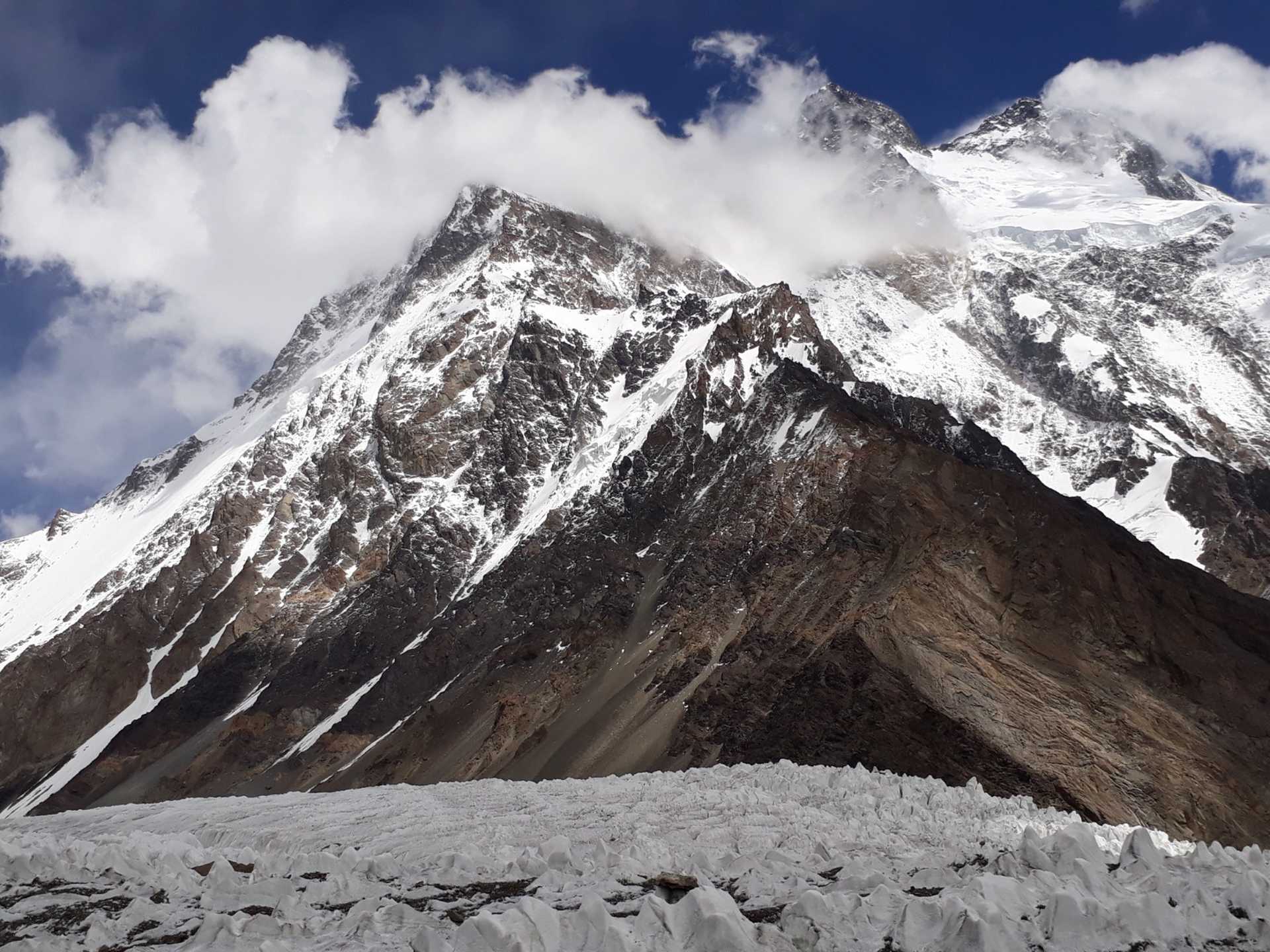
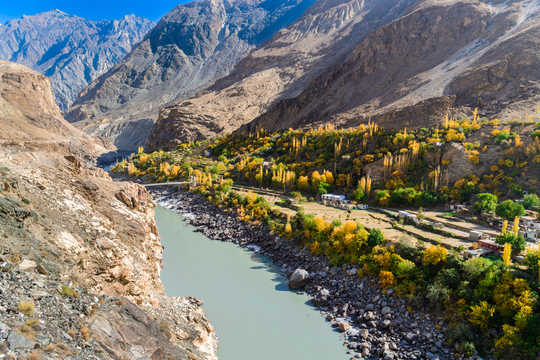
    In the lower regions of Pakistan, the temperatures are becoming cooler and more comfortable as autumn begins. The leaves are beginning to change from green to golden browns in the mountain valleys and the main trekking season comes to an end. Low level treks may still be possible, depending on the area but high-altitude routes such as the trek to K2 Base Camp are covered with snow by October and the night time temperatures are becoming very low meaning these treks cannot be attempted.

Temperatures and climate

Min/max temp (°C) / Average rainfall (mm)

  • Islamabad

    Jan Feb Mar Apr May Jun Jul Aug Sep Oct Nov Dec
    Average temp C° min / max
    4° / 24°
    4° / 25°
    7° / 32°
    12° / 36°
    19° / 45°
    21° / 45°
    22° / 37°
    22° / 37°
    22° / 36°
    15° / 34°
    6° / 29°
    5° / 23°
    Average rainfall (mm)
    56
    84
    92
    64
    36
    75
    311
    338
    109
    28
    17
    36
  • Skardu

    Jan Feb Mar Apr May Jun Jul Aug Sep Oct Nov Dec
    Average temp C° min / max
    -6° / 15°
    -3° / 18°
    -2° / 20°
    5° / 31°
    11° / 34°
    13° / 36°
    16° / 37°
    15° / 34°
    10° / 32°
    4° / 29°
    -5° / 24°
    -4° / 13°
    Average rainfall (mm)
    49
    78
    87
    107
    101
    143
    107
    123
    76
    10
    46
    34
  • Askole

    Jan Feb Mar Apr May Jun Jul Aug Sep Oct Nov Dec
    Average temp C° min / max
    -5° / 13°
    -3° / 20°
    1° / 24°
    5° / 28°
    9° / 32°
    14° / 32°
    18° / 35°
    16° / 34°
    10° / 33°
    3° / 31°
    -5° / 24°
    -4° / 14°
    Average rainfall (mm)
    84
    99
    142
    112
    84
    112
    193
    183
    97
    56
    74
    36

Holidays and festivities

  • National Cultural Festival

    February
    This nine day festival marks the start of Pakistan’s festival calendar and celebrates the diversity of traditional arts and crafts. Expect to see dances, listen to music and meet skilled artisans and craftspeople displaying and selling their goods.
  • Pakistan Flower Show

    February
    Organised by the Horticulture Society of Pakistan, this evet is held in Karachi and showcases the best plants and flowers of the season.
  • Basant

    March
    Pakitan’s annual kite festival marks the end of winter and beginning of spring. The festival is held in Lahore and the skies turn from blue to multi-coloured and ever-changing. This is one of the most popular festivals in the country.
  • Chitral Festival

    September
    Also known as ‘The Pakistani Olympics’, the Chitral Festival celebrates competitive sports and spectators can expect to watch archery, dance, wrestling, rock climbing to sitar music and dramatic arts performances.