

K2 Base Camp Trek difficulty
Trekking to K2 Base Camp is one of the most spectacular journeys on Earth, but it’s not for the faint hearted.
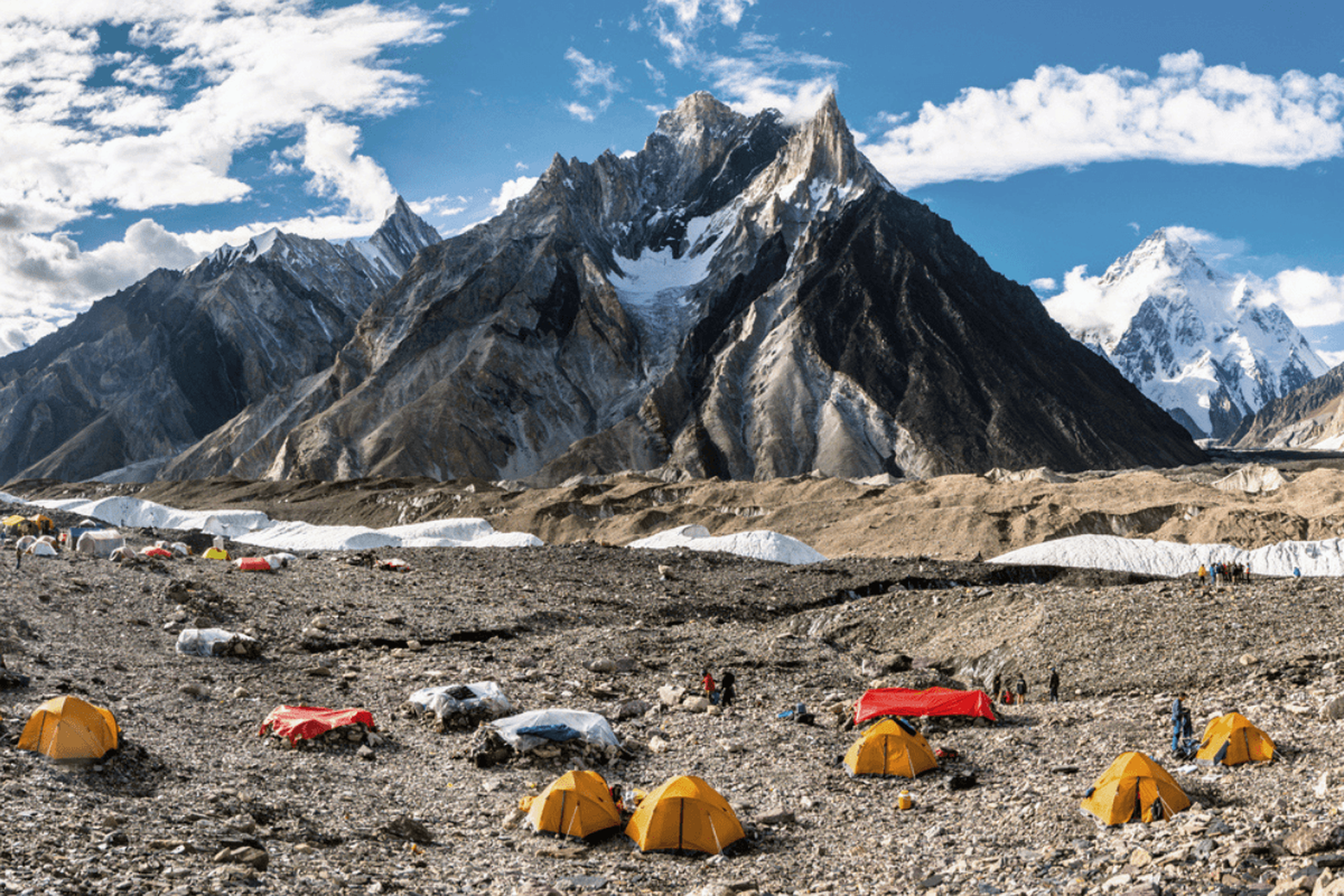
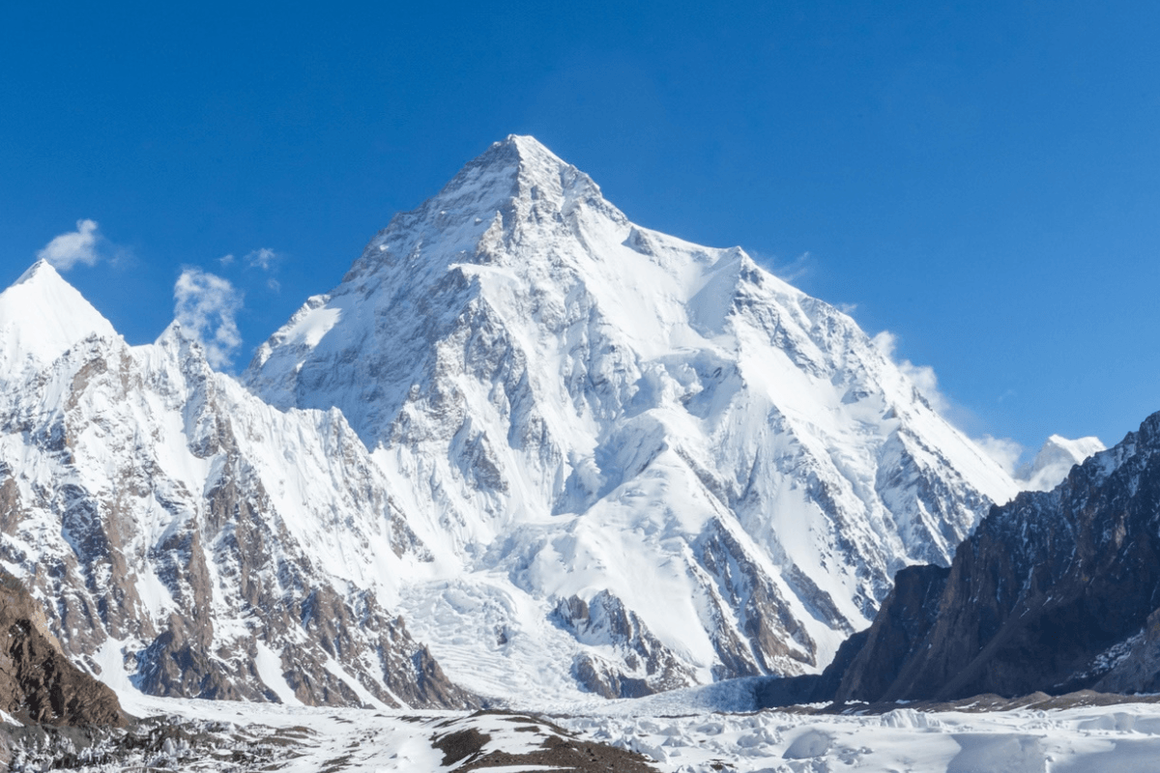
Located in Pakistan’s remote Karakoram mountains, K2 Base Camp sits beneath the world’s second highest mountain, K2. The route to K2 Base Camp explores wild mountains, ancient glaciers, soaring peaks, and fascinating Balti culture.
But just how hard is the K2 Base Camp trek?
This guide explores why this challenge is so demanding and how to prepare for this epic adventure.
What makes the K2 Base Camp Trek so difficult?
There’s no single factor that makes K2 Base Camp trekking challenging. The challenge comes down to a combination of obstacles that collectively mean this trek requires preparation and mental fortitude.
The biggest challenges include:
- High altitudes
- Long, consecutive trekking days
- Uneven terrain
- Negotiating glaciers
- River crossings
- Limited facilities
- Unpredictable weather and conditions
- Multiple nights camping
For determined and fit trekkers, this trip offers an unforgettable adventure amongst the world’s highest mountains. Maintaining your energy and attitude across multiple days is the key to the success of completing this iconic journey.
How long does the K2 Base Camp Trek take?
The entire trip duration is usually 18-21 days including travel, contingency, and acclimatisation days. Expect approximately 14 days of trekking in total.
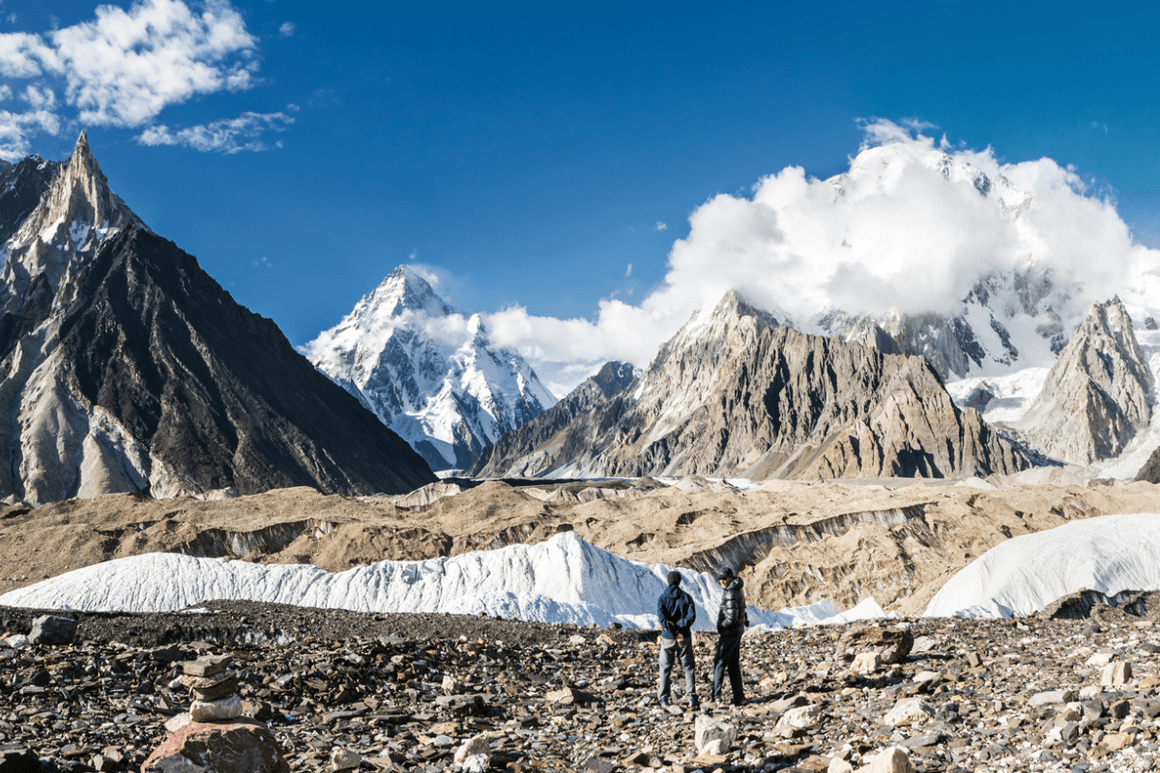
The route typically departs Islamabad for Skardu by plane, then overland to Askole by road in a 4x4. The trek then follows the Baltoro Glacier before ascending to the iconic Concordia, a natural amphitheatre with astounding views of the surrounding peaks. Broad Peak Base Camp and K2 Base Camp are within approximately 10km of Concordia.
Some days may involve 7-8 hours trekking while others are shorter, with various degrees of ascent.
Related reading: Find out more about the K2 Base Camp trek itinerary in our article, Ultimate Guide to the K2 Base Camp Trek.
What technical skills, experience, and fitness do you need to climb K2?
You need a good level of fitness, experience of trekking at altitude, and a strong mindset. You don’t need to be an athlete or experienced mountaineer to trek to K2 Base Camp. No previous mountaineering experience or skills are necessary. This is not a technical trek.
In terms of the K2 Base Camp trek fitness requirements, you should be comfortable walking all day, on consecutive days, carrying a backpack over uneven ground. You also need to be prepared for progressively less oxygen making it harder going at higher altitude.
If you regularly walk, run, cycle, or enjoy other endurance activities, you’ll have a good fitness foundation for trekking to K2 Base Camp.
Don’t underestimate the effects of camping on the trek, either. A good night’s sleep is essential to the success of your trip. Unless you’re a regular camper, consider spending a few nights camping in cold conditions to prepare yourself for what’s to come.
How to handle altitude on the K2 Base Camp Trek
The best way to acclimatise your body and prevent altitude sickness is to allow enough time for it to adjust to the lower oxygen availability.
The higher you climb, the less oxygen there is in the air. This lack of oxygen means easy tasks (such as putting on your boots) become more laborious. Symptoms such as headaches, fatigue, nausea, diarrhoea, and vomiting are all common side effects.
While spending time at altitude is good preparation for this high-altitude trek, even the fittest athletes can struggle with altitude sickness. For many, the altitude is the hardest part of trekking to K2 Base Camp.
Acclimatisation days and following the golden trekking rule of hiking high and sleeping low help your body get used to the oxygen levels.
Make sure you look for K2 Base Camp trips that include sufficient time to acclimate.
What is the terrain like on the K2 Base Camp Trek?
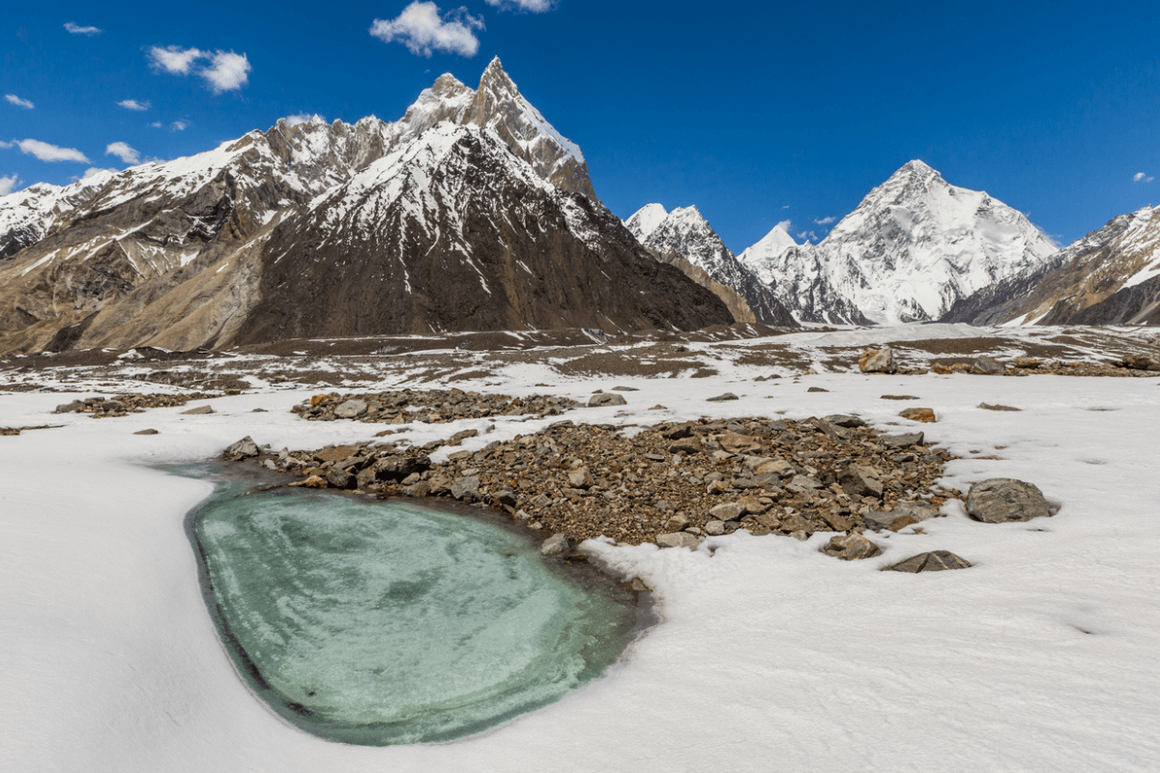
Loose, uneven, rocky, and steep, but majestic.
Unlike the famous trek to Everest Base Camp, the K2 Base Camp path isn’t a maintained trail. The remote ruggedness of the Baltoro region changes conditions underfoot constantly.
Negotiating loose gravel, steep sections, ice, boulders, moraine, and rivers takes a significant toll on your feet, ankles, calves, and knees. You’ll spend a lot of time looking at the ground to ensure safe passage
.The demanding nature of the terrain is a major challenge on this trek and one that shouldn’t be overlooked. Practicing in similar conditions will help prepare your body for this journey.
Negotiating the Gondogoro La Pass
The most challenging part of the K2 Base Camp trek is negotiating through the Gondogoro La Pass which reaches 5,585m. Not all K2BC treks follow this route though.
Some itineraries retrace their steps on an out-and-back route. Following the Gondogoro Valley is a circular route instead which ends in the Hushe Valley.
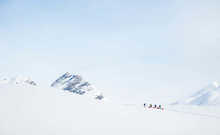
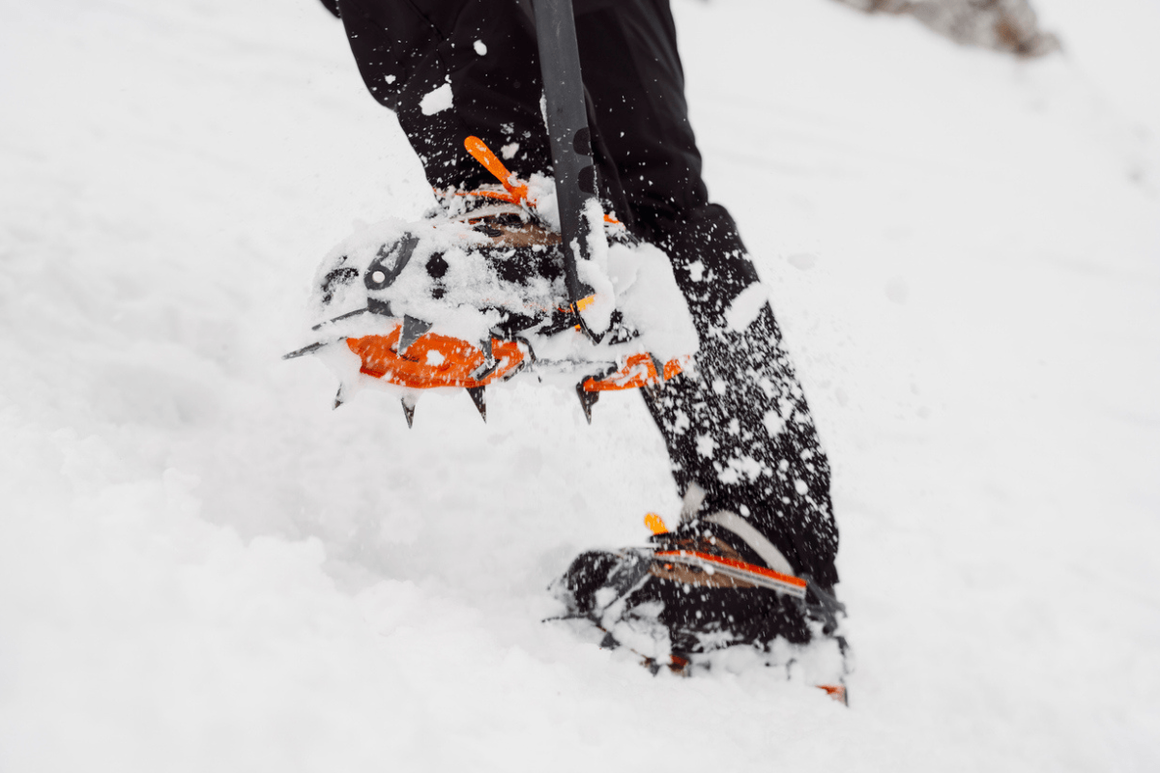
Trekking through some sections of the Gondogoro pass requires attaching to a rope, donning helmets, harnesses and crampons, and occasionally using an ice axe. Usually, no prior experience is needed, and you’ll have the opportunity to practice before you begin.
The icy and snowy conditions of this high-altitude pass can make sections hard going and being roped together provides additional safety.
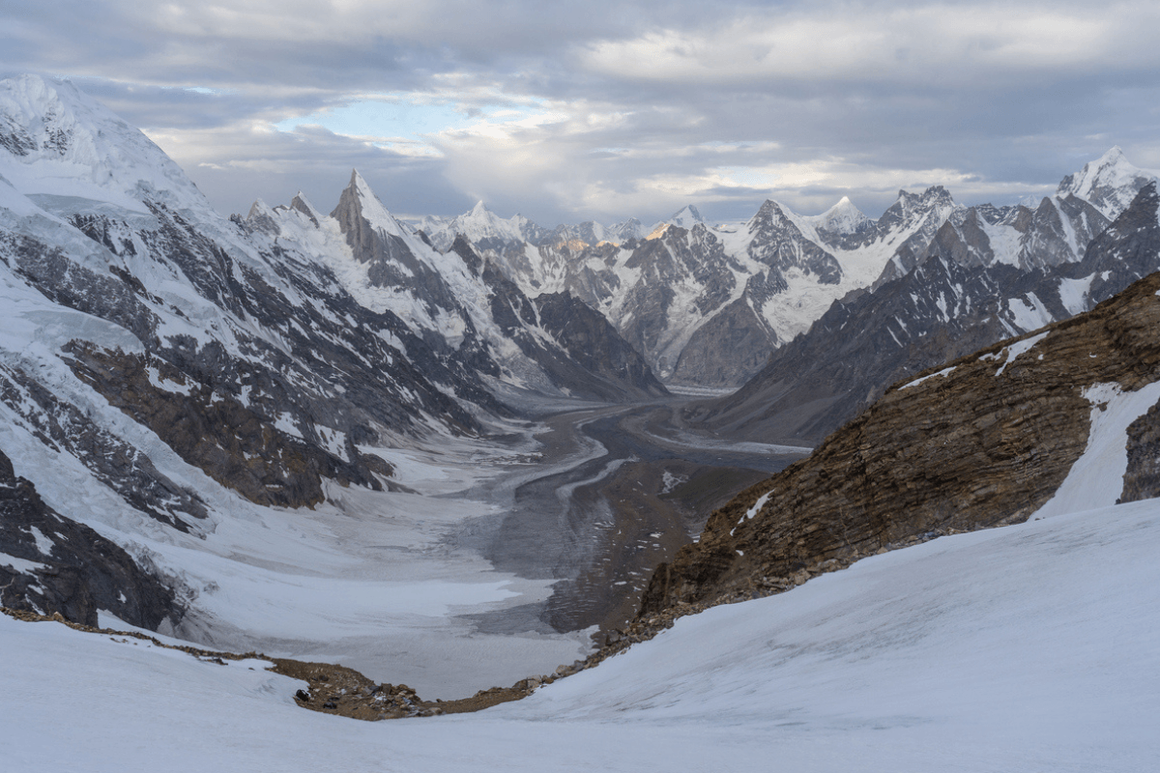
K2 Base Camp weather and conditions
Aside from the physical and mental toll of multi-day trekking, conditions in the Karakoram are notoriously changeable.
Expect:
- Severe temperature changes
- Hot daytime temperatures
- Cold nights camping
- High winds
- Occasional storms
- Rockfall, landslides, snow, and ice
Temperatures can range from 25°C/77°F around Askole during the day to 5°C/41°F higher up, and from -5°C/23°F to -15°C/5°F at night. Sun exposure is high, so sunscreen is essential even when it’s cold.
Afternoon storms during the summer can arrive quickly and depart just as fast. They can make the terrain muddy, slippery, and loose, which can be challenging to navigate.
High winds are often relentless through the mountains, masking the strength of the sun and making sudden drops and narrow paths more daunting. They also send loose rocks scurrying down the slopes adding to the unevenness of the terrain.
When the K2 Base Camp Trek might not be right for you
If you’re low on time, budget, or have a fear of heights, consider looking for alternative options.
Let’s take a look at these hurdles in more detail:
- Time constraints. Allow 3 weeks for your trek. In addition, you’ll ideally want to have completed a prior 2-3 week trek AND have trained extensively on consecutive, full day hikes. Anyone who doesn’t have the time to complete adequate training and preparation should avoid this trip.
- Budget constraints. The remote nature and duration of this trek mean it’s not a cheap adventure. The cost of the trip is down to the complicated logistics of a multi-day journey with limited facilities along the way. Those on a budget either need to allow enough time to save or consider a shorter and more cost-effective trek.
- Health conditions. Although this trek is achievable for most people with the right planning and preparation, we’d strongly advise anyone with a health condition to consider the options carefully. Medical attention and evacuation are logistically difficult so those with a high risk of injury or illness should consult their medical professional before booking the K2 Base Camp trek.
- Mental attitude. High passes, steep cliffs, crevasses, uneven ground, rockfall, and river crossings are just some of the highlights of this trip. If you’re worried about any of these elements, consider looking at alternative treks. It’s not always easy or possible to turn back after departure.
How to train for K2 Base Camp
The best way to train for K2 Base Camp is to build your endurance, strength, and confidence on long, consecutive hikes. The trek isn’t technically difficult, but the high altitude, steep terrain, and multiple days of walking demand thorough preparation.
Build endurance
Long walks should form the foundation of your preparation. All-day hikes with ascent and descent are ideal. If you can manage this at altitude, even better!
Build up to gradually longer, steeper hikes and find rocky and loose terrain to simulate conditions in Pakistan.
Train consecutively
Once you’re comfortable walking all day, add a second day to your schedule. Rather than a full day’s hike followed by a few days’ rest, consider spending a whole weekend walking to get used to back-to-back days trekking. The more frequently you can do this, the better you’ll be prepared for a multi-day adventure.
If possible, factor in a 2-3 week walking expedition in advance of your trek to build endurance and test your fitness.
Use strength training
Strength training your legs and core will help build the fitness required to navigate uneven terrain and trek carrying a daypack. Squats, lunges, step-ups, and other lower body exercises can be done at home or the gym to build leg strength.
Test your kit
Train in the boots you’ll wear on your trek. There’s nothing worse than dealing with blisters on a multi-day adventure. You should also wear your trekking clothing on training hikes to make sure nothing rubs and everything is comfortable before you depart.
Also practice walking with double your daypack weight – 10-15kg ideally, so prepare yourself for carrying your bag at higher altitudes.
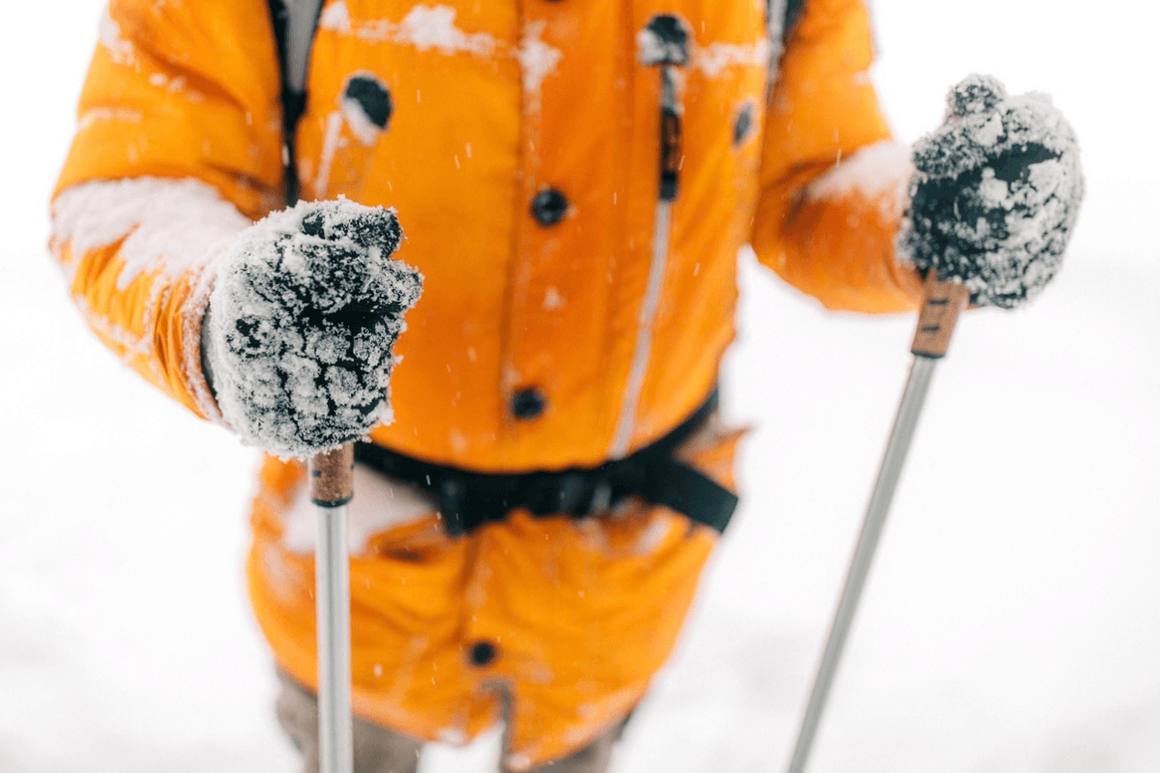
If you plan to use trekking poles, familiarise yourself with these too beforehand. They’ll help spread the load from your lower body to your upper body, provide stability on uneven ground, and spare your knees somewhat during descent.
Training treks
- Everest Base Camp Trek (Nepal): gold standard warm-up; similar altitude, less technical
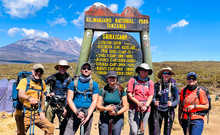
- Kilimanjaro (Tanzania): high altitude focus; less technical but good fitness builder
- Inca Trail (Peru): technical trekking at altitude; good difficulty match
- Tour du Mont Blanc (France/Italy/Switzerland): Alpine terrain and glacier experience; lower altitude
- Manaslu Circuit (Nepal): lesser-known alternative; high altitude with more solitude
Are you ready for K2 Base Camp?
If you answer YES to the following statements, then you’re probably ready for your K2 Base Camp trek:
- Can you walk 8+ hours with 1,000m+ elevation gain without struggling? (You won’t need to gain 1,000m in one go, but if your body can handle this, you’ll be well equipped to deal with higher altitudes.)
- Have you completed a 2-3 week mountain trek above 3,500m?
- Do you have 3 weeks to spare?
- Are you comfortable camping and managing basic outdoor facilities?
- Can you handle the cold well (sleeping at -10°C)?
- Can you push through discomfort mentally without breaking down?
- Do you have patience and flexibility for weather delays and route changes?
Common misconceptions about K2 Base Camp Trek difficulty
Let’s debunk some of the most common misconceptions about trekking to K2BC.
“It's as hard as summiting K2.”
Ha! It’s much easier to trek to Base Camp than K2s summit. You don’t need any mountaineering experience, and the altitude is much lower.
“Only elite mountaineers can do it.”
False. K2BC requires a good level of fitness and high-altitude experience, but no mountaineering skills are necessary.
“You'll get serious altitude sickness.”
Most people can handle the altitude. Experience of high-altitude trekking is important, as are acclimatisation days, good fitness, and a positive mental attitude. With plenty of planning and preparation, the serious side effects of altitude sickness can be avoided.
“You can do it out of shape with willpower alone.”
Not true. Even the strongest will in the world won’t keep you going 7-8 hours a day, for consecutive days. If you haven’t completed any training, you might want to pick another itinerary.
“Everest Base Camp is just as hard.”
The K2 Base Camp trek is significantly more challenging than hiking to Everest Base Camp. It’s a longer journey and is more remote. Facilities are more basic and you camp throughout. This takes more of a toll than sleeping in teahouses while trekking in Nepal.
Trek to K2 Base Camp with Kandoo Adventures
So, how hard is the K2 Base Camp trek? The short answer is that it’s pretty challenging. The combination of rugged terrain, remote wilderness, changeable conditions, and high altitude make this a physically demanding feat.
Yet, the opportunity to trek amongst the highest mountains in the world is unmissable for budding mountaineers and trekkers.
If you’re up for the challenge, get in touch! The travel experts at Kandoo HQ are passionate about high-altitude adventures and will guide you through planning your K2 adventure.