22-day adventure
K2 Base Camp and Concordia
Pakistan
- Trekking

Contact
our UK team
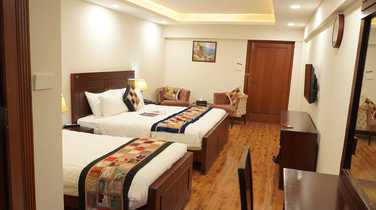
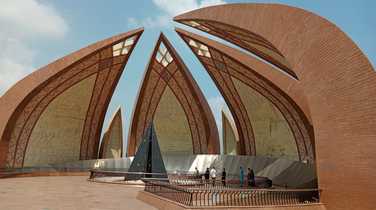
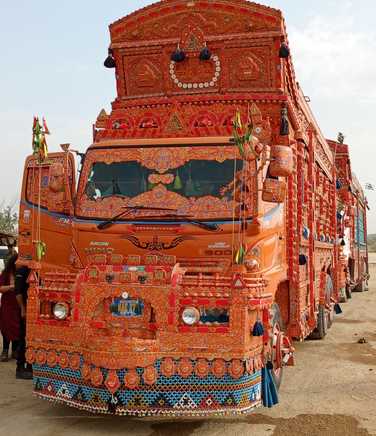
Welcome to Islamabad! From Islamabad Airport (ISB) we will arrange a private transfer to your hotel. Once you have checked-in, there is time to have some breakfast and rest before meeting your guide, tour leader and the rest of your group at this afternoon's pre-trek briefing.
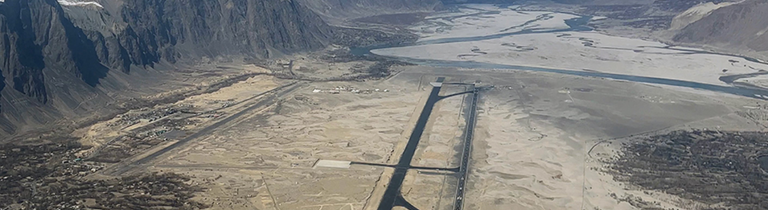
The flight from Islamabad to Skardu takes just over an hour and it is no exaggeration to say it is one of the most scenic flights in the world. With views of the Himalaya and Karakoram ranges, see if you can spot Nanga Parbat (8126m) or even the magnificent K2. After landing, we take a short transfer to our hotel and then have the afternoon free to explore. Must-see places in Skardu include the historic Kharpocho Fort, from where you have immense views over the Indus Valley. Alternatively, the beautiful turquoise Satpara Lake is just under an hours drive away.
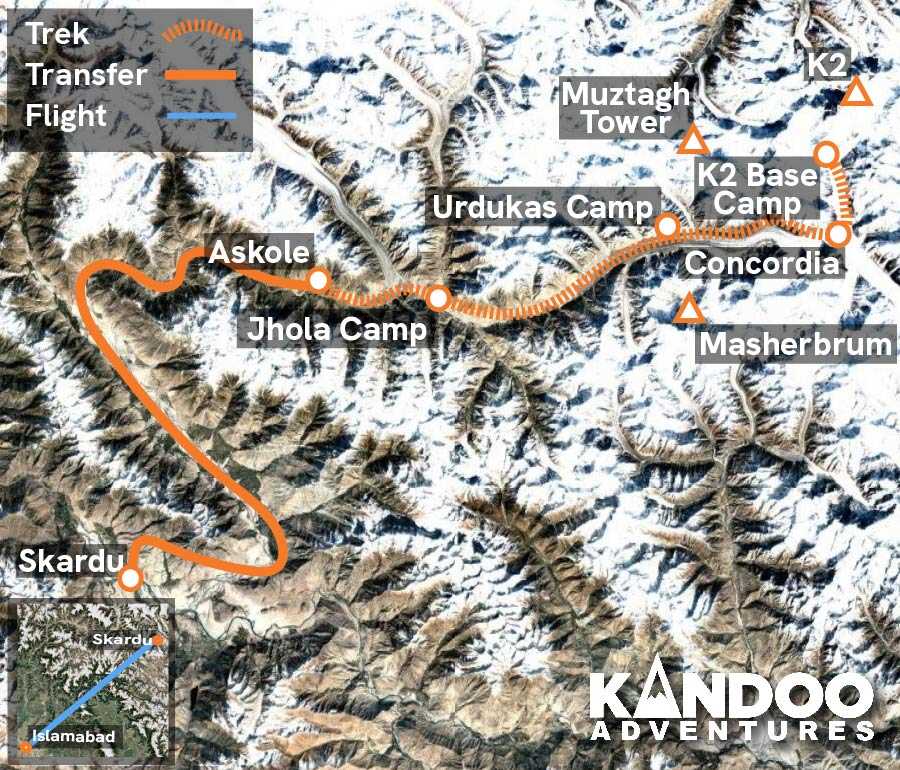
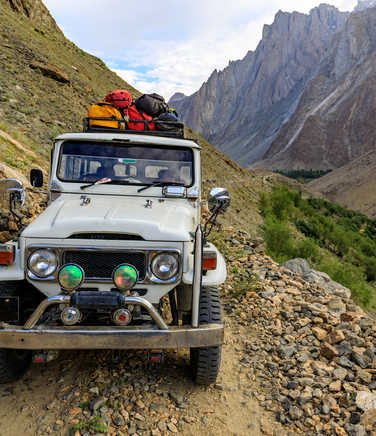
This morning, we leave Skardu in 4x4s as we take the mountain road into the rugged Braldu Valley. Passing through the lush Shigar Valley, the road becomes rough and narrow as it heads east along the Braldu River. The route then navigates the narrow, steep-sided Braldu Gorge, accessible only on foot when the first climbing teams arrived in Pakistan but today, the journey can be made in all-terrain vehicles. It's a pretty exciting ride! The village of Askole, also known as the Gateway to the Karakoram, is the last inhabited settlement on the route and it is here that we meet the rest of our support crew, including cooks and porters. Tonight, we will camp overlooking the Braldu River. This route can be affected by landslides and, if it becomes impossible to drive, the journey will be completed on foot.
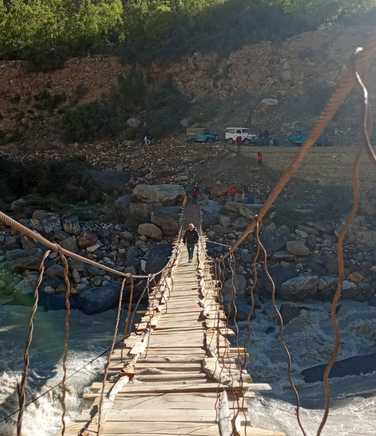
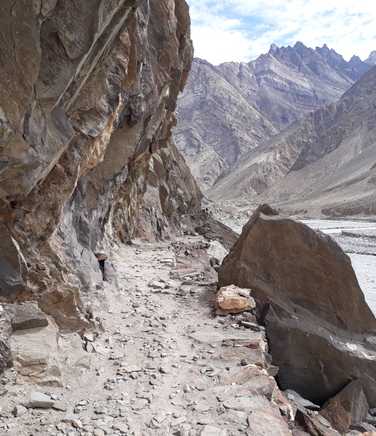
Today marks the start of our trek. Departing Askole, the highest settlement in the valley, the trail weaves beside cultivated fields tended by generations of Balti families and shepherds before reaching the CKNP checkpoint where we complete relevant formalities. As we head through the Braldu Valley, we cross traditional bridges over meltwater flowing from the Biafo Glacier and the confluence of the Braldu and Panma rivers. Towards the end of today's trek, the path takes us through a narrow section of the trail that has been hand-carved into the cliffside and provides spectacular views into the gorge below. Tonight we camp at Jhola Camp, beside the Braldu river.
Today's trek follows the Braldu river deeper into the Karakoram, passing the former campsites of Choghobrak and Bardumal, which are now no longer used due to erosion from the ever-shifting flow of the river. Water shoes / lightweight trekking sandals will come in handy as we cross several glacial streams. As we gain elevation, the scenery increasingly spectacular as we head towards the enormous Baltoro Glacier. In the distance, the skyline is dominated by the Trango Towers and Cathedral Peaks. It it's very clear, you may even catch a glimpse of K2, hiding behind the elegant Lobsang Spire. Tonight we camp beneath juniper and willow trees at Paiju Camp, a long-established expedition staging point.
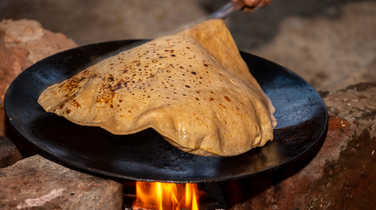
Paiju Camp is one of the most comfortable sites we visit on the trek, with reliable spring water, level tent sites, shaded areas and wash basins. Today is an important chance to reorganise and repack supplies as well as baking bread and preparing food for the next few days. From the camp, there are a number of short acclimatisation walks which are designed to aid your body's adjustment to the altitude.
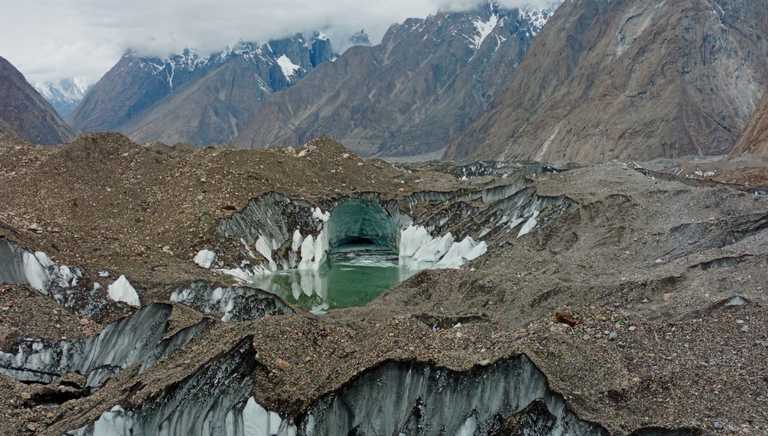
Today is one of the toughest on the trek, as we climb onto the Baltoro Glacier, one of the world's longest non-polar glaaciers. Marvel at the torrents of glacial meltwater flowing out from underneath the ice before taking our first steps onto the glacier's surface. The route traverses the southern side of the glacier where we will trek across ice and rocky moraines. We will camp tonight at Horbose Camp where we will have views of Cathederal Towers, Trango Towers and the striking rock spires of Uli Bioaho that are simply out of this world.
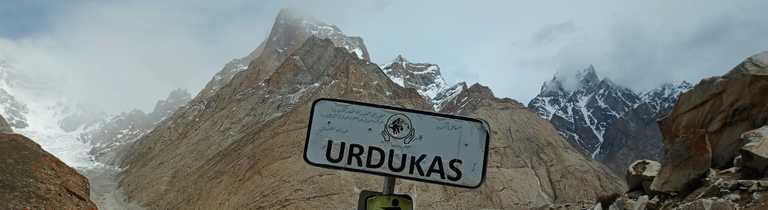
Whilst today's trek is a shorter one, the uneven glacial terrain requires care and attention as we trek eastwards towards the famous Urdukas Camp, sitting 100m above the glacier. The camp was established in 1909 for the Duke of Abruzzi's K2 expedition and, from its elevated position you will have uninterrupted views across the enormous glacier.
We spend the whole of today on the glacier as our path undulates over ridges of morain shaped by the glacier's slow but constant movement. Looking around us, we see Masherbrum (7821m) and Gasherbrum IV (7925m) come into full view. Wrap up warm tonight as the temperatures drop significantly as the sun sets and we spend the night on the glacier itself.
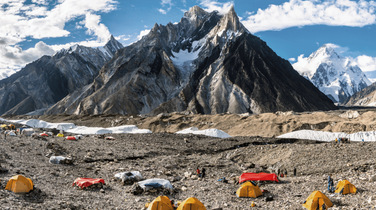
After a hearty breakfast, we lace up our boots and continue over the glacier to Concordia. Often described as the ‘Throne Room of the Mountain Gods’, it is the spectacular cross-roads where the Baltoro, Godwin-Austin, Vigne and Upper Baltoro glaciers converge. Named by explorer Sir Martin Conway after the famous glacial confluence in Switzerland’s Bernese Oberland, it is widely regarded as one of the finest mountain viewpoints on Earth. We camp tonight beneath these magnificent giants.
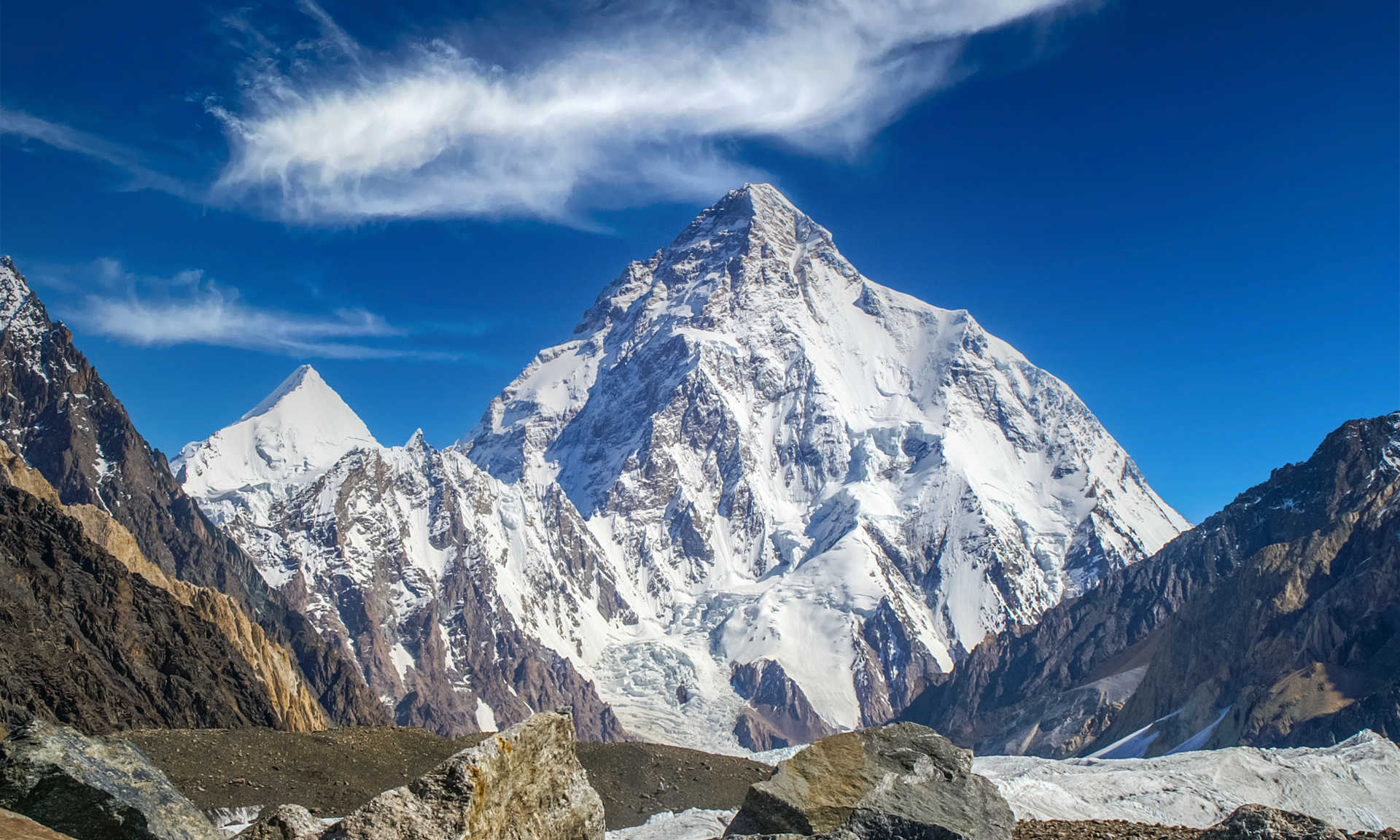
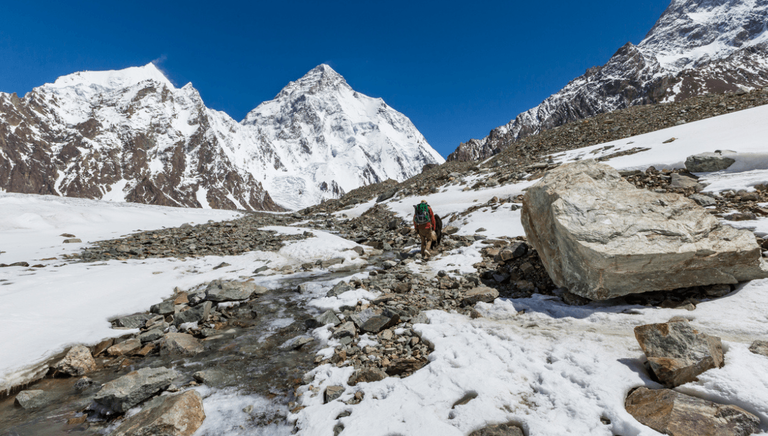
Today's the day! We head north along the Godwin-Austin Glacier, following the historic route taken by generations of climbers and explorers towards the legendary K2. The beginning of the walk is the most challenging and your guides will navigate you through the confluence of the Godwin-Austin and Baltoro Glaciers. The terrain is constantly changing and a well-chosen route is required through meltwater streams and across moraine, glacial ice and possible crevasses. Once we are past this, the route becomes more straightforward and it takes around four hours to reach Broad Peak Base Camp. For those who want to continue, there is an optional return hike to K2 Base Camp (this takes around 4 hours).
After an unforgettable visit to K2 Base Camp, we retrace our steps down the Godwin Austin Glacier to Concordia. Now that we have started our descent to lower altitudes, the trekking should start to feel a little easier and we can begin to reflect on our incredible experience so far.
We wake up one last time surrounded by so many towering granite peaks and soak it all in as we enjoy a leisurely breakfast. With our bags packed, we wave farewell to K2 and continue down the Baltoro Glacier. Shakspung Camp is situated on an elevated moraine ridge. In the Balti language, Shakspung means 'a big pile of stones'. Now that we have achieved the toughest days of the trek, this evening we can celebrate our achievement and the new friendships we have formed. Your Balti trekking crew may want to share traditional songs and music with you as they join in the celebration.
As we continue our descent of the Baltoro Glacier, we get a different perspective of the Karakoram as the mountains that seemed level with us earlier in the trek now tower overhead. From our elevated position on the glacier, we can see the striking Biale Peak which is only visible from this unique vantage point. Horbose Camp will be our first campsite off the glacier and, at this lower altitude, we start to see green patches of vegetation.
Today's route takes us back to the flowing spring water and groves of willow and juniper at Paiju Camp. As we continue our descent, we detour south to cross the Liligo Glacier before returning to the northern side of the main Baltoro Glacier. At this lower altitude, the temperatures are warmer here and the campsite comfortable.
Today we leave the Baltoro Glacier behind us and journey into the lower Braldo Valley. The trail follows the twists and turns of the Braldo River and we can marvel at the deep gorges and sheer cliffs that have been created by centuries of water forcing its way through the rock. During today's trek, we cross several glacial streams so have your water shoes / trekking sandals close to hand if there are no stepping stones or bridges available. We will also retrace our steps carefully over exposed sections of the trail which offer unbeatable views into the steep-sided gorge. Jhola Camp is a peaceful space with more greenery than we have seen for many days now.
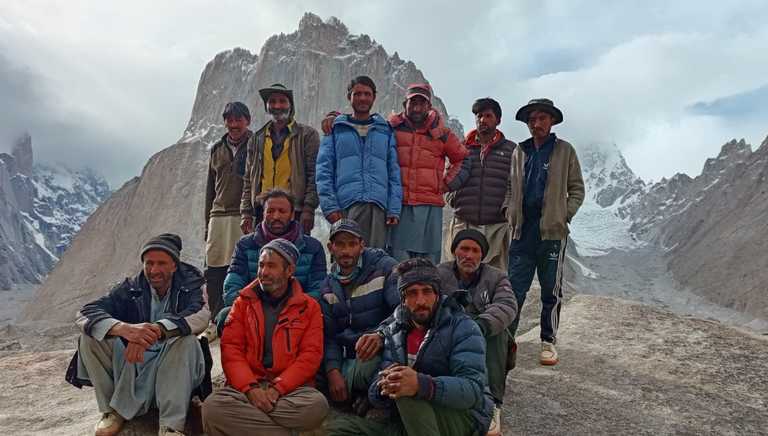
Our final days trekking follows morains created by the Biafo Glacier before we cross the 'King's Polo Ground', the local name for a broad, open area of ground that offers significant contrast to the rugged terrain of the past few days. A little further along the trail, we encounter the first signs of human habitation as we see traditional irrigation channels created by the local Balti people to carry precious glacial meltwater to the cultivated terraces of Askole. We will camp just a short walk from the village and, tonight, bid a fond farewell to our trekking crew, many of whom call Askole home.
After breakfast, we start the scenic return journey to Skardu by 4x4. Leaving the steep walls of the gorges behind, the landscape gradually transforms as we descend into the Shigar Valley, speckled with traditional Balti Villages, orchards and well-tended farmland. We continue along the smooth highway which takes us to our hotel in shardu where we can take a well-earned shower before having time to explore or simply rest after your trek. This evening we will all dine together in celebration of our achievement.
We will take the short, scenic flight to Islamabad and arrive at our hotel. You then have a free afternoon and time to explore the sights and sounds of Islamabad.
In case weather has affected your flights between Islamabad and Skardu, one of these days may be used for travel. If your scheduled flights operated as planned, you will have more time to explore at leisure in Islamabad.
We will collect you from your hotel and transfer you to Islamabad Airport for your departing flight.
Each
day begins with a hearty breakfast with plenty of hot options including eggs,
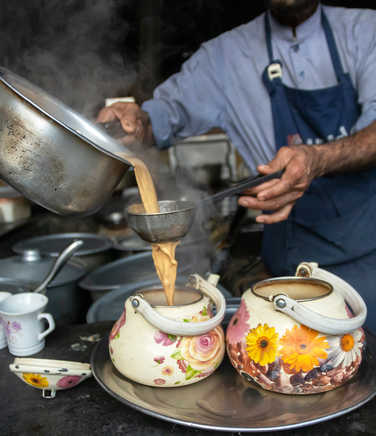
porridge, freshly baked breads and chapatis as well as plenty of tea and
coffee. There will also be a selection of jams and spreads.
Depending
on where we are on the trek, lunch may be served picnic-style or a hot,
sit-down meal. Typical lunch dishes include cheese, breads, tinned fish / meat,
hot noodles and soup, as well as plenty of hot drinks.
Each
evening, we convene in the communal mess tent to enjoy a delicious three-course
meal. We start with a freshly prepared soup, followed by a substantial main
course combining rice, pasta or potatoes with vegetables and lentils or tinned
meat. If you still have room, there will be a small desert and hot drinks.
If you are unhappy about any aspect of the vehicle or the
standard of driving, please speak to the driver or our local office.
On this trip, we recommend bringing the following luggage:
Our
trips in Pakistan start from Islamabad. From the UK, British Airways offer
direct flights from London airports
and you can find indirect flights with Ethiad,
Turkish Air and Pakistan International Airlines. For travellers coming from the
USA, Emirates, Qatar and Turkish Airlines operate indirect flights from across
the United States.
We
always recommend taking your time deciding which airline to travel with as you
may find mixed customer experiences relating to customer service and baggage
handling.
The
vast majority of international flights arrive into
Islamabad in the morning which gives you time to settle in at your hotel before
the pre-trek briefing on your scheduled arrival day.
If
you are changing airlines or re-checking your luggage at an airport en-route,
please ensure you leave a minimum of 3 hours between flights. This will account
for any delays on arrival, travel time across airports (this can take longer
than you think) and time taken to re-check bags.
Once you have cleared immigration
and collected your luggage, make your way to the main doors. Your driver will
be outside these doors, holding a ‘Kandoo’ sign or a sign displaying your name.
If you have chosen to make your own way to the pre-trip hotel, you can easily
find a taxi at the airport. The address of your hotel is on your trip
itinerary. It takes about 35-45 minutes to drive to the hotel depending on
traffic.
It
is a requirement of joining any of our treks that you attend a pre-trek
briefing before the trek begins. This gives our guide team the opportunity to
review the plans for the trek with you, make sure you have all the right gear
and answer any questions you may have. Your guide will also go through
everything that you will need to bring on the trek with you, including travel
documents for your flights and checkpoints on the trek. We will also carry out
a pre-trek health check which must be completed before you trek to high
altitude. In order to
set a base line for your daily health check, your resting pulse rate will be
tested and if it is above 100 you will be required to see a doctor before
starting your trek. The majority of
international flights arrive in Islamabad in the morning
and your briefing will be held at 1pm on day one, after you have checked-in and
had time to grab some breakfast / lunch.
If
you should arrive on a later flight, you will still need to be given the full
briefing before you go to bed. We need to complete our safety checks in the
evening as we will have an early start in the morning.
The Pakistani Rupee is
a closed currency so you will not be able to buy this before you arrive.
Pakistan has a mostly cash-based economy and, whilst you may be able to use
Visa / Mastercard in larger shops in cities, you should not rely on being able
to pay by card. It is advisable to travel with US Dollars as these are widely
accepted at currency exchange offices. It is very important that bills be new
(less than 10 years old), crisp and untorn. We recommend changing currency in
Islamabad rather than at the airport as you will get a much better exchange
rate. Your hotel is
located in
the Blue Area, Islamabad’s business district, and there are exchange offices
within waking distance of hotel. Your guide will be happy to assist you in
finding these should you need them to. Alternatively, you may be able to
exchange a small amount of currency at the hotel reception, but expect to pay a higher exchange
rate.
You will need to budget for meals
in Islamabad
and Skardu as well as any souvenirs.
Depending on your tastes, you can eat for as little as $3 / £2 or treat
yourself to a three-course meal for around $20 / £15. If you are relying on a
credit or debit card for emergency funds, make sure you tell your card issuer
that you will be using it abroad, or you may find that it won't work when you
really need it.
US dollars are also useful if you
have run out of rupees and we recommend bringing a small amount of cash in USD.
We realise that tipping may not
be a common practice in all countries but it is a long-standing
tradition in Pakistan
that all operators support and provides valuable support to the families and
communities involved in the trekking industry. The decision on how much to tip
should be determined by how well the team served you while you were on the
trek. Tips are always discretionary and if you are not happy with the service
you have received you do not have to pay tips. Tips should be made in
Pakistani Rupees. The group tip can be given to your porters and guides during
a small farewell ceremony on your last night in Askole. We recommend a tip of between $165 - $190 / £120 - £140 per
trekker.
Tipping is entirely voluntary
and, if you are not satisfied with the service you have received, you are under
no obligation to tip.
We
have a limited number of sleeping bags and lightweight inflatable sleeping mats
available to rent and this is subject to availability. You should bring a
sleeping bag liner for hygiene purposes. If you are planning on renting items
from our local team, please let us know at least six weeks before the start of
your trip. Please see below for rental costs for the duration of the trip:
Payment
should be made in local currency.
If
you are planning on renting any other items for your trek, there are a
number of equipment hire stores in
Islamabad and Skardu. We highly recommend contacting the stores prior to your
trip to check that they have the items you will need, their opening times and
what payment is accepted. The quality of rental gear is very variable
and it is your responsibility to check carefully the condition of any item you
rent. We accept no responsibility for the quality of equipment hired.
If
you are planning on renting equipment, you need to make sure you have allowed
sufficient time at the beginning of your trip.
All
rental equipment is included in your overall trekking bag weight, so make sure
you have allowed for this when packing your bag at home. A sleeping bag will
weigh around 2kg.
| From | To | Price | Availability | Book | Enquire |
|---|---|---|---|---|---|
| 07/06/2027 | 28/06/2027 | £3,199 $4,319 |
2 more to confirm
|
Book now | Enquire now |
| 16/08/2027 | 06/09/2027 | £3,199 $4,319 |
2 more to confirm
|
Book now | Enquire now |
Want to ask us a question or book a private trip? Don't hesitate to contact us!
Contact us