
Everest vs K2
Comparing Everest vs K2 essentially comes down to height versus difficulty. Although Everest is the highest mountain in the world, K2 is widely regarded as the more technical and dangerous peak to climb.
The steeper, more challenging terrain and harsher conditions on K2 leave climbers with less margin for error. Mount Everest benefits from established and maintained routes, better infrastructure and more expedition support.
Let’s take a closer look at the highest and second highest mountains in the world and how exactly they differ.
A quick comparison of K2 vs Everest
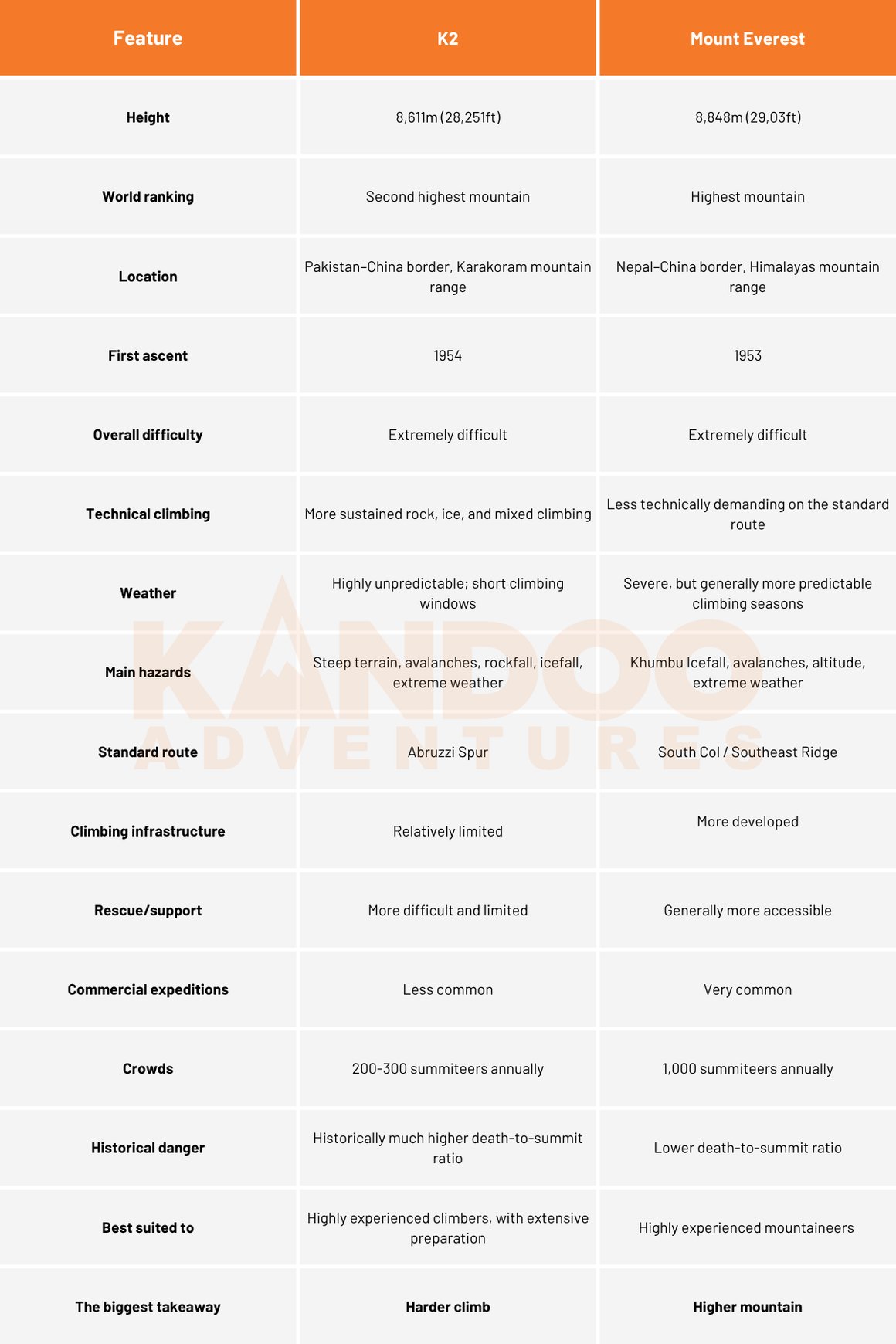
The main difference between K2 and Mount Everest is the difficulty of the climb. Everest is higher, but K2 is steeper, more technical, and generally considered a more challenging mountain.
The table below shows a quick summary of the credentials of Everest and K2 and how they compare:
Why is K2 harder to climb than Everest?
The terrain, routes, conditions, support, and accessibility on Mount Everest make it easier to summit than K2. All these factors come with additional challenges on K2, making it more physically and logistically difficult to climb.
This is why, with only 239m of vertical height between them, far more people climb Everest each year than K2.
The terrain
The steep, uneven, and changeable terrain on K2 means it’s a more technically and physically demanding climb than Everest. Unpredictable weather, high winds, and sun exposure mean the route is littered with debris, icefall, and rockfall, and avalanches are likely.
The route
The K2 route requires more attention to navigate because it isn’t as established and maintained to the same extent as Everest.
With training, preparation, and acclimatisation, non-mountaineers can climb Everest. It’s mostly a case of putting one foot in front of the other so long as you have the right training, support, equipment, and planning in place.
Climbing K2 requires technical skills to cross rocky and icy sections. Unpredictable weather also means the route is likely to change frequently.
After crossing steep rock and ice, you have to navigate the infamous Bottleneck, a steep couloir 400m below the summit. Climbers must then pass beneath a huge overhanging serac made of unstable ice before continuing towards the summit.
The descent is just as hairy. Climbers descend the Bottleneck before heading down exposed rock and ice, which is arguably more challenging than the ascent.
The conditions
Spring and autumn are the two clear seasons for trekking in Nepal that offer windows of opportunity to climb Everest. During this time the likelihood of clear weather and optimum climbing conditions are high.
Conversely, the Karakoram mountain range is further north than the Khumbu region of Nepal, and so doesn’t experience the same monsoonal rains. The main climbing season is from mid-June to September, but afternoon storms are still likely during this time and avalanches are common.
Rescue and support
The remote nature of the Karakoram and Baltistan regions make trek support and rescue on K2 logistically challenging. Rescues by helicopter are provided by the military and are a costly service. The high-risk nature of the mountain, plus the difficulty of rescue attempts, make this a more dangerous summit to attempt than Everest.
Accessibility and infrastructure
The Khumbu region of Nepal is well populated by Sherpa communities with teahouses, facilities, shops, accessible trekking routes and roads linking villages and towns.
In contrast, the Baltistan region of Pakistan is notoriously remote with few facilities along the route, few people living at high altitude and fewer roads accessing the high passes.
For explorers wanting an off-the-beaten-path experience, the Karakoram mountains are truly breathtaking, if you can cope with basic living conditions and limited access.
Recommended reading: Find out more about how Sherpa expertise has shaped a century of climbing Mount Everest.
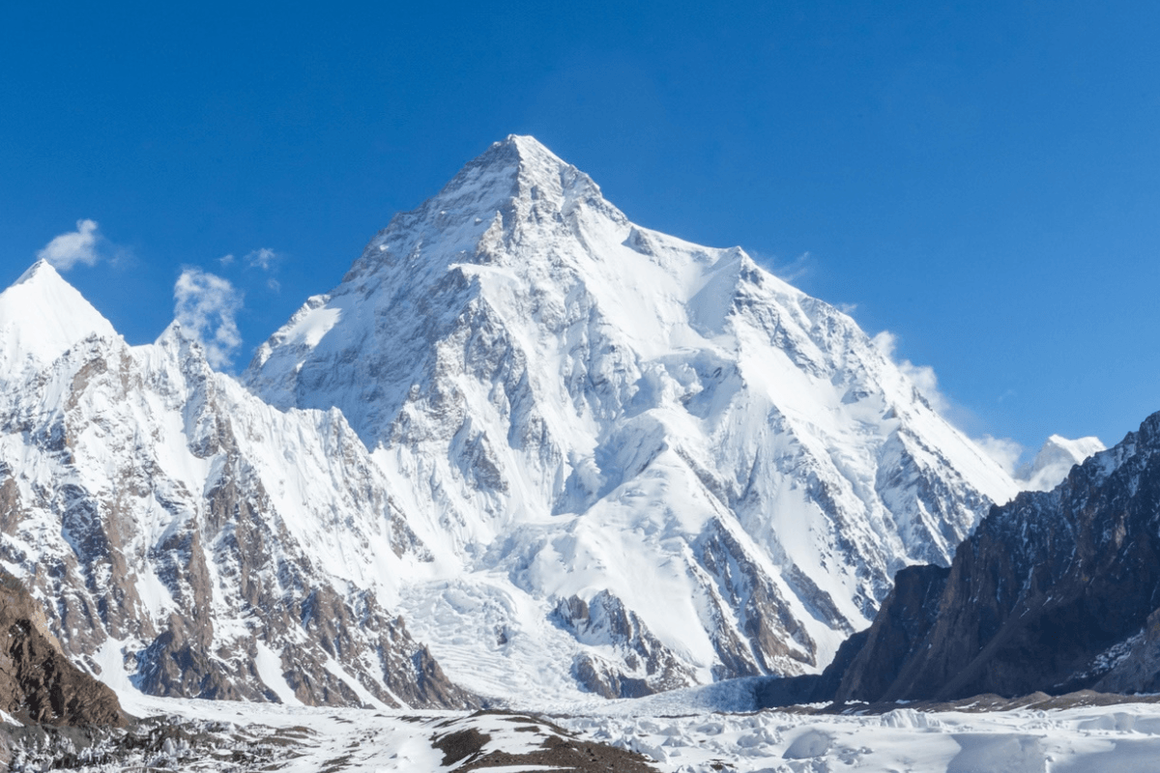
K2 vs Everest: Which is more dangerous?
The remote location of K2, coupled with less infrastructure and support and more unpredictable conditions, make this the more dangerous peak.
More people have successfully summited Mount Everest than K2, and more people have died on Everest than K2. However, the death-to-summit ratio is higher on K2 than Everest, making K2 the more dangerous peak to climb. The changeable conditions, unstable terrain and technical difficulty of the route make K2 the deadlier mountain.
Danger
There’s no easy route to the top of Everest or K2. Both mountains are challenging ascents. After reaching the summit, climbers still have to battle fatigue to descend successfully.
- On K2, mountaineers must negotiate steep, technical climbs, navigate seracs (huge, unstable blocks of glacial ice) whilst facing potential rockfall, icefall, and avalanches.
- On Everest, mountaineers navigate established routes with roped sections, fixed ladders, well-equipped camps, and available support. Rescue support is more readily available and there are more climbers on the route in case of difficulty.
Fatality rates
On Everest and K2, fatality rates have fallen in recent times due to better kit, equipment, support, and awareness of the dangers. The Himalayan Database offers more reliable data about Mount Everest, and other Himalayan mountains, than data records of K2 but approximate fatality rates can be seen below.
- Everest: 344 deaths and 13,550 summits = 2.54 deaths per 100 successful summits
- K2: 92 deaths and 964 summits = 9.54 deaths per 100 successful summits
Side note: Neither of these constitute the expected death rate nor the chance of fatality. They represent the historical ratio of deaths to summit successes only.
Risks
A recent research study found mortality rates on Everest to have fallen to around 0.7%, which is substantially lower than historically.
Causes of death have reduced from falls and objective hazards (such as avalanches and other environmental dangers), but have risen for deaths caused by high altitude illness and hypothermia.
Physiological deterioration at extreme altitude now causes more deaths than rockfall, falls and avalanches on Everest. Some of this might be down to more commercial expeditions with less experienced climbers attempting to summit.
Comparable data for K2 isn’t as reliable, and historical records aren’t as comprehensive.
However, it’s widely agreed that its northern location makes it more susceptible to adverse weather, steep ascents are more exposed to the elements, and the unique topography of the rock and ice make external risks much higher.
It also takes longer to summit from camp 4 due to the technical terrain, meaning climbers spend more time above 8,000m than on Everest. Physiological deterioration remains a huge risk for climbers as decision making is impaired.
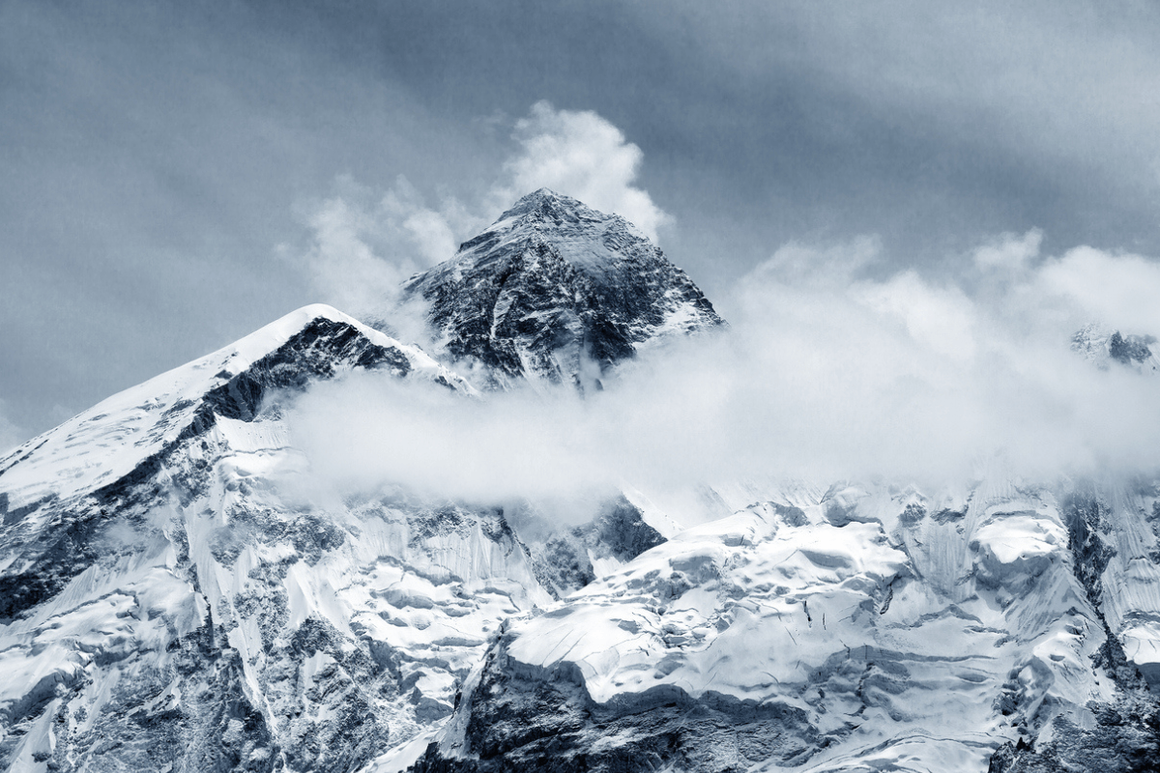
How much does it cost to climb K2 and Everest?
Climbing Everest costs around £35,000–£100,000+, while a K2 expedition can cost £50,000–£150,000+.
The table below shows the approximate costs for Everest and K2 attempts, as well as the cost of trekking to each base camp.
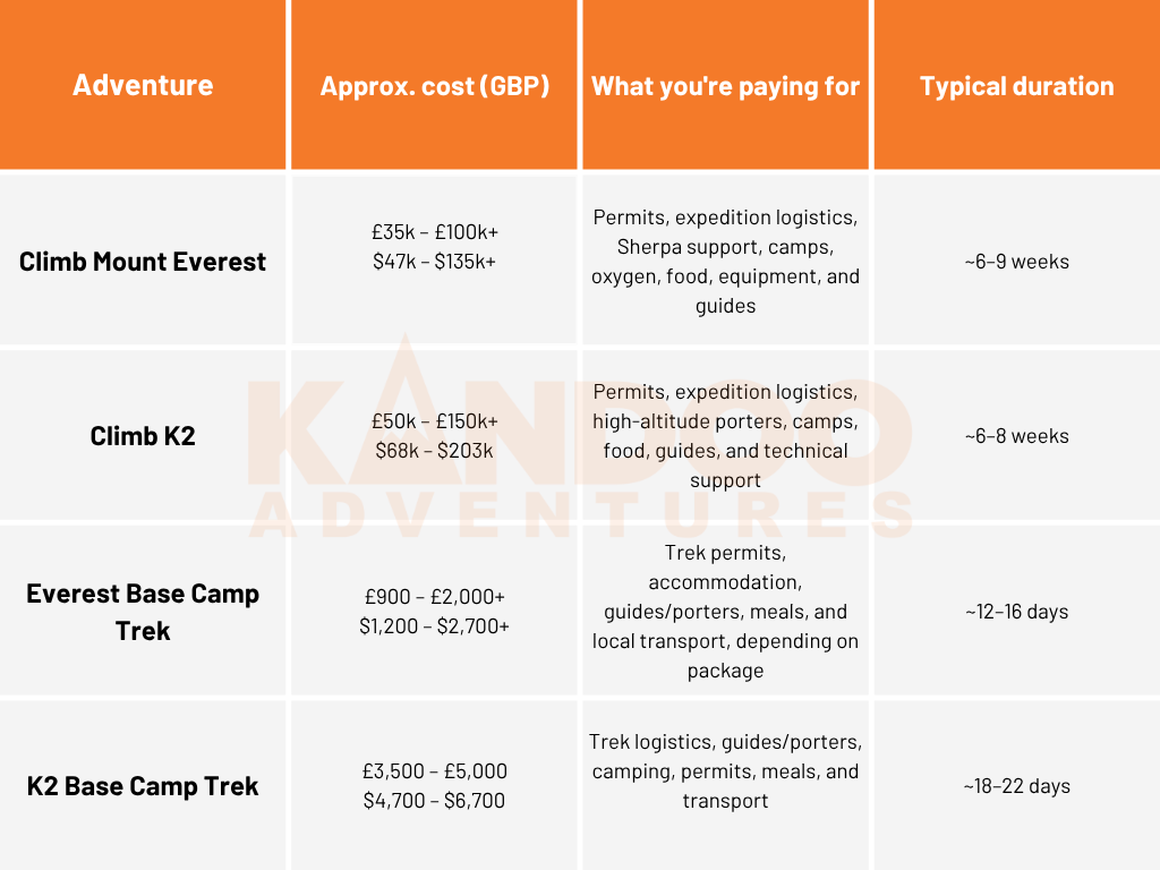
Climbing Everest or K2 is a much bigger undertaking than trekking to either base camp, and this is reflected in the costs of each package. A summit attempt requires technical equipment, multiple camps, supplemental oxygen, expedition support, and lots of time.
In addition to the costs outlined above, each mission requires insurance, kit, training costs, contingency funds and tips for support staff.
What is the best time to climb each mountain?
Weather patterns and mountain conditions dictate the climbing seasons in both Pakistan and Nepal. Typically speaking, the best time to climb Everest is April–May or September–October, while K2’s climbing season runs from June to September, with July and August generally considered the best months.
Everest climbing season
- April–May
- September–October
In Nepal, there are two distinct climbing seasons. During these windows the chance of rain is lower, temperatures are mild and storms less likely.
K2 climbing season
- June–September
In Pakistan, the best time to climb K2 is during the summer. Although there are fewer monsoonal rains in Pakistan’s Karakoram mountains, afternoon storms are still likely during the trekking season. July and August are regarded as the best months to climb K2 or trek to K2 Base Camp.
Base camp treks versus summit attempts
Trekking to Everest or K2 Base Camp requires less effort but is still a fantastically rewarding experience, whether you plan to tackle an eight thousander afterwards or not.
Summiting K2 or Everest is a mammoth undertaking and requires a phenomenal amount of training, money, preparation and time. If you have your heart set on conquering one of these giants, consider hiking to Base Camp first to get a better understanding of what to expect.
So, which should you choose?
- Everest Base Camp treks take around 15 days, with non-technical hiking, and plenty of support.
- K2 Base Camp treks take around 18-21 days, depending on route, requires a higher level of fitness and training and costs significantly more due to the remoteness and longer nature of the journey.
Each offers a unique adventure and rewards travellers with breathtaking scenery and the opportunity to bask amongst epic mountains.
For ultimate bragging rights, try the EBC trek first as a stepping stone to tackle the more challenging K2 Base Camp.
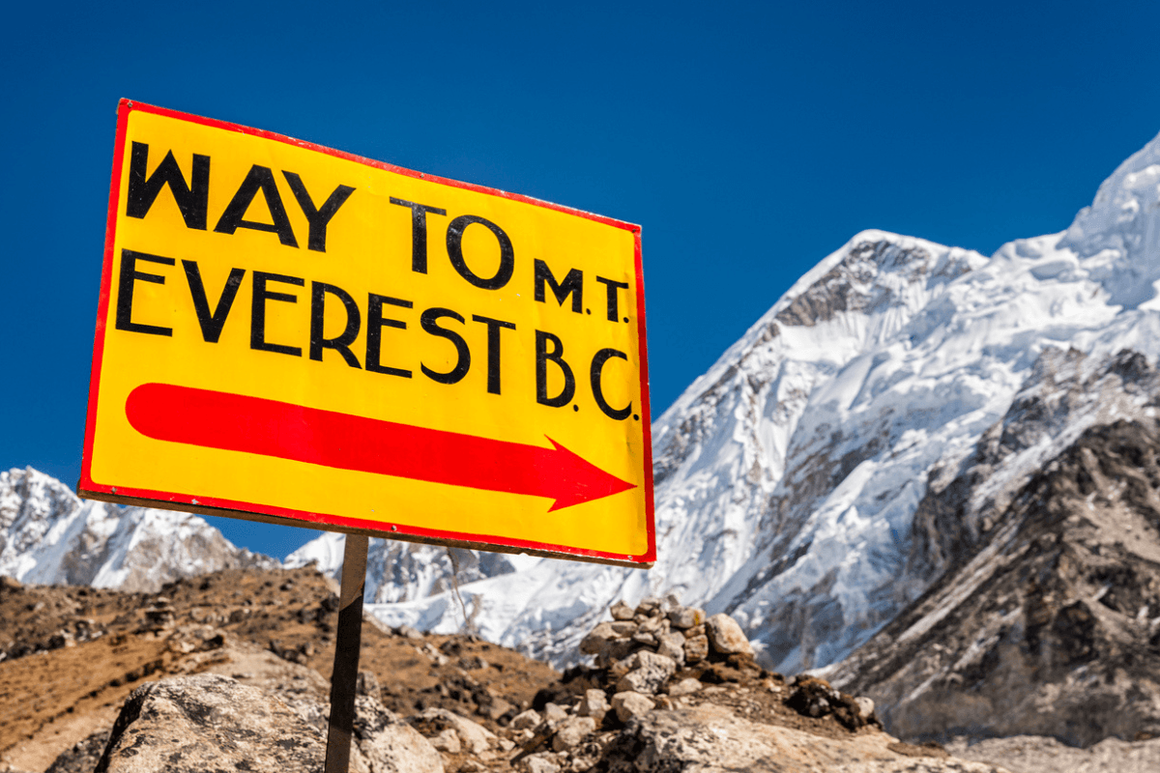
FAQs about K2 vs Everest
Can you trek to K2 Base Camp?
Yes. K2 Base Camp can be reached by trekking, although the route is remote and considerably more demanding logistically than the Everest Base Camp trek. Trekkers should be prepared for challenging terrain, limited infrastructure, and a long, remote journey.
Find out more about how hard the K2 Base Camp trek is.
Is Everest Base Camp higher than K2 Base Camp?
Everest Base Camp is at approximately 5,364 metres, while the traditional K2 Base Camp is around 5,150 metres. However, exact elevations can vary depending on the route and location of the camps.
Do you need climbing experience for Everest Base Camp and K2 Base Camp?
No technical climbing experience is required for a standard Everest Base Camp or K2 Base Camp trek. You need a good level of fitness and preparation for multiple days of walking at high altitude.
Find out more about how to acclimate and prevent altitude sickness.
What’s the difference between climbing Everest, or K2, and trekking to their Base Camp?
Climbing Everest or K2 requires extensive mountaineering experience, technical skills, specialised equipment and clothing, acclimatisation, and is a major undertaking.
Trekking to K2 Base Camp or Everest Base Camp requires a good level of fitness but no mountaineering skills, takes less time, and costs far less.
Explore epic Base Camp treks with Kandoo Adventures
Intrigued? Fancy spotting one of these behemoths yourself? The good news is that trekking to K2 Base Camp or Everest Base Camp is far more achievable for the average person than summiting the two highest peaks in the world.
With plenty of training, a reliable tour operator, and a carefully planned itinerary, you could glimpse these mighty mountains for yourself.
We offer exciting adventures to iconic destinations around the world. Get in touch with the travel experts at Kandoo HQ to find out more.