

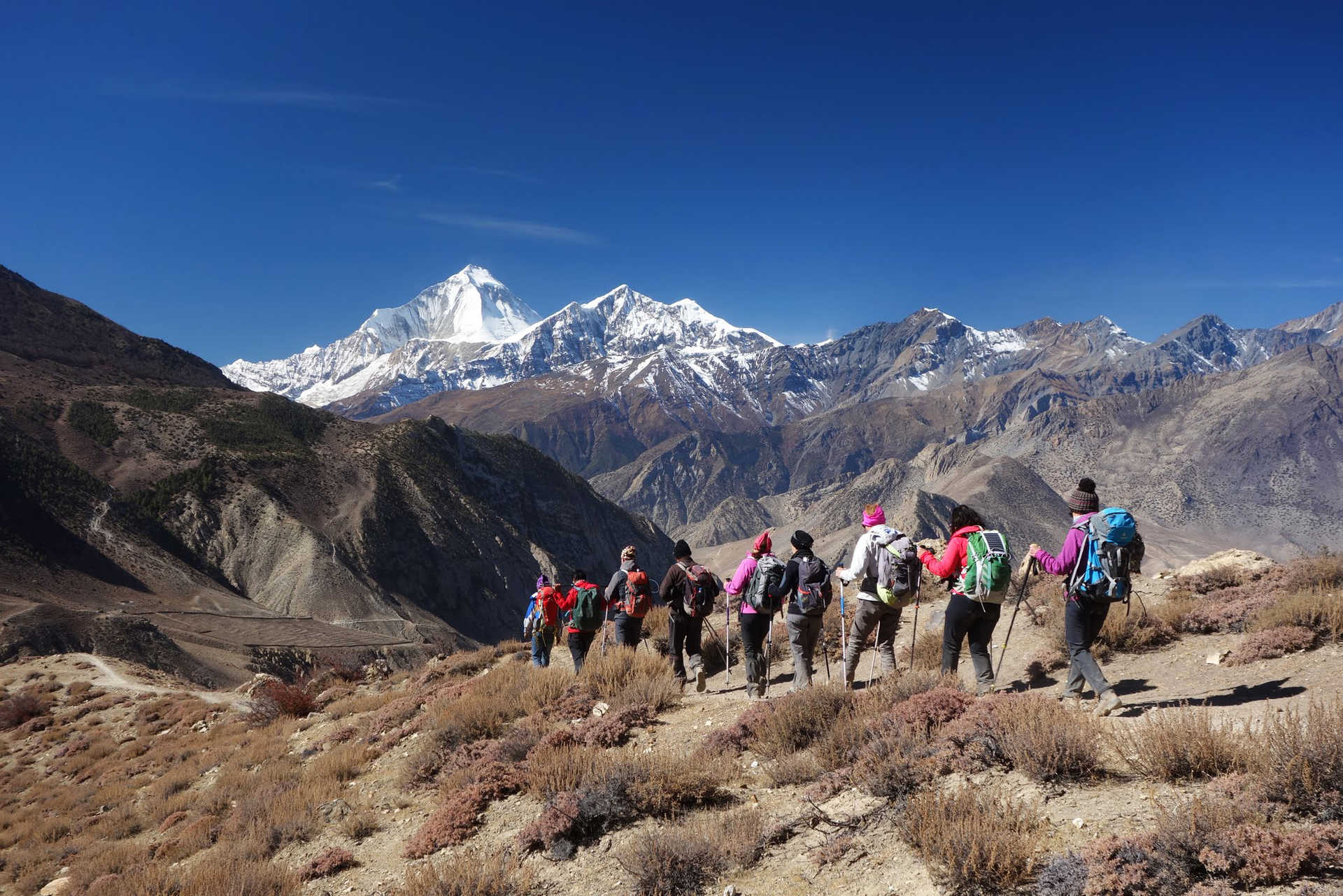
What are the best mountain peaks in Nepal?
Nepal is famously home to Mount Everest, the highest peak in Nepal, as well as seven others above 8,000 metres.
But Nepal is also home to some of the other highest peaks on earth, several of which you can summit without extensive mountaineering experience.
But what are these peaks, and how accessible are they for inexperienced climbers?
In this article, we take a look at 10 of Nepal’s most iconic and accessible high-altitude peaks.
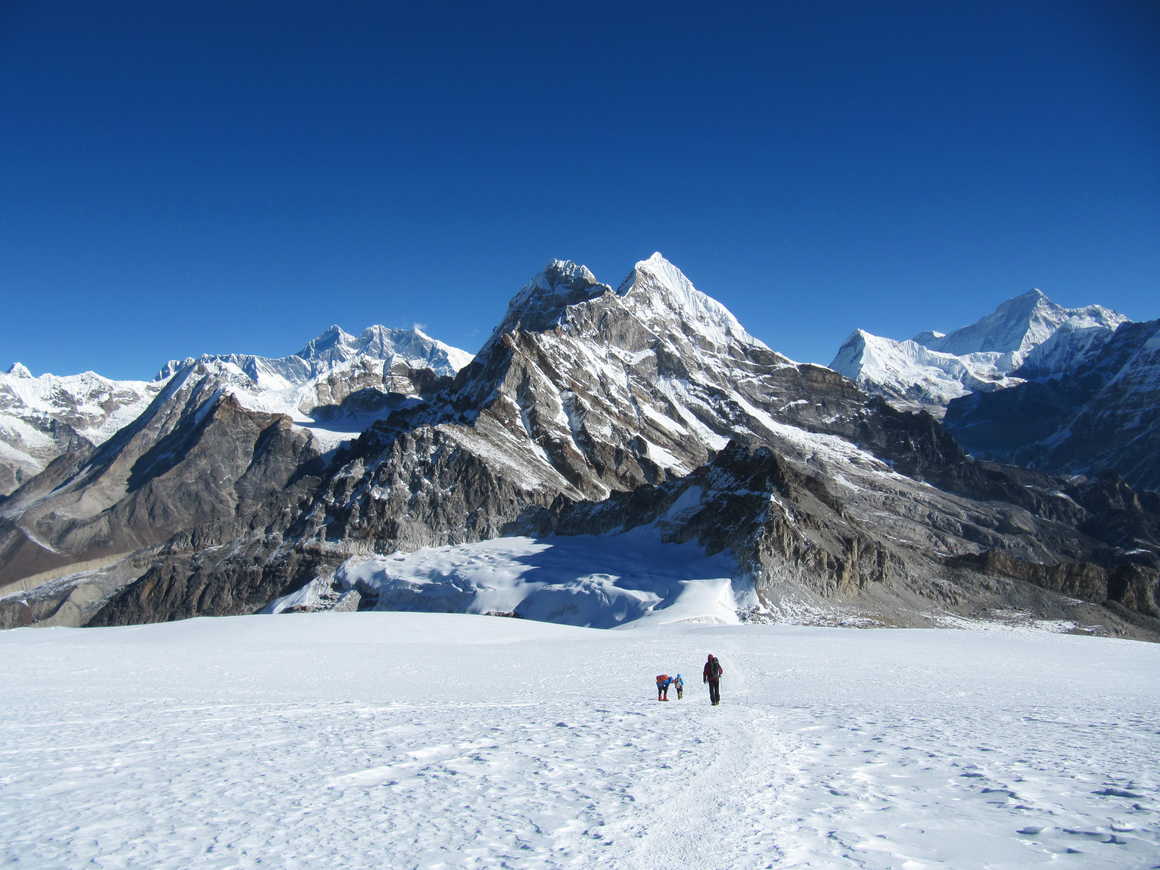
10 mountain peaks in Nepal that are ideal for trekking
The best trekking peaks in Nepal for new climbers are typically the mountains that sit between 5,500 and 6,600 metres and are mostly non-technical.
This means they don’t usually require*:
- Advanced rope work
- Ice climbing skills
- Prior high-altitude mountaineering experience.
Take a look at this breakdown of the top contenders:
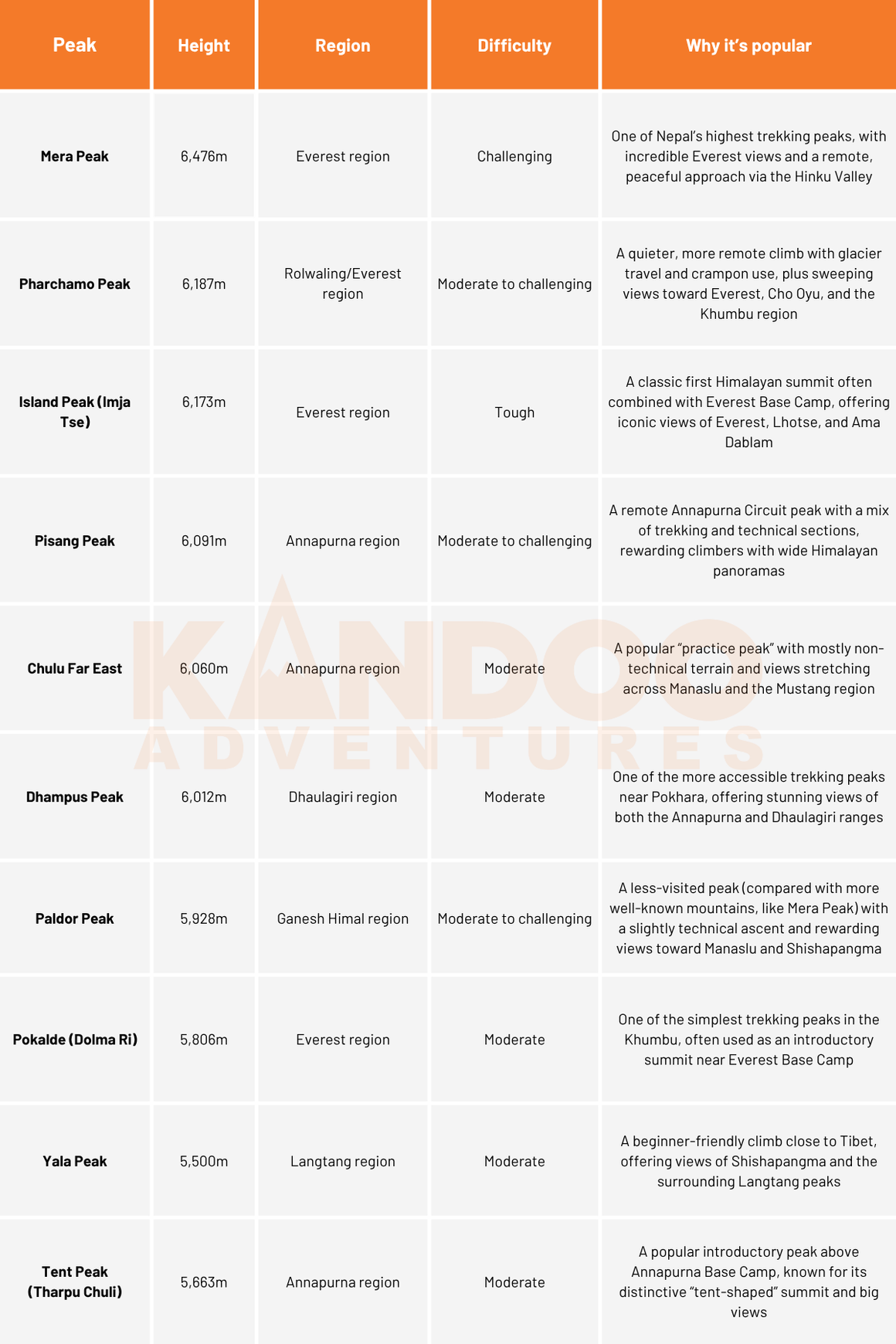
*Some trekking peaks may include short sections of snow, ice, or exposed ground that require basic equipment such as crampons, an ice axe, or ropes. Your guide will support you to navigate these sections.
Now let’s take a look at each mountain in more detail.
1. Mera Peak
Height of summit: 6,476m
Elevation gain: ~2,000–2,500m
Difficulty: Challenging
Technical experience: No technical skills required
Climbing Mera Peak in Nepal is an opportunity to summit an enormous Himalayan mountain. At 6,476m, it’s one of the highest trekking peaks in Nepal!
The views of Everest from the top of Mera Peak are unbeatable, and the quiet approach through the Hinku Valley is both beautiful and tranquil.
No technical climbing skills are required to summit Mera Peak. However, previous exposure to altitude is helpful so you know how your body deals with the potential side effects of being so high (like altitude sickness).
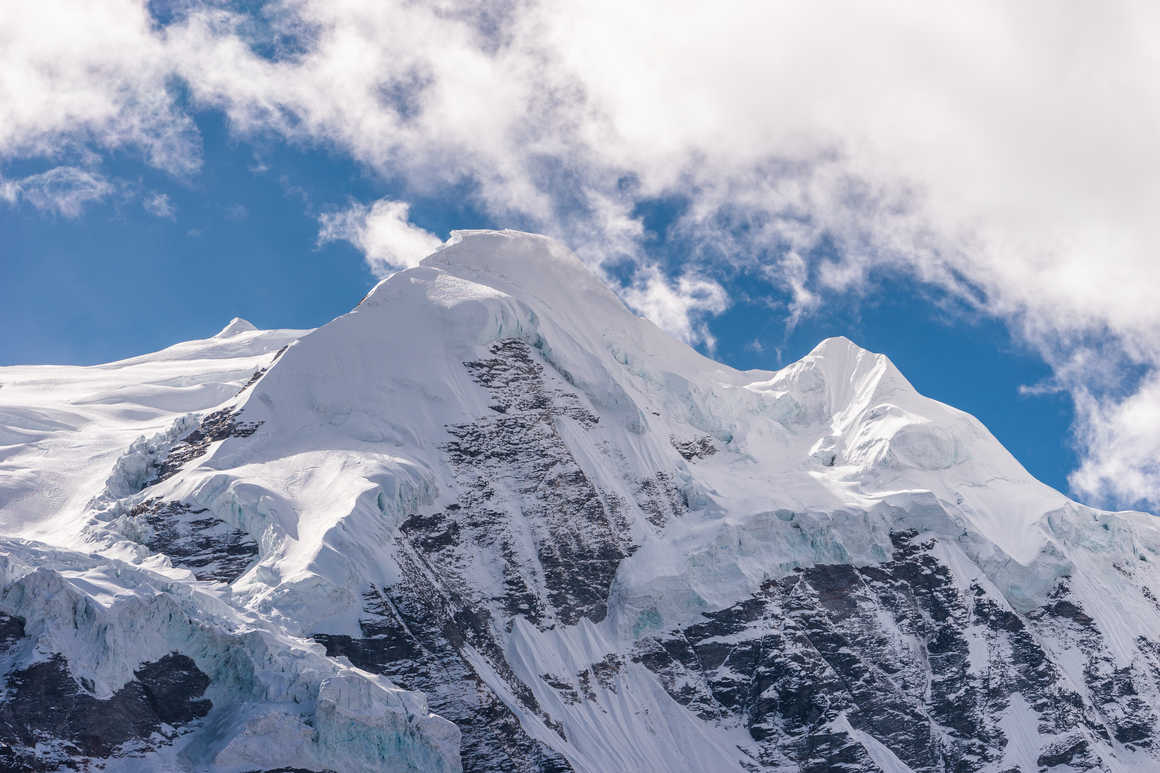
2. Pharchamo
Height of summit: 6,187m
Elevation gain: ~1,500–2,000m
Difficulty: Moderate to challenging
Technical experience: Basic mountaineering skills required, including crampons and rope travel
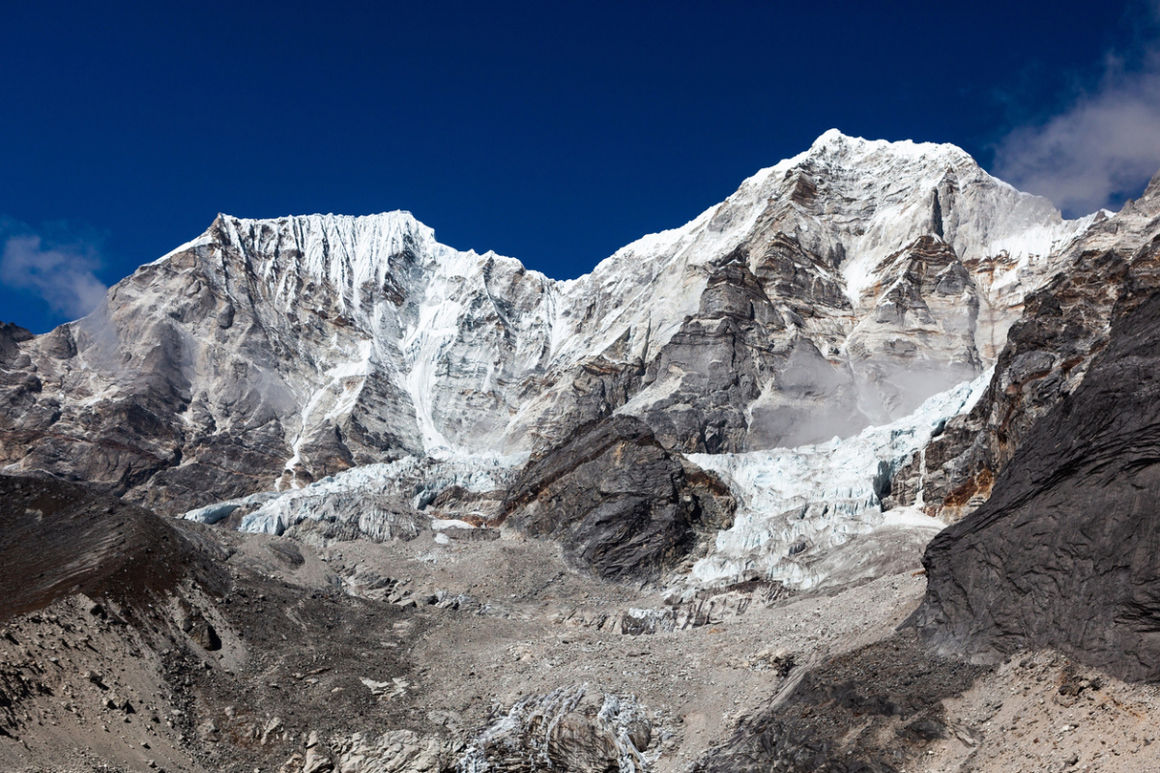
Part of the lesser-visited Rolwaling range, Pharchamo Peak is quieter than the busier Mera and Island routes.
This snowy peak features a ridgeline overlooking the Tashi Lapcha Pass. While the climb is relatively straightforward, ice and snow conditions mean much of the route requires climbing equipment, such as crampons and ropes.
The summit rewards climbers with views across Cho Oyu, the Khumbu, and Everest.
3. Island Peak (Imjatse)
Height of summit: 6,173m
Elevation gain: ~1,200–1,500m
Difficulty: Tough
Technical experience: Basic rope work required on summit headwall, but no prior technical experience necessary
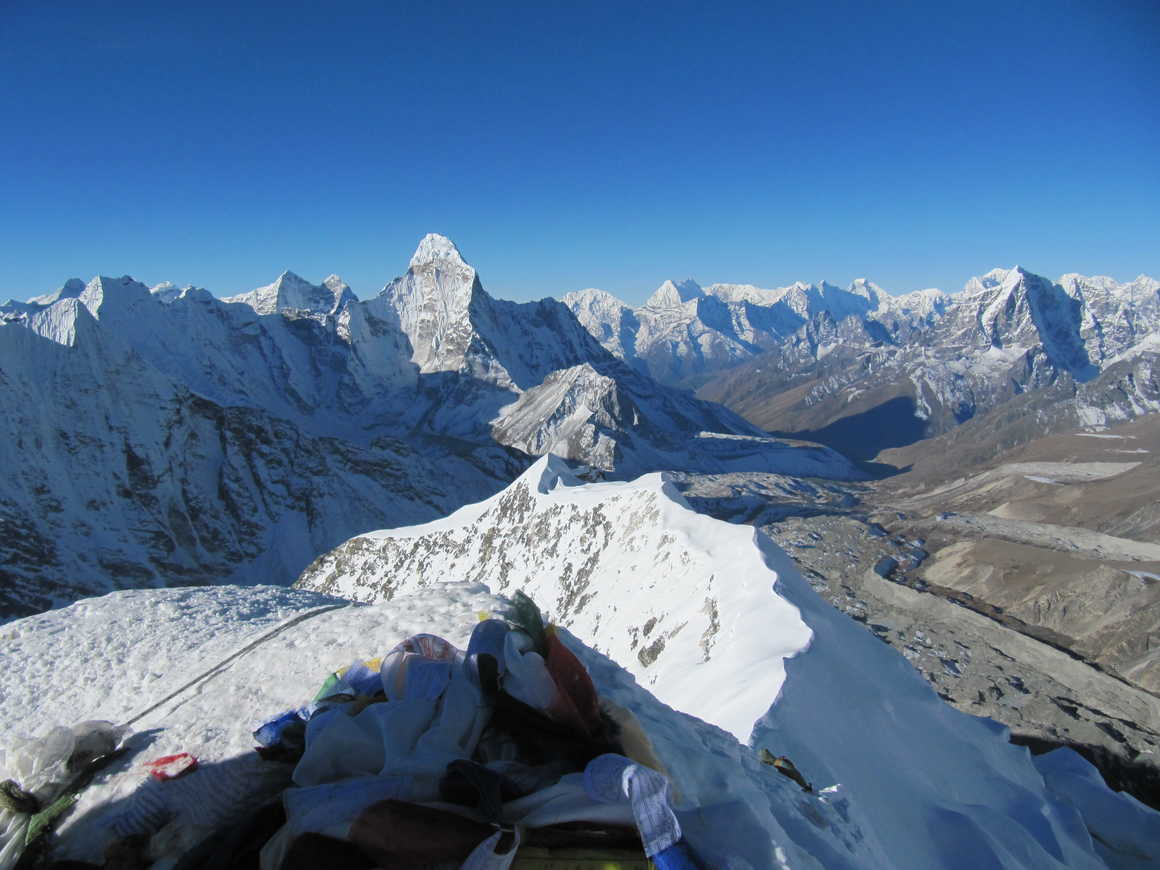
Island Peak is a popular Himalayan mountain in the Everest region that can be combined with the classic Everest Base Camp trek or as a standalone challenge. The summit views include Everest, Lhotse, Ama Dablam, and Mera Peak.
No advanced technical skills are required to summit Island Peak, but you may need some basic winter mountaineering skills. For example, you'll need prior experience using crampons and an ice axe.
If you haven't done any winter mountaineering before, we recommend completing a winter skills course or joining a climb of a smaller peak first.
4. Pisang Peak
Height of summit: 6,091m
Elevation gain: ~1,400–1,800m
Difficulty: Moderate to challenging
Technical experience: Some technical sections; previous experience beneficial but not essential
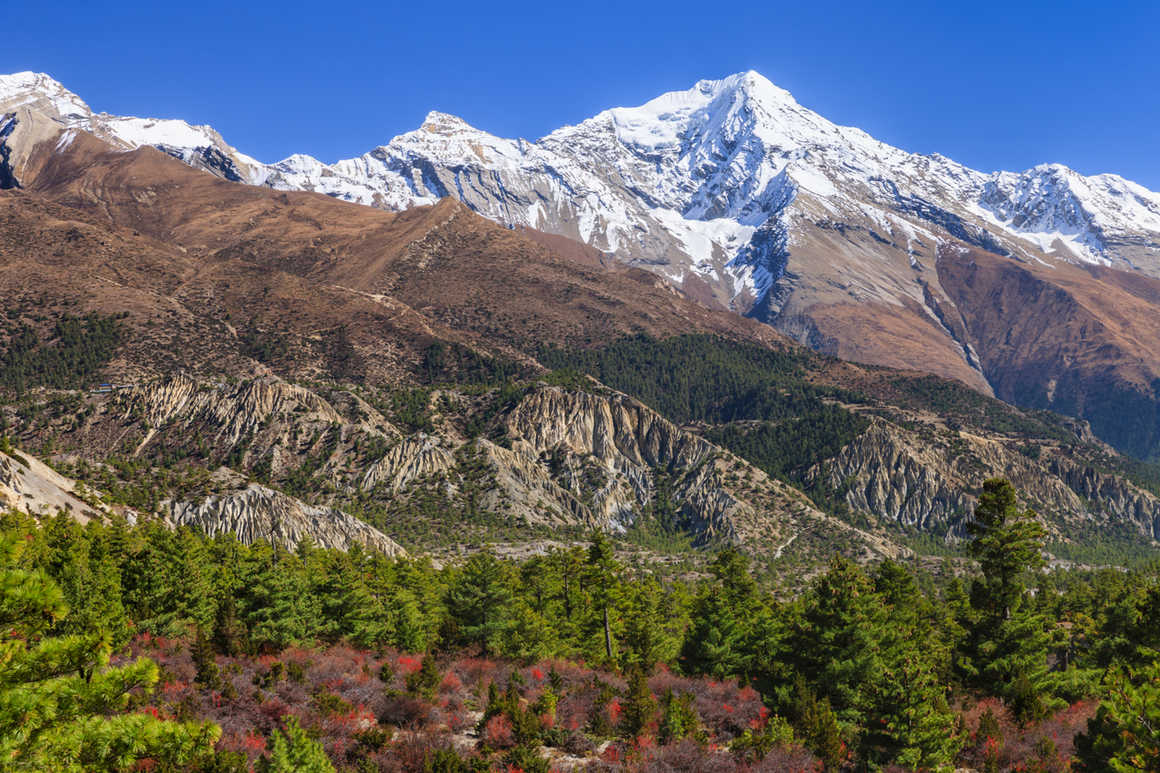
Pisang Peak is one of the more remote trekking peaks, located above the village of Pisang on the Annapurna Circuit in the Manang District.
The trek follows secluded forest trails and offers views of the stunning surrounding mountains in the Annapurna range. The route then climbs through the Thorong La Pass, one of the highest passes in the Himalaya.
There are some technical climbing sections towards the summit of Pisang. Your mountain guide will help you navigate them safely.
Read our guide to the Annapurna range for more information about this area.
5. Chulu Far East
Height of summit: 6,060m
Elevation gain: ~1,300–1,600m
Difficulty: Moderate
Technical experience: Minimal technical skills required; basic use of crampons and ice axe helpful
Chulu Far East lies in the Annapurna region near Pisang. Compared with Chulu West, it’s less technical and better suited to those without prior climbing experience. The summit offers views over Manaslu and the Mustang region.
This peak in Nepal is often used by beginner climbers as the ideal practice mountain for future Himalayan expeditions. Why? Because it’s mostly a “walk up” peak, although you need crampons and ice axes to traverse the snowy terrain.
Side note: Chulu West sits at 6,419m and is a significantly more technical and demanding peak than Chulu Far East, with steeper snow and ice slopes and exposed sections.
6. Dhampus
Height of summit: 6,012m
Elevation gain: ~1,200–1,500m
Difficulty: Moderate
Technical experience: No technical climbing required
Dhampus is known for its relatively straightforward ascent and excellent views from the top over both the Dhaulagiri and Annapurna ranges. For this reason, it’s an increasingly popular trekking peak to climb.
Situated in the Dhaulagiri range (close to the Poon Hill Trek and Pokhara, and one of the closest peaks to Kathmandu), trekking Dhampus Peak also offers a glimpse into local culture. The approach trek passes through traditional villages, farmland, and terraced hillsides where you can experience everyday life in the lower Himalayas.
7. Paldor
Height of summit: 5,928m
Elevation gain: ~1,600–2,000m
Difficulty: Moderate to challenging
Technical experience: Some technical climbing sections; rope skills recommended
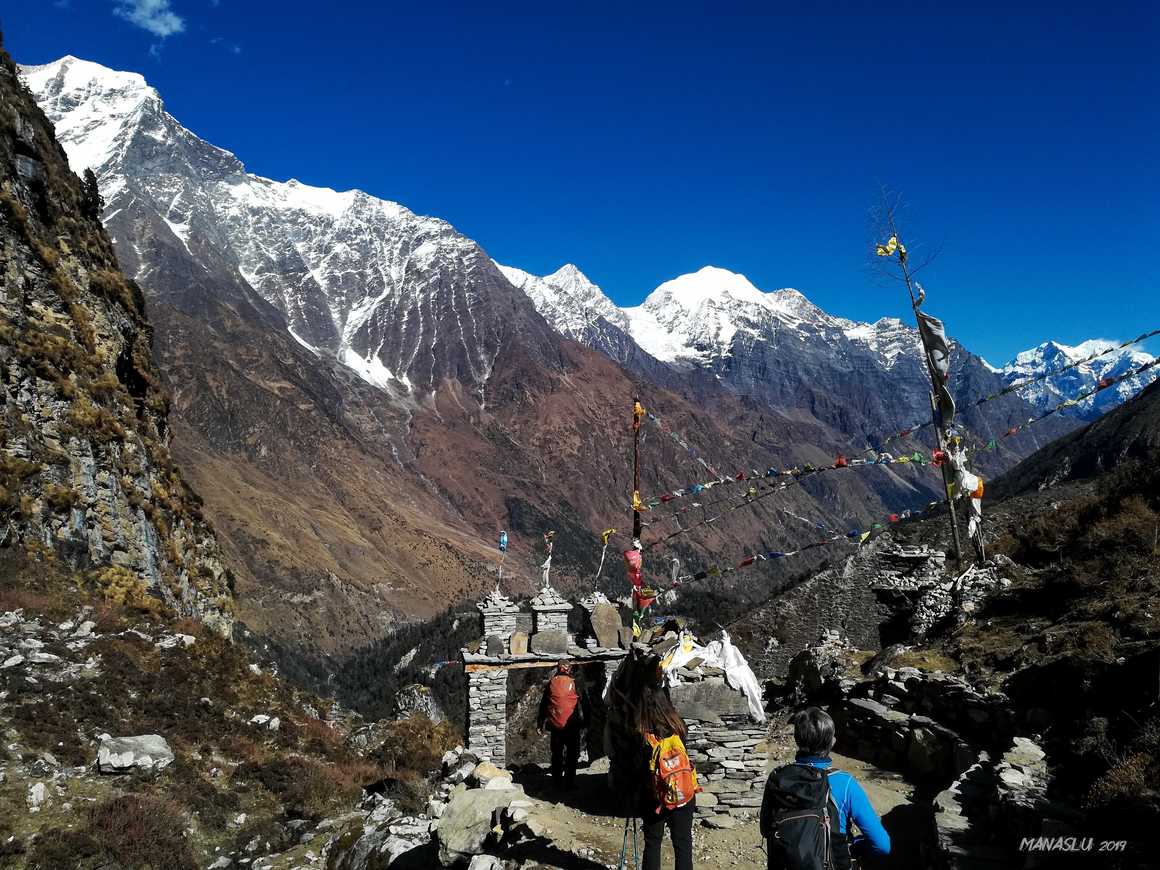
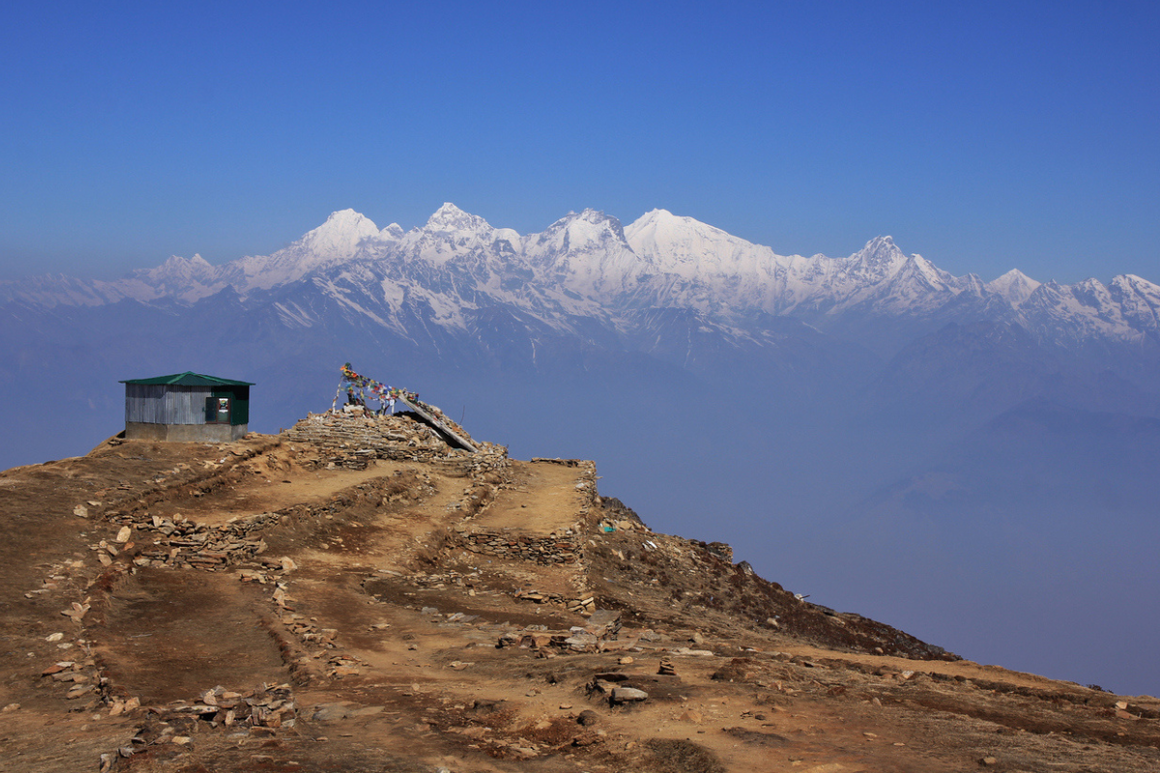
Found in the southeast of the Ganesh Himal range, Paldor is smaller than some of its peers but is slightly more technical to summit.
The route up Paldor involves glacier sections and some technical scrambling near the summit. From the top, climbers are rewarded with wide views across Langtang, Manaslu, and, on clear days, Shishapangma in Tibet.
The approach trek also passes through remote Tamang villages and forested valleys that see relatively few visitors.
8. Pokalde (Dolma Ri)
Height of summit: 5,806m
Elevation gain: ~1,000–1,300m
Difficulty: Moderate
Technical experience: Minimal; short rocky scrambles only
Out of the trekking peaks of Nepal, Pokalde is one of the easiest and least technical, with only a few short scrambles from the base camp to the summit. For this reason, it's a popular first-time peak for those with less trekking experience.
The mountain itself lies in the Khumba Valley, which leads on up to Everest Base Camp. At the summit, you can enjoy stunning views of the opposite peaks, Lobuche, Makalu and Ama Dablam.
9. Yala Peak
Height of summit: 5,500m
Elevation gain: ~1,200–1,400m
Difficulty: Moderate
Technical experience: Basic snow travel skills may be required depending on conditions
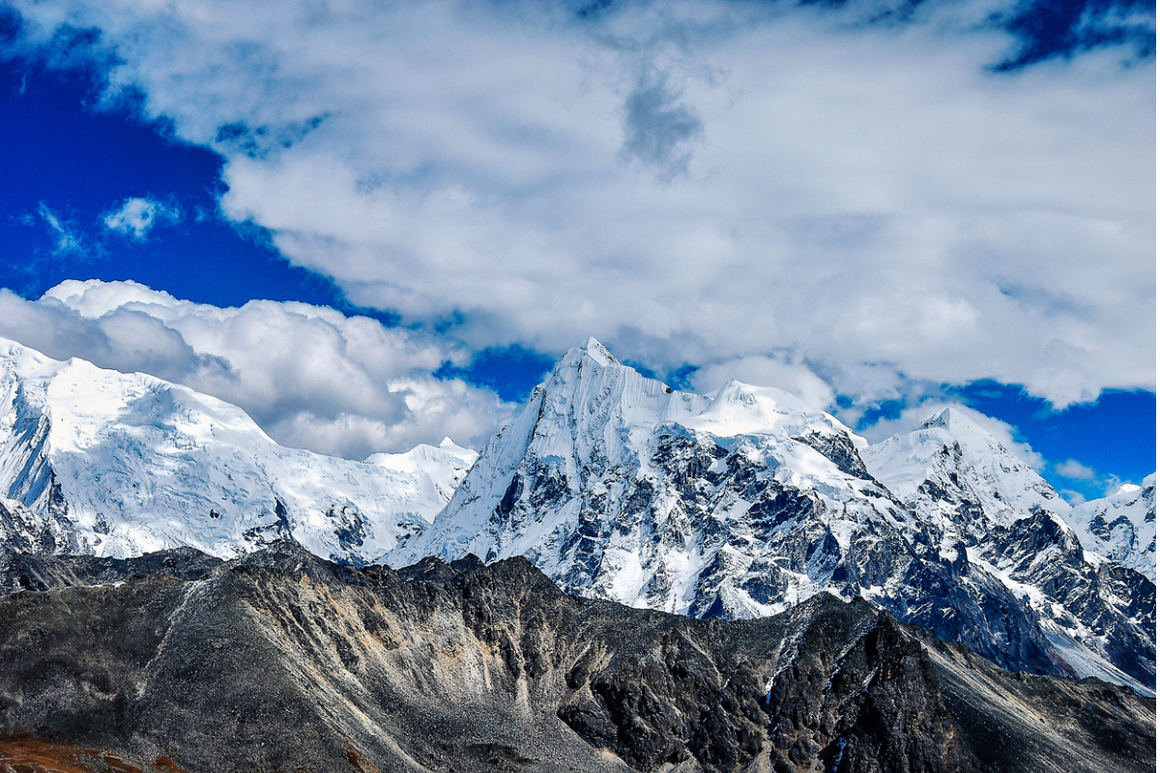
Yala Peak sits in the Langtang Valley near the Tibetan border. The summit offers close-up views of Shishapangma and surrounding Langtang peaks, and the approach passes through traditional Tamang settlements and lush alpine forests.
The climb is mostly non-technical. However, depending on the season, you may need technical climbing gear (such as crampons, ice axes, helmets and ropes/harnesses) to summit safely.
Find out more about the best time to visit Nepal.
10. Tent Peak (Tharpu Chuli)
Height of summit: 5,663m
Elevation gain: ~1,300–1,600m
Difficulty: Moderate
Technical experience: Basic rope and snow skills helpful in summit section
Tent Peak sits above Annapurna Base Camp, offering stunning views of Annapurna I. Because of these epic panoramic views (and the fact that it’s a slightly easier mountain to summit than more technical climbs like Paldor), Tent Peak is one of the more popular trekking peaks in Nepal.
The climb up Tent Peak involves glacier travel and a moderately steep final section. This makes it less technical than Mera or Island Peak. For this reason, it’s an excellent introduction to mountaineering for amateur climbers.
Fun fact: Tent Peak is named as such due to the shape of its peak, which looks like a flat sided tent!
How to choose the right peaks in Nepal for your trek
The best Nepal trek comes down to matching the mountain to your fitness, experience, and comfort at altitude, rather than simply aiming for the highest or most famous option.
Here’s how to narrow your search:
- Build the right fitness level beforehand. Trekking Nepal mountain peaks requires sustained physical effort over long, steep days at altitude. Focus on cardio training, hiking with elevation gain, and building leg and core strength in the months leading up to your trip.
- Understand what high altitude will do to your body. Altitude reduces oxygen levels, which can affect your energy, breathing, and recovery. Spend time at higher elevations if possible, and plan a steady ascent rather than rushing upwards.
- Know the difference between trekking and technical peaks. Some peaks are non-technical hikes, while others involve glacier travel, ropes, and exposed sections (like ridge lines). Read the route description and summit reports carefully and choose a peak that matches your climbing experience. If you’re unsure, reach out to companies (like Kandoo) that offer trips to these mountains. We can talk you through the route in detail and help you judge whether it's the right fit.
- Look beyond summit height. A lower peak can still feel more demanding if the route is long, remote, or has large elevation gain over multiple days. Compare total ascent, trekking duration, and daily hiking hours, not just the summit height.
- Match your timing to the season. Weather conditions in the Himalayas vary significantly across the year and directly affect safety and visibility. Aim for stable climbing seasons when conditions are generally more reliable (read this breakdown of when to go to Nepal for more information).
- Choose your region based on what you want from the trek. Each region offers a different experience, from busy Everest trails to quieter valleys like Langtang or remote Annapurna routes. Think about whether you prefer iconic views, solitude, or cultural immersion.
- Factor in acclimatisation time properly. To reduce the risk of altitude sickness, your body needs time to adjust to lower oxygen levels. Build rest days into your itinerary and avoid gaining altitude too quickly.
- Plan for logistics early. Permits, transport, and weather delays can all impact your itinerary in remote mountain regions. Check requirements in advance and leave buffer time in your schedule.
- Go with experienced local guides. Local guides in Nepal understand Himalayan terrain, weather patterns, and safety considerations. Choose a reputable trekking operator with strong safety standards and licensed guides.
- Choose a peak that fits your experience, not just your ambition. The right mountain should challenge you without putting you at unnecessary risk. Be realistic about your fitness, experience, and comfort in high-altitude environments.
Read our Himalaya training guide and hiking for beginners article for more information on how to prepare for trekking in Nepal.
Book your Nepal adventure with Kandoo
Nepal is one of the best places on earth to experience high-altitude trekking. Make sure you research your route carefully before you go. Even non-technical or beginner peaks in Nepal still involve altitude, changing weather, and remote mountain terrain. Good preparation and the right level of support make a real difference.
With Kandoo, you travel with carefully selected local teams who know the mountains intimately and prioritise safety at every stage of the journey. Take a look at our treks in Nepal for epic and memorable experiences in the Himalayas.