
Nepal is a destination the Kandoo team returns to again and again. The trekking here is world-class, the Nepalese people are incredibly welcoming, and the dramatic mountain landscapes are unforgettable. From the iconic Everest Base Camp trek to the Annapurna circuit and beyond, in Nepal, countless adventures are waiting for you.
If you’re planning to trek in Nepal, you’re probably curious about what to expect. This is your ultimate Nepal Trekking Guide, designed to help you plan your adventure with confidence. We’ve packed it with useful info about trekking in Nepal. It covers the best trekking spots, how to pick the right trek, and all the key details you need for your trip to Nepal.
We also explore summit climbs in Nepal. For beginners, the Himalayan climbs of Island Peak and Mera Peak are great choices for those who want to reach their first summit.
Here’s what you’ll learn:
- The best regions for trekking in Nepal
- A breakdown of treks you can book
- An introduction to summit climbs in Nepal
- A seasonal guide to trekking in Nepal
- How to train for Nepal trekking
- Information about food and accommodation in Nepal
- Helpful Nepal travel information
The best places to trek in Nepal
Most Nepal trekking focuses on two well-known regions: the Everest (Khumbu) region and the Annapurna region. Both offer incredible scenery and immersive experiences. Kandoo certainly covers these areas extensively, but we also trek in other regions.
Let’s take a look at all the Nepal trekking regions you can explore with Kandoo.
Everest Region (Khumbu)
The Everest region covers 1,148 km² and includes Sagarmatha National Park. It rises from 2,845 m (9,333 ft) to Mount Everest, the highest point on Earth at 8,848 m (29,028 ft). “Sagarmatha” is the local name for Everest. The park was established in 1976 to protect its stunning landscapes and unique wildlife.
The region is famous for more than Mt Everest, though. Experience views of the world’s highest peaks, Sherpa culture, rhododendron forests, stone villages, and colourful monasteries before reaching high-altitude zones. This makes it a mecca for both trekkers and climbers.
Best time for trekking: Spring & Autumn
Highlights:
- Views of Mt Everest, Ama Dablam, Cho Oyu, and Lhotse
- Cultural immersion
- Diverse and magnificent landscapes
Everest Region treks
Duration: 15 days
Max altitude: 5,641 m (18,507 ft)/Kala Pattar
Difficulty: Moderate
A trek to Everest Base Camp is the adventure of a lifetime. If you're short on time, this classic route is the perfect introduction to trekking in the Everest region. From the thrilling flight into Lukla to the unforgettable view of Everest from Kala Pattar, this is a Himalayan trek you will never forget.
Duration: 18 days
Max altitude: 5,641 m (18,507 ft)/Kala Pattar
Difficulty: Challenging
A superb Everest trek for those looking for a quieter alternative to the classic trail. After Namche Bazaar, the path goes into the lovely Gokyo Valley. It stops at the stunning turquoise Gokyo Lakes. Then, it continues to Everest Base Camp. A circular route means less backtracking and more varied scenery.
Duration: 21 days
Max altitude: 5,641 m (18,507 ft)/Kala Pattar
Difficulty: Challenging
This challenging route goes over three high mountain passes. It also ventures through all four main valleys of the Khumbu. You'll enjoy stunning views of the highest peaks, from Cho Oyu in the west to Lhotse in the east.
Duration: 19 days
Max altitude: 5,641m (18,507 ft)/Kala Pattar
Difficulty: Challenging
A truly immersive Nepal adventure. Combine the iconic Everest Base Camp trek with time exploring the cultural highlights of Kathmandu. Add in a wildlife safari in the jungles of Chitwan for the ultimate Nepal experience.
Everest Region peak climbs
Looking for an extra challenge? Our peak climbing expeditions combine trekking in the Everest region with the chance to summit one of Nepal’s iconic peaks.
Duration: 20 days
Max altitude: 6,173 m (20,252 ft)/Island Peak
Difficulty: Tough
A true Himalayan climbing adventure. This expedition combines the Everest Base Camp trek with an ascent of Island Peak. You’ll get spectacular up-close views of Everest, Lhotse, and Nuptse. The climb is tough but accessible, thanks to guidance from our skilled Everest summit guides.
Duration: 19 days
Max altitude: 6,476 m (21,247 ft)/Mera Peak
Difficulty: Challenging
At 6,476m (21,247ft), Mera Peak is the highest trekking peak in Nepal. The route, accessed through the remote Hinku Valley, provides a quieter option than the main Everest trails. It also boasts some of the best summit views in the Himalayas, including Everest, Lhotse, and Makalu. No prior technical climbing experience is required.
Annapurna Region
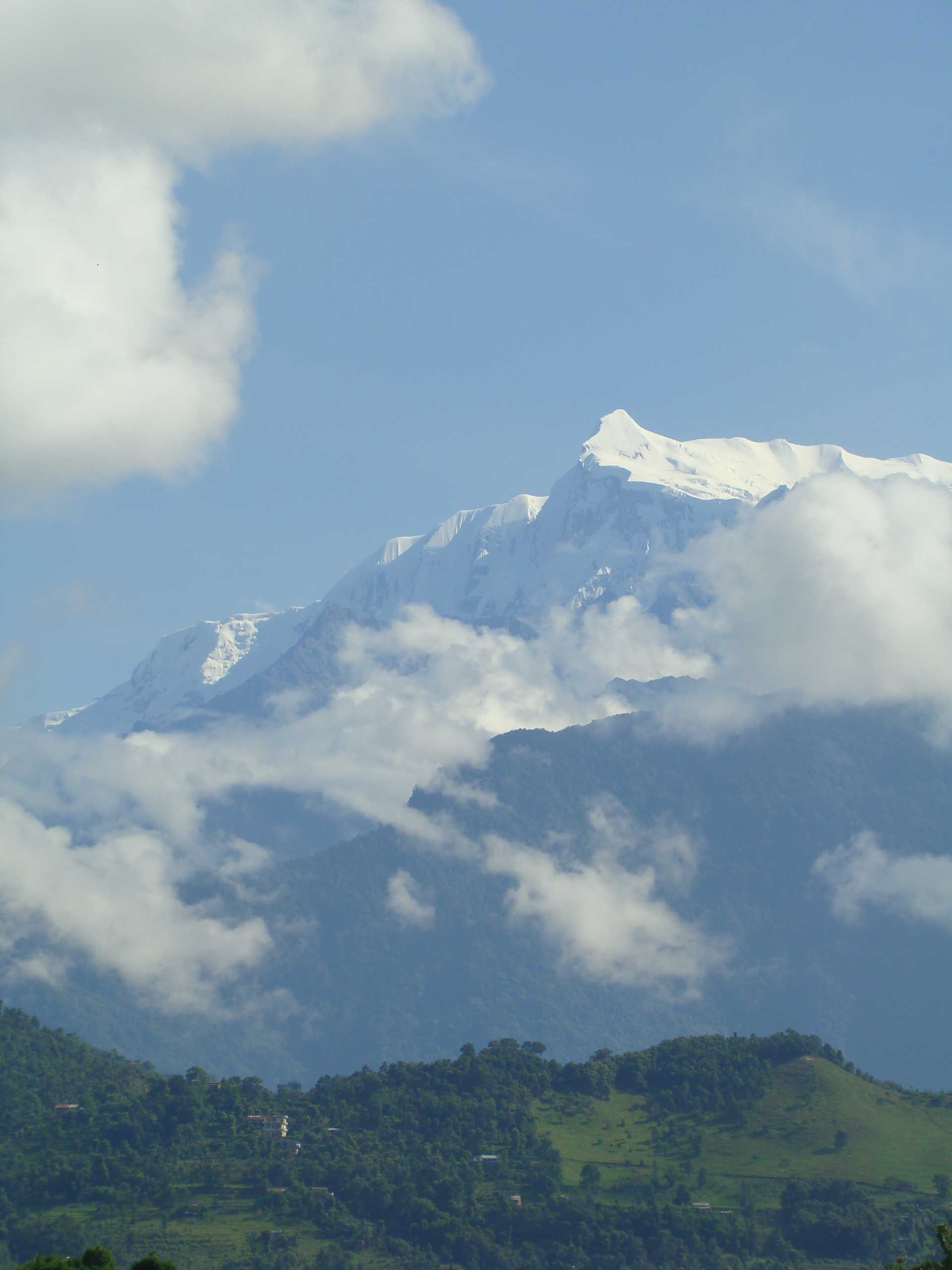
The Annapurna region stretches across the Annapurna massif. It’s home to one 8,000 m (26,545 ft) peak, 13 peaks over 7,000 m (22,966 ft), and another 16 peaks over 6,000 m (19,685 ft). The entire region is protected, belonging to the Annapurna Conservation Area. It’s Nepal’s largest conservation zone.
With its breathtaking landscapes and diverse trails, the region offers some of the world’s most spectacular trekking. We operate four of the very best treks here.
Best time for trekking: Spring & Autumn
Highlights:
- Traditional Nepalese village
- Rivers, waterfalls, and high altitude passes
- Archetypal panoramic Himalayan views
Annapurna Region treks
Let’s explore some of the treks available with Kandoo Adventures in the Annapurna Region.
Duration: 14 days
Max altitude: 5,416 m (17,769 ft)/Thorung La Pass
Difficulty: Moderate
The Annapurna Circuit is a world-famous long-distance trek, renowned for its incredible variety of landscapes. Starting in the lush foothills near Besi Sahar, the trail climbs steadily through alpine valleys and traditional villages before crossing the dramatic Thorung La Pass, the highest point of the trek.
Duration: 8 days
Max altitude: 3,200 m (10,498 ft)/Poon Hill
Difficulty: Moderate
The Poon Hill Trek is ideal for first-time trekkers. Starting in Pokhara, the trail climbs to Poon Hill. At this famous viewpoint, the sunrise reveals stunning views of Dhaulagiri, Annapurna, and Machhapuchchhre (also known as the Fishtail). A circular route means varied scenery without retracing your steps.
Duration: 12 days
Max altitude: 4,130 m (13,549 ft)/Annapurna Base Camp
Difficulty: Moderate
This shorter trek in Nepal starts with sunrise views from Poon Hill and then goes deep into the Annapurna range. The trail takes you to the breathtaking Annapurna Sanctuary. It’s a natural amphitheatre, framed by towering Himalayan peaks.
Langtang Valley Region
The Langtang region lies just north of Kathmandu, close to the Tibetan border. It's a great spot for trekkers new to the Himalayas. Langtang Lirung (7,246 m or 23,772 ft) towers over the valley, which features beautiful scenery, glacial valleys, traditional Tamang villages, and small monasteries.
Despite being shorter and lower in altitude than Everest or Annapurna, the Langtang trek captures all the best of Himalayan trekking. It combines breathtaking mountain scenery with rich culture and a more moderate adventure experience.
Best time for trekking: Spring & Autumn
Highlights:
- Breathtaking views of Ganjala Range, Dorje Lakpa Range, and Khemjung Glacier
- Shorter, more accessible Himalayan treks
- Peaceful, uncrowded trails
Duration: 10 days
Max altitude: 4,600 m (15, 091 ft)/Kyangjin
Difficulty: Moderate
The Langtang Valley Trek is a shorter adventure in the Himalayas, near Kathmandu. It's perfect for trekkers who can’t spend as long in the mountains, or those new to high-altitude trekking. The trail winds through a dramatic glacial valley close to the Tibetan border. Towering peaks, like Langtang Lirung, surround it. You’ll enjoy breathtaking mountain views and vibrant local culture.
Manaslu Region
The Manaslu region is one of Nepal’s most spectacular and remote trekking destinations, centred around Mount Manaslu (8,163 m or 26,781 ft), the eighth-highest mountain in the world. The Manaslu Conservation Area safeguards a vast landscape of deep valleys, spectacular high mountain passes, and traditional villages along the famous Manaslu Circuit.
As you gain altitude, both the scenery and culture change. The lower valleys are home to Nepali farming communities, while higher up in the Nupri region, the culture becomes distinctly Tibetan.
The Manaslu region is relatively unknown, so it’s a lot quieter than its famous neighbours.
Best time for trekking: Spring & Autumn
Highlights:
- Remote, uncrowded off-the-beaten-track vibes
- The dramatic scenery of Larkya La Pass and Mt Manaslu
- Strong Tibetan cultural influence
Duration: 16 days
Max altitude: 5,160 m (16, 929 ft)/Larkya La Pass
Difficulty: Moderate
The Manaslu Circuit Trek circles Mount Manaslu. It’s one of Nepal’s quieter and less-travelled trekking routes. The pinnacle of the trek is crossing the dramatic Larkya La pass. Here, you can take in views of peaks like Himlung Himal, Cheo Himal, Kang Guru, and Annapurna II. Then, you’ll descend to connect with the Annapurna region near Besi Sahar.
The best time of year for trekking in Nepal
You can find detailed advice on the best season for trekking in Nepal in our Nepal Travel Guide. Below is a quick overview of each Nepal trekking season and what to expect.
Spring and Autumn (best overall conditions)
Spring (March-May) and autumn (September-November) generally offer the best trekking conditions in Nepal.
- Stable weather and clearer skies
- Comfortable daytime temperatures
- The most reliable mountain views
- Ideal conditions for most trekking routes
Summer/Monsoon (June-August)
Nepal experiences a heavy monsoon during the summer months, bringing heavy and often intense rainfall.
- Wet and humid conditions across much of the country
- Poor visibility and muddy trails in many regions
- Everest region trekking is generally not recommended
- Some Annapurna region routes can still be viable, as this area is relatively drier
Winter (December-February)
Winter in Nepal is often dry, but temperatures can fall sharply, especially at high altitudes.
- Cold conditions, particularly overnight
- Clear skies often provide excellent mountain views
- Many standard trekking routes remain open with proper winter gear
- High passes and trekking peaks (such as those on the Annapurna Circuit) are usually closed due to snow and ice
Training for trekking in Nepal
Most Nepal trekking routes don’t require technical climbing skills; they do demand good stamina. Arriving in good health and well-prepared for several days of walking is essential for an enjoyable and rewarding experience.
Why altitude matters when trekking in the Himalayas
The main challenge when trekking in Nepal is altitude, not the terrain. Many Himalayan treks include several days above 3,000 m. Here’s what this means for your trekking experience:
- At Everest Base Camp (5,364 m), the oxygen density is roughly half of that at sea level.
- Even gentle uphill walking can feel much harder at altitude.
- Walking slowly and steadily is the best way to conserve energy.
Pushing too hard can easily cause altitude sickness. That’s why pacing and acclimatisation are vital on any trek in the Himalayas.
Pace and acclimatisation when trekking in Nepal
A well-planned itinerary is essential for safe trekking in the Himalayas. Once you climb above about 3,000 m (9,800 ft), the body needs time to adjust to the thinner air. This is where S#sleeping altitude is important. It refers to the height at which you spend the night. Your body adapts to altitude during rest, so the height at which you sleep each night needs to increase gradually.
Typical acclimatisation guidelines include:
- Increase sleeping altitude by no more than 300-500 m (980-1640 ft) per day once above 3,000 m (9,800 ft).
- Include acclimatisation days at key points where you stay at the same lodge for two nights.
- Trek at a steady, comfortable pace rather than rushing.
Because of this, some days trekking in Nepal may only involve 4-5 hours on the trail. This slower pace gives your body time to adapt properly, helping you stay healthy and enjoy trekking in the Himalayas.
Build your fitness for trekking in Nepal
The best training for Nepal trekking focuses on endurance rather than speed. You don’t need to be an elite athlete, but you should be comfortable walking for long periods over uneven terrain.
Good ways to prepare include:
- Regular hill walking or hiking with a light backpack
- Cardio training, such as running, cycling, or swimming
- Leg strength exercises (squats, lunges, step-ups)
- Back-to-back walking days to simulate multi-day trekking
Ideally, you should aim to be comfortable with walking 6-8 hours a day, especially on hilly terrain.
What to expect on the trails in Nepal
A day of trekking in Nepal is often similar to a long hill walk at home. The challenge comes from doing it day after day at altitude, often for 10-14 days or more.
With sensible preparation, the right mindset, and a steady pace, trekking in the Himalayas is achievable for anyone with good fitness and a sense of adventure.
For more comprehensive preparation for Nepal Trekking, we recommend reading:
AVOIDING ALTITUDE SICKNESS IN NEPAL
HIMALAYA TRAINING GUIDE
HOW TO LOOK AFTER YOURSELF IN NEPAL
RECOMMENDED EQUIPMENT FOR NEPAL TREKKING
Planning for Nepal trekking
Before you set off for your Himalayan adventure, it helps to understand how to get there, what to expect on the trails, and how to budget. These practical tips will ensure your trek is smooth, safe, and stress-free.
Getting to Nepal
Flying to Nepal is easy from many international airports. But careful planning helps you save time and reduce stress. Most international flights arrive at Tribhuvan International Airport in Kathmandu. However, connections differ based on your departure city and airline.
Common routes from Europe and the USA that go through the Middle East:
- Qatar Airways via DohaEmirates via Dubai
- Gulf Air via Bahrain
- Alternative flights with BA, Air India, and Jet fly into Delhi, where you can book a connecting flight to Kathmandu
Tips for booking international flights to Kathmandu
- Check schedules carefully, as some routes involve very long layovers.
- Allow at least 3 hours if changing airlines or re-checking luggage.
- Book a flight with a Doha connection if speed and reliability are a priority.
Helpful info for domestic flights in Kathmandu
- Short internal flights in Nepal often take you to airport trailheads in the mountains. Knowing what to expect will help you avoid stress and delays.
- Popular airports: Lukla (Everest region) and Jomsom (Annapurna Circuit).
- Flights are weather-dependent, so delays and cancellations are common.
- Early morning departures are safest.
- Plan to arrive in Kathmandu at least a day early.
- Allow extra time at the end of your trip for potential delays.
- Options for helicopter transfers are ~$300-500 if the weather cancels flights.
Nepal teahouses, lodges & food
Accommodation and meals are an integral part of your trekking experience. Most lodges are simple but comfortable, with delicious local food. Here’s what you can expect:
Accommodation in Nepal
- Rooms are typically twin share with wooden beds and foam mattresses.
- Blankets are sometimes provided, but pack a 4-season sleeping bag just in case.
- Bathrooms are mostly shared, with hot showers available for a small fee.
- Luxury lodges are available on private treks (heating, en-suite, extra comforts).
Dining in Nepal
- Meals are served in communal dining areas, typically around a stove.
- Menu options include Dal Bhat, momos, noodles, pasta, pizza, and local dishes.
- Guests pay individually, so you can choose your meals and portion sizes.
- The recommended budget is £30-35 ($40-45) per day (this is more than enough but covers a variety of dietary requirements.
Teahouse insider tips
- Order meals as soon as you arrive at the teahouse. Mealtimes are busy, and it’s usually first-come, first-served.
- Dine in the lodge to receive a discount on your room.
- Don’t bring outside meals into a teahouse - this is frowned upon by the hosts.
Budgeting and money in Nepal
Understanding Nepali currency, costs, and budgeting helps you enjoy your trek without stress. Here are some key pointers and budgeting guides to help you out.
- Currency: Nepal uses the Nepali Rupee (NPR). It’s a closed currency, which means you can’t purchase it outside of Nepal.
- Exchange money in Kathmandu rather than at the airport for better rates.
- Ensure US and UK banknotes are new and damage-free to be accepted for exchange.
- Have local currency for teahouses.
- Notify your bank/credit card provider if using cards abroad.
Typical costs
- Kathmandu mid-range restaurant meal for two: ~£9 ($11).Taxi base rate: ~£0.25 ($0.35).
- Trekking meals & drinks: £30-35 ($40-45) per day.
- Miscellaneous costs (WiFi, sockets or charging stations and hot water in teahouses): £7 ($10)
- Recommended total spending: £420-650 ($560-860) (excluding tips, dependent on length of trip).
Tipping in Nepal
Despite what you might read, tipping is customary in Nepal and is a way to support your guides, porters, and the wider community. The amount you give is discretionary and can be based on service quality.
Tips can be given in Nepali Rupees or US dollars (new bills) and are typically presented during the final evening meal on a trek. Here’s a rough guideline of what to tip:
- Trekking/tour guides: ~£7 ($10) (NPR 1400) per day
- Porters: ~£3 ($5) (NPR 600) per day
- Drivers (full day): £5-10 ($7-14) (NPR 1000-2000)
- Taxi drivers: ~£0.25 ($0.35) (NPR 50-100), or round up the fare.
- Hotel staff: £0.50 ($0.70) (NPR 100-200) per bag for bellhops and porters.
Toilets while trekking in Nepal
Hygiene standards vary in Nepal, but it’s best to expect basic provisions so you can plan accordingly.
Here are some guidelines:
- Kathmandu hotels: Western-style toilets.
- Trekking teahouses: usually squat toilets or “posh squats”.
- Toilet paper is rarely provided, so do bring your own.
- Hand sanitiser is an excellent addition to your kit.
- Guides can help you find private spots off the trail if needed.
Things to do beyond trekking in Nepal
Nepal offers more than world-class trekking. You can explore ancient temples and bustling markets in Kathmandu. Then, relax by lakes with stunning Himalayan views in Pokhara.
In Pokhara, you can paddle across Phewa Lake, visit the island temple of Tal Barahi, or watch the sunrise over the Annapurna range from Sarangkot. For more inspiration, read our guide to Pokhara and our article about things to do in Nepal.
Visas, insurance, and essential travel info when trekking in Nepal
Before travelling to Nepal, there are a few practical details worth sorting out in advance. Getting these basics right will make your arrival smoother and ensure you’re properly prepared for trekking in the Himalayas.
Visa requirements
Most travellers visiting Nepal for trekking enter the country on a tourist visa, which is quick and straightforward to obtain. You can get a visa on arrival at Tribhuvan International Airport in Kathmandu. Most nationalities are eligible. You can also apply online before your trip to speed up immigration.
Typical Nepalese visa options include:
- 15 days
- 30 days
- 90 days
Side note: Visas can be extended in Nepal up to a total of 150 days per year through the Department of Immigration.
Helpful tips:
- Make sure your passport is valid for at least six months after your travel dates
- Bring US dollars in cash for the visa fee as a backup payment method
- Avoid overstaying your visa to prevent fines or penalties
Travel insurance for trekking in Nepal
Travel insurance is extremely important when trekking in the Himalayas. Remote locations and high altitudes mean that rescue or medical care can be expensive if something goes wrong. Many trekking permits now require proof of travel insurance before they are issued.
Your policy should cover:
- High-altitude trekking
- Emergency medical treatment
- Helicopter evacuation
- Trip cancellation or interruption
Helicopter rescues are often the only way to evacuate injured or sick trekkers from remote mountain regions. For peace of mind, make sure your policy covers trekking at the maximum altitude of your chosen route.
Health and vaccinations for trekking in Nepal
Nepal doesn’t require many mandatory vaccinations, but it’s sensible to check with your doctor or a travel clinic before travelling. For more comprehensive information on this, take a look at our Nepal travel guide.
Helpful health tips for Nepal trekking:
- Carry a basic first aid kit and personal medications
- Bring hand sanitiser and water purification tablets when trekking
- Drink treated or bottled water rather than untreated tap water
Ready to trek in Nepal?
Nepal boasts breathtaking Himalayan scenery, welcoming mountain communities, and some of the world’s most iconic trekking routes. It's an unforgettable destination for adventure travellers.
Whether it’s your first high-altitude trek or a new challenge, we can help. Our skilled guides and smart itineraries make your journey better.
Explore our range of Nepal trekking adventures to find the route that’s right for you.