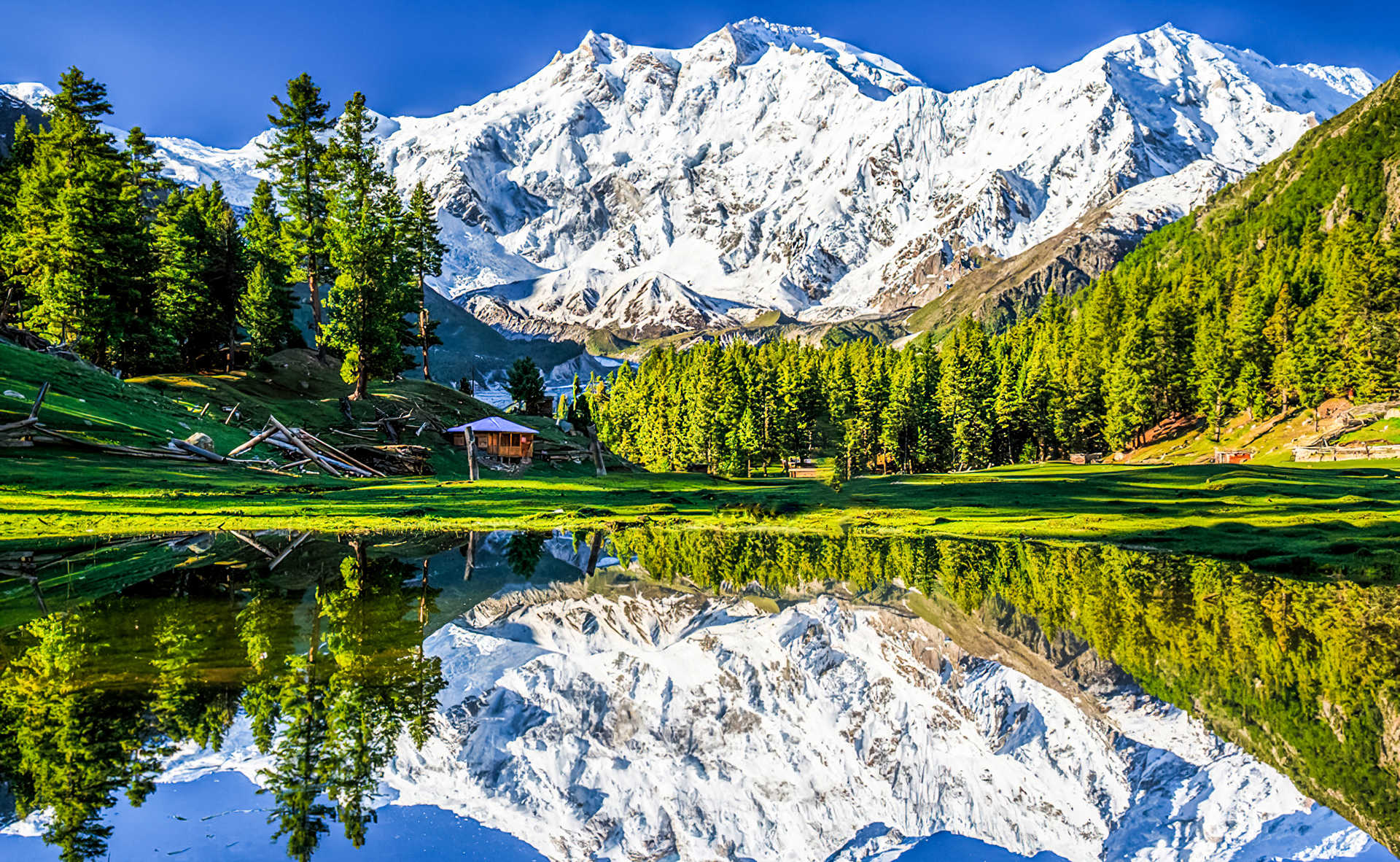
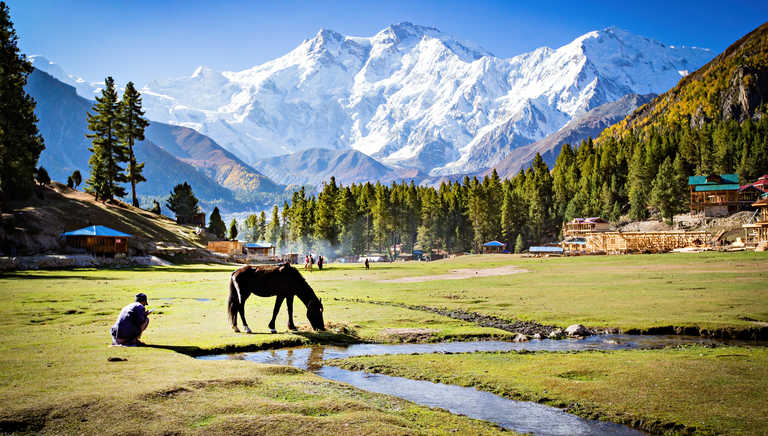
Nanga Parbat from Fairy Meadows
15-day adventure

Hunza Valley and Nanga Parbat Base Camp

Pakistan
  • Trekking
  1. Homepage
  2. Pakistan
  3. Hunza Valley and Nanga Parbat Base Camp

Code: PKNP

15 days
Challenging

Contact
our UK team
Our local team

Our local team in Pakistan are based in the mountain city of Skardu and led by Ali, who manages an expert team that know the Karakoram Range intimately. With over 40 years of experience in mountaineering, trekking and tourism in Pakistan, the team of hand-picked expert guides, cooks and porters specialize in guiding you through the remote, wild landscapes of northern Pakistan. Being locals, our guides offer more than just navigational skills and...
Learn more

Kandoo's view

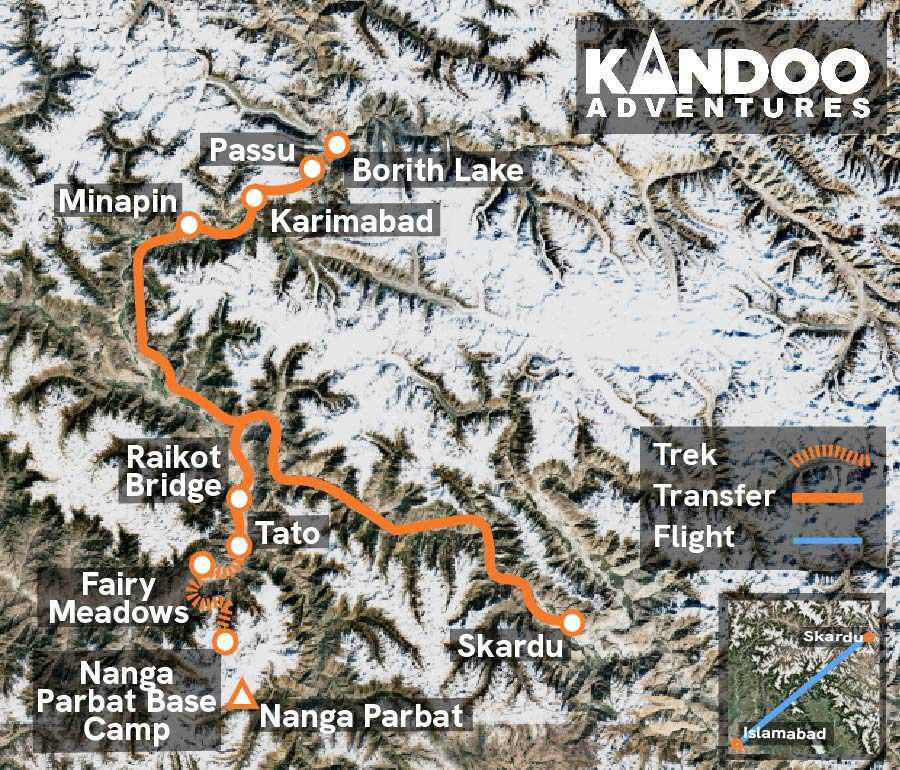
This incredible journey will take you from Islamabad through Skardu, Hunza Valley, Nanga Parbat, Fairy Meadows and Khaplu and is an extraordinary adventure into the heart of Northern Pakistan. Our itinerary perfectly blends breath-taking scenic flights and dramatic mountain passes with historic forts, lush green meadows and pristine lakes. Whether you are trekking rugged trails or exploring rich local cultures, this trip provides an unforgettable introduction to the majestic Karakoram and western Himalaya.

Trip highlights

  • Trek to Nanga Parbat Base Camp
  • Take a thrilling 4x4 journey along the mighty Indus River
  • Watch the sun set over Nanga Parbat from the stunning Fairy Meadows
  • Comfortable accommodation throughout

Experiences

  • Trekking
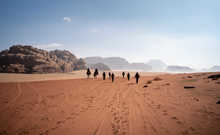
    Small group hiking in the Wadu Rum desert
    Our core collection of treks and hikes, through some of the world's most outstanding landscapes

Gallery

Itinerary

  • Day 1

    Arrive in Islamabad

    Welcome to Islamabad! From Islamabad Airport (ISB) we will arrange a private transfer to your hotel. Once you have cleared check-in, there is time to have some breakfast before meeting your guide. tour leader and the rest of the group at this afternoon's pre-trip briefing.

    • Accommodation: Hotel
    • Meals included: Breakfast
  • Day 2

    Fly to Skardu - Drive to Hunza

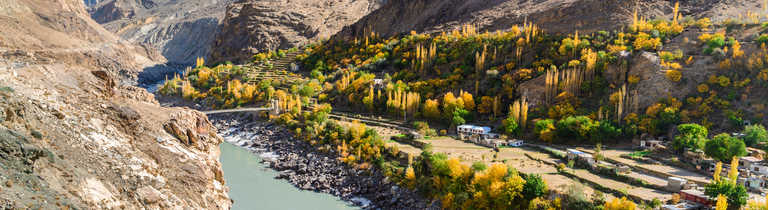
    The flight from Islamabad to Skardu takes just over an hour and it is no exaggeration to say it is one of the most scenic flights in the world. With views of the Himalaya and Karakoram ranges, see if you can spot Nanga Parbat (8126) or even catch a glimpse of the magnificent K2. After landing, we will stop briefly for refreshments in Skardu before we take to the road again for the drive to Hunza. Our route follows the roaring Indus River, joining the famed Karakoram Highway and crossing the confluence of the Indus and Gilgit rivers before reaching the spectacular Hunza Valley. After checking into our hotel in Karimabad, we can rest, soak in our new surroundings and reflect on the dramatic scenery we have seen already.

    • Transport: Private vehicle (6 - 7 hours, 290 km)
    • Max. altitude: 2500 m
    • Accommodation: Hotel
    • Meals included: Breakfast / Lunch / Dinner
  • Day 3

    Explore Karimabad

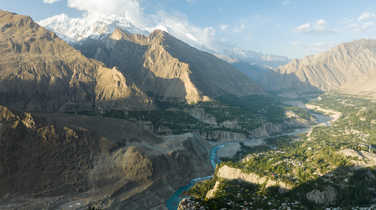
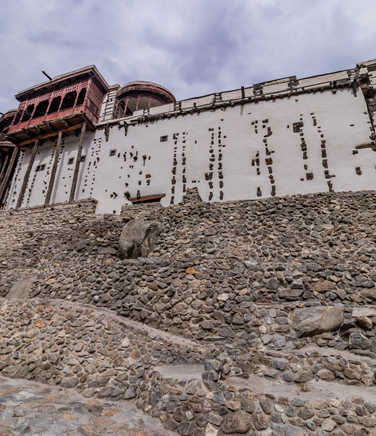
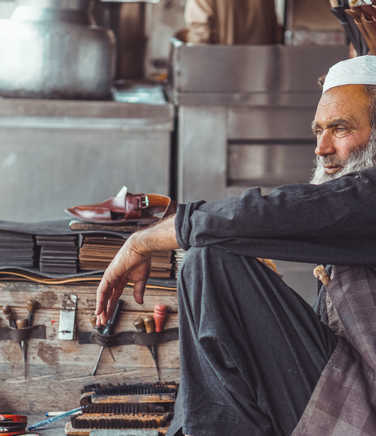
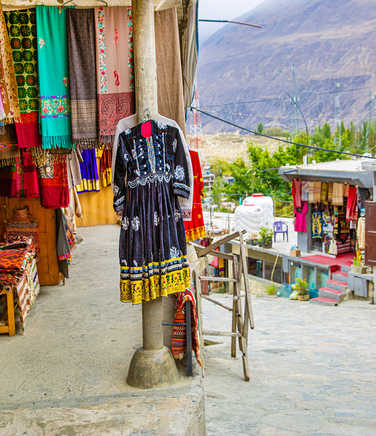
    We spend today exploring the local sights and learning about the rich history of this area. We will visit the forts of Altit and Baltit, both commissioned in the 16th Century by a prince of the former Hunza Kingdom who employed specialist master craftsmen to build the two forts in breathtaking locations. This afternoon we head to Karimabad Bazaar, once part of the ancient Silk Route, where we can wander through the narrow, winding streets lined with traditional stalls selling colourful carpets, fabrics, gemstones, dried fruits and local handicrafts. The Bazaar is a great place to learn about the local culture and pick up unique souvenirs. The tours will finish early in the afternoon, leaving you the remainder of the day to continue exploring.

    • Transport: Private vehicle
    • Max. altitude: 2438 m
    • Accommodation: Hotel
    • Meals included: Breakfast / Lunch / Dinner
  • See more

Details

Trip information

Difficulty

Throughout this itinerary, you will be at altitudes of 2500m or above and will trek to a maximum altitude of 3900m. Whilst the terrain on the treks is not technical, you will be staying in basic accommodation in remote locations where supplies are limited. Included in this itinerary are periods of travel by 4x4 on exposed mountain roads along sections of the Karakoram Highway. The remote areas and 'off the beaten track' nature of this trip makes it ideally suited to experienced travellers with high-altitude experience who are looking for a gentle introduction to a fascinating country.

Food & drink

MEALS
Staying well-fed on your trip is absolutely vital, especially at altitude, when you may not want to eat or drink as much as you should.
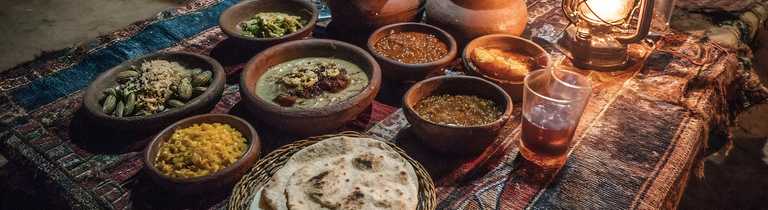
When you are staying at hotels, we will take breakfasts and evening meals there and you can select from their restaurant menu. The same applies in the mountain lodges and guesthouses at Fairy Meadows and Beyal where the menus will be a little simpler. When trekking, we will take packed lunches which will be provided by your accommodation. On sightseeing days, we will stop at local restaurants where we will be able to sample local cuisine and experience the generous hospitality of the Balti people. 
At altitudes above 2000m, you are exerting much more energy than usual and it is vital that you eat enough food. You will be able to choose from a broad selection of local and western-style dishes throughout this trip, but we highly recommend bringing snacks that you know work for you when you are trekking. Snacks that are high in protein will be beneficial. Popular snacks are energy bars, chocolate, nuts / trail mix and dried fruit. If you are considering bringing energy gels, you should have used these before and should ensure that your body is used to them as they can cause stomach upsets. 

A typical day's meals are as follows:

BREAKFAST
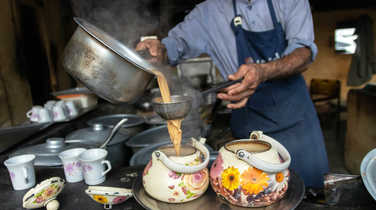
Each day begins with a hearty breakfast with plenty hot options including eggs, porridge, freshy baked breads and chapatis as well as well as plenty of tea and coffee. There will also be a selection of jams and spreads.

LUNCH
Depending on where we are on the itinerary, lunch may be a packed lunch (this is usual on trekking days) and typically includes cheeses, breads, tinned meat / fish and plenty of hot drinks. On sightseeing days, we will stop for much at local restaurants where you will be able to choose from the menu and sample local dishes. If you are unsure what to go for, your guide will be able to make suggestions.

DINNER
Each evening, we will dine together in the restaurant at our accommodation to enjoy delicious, freshly cooked melas. Wherever we are staying, there will be plenty to choose from.

DRINKING WATER
On this trip, we boil or filter all the water that we give you for drinking. Where possible, natural spring water is taken from reliable mountain sources. Where this is not available, we rely on glacial meltwater which is extremely mineral rich and can cause an upset stomach. As this may contain glacial silt, it is allowed to settle in large water containers before being treated. All water is either boiled or purified using an appropriate treatment method. Whilst we do everything we can to ensure water is suitable for drinking, we highly recommend treating your water with chlorine tablets yourself in addition. Water filters may become blocked and may not work well if the water contains glacial silt. 

In Islamabad and Skardu, you will be able to purchase bottled water but should ensure that the seals on the bottle caps are unbroken. If you are eating out, use your common sense when choosing where to eat and avoid raw foods such as salads as well as drinks which contain ice.

ISLAMABAD
Your lunchtime and evening meals can be taken in your hotel or in Islamabad city. Many dishes feature tender, slow-cooked meats, fragrant rice and fresh breads. Look out for rich meat dishes such as nihari and paya, karahi dishes made with chicken or mutton, or if you prefer to go meat-free, you will find plenty of daal (lentil curry) and sabzi (seasonal vegetable) options. All will be served with traditional local breads such as chapati or roti. 

DIETARY REQUIREMENTS
Vegetarian diets are frequently catered for, but if you have special dietary requirements or are vegan, you need to let us know when you book so that we can inform our team who will be catering for you on the trek.

Accommodation

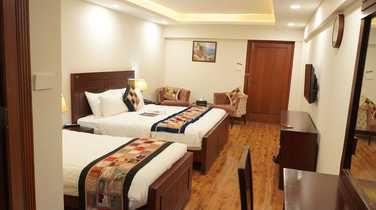
Your full day by day itinerary shows what is included in terms of hotel accommodation and meal basis. Our pre and post - trek accommodation is based in Islamabad .Where your hotel basis is B&B, you can usually purchase snacks or meals at the hotel, which can be paid for in Pakistani Rupees. In Islamabad, you will stay in a comfortable 3* hotel with en-suite rooms in the city’s Blue Area (the central business and commercial district). Hotels outside of Islamabad are used primarily for mountaineers and trekkers and, whilst still comfortable, are more basic, with simpler rooms and shared bathroom facilities. In hotels, rooms will be booked on a twin shared basis. Whilst trekking, we will stay in guesthouses and mountain lodges where rooms will be shared and facilities be basic with shared bathrooms.

Your guide

To operate our trips in Pakistan, we partner with the very best local provider. Your expedition will be lead by an experienced local Sidar (head guide) and qualified trekking guide. Alongside them will be a dedicated support crew of drivers and porters, meaning all you need to carry is yourself and your daypack. Your guides and support team are highly experienced in operating at altitude and play an essential role in the success of your expedition. Their local knowledge, professionalism and warm hospitality contribute greatly to making your Hunza Valley and Nanga Parbat Base Camp both safe and memorable.

Transport

This itinerary includes private transfers in Islamabad and Skardu, domestic flights and travel on high mountain roads and journeys in 4x4s. 


VEHICLES AND DRIVING STANDARDS
The main trekking season in Pakistan (July – August) coincides with the monsoon season, but the Korakoram range sits largely out of reach of the heavy monsoon rains and the weather remains mostly stable. However, the mountain roads we travel on are prone to landslides and may become impassable.

We insist on using a high standard of vehicle and driver for all of our transfers. In Pakistan it is not a legal requirement to have seatbelts fitted in the back of vehicles, and while we try to use vehicles that do have rear seatbelts fitted, this cannot always be guaranteed. If you are unhappy about any aspect of the vehicle or the standard of driving, please speak to the driver or our local office.


JOURNEYS BY 4X4
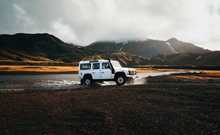
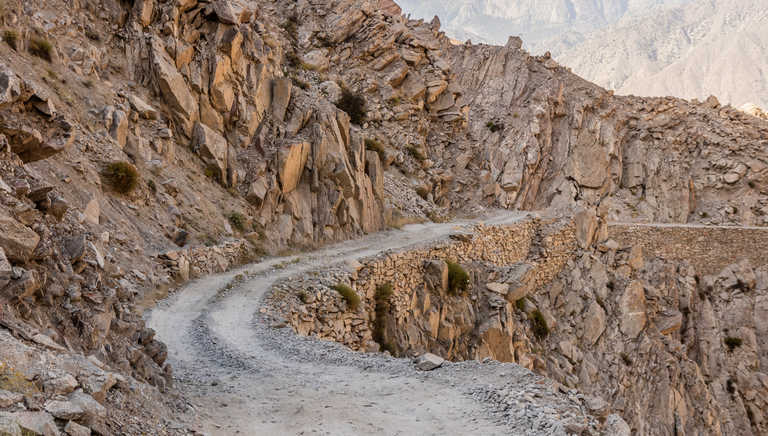
This itinerary includes travel on high mountain roads. Safety is our number one priority and these journeys will be undertaken in well-maintained 4x4 vehicles, driven by highly skilled local drivers who know these roads well. As with all high mountain roads, landslides can occasionally affect travel and, should any section of the road be temporarily blocked, our team will make the necessary arrangements to safely navigate the blockage. In some cases, it may not be possible to continue by vehicle and it may be necessary to continue on foot. Such delays are part of travelling in this remote and ever-changing environment and our local team are well used to managing these journeys. 

Luggage

On this trip we recommend bringing the following luggage:


  • Duffel bag (80-100 litres) to be carried by a porter
  • Daypack with rain cover (20-30 litres) to carry water (minimum of 2 litres), layers and snacks, etc
  • Lightweight, foldable bag / bumbag to carry valuables in Islamabad and at accommodations

The Pakistani authorities set a strict maximum weight limit for porters who will be carrying your personal luggage. Your personal duffel bag to be carried by porters, must weigh no more than 12.5kg. This bag should be a soft, waterproof duffel bag of around 100 litres.

How do I get there?

Our trips in Pakistan start from Islamabad. From the UK, British Airways offer direct flights from London airports and you can find indirect flights with Ethiad, Turkish Air and Pakistan International Airlines. For travellers coming from the USA, Emirates, Qatar and Turkish Airlines operate indirect flights from across the United States.


We always recommend taking your time deciding which airline to travel with as you may find mixed customer experiences relating to customer service and baggage handling.


The vast majority of international flights arrive into Islamabad in the morning which gives you time to settle in at your hotel before the pre-trek briefing on your scheduled arrival day.


If you are changing airlines or re-checking your luggage at an airport en-route, please ensure you leave a minimum of 3 hours between flights. This will account for any delays on arrival, travel time across airports (this can take longer than you think) and time taken to re-check bags.


DEPARTING PAKISTAN
Airport security in Pakistan is pretty strict and you will need to have printed evidence of your departure flights to show to the officials. This should be your flight tickets and receipt of payment for your flights. You may also be asked to show your visa and other visa related documents in paper form. If you prefer to do things digitally, you may do this as well but you MUST have aper copies of all of the above.

On arrival

Once you have cleared immigration and collected your luggage, make your way to the main doors. Your driver will be outside these doors, holding a ‘Kandoo’ sign or a sign displaying your name. If you have chosen to make your own way to the pre-trip hotel, you can easily find a taxi at the airport. The address of your hotel is on your trip itinerary. It takes about 35-45 minutes to drive to the hotel depending on traffic.

Pre-trek briefing

It is a requirement of joining any of our treks that you attend a pre-trek briefing before the trek begins. This gives our guide team the opportunity to review the plans for the trek with you, make sure you have all the right gear and answer any questions you may have. Your guide will also go through everything that you will need to bring on the trek with you, including travel documents for your flights and checkpoints on the trek. We will also carry out a pre-trek health check which must be completed before you trek to high altitude. In order to set a base line for your daily health check, your resting pulse rate will be tested and if it is above 100 you will be required to see a doctor before starting your trek. The majority of international flights arrive in Islamabad in the morning and your briefing will be held at 1pm on day one, after you have checked-in and had time to grab some breakfast / lunch.


If you should arrive on a later flight, you will still need to be given the full briefing before you go to bed. We need to complete our safety checks in the evening as we will have an early start in the morning.

Budget & change

The Pakistani Rupee is a closed currency so you will not be able to buy this before you arrive. Pakistan has a mostly cash-based economy and, whilst you may be able to use Visa / Mastercard in larger shops in cities, you should not rely on being able to pay by card. It is advisable to travel with US Dollars as these are widely accepted at currency exchange offices. It is very important that bills be new (less than 10 years old), crisp and untorn. We recommend changing currency in Islamabad rather than at the airport as you will get a much better exchange rate. Your hotel is located in the Blue Area, Islamabad’s business district, and there are exchange offices within waking distance of hotel. Your guide will be happy to assist you in finding these should you need them to.  Alternatively, you may be able to exchange a small amount of currency at the hotel reception, but expect to pay a higher exchange rate. 


You will need to budget for meals in Islamabad and Skardu as well as any souvenirs.  Depending on your tastes, you can eat for as little as $3 / £2 or treat yourself to a three-course meal for around $20 / £15. If you are relying on a credit or debit card for emergency funds, make sure you tell your card issuer that you will be using it abroad, or you may find that it won't work when you really need it.


US dollars are also useful if you have run out of rupees and we recommend bringing a small amount of cash in USD.

Tips

We realise that tipping may not be a common practice in all countries but it is a long-standing tradition in Pakistan that all operators support and provides valuable support to the families and communities involved in the trekking industry. The decision on how much to tip should be determined by how well the team served you while you were on the trek. Tips are always discretionary and if you are not happy with the service you have received you do not have to pay tips. Tips should be made in Pakistani Rupees. The group tip can be given to your guide who will distribute tips to porters after your trek as they will leave the group then. We recommend a tip of between $135 - $160 / £100 - £120 per trekker.


Tipping is entirely voluntary and, if you are not satisfied with the service you have received, you are under no obligation to tip.

Formalities & health

Passport

Please double check that your passport is valid for a minimum of 6 months beyond the date of your arrival into Pakistan. You will also need at least two completely blank pages. We recommend that you take a photocopy of your passport and keep it separate from the original, and this will be useful if the original is lost while you are travelling. You must carry your passport with you at all times.

Visa

Almost all visitors to Pakistan require a visa to enter and these must be secured in advance of your trip. It is s serious offence to enter Pakistan without a visa and you must check the current travel advice from your own government prior to your trip.

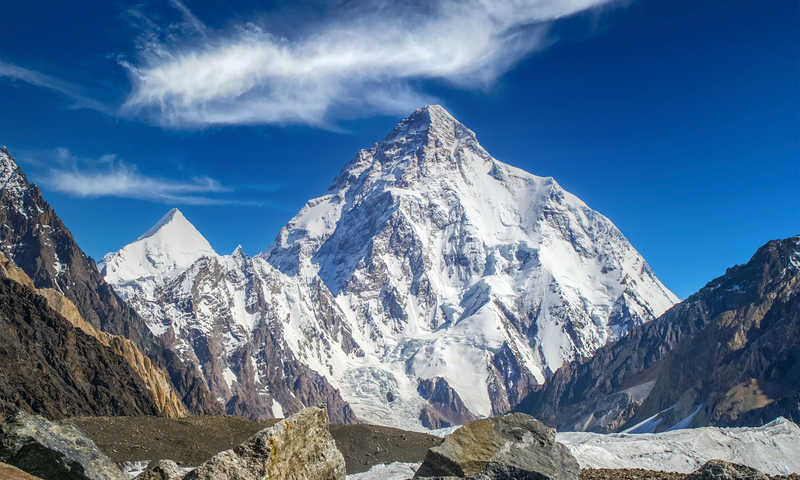
K2 BASE CAMP AND CONCORDIA
When applying for your visa, you must apply for a Trekking Visa. Our local team in Pakistan will formally register you as a participant on the trip and, once this has been approved by the government, we will send you everything you need for your trekking visa application. We require the following to register you for your trek:

Copy of your passport (photo page with bio-data)
2 passport-style photographs

It can take up to 8 weeks to be formally approved and you cannot apply for your visa until this has been granted. Please allow enough time to complete the trekking visa process. Please use the following website to apply for your visa:

https://visa.nadra.gov.pk/mountaineering-trekking/

For this visa you will need to upload the following documents:

Copy of your passport (photo page with bio-data)
Passport-style photographs (requirements can be found on the government website when applying for your visa)
List of people who will be on your trek (provided by Kandoo)
Invitation letter from the designated tour operator (provided by Kandoo)
Signed 'Trekking in Restricted Area' form (document can be found on government website when applying for your visa)
You may also be asked to provide proof of address in the form of a utility bill or similar

You will be sent an email with a Visa Grant Notice. Once you receive this, please email it to your Kandoo Adventures travel consultant as we need to pass this on to our team in Pakistan. We also recommend printing a copy of the Visa Grant Notice and keeping it with you whilst you are in Pakistan in case you are asked to show it to an official.

Tips for the visa application

Visa category - please select 'Mountaineering and Trekking'
Visa Sub-Category - please select 'Trekking'
Application type - please select 'Entry'
Visa type - please select 'Single Entry'
Visit purpose - please select 'BALTORO GONDOGORO HUSHE'

You will be asked to provide details of your accommodation on arrival and of the area where you will be staying outside of Islamabad. Please contact us for this information.

The visa fee will vary based on your nationality. You can check this using the following web address:

https://visa.nadra.gov.pk/fee-structure/

The fees for your trekking permit and restricted area permits are included in the trip cost.

This information is subject to change and it is your responsibility to check the current information on your own government's travel advisory website.

HUNZA VALLEY AND NANGA PARBAT BASE CAMP
When applying for your Pakistan visa, you must apply for a tourist visa. Our local team in Pakistan will formally register you as a participant on the trip and, once this has been approved, we will send you everything you need for your visa application. We require the following to register you for your trek:

Copy of your passport (photo page with bio-data)
2 passport-style photos

This can take up to 3 months to be approved and you cannot apply for your visa until this has been granted. Please allow enough time to complete the tourist visa forms. You can apply for your visa through the government website:

https://visa.nadra.gov.pk/tourist-visa/

For the visa, you will need to upload the following documents:

Copy of your passport (photo page with bio-data)
Passport-style photos (requirements on government website)
Hotel booking details (provided by Kandoo)
You may also be asked to provide proof of address (utility bill or similar)

You will be sent a Visa Grant Notice by email. Please email this to your travel consultant so we can do everything we need to. We also advise printing this and keeping it with you on your trip.

The visa fee will vary based on your nationality. You can check using the following web address:

https://visa.nadra.gov.pk/fee-structure/

Vaccinations

The following vaccinations are highly recommended for travel to Pakistan:

Tetanus
Polio
Typhoid
Hepatitis A

You should always consult your doctor or travel clinic in plenty of time before your trip as they will have the most up to date advice.

Insurance

It is your responsibility to ensure that you are fully and adequately insured for the duration of your trip. Please ensure that all activities, excursions and destinations in your itinerary are included in your travel insurance policy, in addition to your regular cover for cancellation and medical expenses. If you are joining the K2 Base Camp and Concordia trek, you will need cover for trekking up to 6000m of altitude and travel by 4x4 on remote mountain roads. For the Hunza Valley and Nanga Parbat Base Camp trip, you must be covered to trek up to 4000m and travel by 4x4 on the Karakoram Highway. Your policy must include cover for evacuation (including by helicopter) and repatriation if necessary.

Please take a copy of your insurance policy to the pre-trek briefing as the guide will need to collect your insurance details. We also ask that you keep a copy of your policy summary (containing your policy number and the emergency number for your insurer) in your day sack at all times, so we can access this information should we need to contact the insurer on your behalf.

Health

Before travelling to Pakistan, it is recommended that you visit your doctor and dentist for a routine health check-up.

Malaria
There is very low risk of malaria in Islamabad, Skardu or whilst trekking as you will be at or above 2,500m when not in Islamabad. However, there is a risk of malaria in many rural areas of Pakistan that are below 2000m, particularly in the provinces of Balochistan, Sindh and Khyber Pakhtunkhwa. You should always speak to a healthcare professional in plenty of time before you travel. If you will be travelling more widely in Pakistan, you should make them aware of where you will be visiting.

Altitude sickness
Altitude sickness, also called Acute Mountain Sickness (AMS), hypobaropathy and soroche, is an illness caused by exposure to low air pressure, especially low partial pressure of oxygen, which many trekkers experience at high altitudes. AMS is caused by exerting yourself at high altitudes, especially if you have not been properly acclimatised. It is most common at altitudes above 2400 meters. Our routes have been designed to aid your acclimatisation wherever possible, but the following will also help your body adjust:

Slow and steady. You need to keep your respiration rate low enough to maintain a normal conversation. If you are panting or breathing hard, you must slow down. There is no pressure on you to keep up with other members of the group.

Drink much more water than you think you need. Proper hydration helps acclimatisation dramatically. You need to drink at least three litres each day.

Diamox

There has been a lot of research on Diamox that shows that is has been reasonably well proven to be helpful in avoiding AMS by speeding up the acclimatisation process. In the UK, it is a prescription only drug which must be prescribed by a doctor, but some doctors are reluctant to prescribe it. The concern is that by taking Diamox, people believe that they are immune from AMS and can ignore the symptoms. In reality, although Diamox can help prevent the symptoms, should symptoms still develop, it means that you are not acclimatising and you have to take notice. Diamox is taken before you start trekking to prevent altitude sickness, not once you are on the trek and symptoms have started to develop.

Dehydration

You can easily become dehydrated at high altitudes. The lower air pressure forces you to breathe more quickly and deeply, and you lose a lot of water through your lungs. You will also be exerting yourself, sweating and may suffer from diarrhoea. As a result, you will have to drink much more water than you normally would. You should drink at least 3 litres of fluids every day while trekking. Even when you do not feel thirsty, you have to drink this amount of water as a minimum and preferably more. Stay on the look-out for signs of dehydration in yourself and your fellow trekkers. The most common symptoms include thirst, dry lips, nose or mouth, headache and feeling fatigued or lethargic.

Medication

All participants should speak with a doctor in plenty of time before the start of their trip to discuss the altitudes you will be reaching and the remote environment you will be visiting. There are strict rules on which medicines can be brought into Pakistan and you must check with your own government's current travel advice and the airlines you will be travelling with. These restrictions relate to prescription medications and medicines you may be able to buy over the counter in your home country. 

Equipment & clothing

Clothing to bring

HEADGEAR
  • Warm beanie style hat - knitted or fleece
  • Buff - essential to stop the cold air reaching your lungs
  • Wide brimmed hat or peaked cap for sun protection
  • Sunglasses p high UV protection
  • Headlamp (plus extra batteries)

UPPER BODY
  • Light or medium weight, moisture-wicking t-shirt (x3)
  • Long-sleeve shirt / t-shirt - light or medium weight, moisture wicking
  • Fleece or softshell mid-layer (x2)
  • Insulated jacket - down or primaloft
  • Lightweight water / windproof hard shell outer jacket
  • Gloves - lightweight, fleece or quick drying fabric

LEGS
  • Moisture-wicking / thermal underwear
  • Trekking trousers - light or medium weight (x2)
  • Waterproof hard shell trousers
  • Gaiters - optional but it can be dusty on the paths

FEET
  • Trekking boots - mid-weight with good ankle support
  • Training shoe or similar - for sightseeing
  • Mid-weight trekking socks (x3 pairs)
  • Warm socks (x2 pairs)
  • Crocs or sandals to wear at accommodations

Equipment to bring

GEAR
  • Trekking poles
  • Water bottle or hydration bag - must be able to carry a minimum of 2 litres of water. We recommend a wide-mouthed Nalgene bottle

LUGGAGE
    • Small rucksack or daypack (20-30 litres) to carry water and personal items
    • Waterproof duffel bag (around 100 litres)
    • Lightweight foldable bag / bumbag

    OTHER ACCESSORIES
    • Sun cream - SPF 50+
    • Lip balm - SPF 50+
    • Toiletries, including wet wipes, toothbrush and paste, anti-bacterial handwash, hand sanitiser and moisturiser - please carry all rubbish back off the train and dispose of in rubbish bins
    • Toilet paper / tissues (accommodation will have toilet paper but we recommend carrying some just in case you need it)
    • Personal medications and first aid kit including painkillers, blister plasters, rehydration salts, upset stomach treatment and throat lozenges
    • Camera and spare batteries
    • Personal snacks and energy bars - dried fruit and nuts are also a good source of energey
    • Isotonic drink powder / energy drink powder to mix in with your water. This improves flavour and helps replace electrolytes
    • Luggage locks x2 (one for anything left at the hotel and one for your duffel bag)
    • Microfibre towel for wiping your hands and face each day
    • Ear plugs (if you are a light sleeper)
    • Insect repellent
    • Powerbank and charging cables - solar powerbanks work well
    • Dry bags - great for organising your packing in your duffel and daypack as well as keeping everything dry


    Gear rental

    If you are planning on renting any items for your trek, there are a number of equipment hire stores in Islamabad and Skardu. We highly recommend contacting the stores prior to your trip to check that they have the items you will need, their opening times and what payment is accepted. The quality of rental gear is very variable and it is your responsibility to check carefully the condition of any item you rent. We accept no responsibility for the quality of equipment hired.


    An indication of the likely rental costs is below:

    • Trekking poles: $1 per day
    • Down jacket: $2 per day

    If you are planning on renting equipment, you need to make sure you have allowed sufficient time at the beginning of your trip.

    All rental equipment is included in your overall trekking bag weight, so make sure you have allowed for this when packing your bag at home.

    Dates & prices

    From To Price Availability Book Enquire
    22/05/2027 05/06/2027 £2,499 $3,329
    2 more to confirm
    Book now Enquire now
    07/08/2027 21/08/2027 £2,499 $3,329
    2 more to confirm
    Book now Enquire now

    Want to ask us a question or book a private trip? Don't hesitate to contact us!

    Contact us
    Price includes

    • All airport transfers
    • Hotel nights in Islamabad before and after trek (B&B)
    • Return flights between Islamabad and Skardu
    • National Park, permit, bridge and road fees
    • A fully supported trek with a qualified, English speaking trekking guide and local Sirdar
    • All drinking water on the trek
    • Daily health checks
    • Access to emergency oxygen and first aid kit
    • Hotel and mountain lodge accommodation throughout the trip on a full board basis
    • Invitation letter required to obtain Pakistan visa
    • Private vehicle transfers

    Price does not include

    • Travel insurance (you must be covered for trekking up to 4000m and for travel by 4x4 on the Karakoram Highway)
    • Your personal trekking gear
    • Your personal medicines or prescriptions
    • Meals and drinks in Islamabad (breakfast is included)
    • Charges for WiFi use at accommodations
    • Tips for your guide and crew