
Everything you need to know about the savage mountain and the first winter ascent
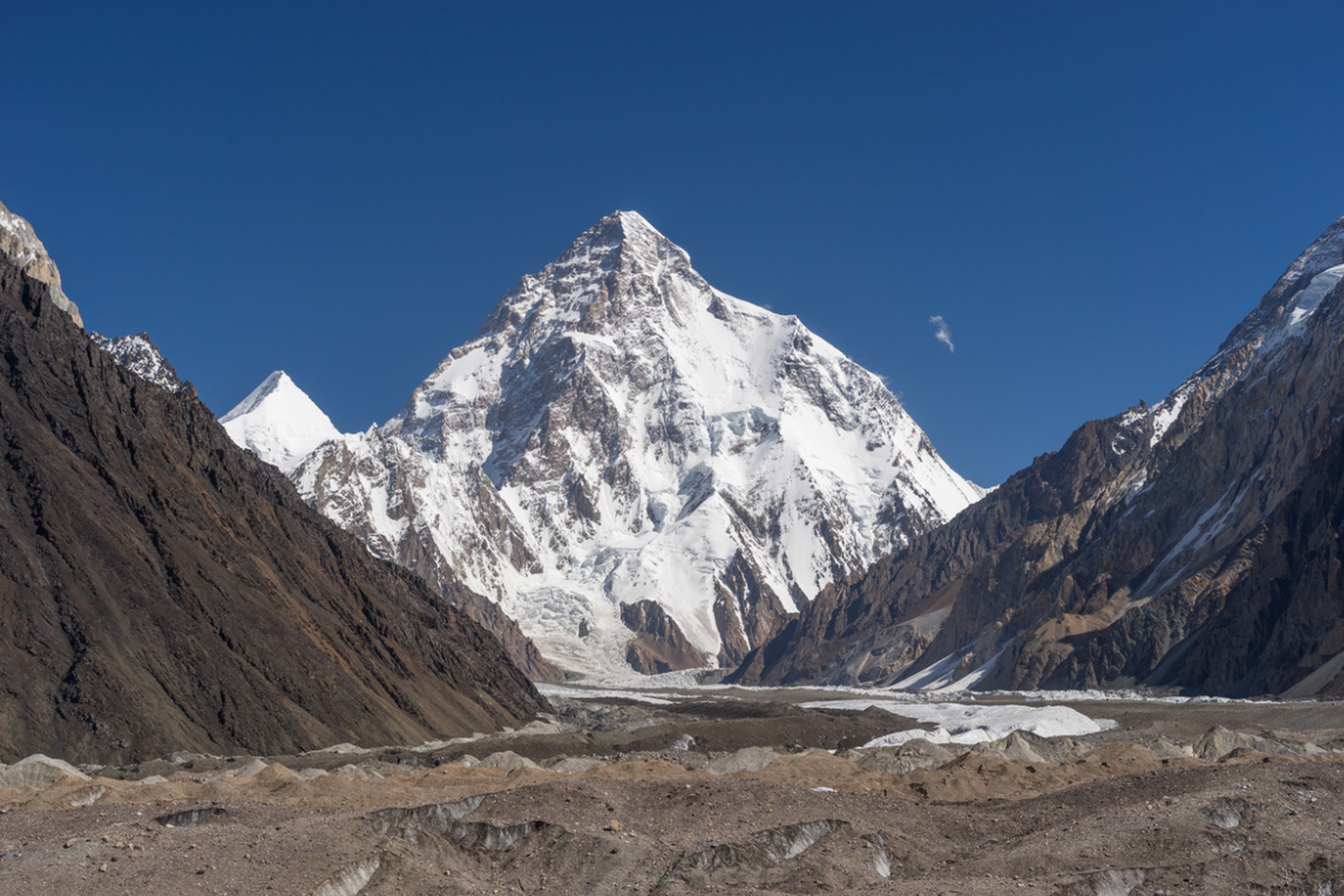
K2 mountain is the second-highest peak on Earth at 8,611m, above the Pakistan-China border. It’s also one of the deadliest mountains to climb.
If you've just watched The Last First: Winter K2 documentary, you’ll know the incredible story of the first winter ascent in 2021. But there’s so much to discover about the peak, like its history, extreme conditions, and the trek that leads you right to its foot.
Here's everything you need to know about K2, the true story behind the documentary, and how to experience the mountain up close without the risk of climbing it yourself.
Where is K2 mountain?
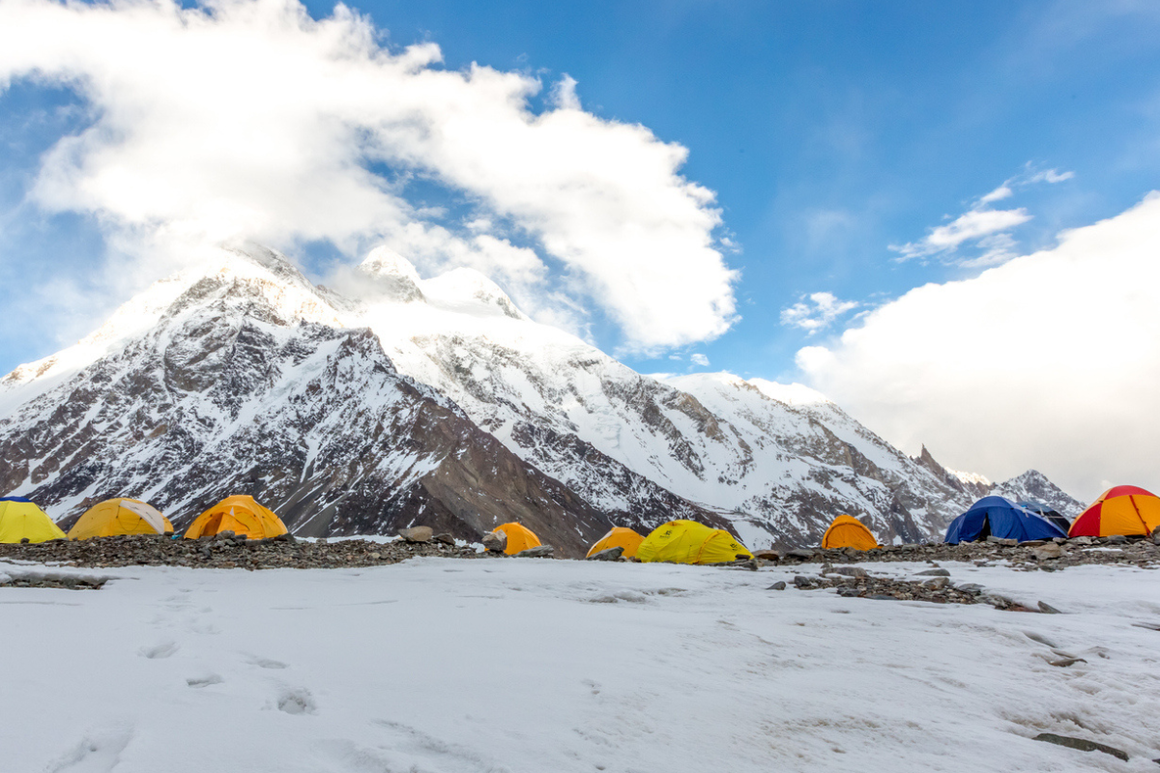
K2, the mountain stands on the border between Pakistan and China, deep in the Karakoram range. On the Pakistani side, it's in Baltistan, part of Gilgit-Baltistan (in northern Pakistan). On the Chinese side, it borders Xinjiang.
People often mistake K2 for a Himalayan peak, but it belongs to the Karakoram range, a separate range north of the Himalaya. In fact, it’s part of the Baltoro Muztagh, a sub-range of the Karakoram.
The mountain is set in a seriously remote location. The nearest village, Askole, is roughly 60 miles away. Almost everyone who goes to K2, sets out from Gilgit-Baltistan in Pakistan, flying into Islamabad, before heading to Skardu. After that, it’s a 6-7 hour drive to Askole, where the trek begins.
The K2 area is a restricted zone, so you need a licensed operator, a trekking permit, and the right visa category (a trekking visa, not the tourist one). Your operator arranges most of this for you.
Fun fact: The origins of the K2 name came from a British surveyor's notebook. In 1856, Thomas Montgomerie of the Great Trigonometrical Survey of India sketched the two most prominent peaks of the Karakoram from Kashmir. He labelled them K1 and K2, with ‘K’ standing for Karakoram. K1 turned out to have a local name, Masherbrum. K2 was so remote that no village could see it, so the survey label stuck.
How high is K2 mountain?
The official K2 height on maps and from Pakistan’s tourism authorities is 8,611m.
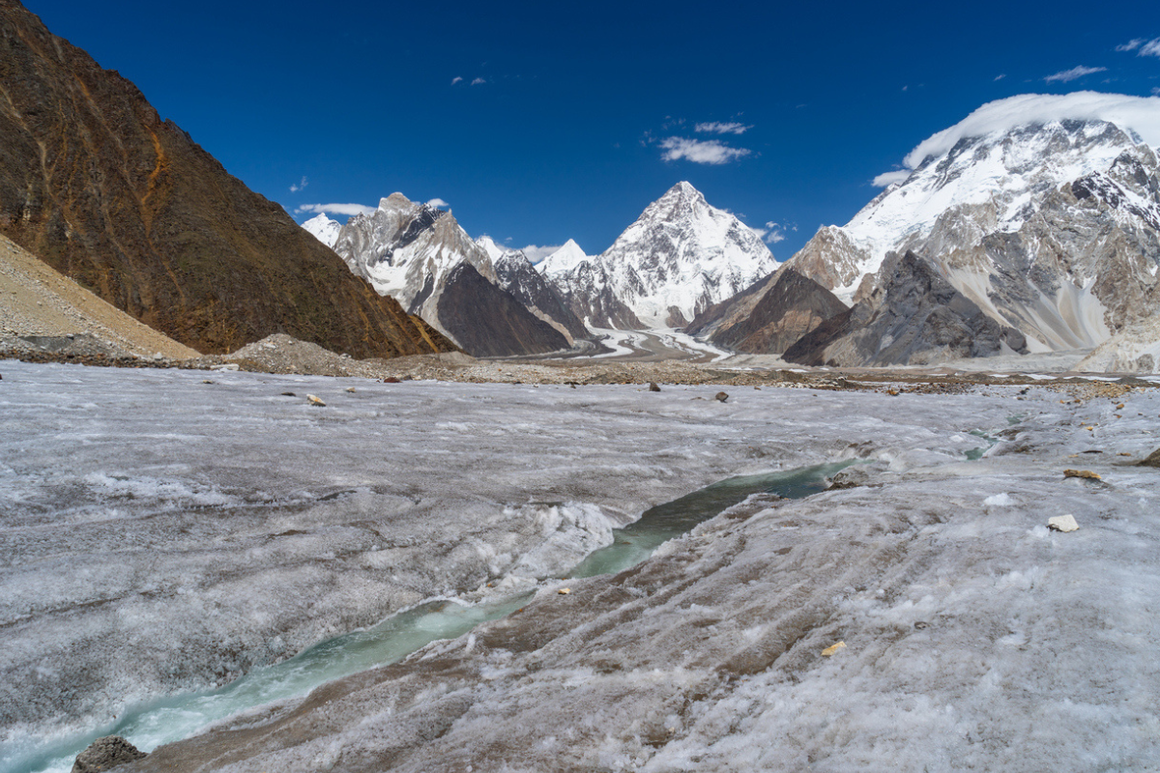
This makes it the second-highest mountain in the world, after Mount Everest (around 8,849m).From the foot of K2, you really get to understand how huge the mountain is. It's a steep, near-perfect pyramid that rises more than 3,000m above the Godwin-Austen and Baltoro glaciers at its base.
There’s some disagreement over the mountain’s height though. In 2014, an expedition called ‘K2 60 Years Later’ set out to determine K2’s exact height by carrying a high-precision GPS receiver to the summit.
It recorded a height of 8,609.02m, which is about 1.3m lower than the previous survey. The findings haven’t changed the official figure, but now we know that researchers have measured K2 to the centimetre.
How do you reach the K2 mountain?
Most people reach K2 from Skardu, the main town of Baltistan. From there, it's a jeep ride to Askole, the last village before the climb, and then you spend about a week on foot up the Baltoro Glacier.
Here’s the exact route to the starting point:
- Fly from Islamabad to Skardu. It’s one of the most spectacular flights, taking just over an hour, but it only runs in clear weather. Good tour itineraries build in spare days for delays. If flying is out of the question, you split the drive over two days.
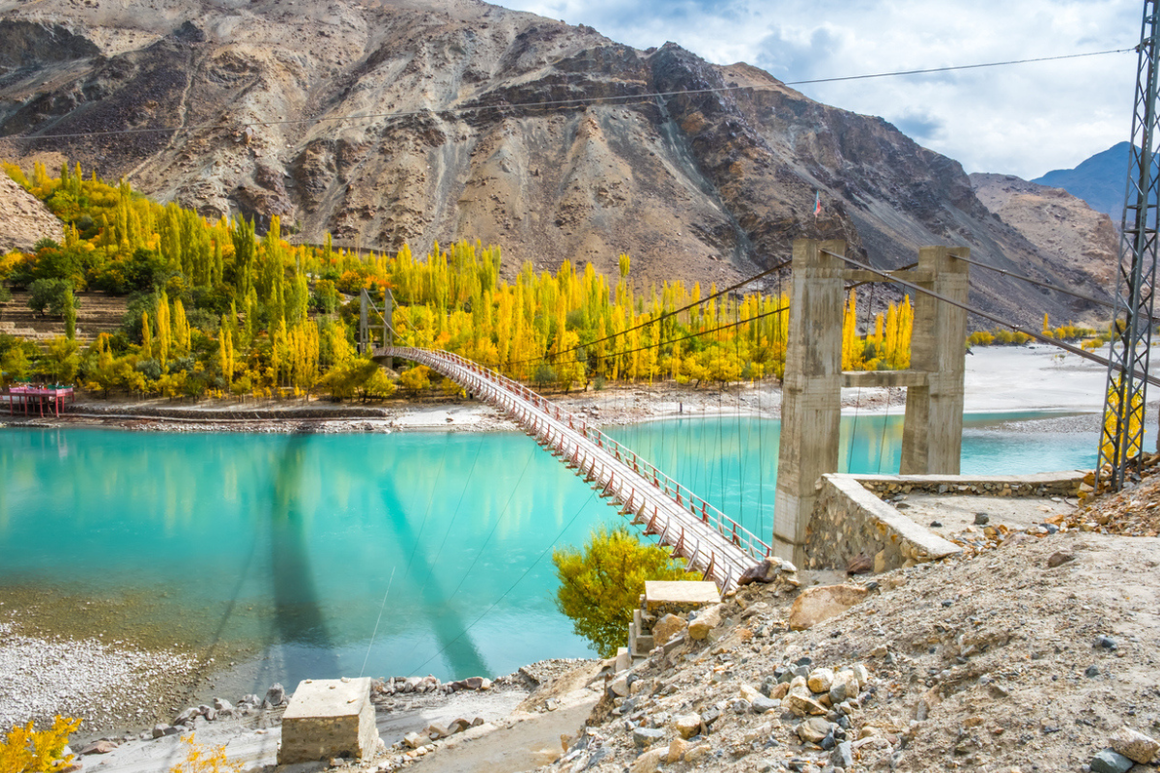
- Drive to Askole, the last inhabited settlement on the route. The mountain road passes through the green Shigar Valley and navigates the Braldu Gorge, which takes around 6-7 hours.
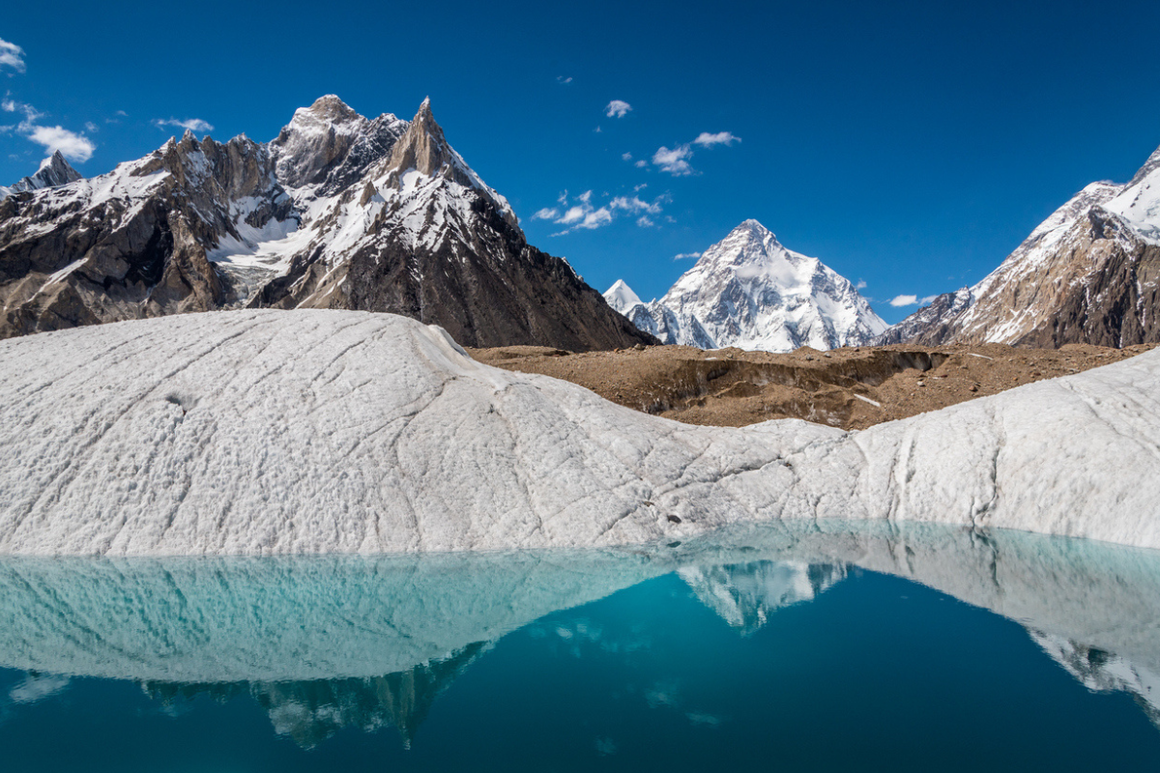
- Trek up the Baltoro Glacier. Over about a week, you walk via Paiju (a good spot to acclimatise to the altitude), Urdukas, and Goro Camp. Then you reach Concordia, the spectacular crossroads where the glaciers converge.
- Follow the Godwin-Austen Glacier to K2 Base Camp. Journey along the historic route taken by generations of climbers and trekkers. The terrain is constantly changing, so your guides help out a lot here! You hike for around eight hours.
Fun fact: The first expeditions to K2 took five days just to walk from Skardu to Askole as this was only possible on foot. Today, jeeps handle it in under a day.
What is the Last First: Winter K2 documentary about?
The Last First: Winter K2 is a 2026 documentary, directed by Amir Bar-Lev. It’s about the race to make the first winter ascent of K2 in 2020-21. While there was a successful summit, the achievement came at a massive cost, including the death of five climbers.
The title of the documentary has two meanings:
- By 2020, climbers had summited every mountain over 8,000m in winter except one. K2 was the ‘last first’ in mountaineering.
- But it was also the first time Nepali climbers took the prize for themselves, after Sherpas had supported expeditions on the world’s highest mountains for more than a century.
The film follows three overlapping expeditions:
- John Snorri and the Sadparas: Icelandic climber John Snorri arrived first, with Pakistani father and son Muhammad Ali Sadpara and Sajid Sadpara
- .The Nepali teams: Nirmal ‘Nims’ Purja and his team, and a second team, led by Mingma Gyalje Sherpa ‘Mingma G’.
- A large commercial expedition: Made up of paying clients. There were also influencer climbers and film crews.
Where can you watch The Last First? You can watch The Last First: Winter K2 on Apple TV.
The true story behind the first winter ascent
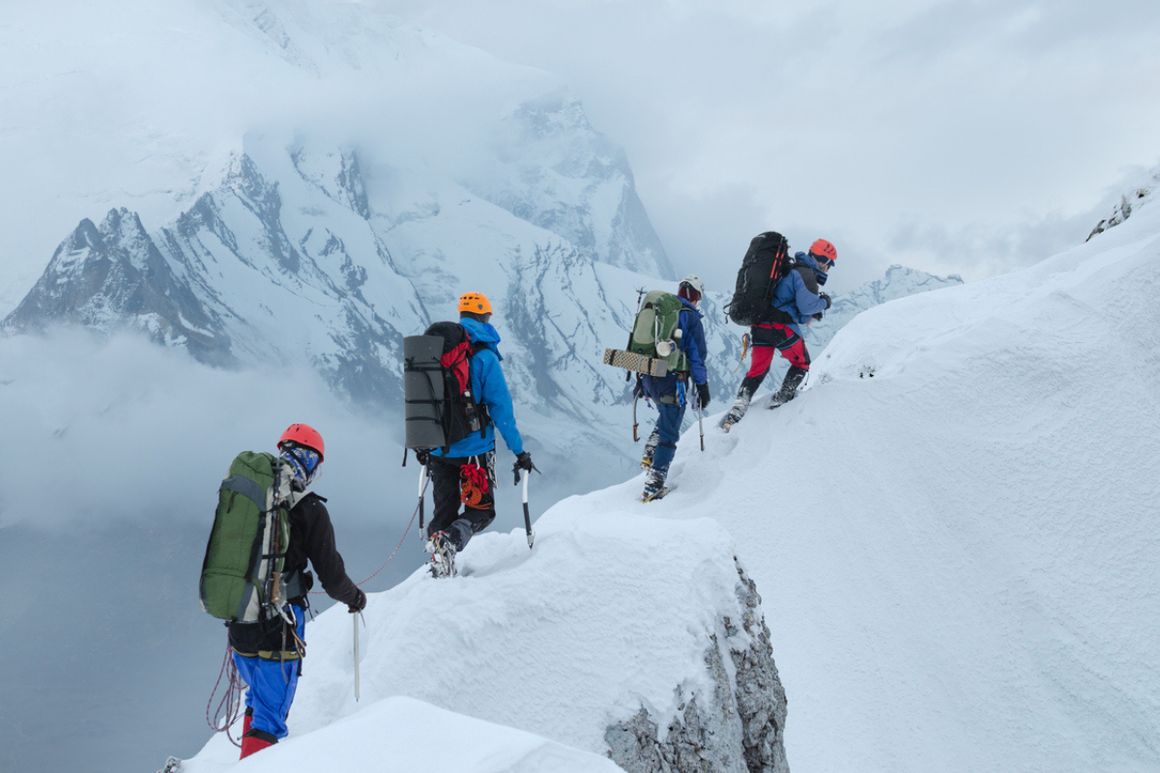
On the 16th January 2021, 10 Nepali climbers reached K2's summit together, making the first winter ascent. It came 33 years after the first winter attempt.
The first winter expedition was in 1987-88, but the team had to turn back due to severe weather. Over the next three decades, attempt after attempt failed. Before 2021, nobody had ever climbed higher than 7,650m in winter.
In 2021, the difference was three teams joining forces: Nims Purja's team, Mingma G's team, and Sona Sherpa from the company Seven Summit Treks. They also fixed ropes all the way to Camp 4.
On summit day, the climbers gathered just below the top, then walked the last few metres together to mount K2, singing the Nepali national anthem. Nims Purja climbed without supplemental oxygen.
But the historic achievement came at a huge cost. Spanish climber Sergi Mingote died in a fall on summit day. On the 5th February, Bulgarian climber Atanas Skatov also fell to his death. The same day, Ali Sadpara, John Snorri, and Chilean climber Juan Pablo Mohr disappeared high on the mountain.
Climbing K2 vs trekking to K2 Base Camp
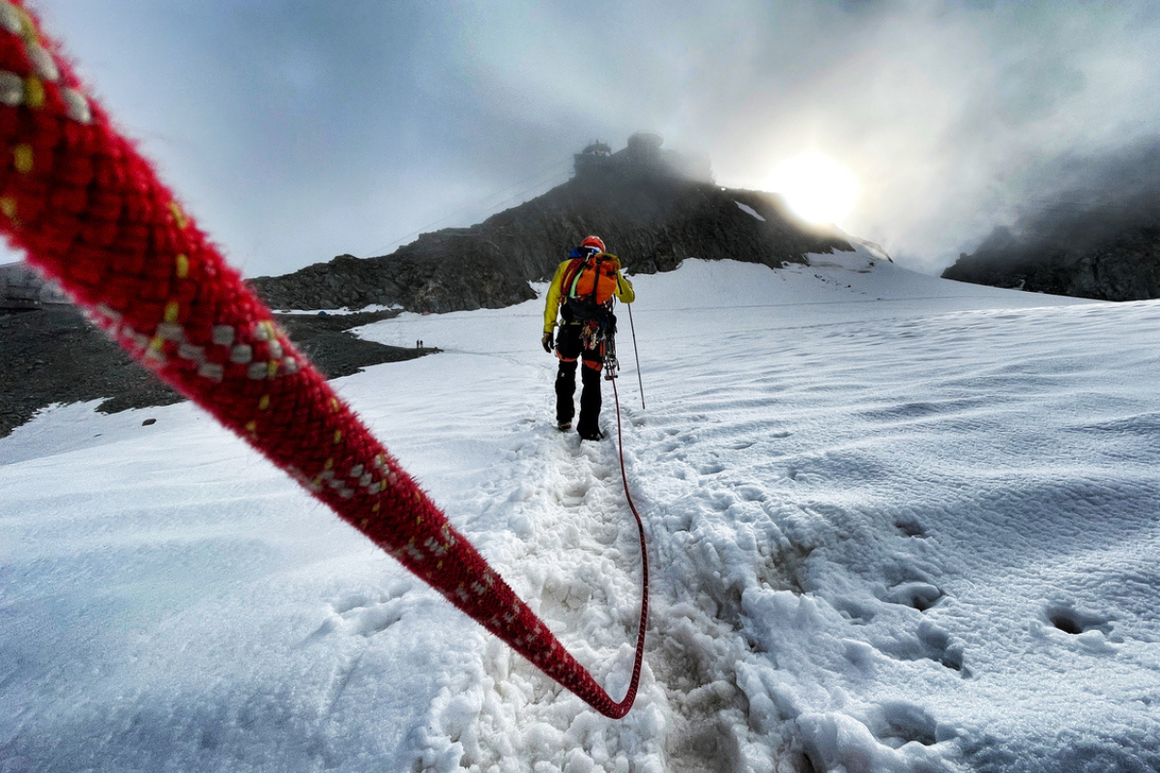
Climbing K2 means an expedition of around two months to reach the 8,611m summit, while trekking to K2 Base Camp takes roughly three weeks, reaching around 5,000m.
Climbing K2 is a notoriously difficult venture because it’s steep almost all of the way, with barely any sections that flatten out. Fewer than 1,000 people have ever reached the top.
It’s also one of the most dangerous climbs, which is how it earned its name, the Savage Mountain. For this reason, only experienced high-altitude mountaineers attempt it. You’d need to have years of experience on 8,000m peaks and using fixed ropes.
Unlike climbing K2, the trek doesn’t require any technical mountaineering skills. Instead, you need to be physically fit (some of the days include 20km of walking which can take up to nine hours to complete). You need experience of multi-day trekking at high altitudes.
Although it’s tough, it’s the best way to see K2, without the risk of reaching the summit.
Recommended reading: K2 Base Camp difficulty.
Can you trek to K2 Base Camp?
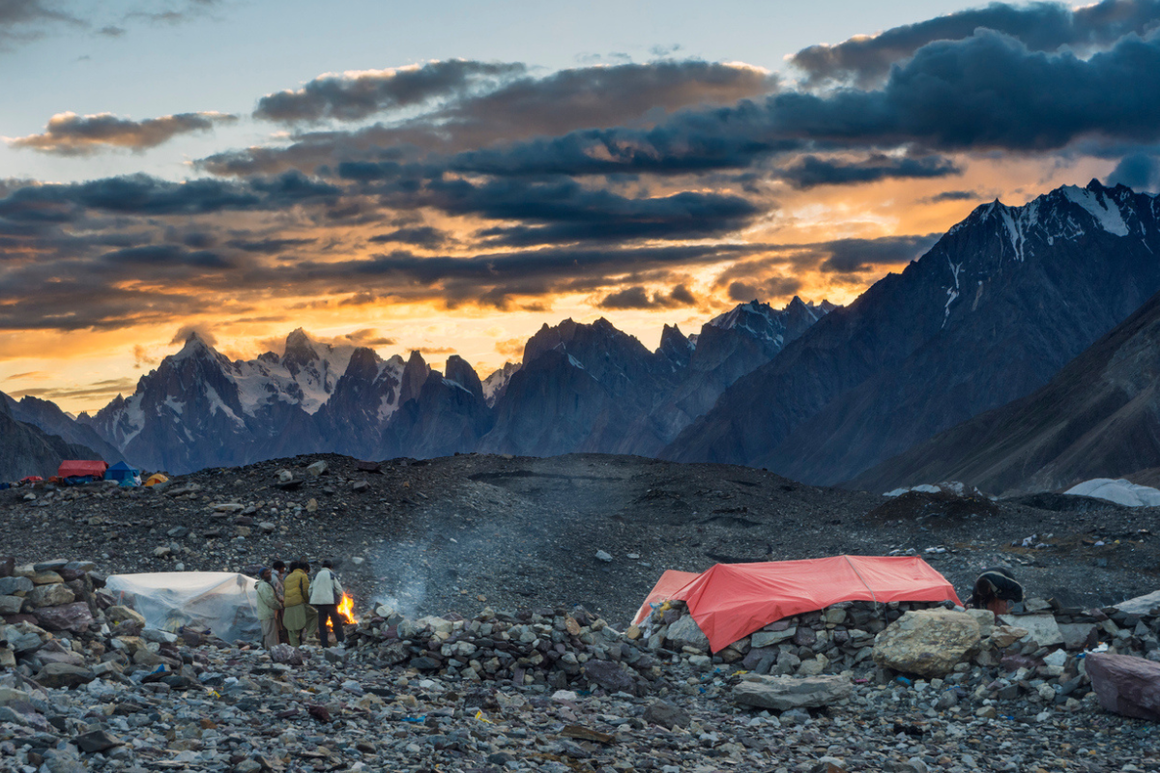
You don’t need to be a mountaineer to trek to K2 Base Camp. The trek doesn’t involve any technical climbing. It’s long and tough, but within reach of fit, determined trekkers.
Here's some of what you see along the way:
- Concordia, nicknamed the ‘Throne Room of the Mountain Gods’: At around 4,600m, where the Baltoro and Godwin-Austen glaciers meet. From here, four mountains over 8,000m are in view: K2, Broad Peak, Gasherbrum I, and Gasherbrum II.
- The Baltoro Glacier: One of the longest glaciers outside the polar regions. On Kandoo’s K2 Base Camp and Concordia trek, you get to walk on the Baltoro to the foot of the Savage Mountain.
- The Gilkey Memorial: A short walk from K2 Base Camp, this stone cairn honours climbers who have died on K2. It's named after Art Gilkey, who died on the 1953 expedition that gave K2 its nickname.
- Broad Peak Base Camp: On the way, at around 5,000m. It’s the twelfth-highest mountain in the world, at around 8,051m.
Top tip: The K2 trekking season runs from June to September, and July and August usually bring the most settled weather.
Recommended reading: For full details, read our guide to the K2 Base Camp trek.
FAQs about the K2 mountain
Why is it called K2?
K2 was the second Karakoram peak logged by surveyor Thomas Montgomerie in 1856, so he named the first, K1 and the second, K2.
Is K2 taller than Everest?
No. K2 is 238m lower than Everest. K2’s height is 8,611m.
Where is K2, the mountain?
K2 sits on the Pakistan-China border. Most climbers and trekkers approach from the Pakistan side, flying from Islamabad to Skardu, then taking a jeep to Askole.
Who made the first winter ascent of K2?
10 Nepali climbers achieved the first winter ascent on the 16th January 2021.
Why is K2 called the Savage Mountain?
In 1953, American climber George Bell and his teammates came close to falling to their deaths while attempting to mount K2. Afterwards, he told a reporter: ‘It's a savage mountain that tries to kill you’.
The climb is steep all the way, with very few places to rest or shelter safely. On the standard route, you also pass through a narrow gully beneath an enormous overhanging wall of ice. In 2008, 11 climbers died in a single disaster here.
Storms can trap climbers high on the mountain for days, and because of its remote location, rescue is extremely difficult. The K2 death rate used to be closer to 20% but it’s now nearly 10%. That’s been improved over the years because of fixed ropes and larger expeditions. Saying that, K2 remains one of the deadliest mountains.
Experience the thrill of K2 with Kandoo Adventures
You don’t need to climb K2 to feel its significance. Trekking K2 puts you right at the foot of the mountain. Plus, you get the incredible experience of walking along the Baltoro Glacier and waking up to some of the best views of the Karakoram range.
Ready for your next adventure? Book your K2 Base Camp trek.