
Everything you need to know about Everest’s deadliest route
The new National Geographic documentary Everest: The Other Side opens with a bold statistic: only five people had ever climbed the direct Everest north face, and nobody had ever skied down it.
The film opened in cinemas and IMAX on the 30th of October 2026. It follows ski mountaineers and couple, Jim Morrison and Hilaree Nelson, and their shared dream of climbing and skiing the hardest line on the mountain: the north face.
Our guide breaks down the exact mountain face that most trekkers never see. We look at what the north face is, how it’s different from the Nepal side, and the true story behind the film.
We discuss details of the documentary in this article. If you don’t want any spoilers, make sure to watch the film first.
The north face of Everest explained
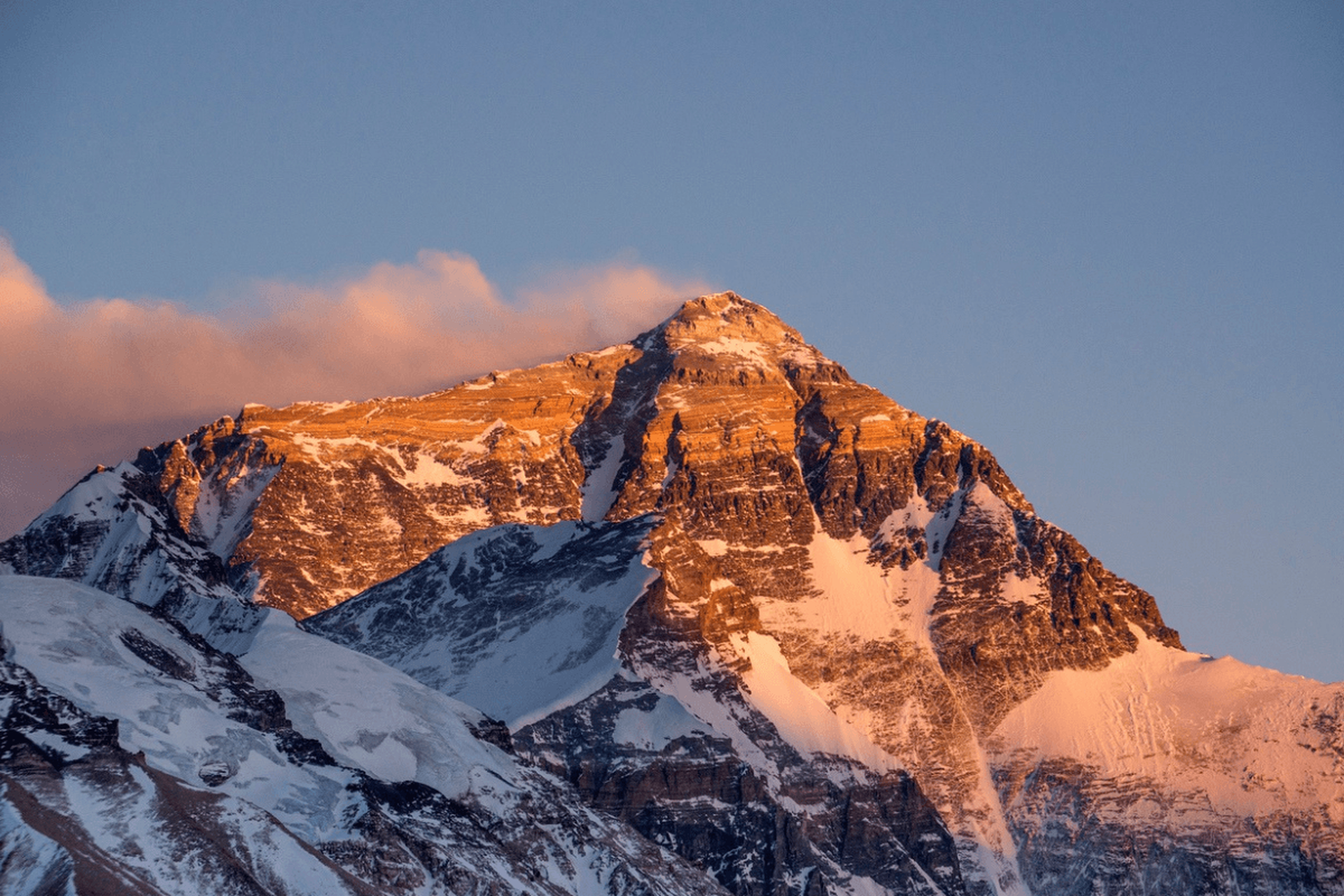
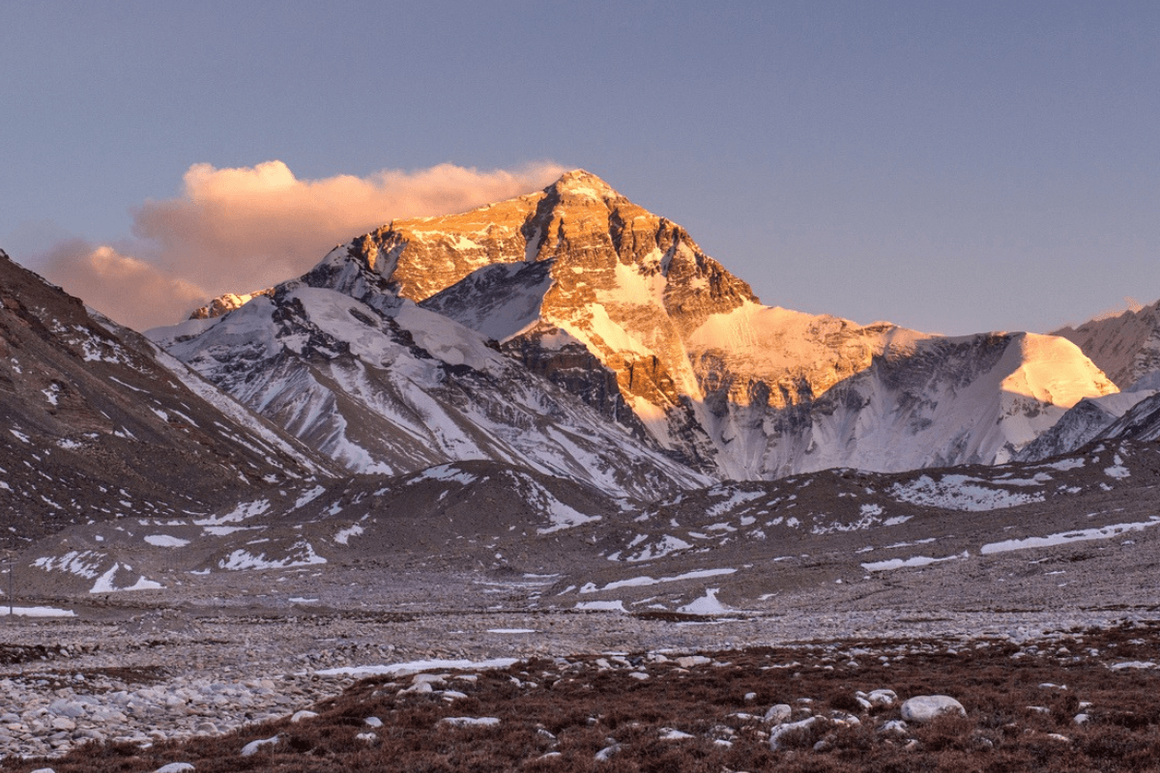
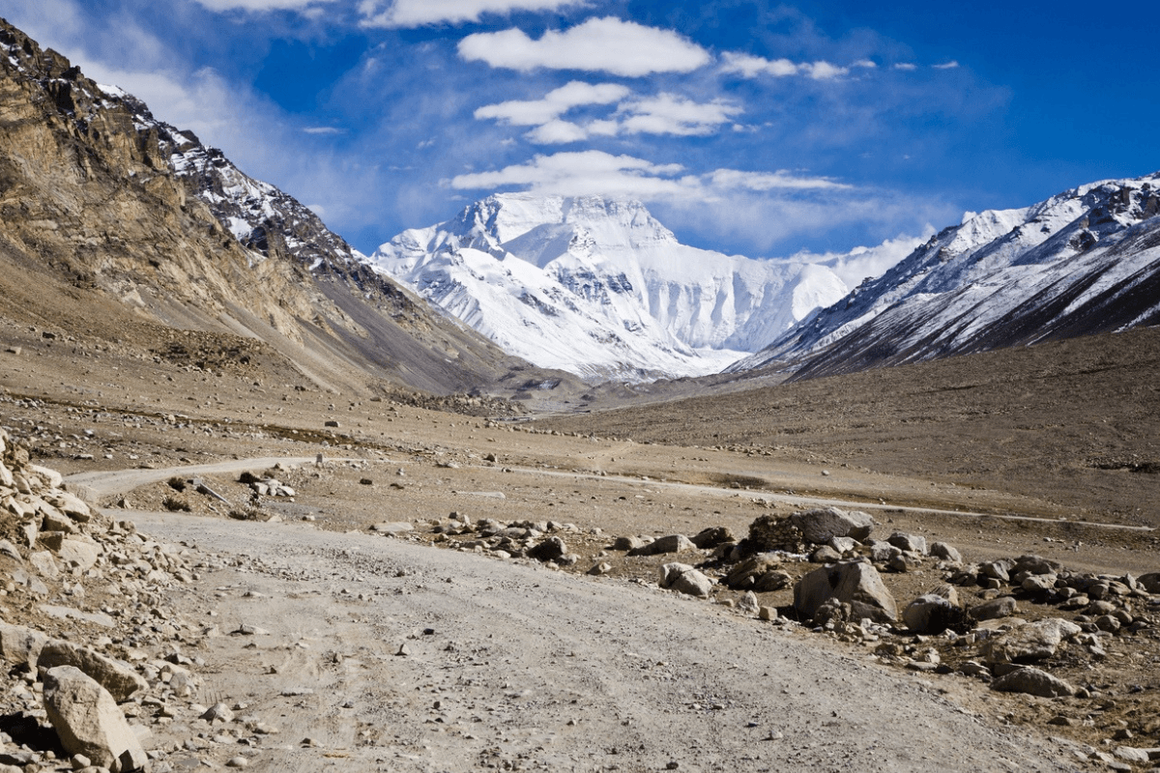
Everest stands 8,849m high on the border between Nepal and Tibet. Its north face is the vast wall of rock and snow that looks down on the Rongbuk glaciers in Tibet.
There are two main routes to Mount Everest: the North Col and South Col:
- The north route starts in Tibet/China and it's a tougher option due to rough weather and difficult climbing spots. Access depends on the China-Tibet Mountaineering Association (CTMA), and permits are strictly controlled.
- South routes from Nepal in the Khumbu region are more popular because logistics are flexible and expedition permits are easier to secure.
So what’s the difference between the north side and the north face?
Most people who climb Everest from the north follow the North Col and the northeast ridge, which runs along the edge of the face. But only a tiny number of people have climbed straight up the steep north face of Mt Everest itself.
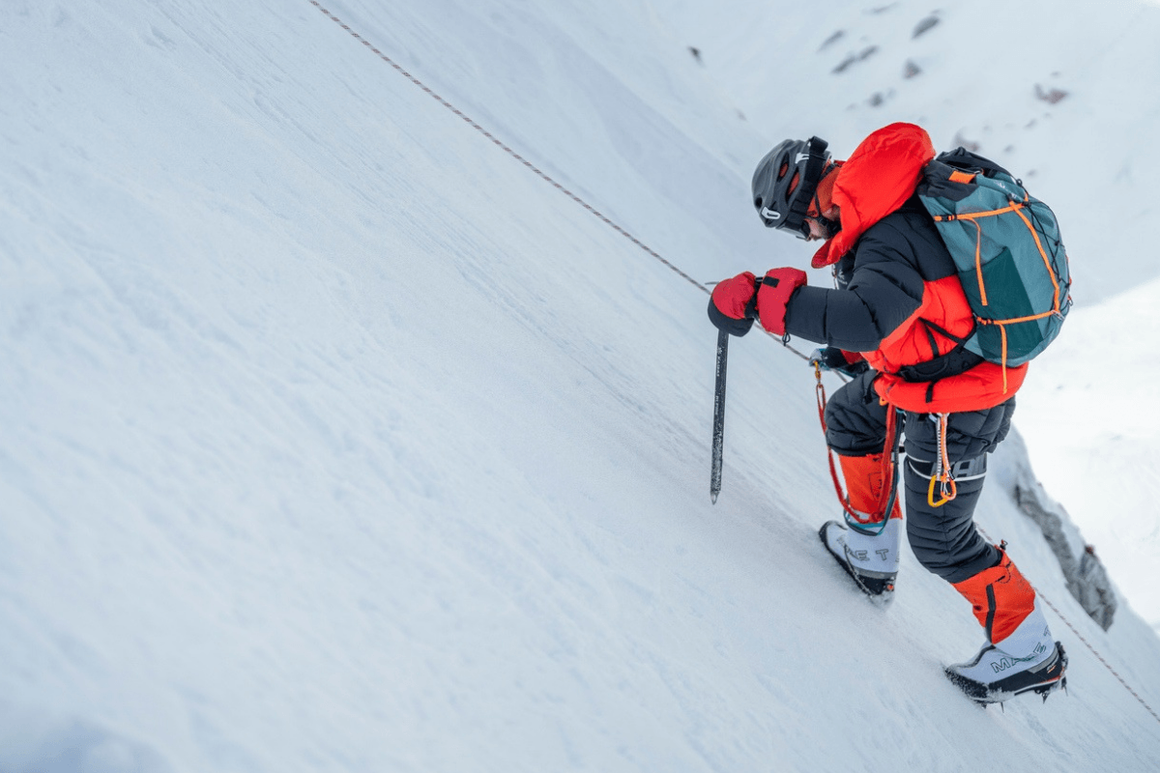
Tackling the true north face is a completely different tier of mountaineering. Direct ascents and descents on the north face are extremely high-risk because there are no commercial rope lines, no easy rescue options, and the winds are brutal.
Three gullies, known as couloirs, split the northern face:
- The Great Couloir. Also called the Norton Couloir, after British climber Edward Norton. He crossed the face in 1924. It gets within roughly 150m of the top.
- The Hornbein Couloir. A narrow, steep gully that finishes just below the summit. Reinhold Messner, a legendary mountaineer called it ‘perhaps the most beautiful route on Everest’.
- The Japanese Couloir. The lower gully that leads into Hornbein. Together, they make up the Super Direct: the line at the centre of Everest: The Other Side.
The north face is in the shade for most of the day and holds more snow than the Nepal side, especially in autumn. That's why the greatest ski lines on Everest are here.
North face of Everest vs the south side in Nepal
The north face of Everest and the south side take you to the same summit, but you get there from different countries by different routes.
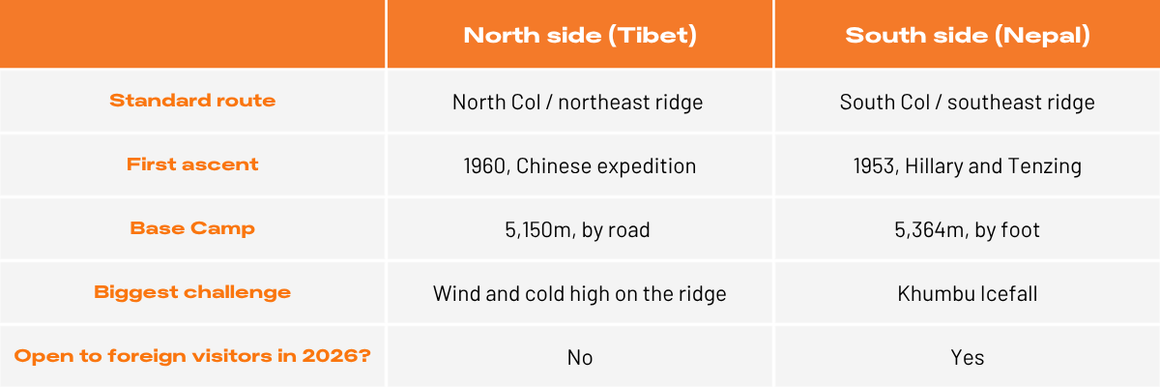
Here’s a quick look at how the north side compares to the south side:
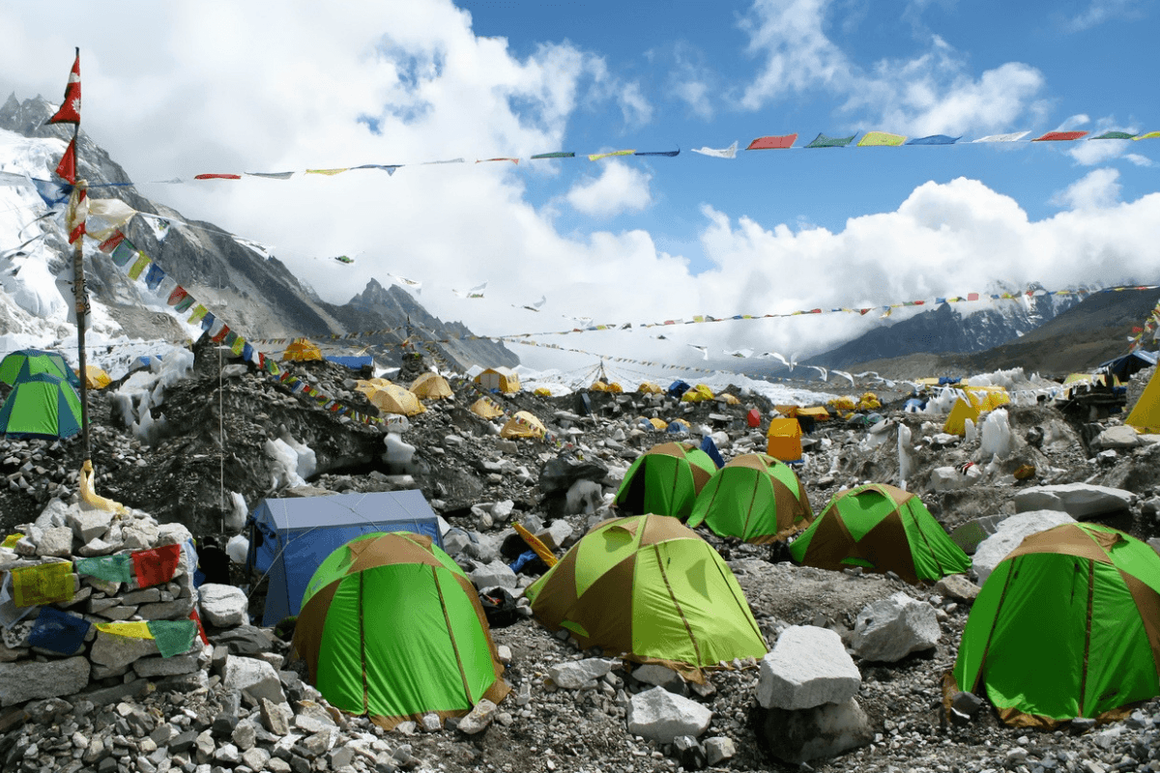
The south side (Nepal)
The standard route from Nepal climbs the Khumbu Icefall, crosses the Western Cwm, and follows the South Col and southeast ridge to the top.
This is the route Edmund Hillary and Tenzing Norgay took on the first successful Everest ascent in 1953. Base Camp sits at 5,364m and you can only get there on foot.
Recommended reading: Is the Tenzing film a true story? What the film gets right.
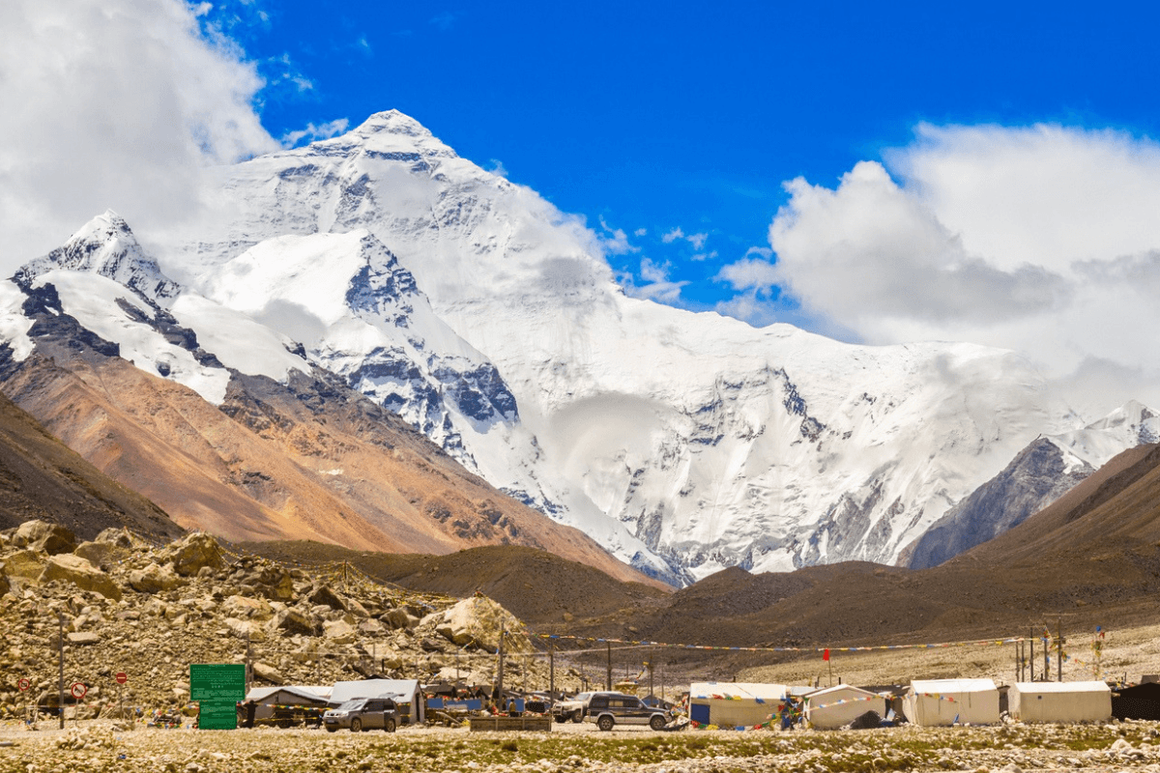
The north side (Tibet)
The standard route from Tibet climbs to the North Col and then follows the northeast ridge. It avoids the Icefall, but it's a cold, exposed route.
A Chinese expedition made the first recognised ascent from this side on the 25th May in 1960. You can get to North Base Camp, at around 5,150m, by road.
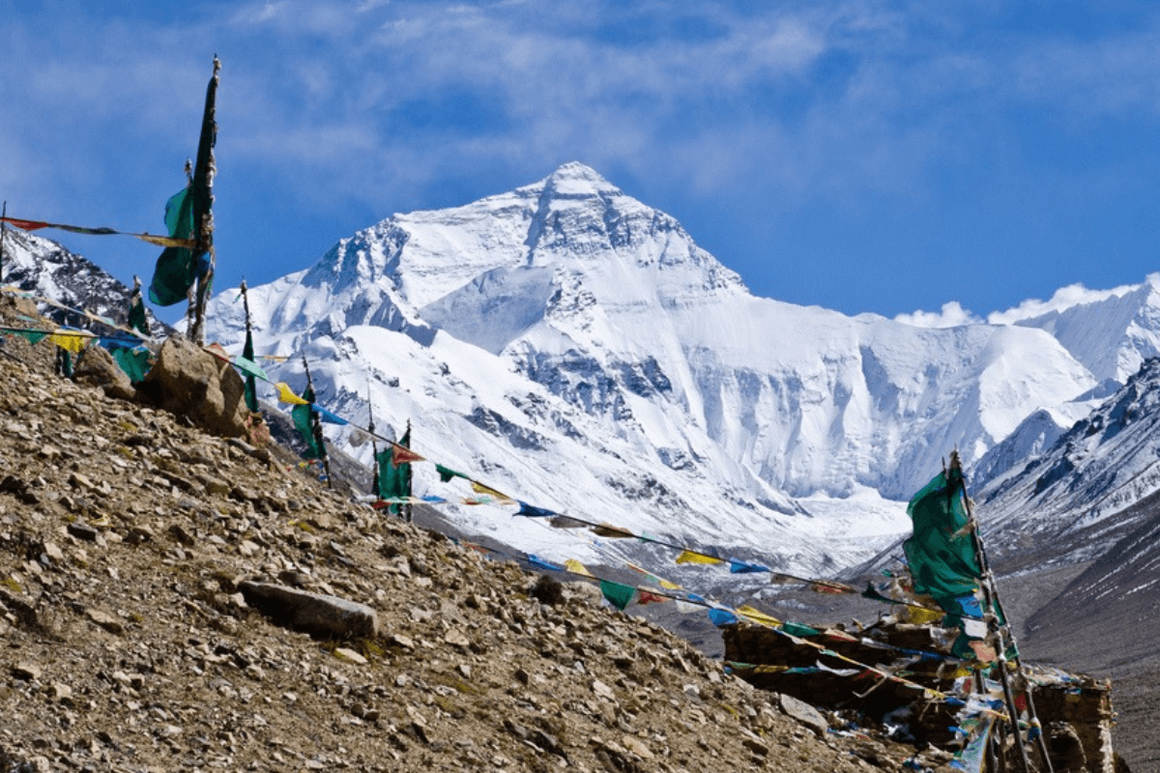
The north face (Tibet)
The north face routes don't follow a ridge. They go straight up the middle of the wall.
Climbers start from the glaciers and climb steep gullies (the Great Couloir or the Japanese and Hornbein couloirs) with slopes of around 50 degrees near the top.
There are no crowds and no commercial rope lines, so teams fix their own routes through avalanche-prone ground. Japanese climbers, Takashi Ozaki and Tsuneo Shigehiro, made the first full ascent of the face on the 10th May in 1980.
North side vs south side: ascents and death rate
By the end of 2025, according to Himalayan Database figures, there had been 13,737 summits of Everest. Of those, 9,887 came from Nepal and 3,850 from Tibet, so the Tibetan side, beneath Mount Everest's north face, accounts for about three in every 10 ascents.
The death rate on the two sides is almost identical, at around one death per 100 summits. But the death rate on the north side's non-standard routes (including the north face) is roughly double that of the northeast ridge.
How to climb or visit the north face of Mount Everest
You can’t climb the north face of Everest in 2026 because China closed the north side temporarily. You can visit on an organised tour, but you need a Tibet travel permit and extra permits for border areas.
Why authorities closed the north side and when it will reopen
China kept the north side closed to foreign climbers for the 2026 season, apparently because of a controversial fireworks display near Shigatse. Other Tibetan 8,000m peaks including Cho Oyu and Shisha Pangma also remain closed through autumn.
Operators expect the north side to reopen to foreign teams in spring 2027, but it hasn’t been confirmed. It isn’t the first time the north side shut down: it happened in 2008, and closed again to foreigners from 2020-2023 to prevent the spread of coronavirus.
How to see the north face of Everest as a tourist
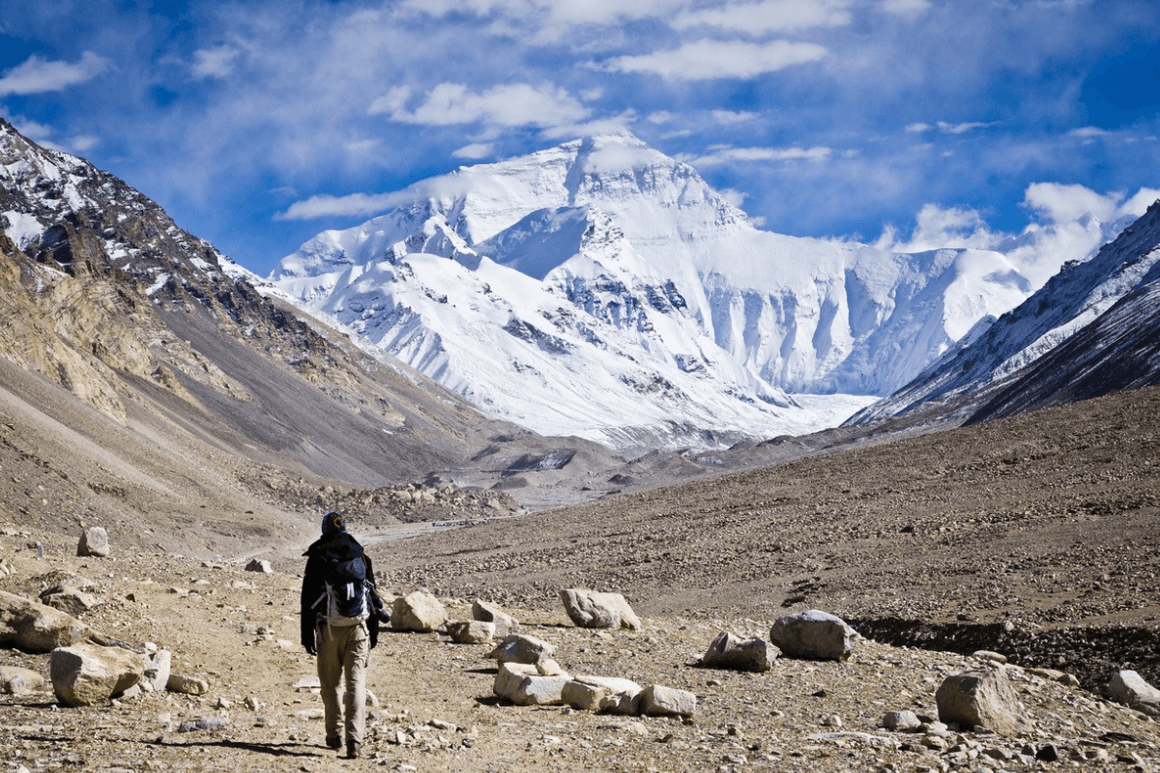
Tibet is open to foreign visitors in 2026, but you have to be part of an organised tour group, have a Tibet travel permit, and have the extra permits needed for border areas.
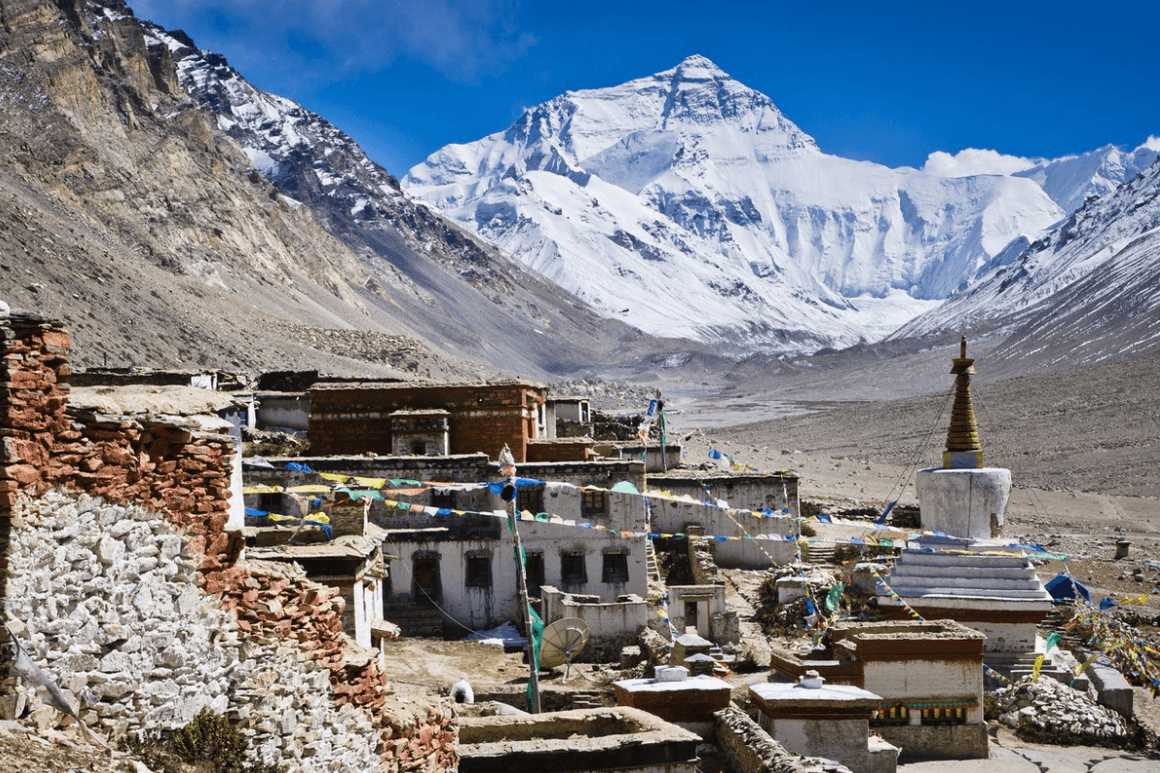
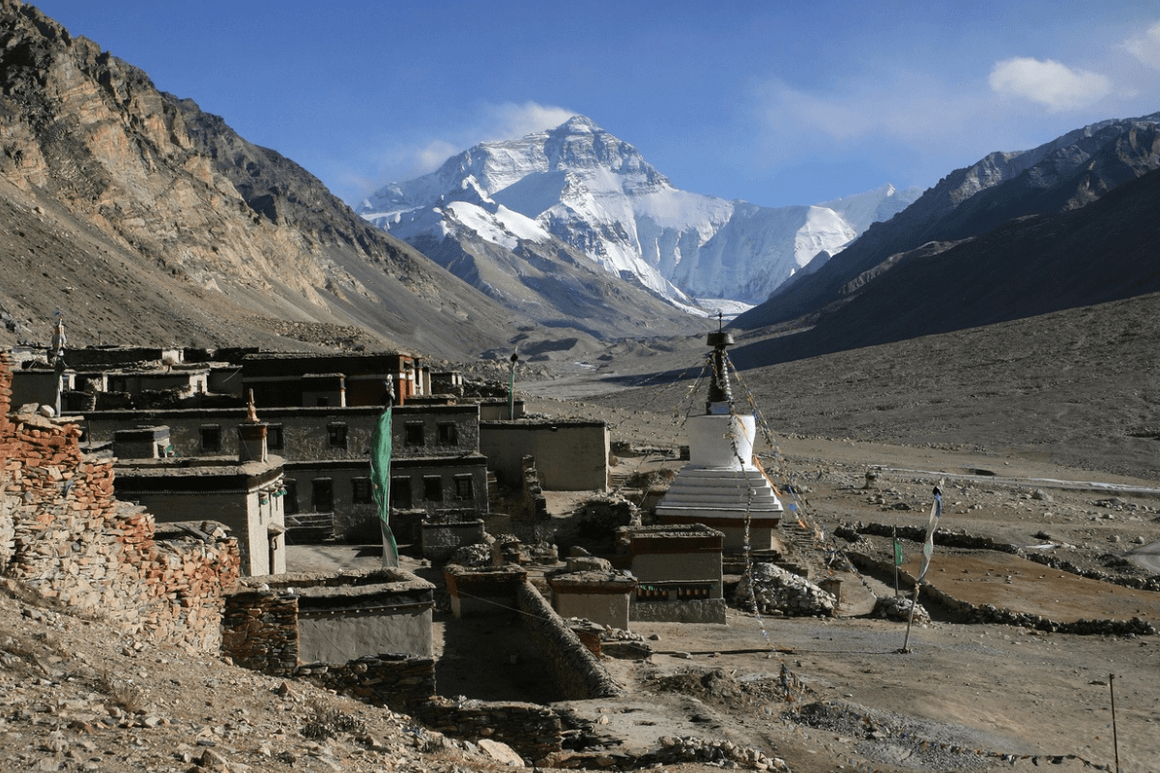
Tours can go as far as Rongbuk Monastery, which is about 5,000m high. From here, you can look straight up at the Everest north face.
You can’t go any higher though. Due to government restrictions to protect the environment, visitors aren’t allowed to access the climbers’ Base Camp. That means treks to Everest's Advanced Base Camp, at around 6,400m aren't currently possible.
Access information correct at the time of writing, November 2026.
What is Everest: The Other Side about?
Everest: The Other Side is a feature documentary. It follows Jim Morrison and Hilaree Nelson, two elite ski mountaineers who fell in love, setting out to climb and ski the direct Everest north face.
National Geographic Documentary Films and Walt Disney Studios made the documentary, and Oscar-winning filmmakers Elizabeth Chai Vasarhelyi and Jimmy Chin directed it.
The story unfolds over several years, charting the moment when Morrison and Nelson hatch their plan: to climb to the top of Everest’s north face, and after reaching the summit, become the first people ever to ski down it.
Partway through filming though, the course changes. A devastating loss occurs when an avalanche kills Nelson on Manaslu in Nepal, transforming the film into one about grief and the cost of chasing dreams this big.
Filming halted after the tragedy and there were discussions about whether Morrison would continue. They decided Chin would step in as Morrison’s climbing partner.
The project became a driving force for Morrison who called Chin to say ‘I’m going to go back into the mountains. I’m going to go on another expedition and push myself to complete this goal for us and for her legacy and her story’.
Filming and reception of The Other Side
What’s remarkable about the filming of Everest: The Other Side is that the cameras go onto the northern face itself, rather than watching from base camp. Chin calls it the most logistically and technically complex film he has ever made.
Sherpas play a central part in the documentary. The summit team included Pur Bahadur ‘Yukta’ Gurung, alongside climbers hand-picked from the Sherpa village of Phortse, Khumbu.
Critics have given mixed reviews. They agree on the fact that the footage is spectacular, but some, like the Boston Globe, have questioned the risks the film asks us to admire.
Where can you watch Everest: The Other Side? The documentary premiered at the Venice Film Festival on the 3rd of September 2026, and went to cinemas and IMAX on the 30th of October. Disney hasn’t confirmed a Disney+ release date yet.
Interested in other Everest documentaries? Finding Michael follows Spencer Matthews' search for his lost brother on the mountain.
The history of north face Everest climbs
Everest: The Other Side puts the number of people who’ve climbed the direct north face before Morrison's team at just five. On the 15th of October 2025, Jim Morrison became the first person to ski down it.
There’s been more than 3,800 summits from the Tibetan side, but nearly all of them followed the North Col and northeast ridge. Across the whole mountain, only 187 summits have gone via a route other than the two standard ridges.
Here’s a brief history of Everest climbing records on the north face:
- Early attempts (1921-24). The first British expeditions approached Everest from the north. In June 1924, George Mallory and Sandy Irvine vanished high on the mountain, and there was no way to know whether they reached the summit. While filming, Jimmy Chin's team found a boot on the Rongbuk Glacier, believed to belong to Irvine.
- The Hornbein Couloir (1963). Tom Hornbein and Willi Unsoeld climbed Everest's West Ridge, then crossed onto the north face and finished up the gully that now bears Hornbein's name.
- The Super Direct (1980): Japanese climbers Takashi Ozaki and Tsuneo Shigehiro made the first full ascent of the north face of Mount Everest, climbing the Japanese and Hornbein couloirs from the Rongbuk Glacier.
- Messner’s solo climb (1980): A few months after Ozaki and Shigehiro’s climb, Reinhold Messner reached the summit alone, without bottled oxygen, crossing the face to climb the Great Couloir. It was the first solo ascent of Everest.
- Direct line ‘White Limbo’ (1984): Australians Tim Macartney-Snape and Greg Mortimer climbed a direct line through the Great Couloir without supplementary oxygen. They called it ‘White Limbo’.
- Fastest climbs (1986): Swiss climbers Erhard Loretan and Jean Troillet climbed the Super Direct in around 40 hours, without oxygen, ropes, or tents. Many climbers still see it as one of the greatest Himalayan ascents ever made.
Morrison's team was only the sixth expedition ever up the Hornbein Couloir, and the first to succeed in more than 30 years.
The best way to see Mount Everest from Nepal
Unless you’re a seriously skilled climber, your best bet for seeing Everest is trekking to Everest Base Camp on the Nepal side.
You get to see its southern and western sides, rather than the north face. But this is the side of the Khumbu Glacier, and it takes you along Hillary and Tenzing’s historic route. Because Tibet is still closed to climbers, it’s also the only way to get close to the mountain on foot.
For our 15-day Everest Base Camp trek, you don’t need any climbing experience, just good fitness and determination. We fly into Lukla, then follow the Khumbu Valley up to Namche Bazaar and Tengboche, with built in acclimatisation days to prevent altitude sickness.
Then, we travel along the Khumbu Glacier to reach Everest Base Camp at 5,364m.You get the very best Everest views at the end when we climb Kala Patthar at dawn.
Recommended reading: Complete travel guide for Everest.
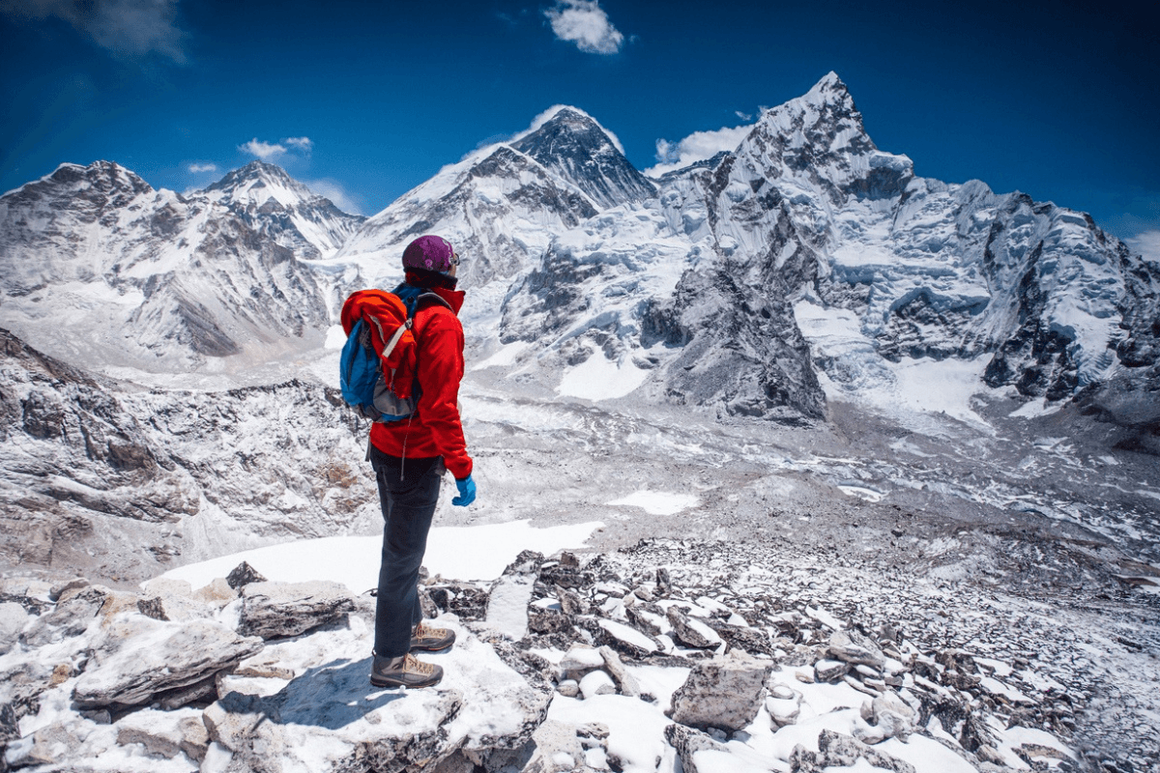
Inspired to take your own adventure? Experience Mount Everest with Kandoo
Fortunately, you don’t need to ski a couloir to behold the world’s highest mountain. Our Everest Base Camp trek takes you safely to the foot of Everest and up Kala Patthar for one of the most amazing mountain views on Earth.
Not sure Everest Base Camp is for you? Browse all our Nepal trekking adventures to find one that suits your goals and experience. Or if you’re not sure, get in touch with our friendly team today.