
Find out what an Advanced Base Camp is, including how it differs from EBC
An Advanced Base Camp is the highest point on a mountain you can reach without technical climbing experience. Mount Everest has one, as does K2, Annapurna I, Cho Oyo, Manaslu and Makalu.
In fact, many 8,000m+ peaks have high strategic camps used for summit logistics and acclimatisation, although these aren’t all called Advanced Base Camps.
But how do you need to do an Advanced Base Camp, and how does it differ from Everest Base Camp?
We take a closer look at what Advanced Base Camps are, why they’re important, and where to find them (as well as accessible alternatives).
What is Advanced Base Camp?
Advanced Base Camp (ABC) is a high-altitude staging point used by mountaineers during expeditions. ABCs are often considered the highest point of a mountain that can be reached without technical climbing skills or specialised equipment.
Everest Base Camp vs Advanced Base Camp: What's the difference?
Everest Base Camp is often accessible by trekking routes and provides a relatively comfortable environment for extended stays. The Everest Advanced Base Camp is located closer to the mountain and at a significantly higher elevation.
Why is an Everest Advanced Base Camp important?
Everest Advanced Base Camp treks provide an intermediate hub for mountaineers to prepare for higher-altitude camps before their summit attempts.
Key benefits include:
- High-altitude acclimatisation. Climbers can adjust to thinner air before ascending to more extreme elevations.
- Supply management. Food, oxygen, climbing gear, and emergency equipment can be stored closer to higher camps.
- Summit preparation. Climbers can monitor weather and climate conditions, review strategies, and conduct equipment checks safely.
- Reduced travel time. Having resources higher up the mountain minimises the distance and effort required during summit pushes.
Where is Everest Advanced Base Camp Located?
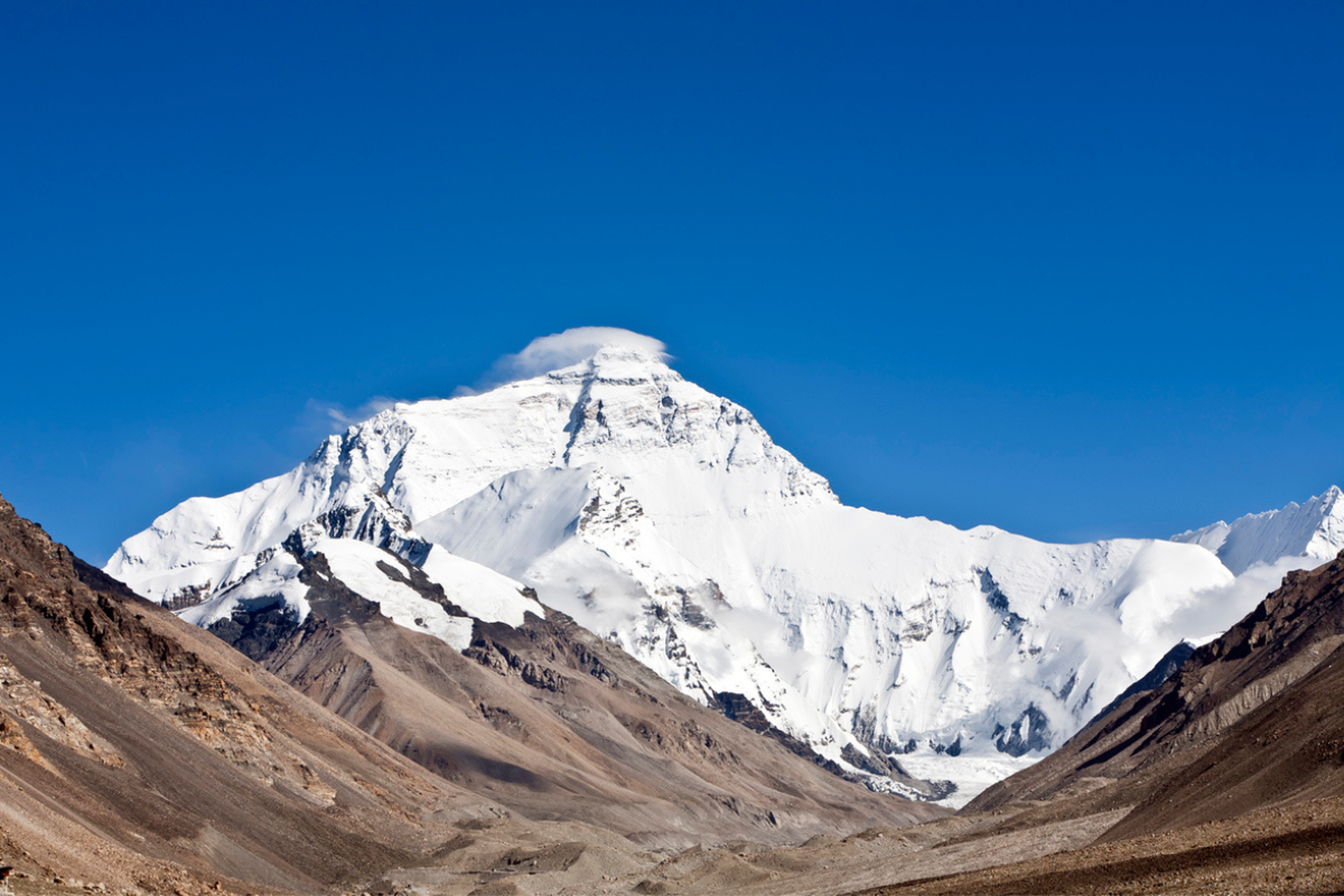
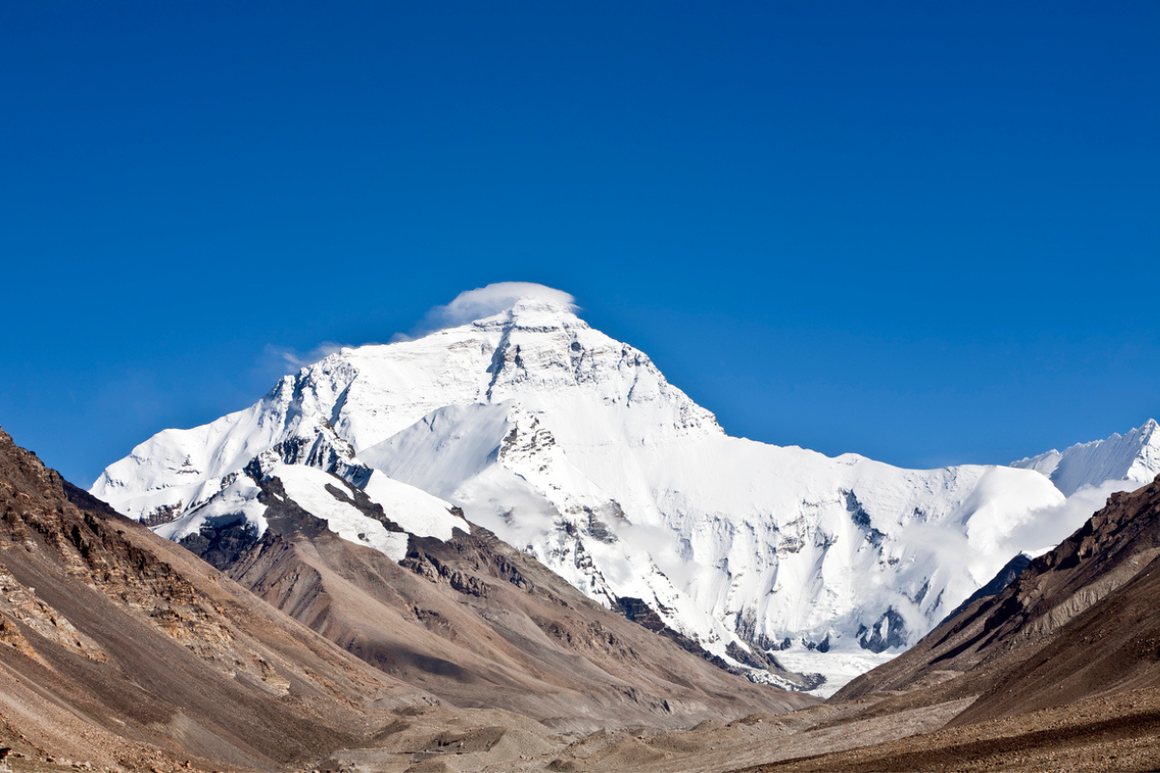
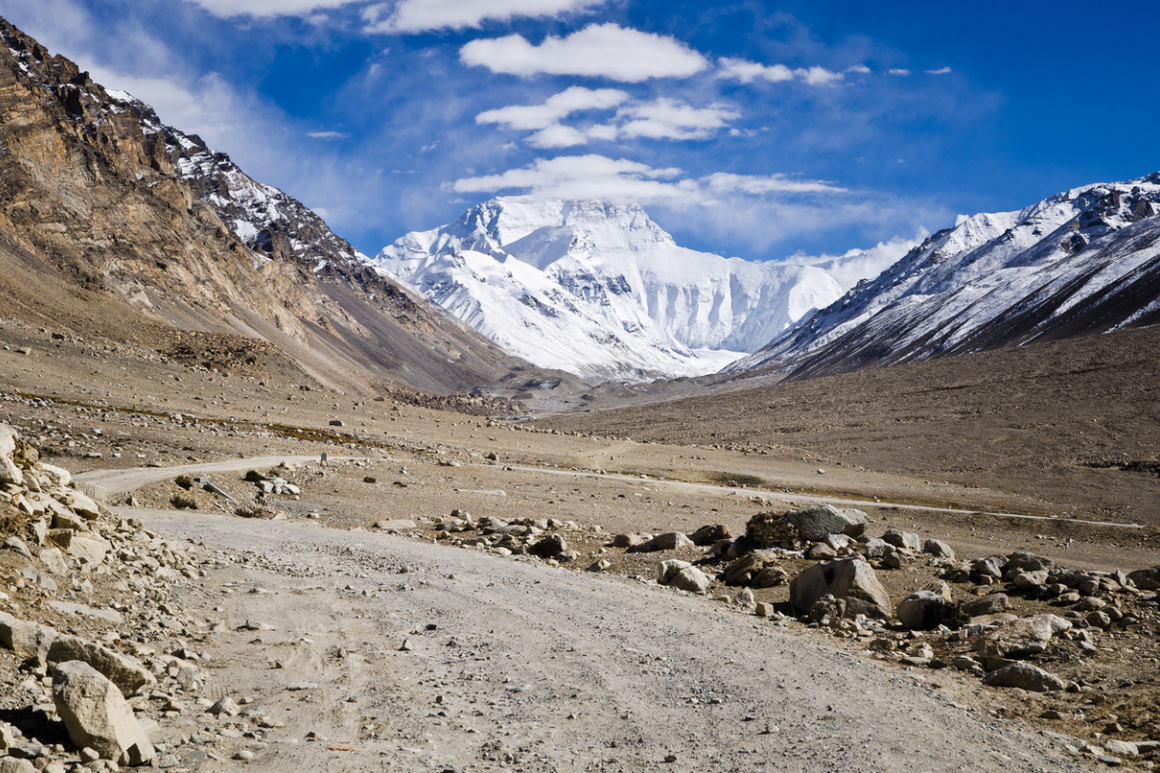
The world's most famous Advanced Base Camp is located on the northern slopes of Mount Everest. At approximately 6,400m, Everest's Advanced Base Camp is around 1,250m above North Base Camp in Tibet.
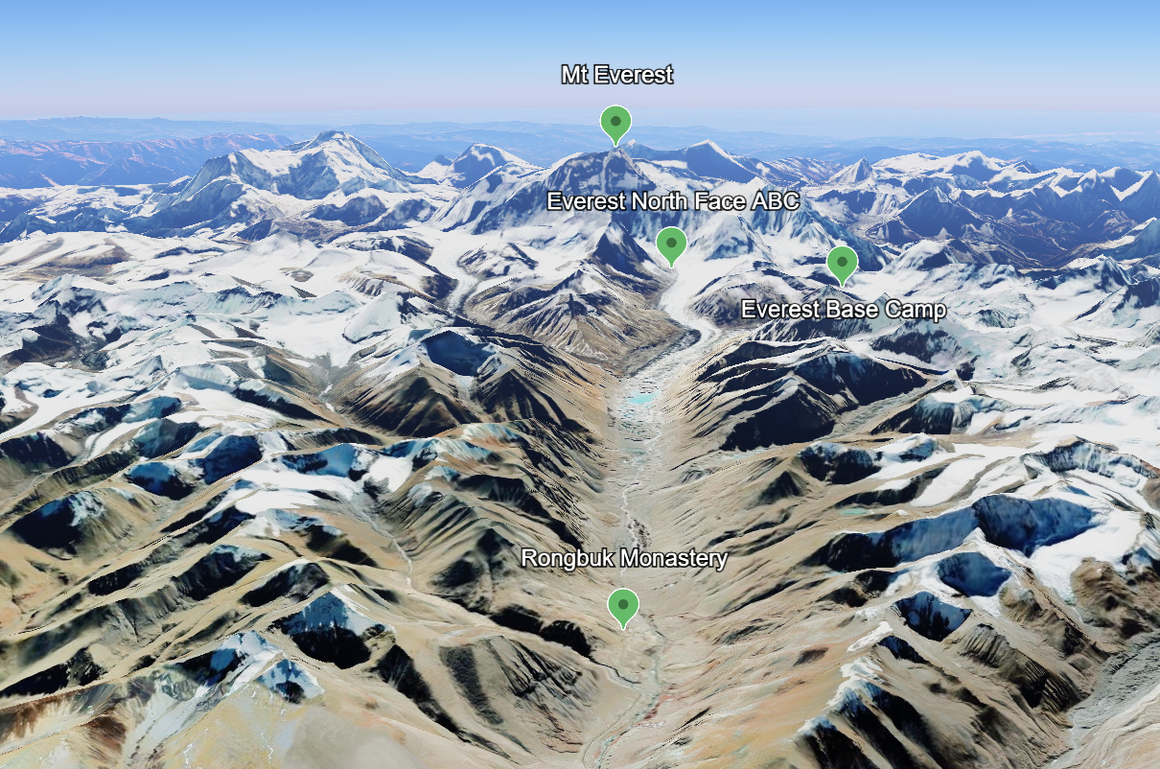
Reached via Rongbuk Monastery (4,980m), the world's highest, the camp sits beside the East Rongbuk Glacier on the Tibetan Plateau.
The trek from Rongbuk Base Camp to Advanced Base Camp covers roughly 22km/13 miles and typically takes 3–5 days, allowing trekkers time to acclimatise to the increasing altitude.
Find out more: Read our complete travel guide for Everest.
Travel logistics for ABC
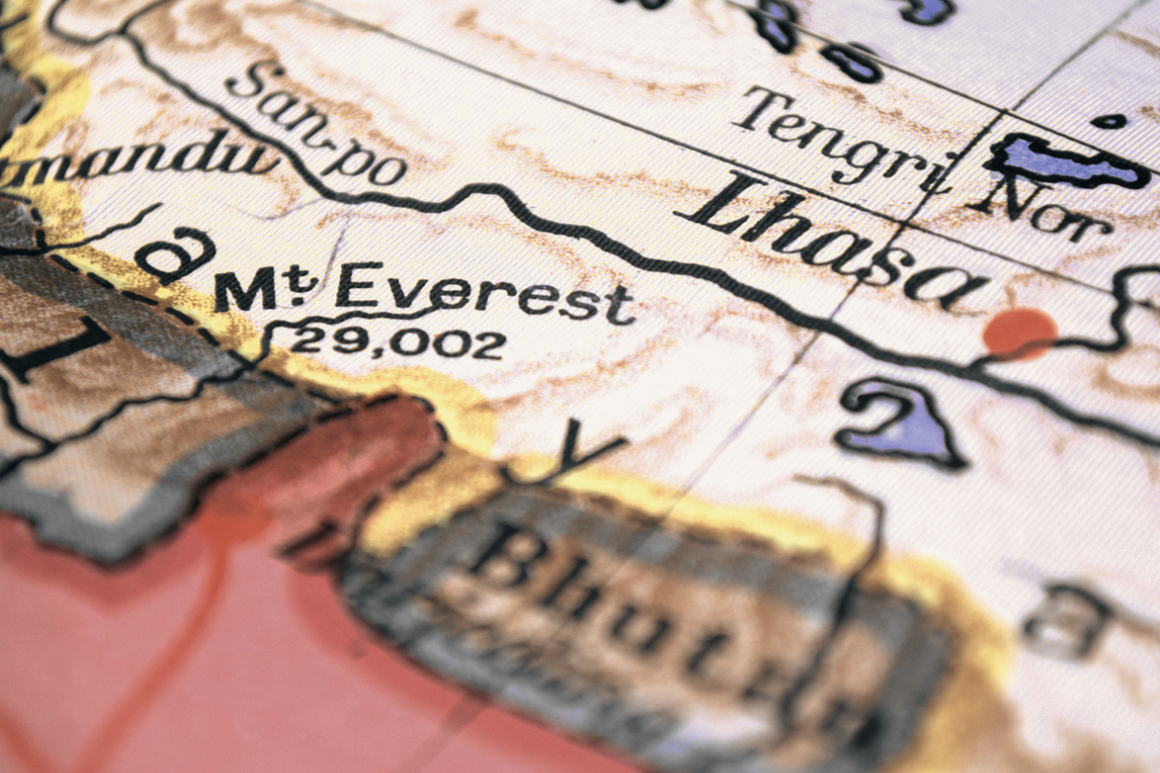
To reach Everest ABC, fly to Lhasa in Tibet and join an expedition with a tour operator registered with the Tibet Mountaineering Association.
You also need:
- A Chinese visa – organised by you.
- A Tibet Travel Permit (TTP) – organised through a Tibetan travel company.
- An Alien’s Travel Permit (ATP) – organised by a guide or agency.
- Tibet trekking permit – required for treks above 6,000m.
A tour operator handles permits 2–4 on your behalf, making the logistics significantly more straightforward.
Did you know? To climb higher than Everest ABC, you need a whole heap of mountaineering expedition permits in addition to the above. The changeable regulations make the process more complicated to navigate than climbing from Nepal. This is why most Everest expeditions depart from the southern side of Everest!
What are the conditions at Advanced Base Camps?
Conditions at Advanced Base Camps can be challenging. Temperatures are often below freezing, weather can change rapidly, and oxygen levels are significantly lower than at sea level.
Climbers may spend days or even weeks at ABC enduring these conditions preparing for the demanding stages of the climb ahead.
Reaching Advanced Base Camp is a major milestone for many trekkers, whether they’re planning to summit Everest or not. For many mountaineers, this expedition signals the transition from trekking to the technical and physically demanding task of high-altitude climbing.
Advanced Base Camp on other mountains
While Everest is home to the most well-known ABC, similar camps play a vital role on numerous major mountains including K2, Shishapangma, and Lenin Peak.
Let’s take a look at these ABCs in more detail.
Let’s take a look at these ABCs in more detail.
K2 Advanced Base Camp
K2 ABC sits at around 5,400m on the Godwin-Austen Glacier. Unlike most ABCs, it has no fixed location and shifts between expeditions and seasons.
Expect a smaller, quieter camp than Everest ABC, reflecting K2's reputation as the world's second highest and most dangerous mountain, where fewer climbers attempt the summit.
Shishapangma Advanced Base Camp
At 5,600m and roughly 12km from Base Camp, Shishapangma ABC is one of the better-equipped and more comfortable Advanced Base Camps on an 8,000m peak.
Yaks carry much of the equipment here, making it a popular choice for mountaineers tackling their first 8,000m expedition on the smallest of the eight-thousand metre peaks (and the only one located entirely within China).
Read more about the eight-thousand metre peaks: What are the 14 highest mountains in the world?
Lenin Peak Advanced Base Camp
Lenin Peak ABC sits at around 4,300m in the Pamir Mountains of Kyrgyzstan, making it one of the most accessible Advanced Base Camps on any major peak.
Also known as Camp 1, it doubles as a trekking destination in its own right, with sweeping panoramic views and a well-established infrastructure. For this reason, Lenin Peak is considered one of the most approachable 7,000m summits in the world.
What gear do you need for Advanced Base Camp?
Preparing for an Advanced Base Camp trek requires specific high-altitude clothing, camping equipment, and personal safety essentials. While most ABC routes don’t involve technical climbing, the extreme altitude, cold temperatures, and remote conditions demand expedition-grade gear.
Clothing for ABC treks
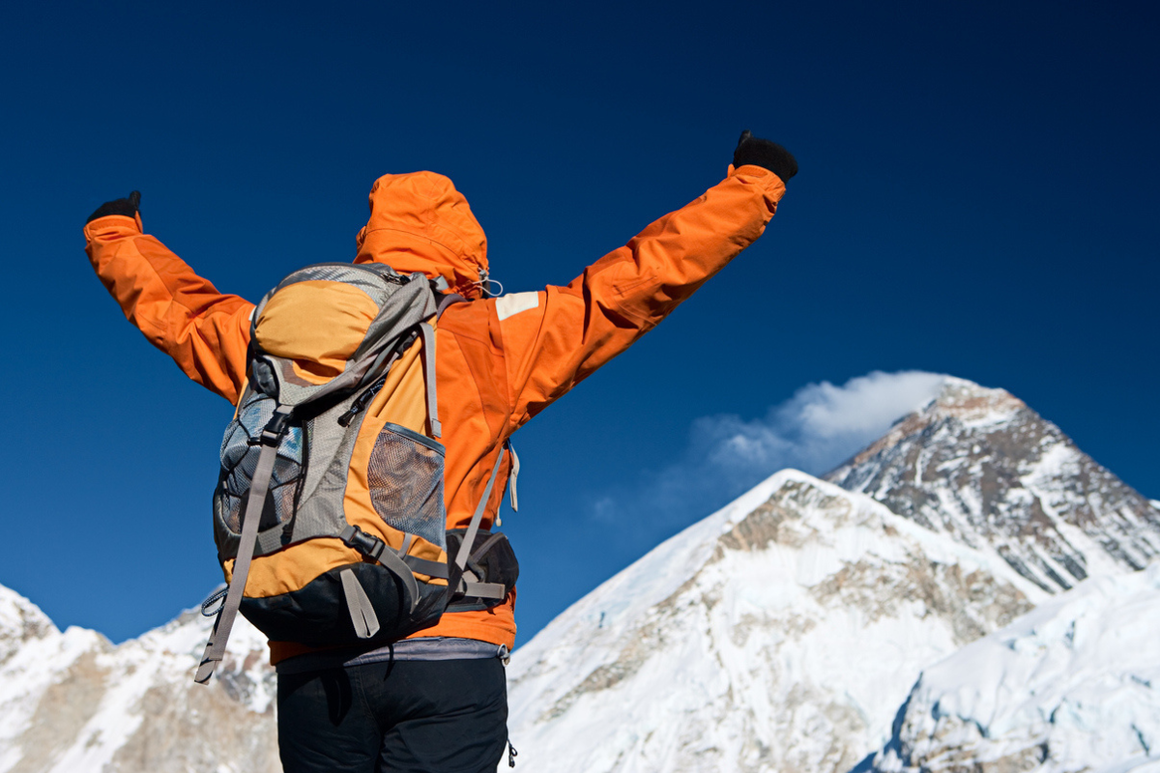
A layering system is essential for trekking at high altitudes and changeable mountain conditions. You’ll need the following clothing items:
- Multiple thermal base layers
- Mid-layers such as fleece or lightweight insulated jackets
- Waterproof and windproof hardshell jacket and trousers
- Heavy duty down jacket
- Warm trekking trousers
- Insulated, waterproof gloves and glove liners
- Warm hat, buff, or balaclava
- High UV sunglasses
- High-altitude trekking boots
- Warm hiking socks
- Gaiters
- Insulated footwear for camp
Equipment for ABC treks
Expedition companies will usually provide communal equipment such as sleeping and mess tents, cooking equipment, supplies and communication equipment. Climbers usually need the following:
- Expedition-rated sleeping bag rated to -30°C/-22°F and sleeping bag liner
- Insulated sleeping mat with a high thermal resistance
- Expedition backpack, daypack, and waterproof dry bags
- Trekking poles
- Headlamp and batteries
- Personal first aid kit
- Personal navigation tools
- Toiletries and medications
- Sunscreen and lip balm
- Snacks
- Wet wipes and hand sanitiser
Advanced Base Camp trekking doesn't require technical climbing gear, but it does require serious cold-weather and high-altitude preparation.
With layered insulation, reliable sleep systems and protection from UV exposure and rapidly changing mountain weather conditions, successful ABC treks rely on very specific gear.
Is Advanced Base Camp right for you?
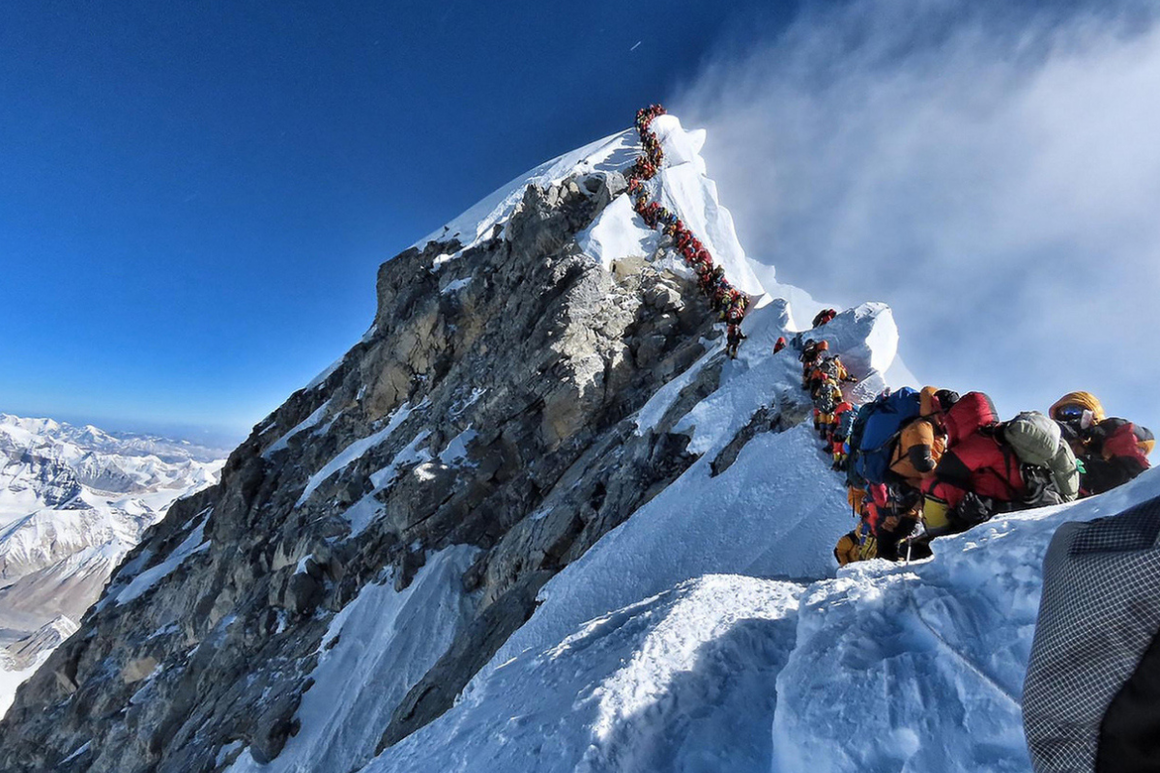
Advanced Base Camp is best suited to trekkers seeking a high-altitude adventure beyond a more traditional Everest Base Camp trek.
Consider an Advanced Base Camp trek if:
- You have already completed a Nepal trekking route to Everest Base Camp.
- You have previous high-altitude trekking experience.
- You’re comfortable hiking for multiple consecutive days.
- You want a more immersive mountaineering experience.
- You’re interested in seeing expedition life up close.
- You’re prepared for basic camping conditions and unpredictable weather.
- You want to experience Tibetan culture.
- You don’t mind navigating complicated visa and permit applications.
An Advanced Base Camp trek may not be suitable if:
- You have little or no experience at altitude.
- You don’t like camping.
- You’re uncomfortable with remote environments.
- You have health conditions that may be affected by high elevations.
- You’re looking for a shorter or less demanding trekking experience.
For many adventurers, reaching Advanced Base Camp offers a unique opportunity to experience the atmosphere of a major mountaineering expedition without attempting a technical summit. This makes it an appealing challenge for experienced trekkers and aspiring climbers alike.
Trekking to Everest Base Camp with Kandoo
Trekking to Everest Base Camp is a bucket list adventure and one you won’t forget in a hurry. The journey from Lukla through the incredible Khumbu Valley to the summit of Kala Patar overlooking Everest Base Camp is a truly iconic experience.
Whether you choose the classic route or opt for something more challenging like climbing to Everest Base Camp and Island Peak, our expert team of Nepal specialists will safely guide you every step of the way.
For unforgettable adventures that combine awesome experiences with local, knowledgeable guides, look no further than Kandoo.