

Find out how hard Alex Honnold's Taipei 101 climb really was
Scaling one of the tallest buildings in the world is an unimaginable feat. Climbing Taipei 101 without ropes or safety gear makes this THE most extreme urban climb in history. Streaming it live on Netflix, despite a brief delay, pushes the boundaries beyond what we thought possible.
Yet Free Solo climber Alex Honnold did it. His bare hands, raw strength and composed nature carried him to the top of this 101-floor skyscraper in Taiwan in exactly 91 minutes and 34 seconds.
We take a closer look at this jaw-dropping climb to see how difficult this incredible feat actually was, because Alex Honnold made it look far too easy.
Is climbing Taipei 101 actually difficult?
Is climbing a building that’s 1,667ft or 508m tall difficult? Um, yes!
Not only does this challenge require immense physical strength and endurance, the mental fortitude needed to block out the dizzying height and mounting pressure is what made this free solo climb so unbelievably hard.
Let’s talk about the factors that made Alex Honnold climbing Taipei 101 such an iconic achievement. The difficulty of this climb was affected by:
- The unique structure of the building
- The weather and wind conditions
- The repetitive motion required
- The surrounding environment
The unique structure of Taipei 101
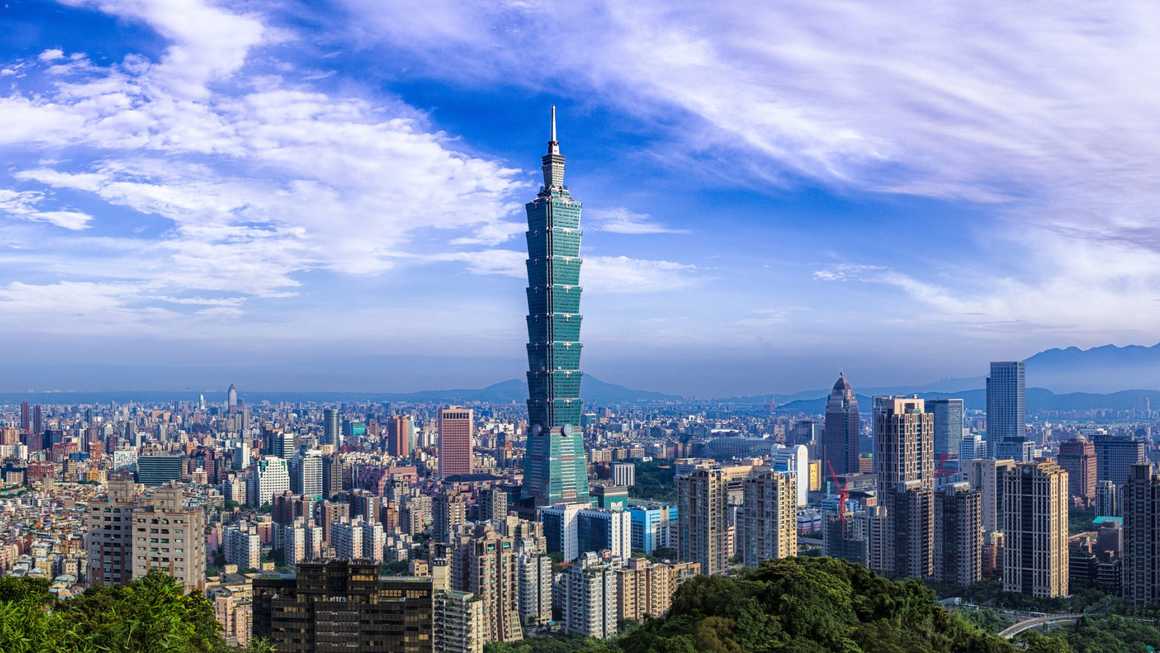
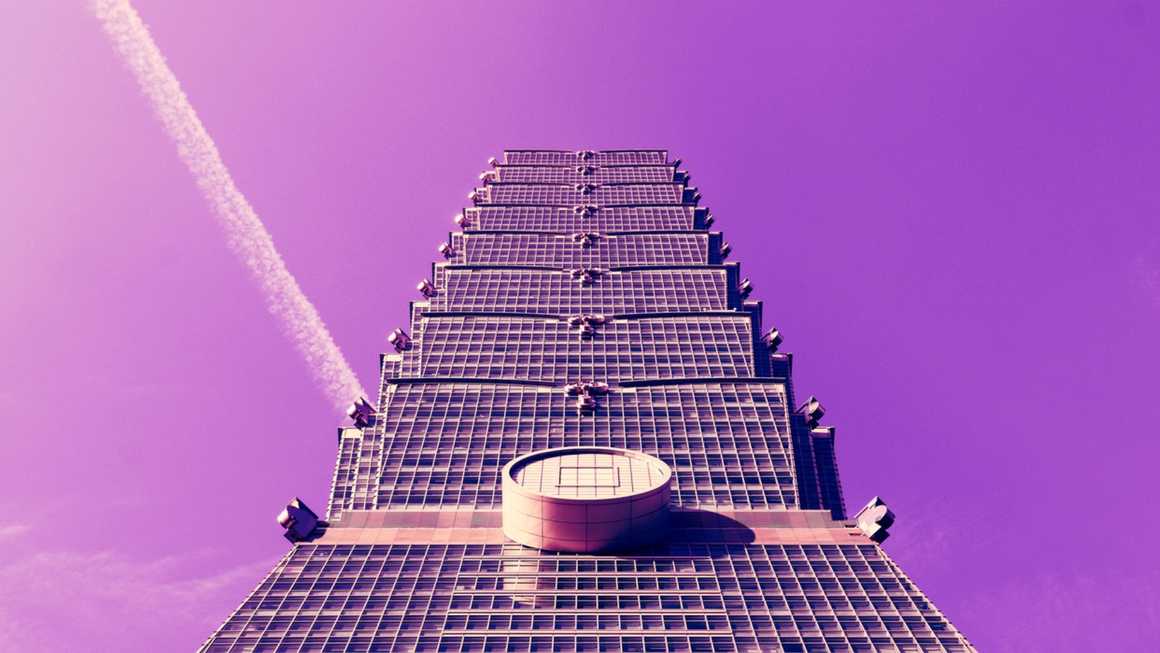
Taipei 101 resembles a length of bamboo and is tiered in structure. With a square footprint split into 8 vertical sections, each tapers outward towards the top with increasingly smaller footprints the higher it reaches.
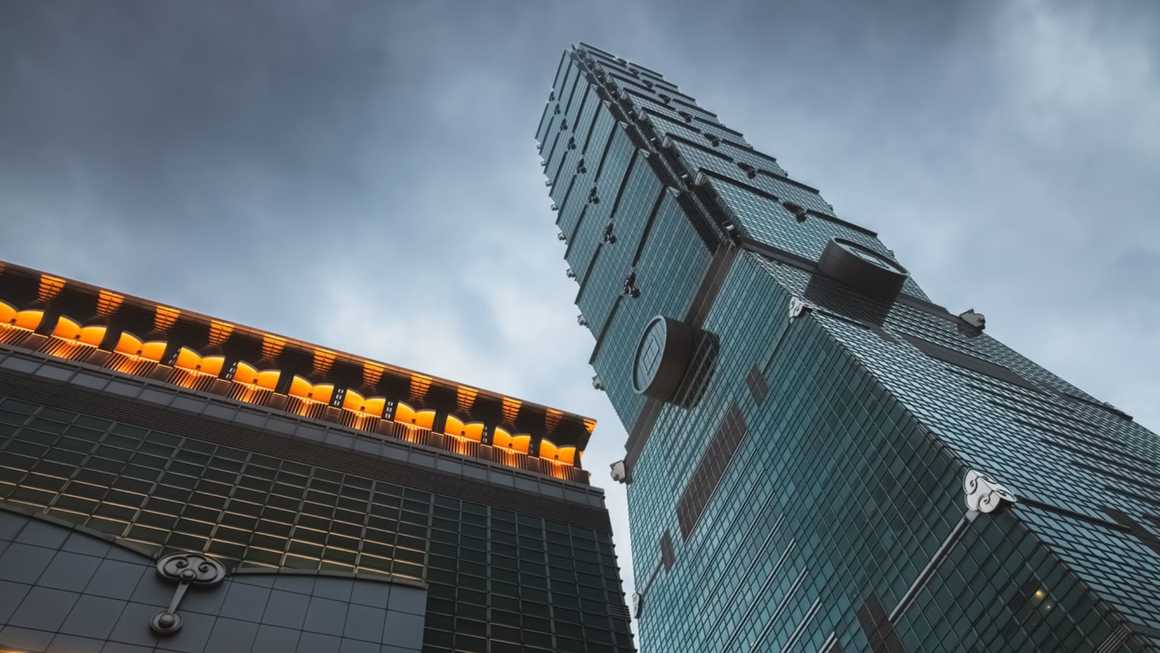
In addition to the pitch of the building, there are pagodas on the corners of each section. These ornate protrusions, referred to in the documentary as dragons, provide balance and aesthetic appeal.
They also created overhanging structures Honnold needed to surmount to climb the building.
The boxes
Alex Honnold chose to climb the corner of Taipei 101. Here, he could gain better purchase on the sleek structure at the junction of two sides. The wind here was less of a threat in the angled gulley, but the overhanging dragons presented an extra challenge.
Although climbing the tiered boxes may look like the easiest part of the route, each tapered outwards toward the top. This meant Alex was climbing at an angled pitch towards the top of each boxed section.
During his climb, Honnold repeatedly had to stop to rub dirt, grease and residue off his hands and shoes. The added issue of gripping a structure covered in deposits of debris from the air inevitably contributed to the difficulty of this climb.
The rings
Above the tapered boxes of the bamboo-inspired building, sit a set of progressively larger circular rings. Essential to the aerodynamic construction of Taipei 101, these rings have large gaps between them that are illuminated at night, creating a halo around the tower.
Here we saw Honnold looking less comfortable as he awkwardly wrestled his arms around the smooth, curved surfaces, looking for purchase as he reached from one to another.
The spire
After climbing concentric overhanging rings and resting while gripping with only his legs, you’d think that the hardest terrain would be behind him. But no. He still needed to conquer the spire.
A tall, thin section, the spire sits atop Taipei 101, reaching to the sky. Although it features a ladder, this section visibly sways in the wind. This threw Alex around as he climbed, and although it only took five minutes to ascend, it was one of the hardest sections he faced.
Fun facts about Taipei 101
- When it was originally built in 2004, Taipei 101 was the tallest building in the world. It was overshadowed by the Burj Khalifa in 2010, yet remains one of the most iconic skyscrapers in the world.
- Honnold has worked as a stunt consultant for film production companies in the past, and although he has experience with urban climbs, this was his first free solo skyscraper challenge.
The weather on Taipei 101
Originally scheduled for live broadcast on Friday 23rd January 2026, rain in Taipei delayed Alex Honnold’s climb of Taipei 101. Attempting a free solo climb of a wet skyscraper live was a step too far for everyone involved. Twenty-four hours later, climbing Taipei 101 in dry conditions was a much more viable option, though no less nail-biting.
Built to withstand earthquakes, something which Taiwan is accustomed to, Taipei 101 is a feat of structural engineering. The shape of the exterior of the building can withstand typhoon-force winds, while inside it is one of the largest tuned mass dampers in the world. The weight of this domed structure on the 88th floor helps the building withstand high winds.
The unpredictability of the wind and the lower temperatures higher up the building contributed to the difficulty of Alex’s climb. Honnold’s t-shirt flapped increasingly in the wind as he paced himself, remarking that he was ‘bearing the brunt’ of it on the corner he was climbing.
The repetitive motion of climbing Taipei 101
Climbing natural surfaces requires irregular motion. The structure of rocky terrain is typically uneven, therefore the grip of the hands and feet is varied. Climbing a skyscraper is completely different.
The smooth surfaces require a repetitive motion that invariably increases fatigue of a specific set of muscles. Balancing on ledges and gripping vertical metal rails took its toll on his fingers, forearms and toes.
However, this is exactly what Honnold had trained for. His hours spent in the gym involved high repetitions of targeted exercise, taking his body to exhaustion and then beyond in preparation for this unique challenge.
Although we see Alex resting at intervals, he clearly feels the effects of the repetitive strain as he completes the boxed sections and progresses to the more arduous upper sections of Taipei 101.
“You know what, I’m kinda tired”, he comments during the live stream as he heads into the 80th minute of this free solo attempt. This, right before he begins to ‘campus’ – a term that refers to climbing without feet, using only his arms!
Circumstantial pressure
Alex Honnold wasn’t just climbing Taipei 101 whilst fighting the wind and mounting fatigue. He was doing it under the watchful eye of hundreds below, countless more inside, and millions streaming at home. This made it a truly high-stakes challenge.
But in the live footage, Alex Honnold doesn’t appear fazed. He chats amiably as he climbs, listening to music in one ear and the crowds with his other. The sight of people videoing him from within the building, his wife progressing internally, the drones and climbing videographers seem to spur him on, and he remains upbeat throughout.
Honnold is someone who doesn’t let fear take over. As we saw in Free Solo, his brain works differently from most. What many people might see as a death-defying stunt, he sees as fun, and he smiled at each pause during this truly epic feat.
So, is climbing Taipei 101 actually difficult?
Yes. The unique shape, structure and conditions of this iconic building, plus the media coverage of Alex Honnold’s climb, made this a hugely difficult challenge.
But you’d be forgiven for thinking it looks easy. Alex barely broke a sweat, but this climber is wired differently from others. He personifies the power of precision training and mental endurance like no other.
Did Alex Honnold use ropes on Taipei 101?
No. Alex Honnold did not use ropes, harnesses, belays, anchors, a helmet or a safety parachute. There was no crash mat or pad below him and no safety net to catch him if he fell.
Traditional rock climbing uses all of these and more.
- Fixed ropes and harnesses provide backup safety for climbers.
- Fixed bolts act as anchors, connected to quickdraws and cams that provide a level of safety absent with free solo climbing.
During Taipei 101, there was no support crew on the building with Alex, just videographers, and nothing in place to break his fall. The only safety precaution this live-streamed climb employed was a 10-second technical delay on the feed should the worst happen.
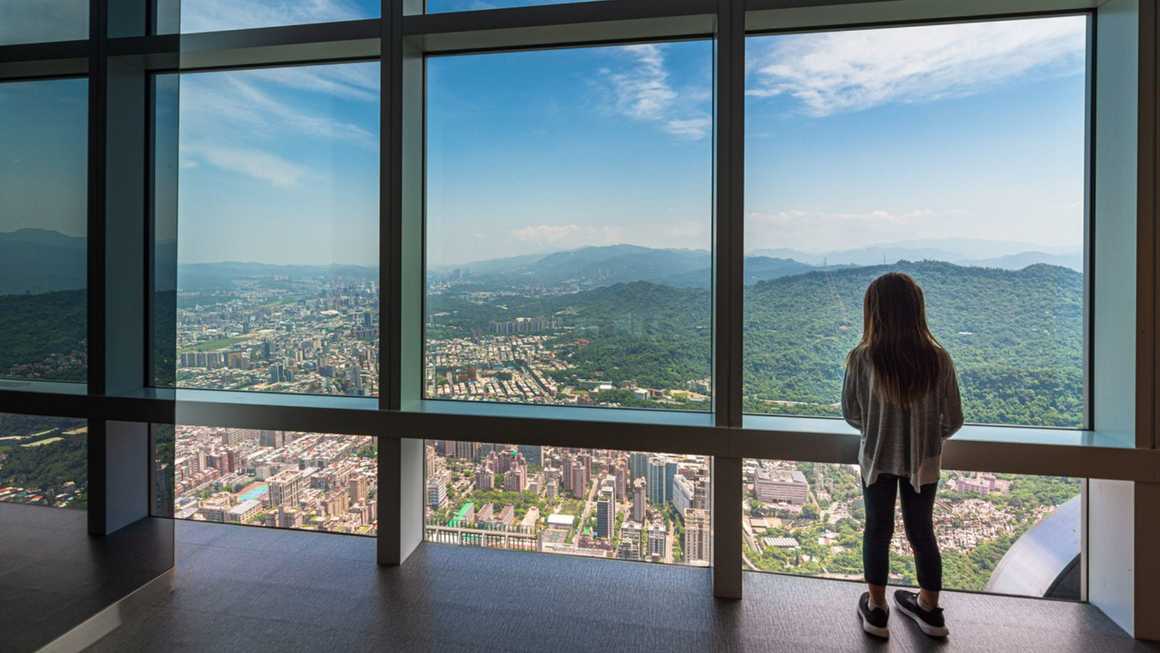
Why height does not equal difficulty in climbing Taipei 101
Difficulty in the field of climbing comes from a variety of factors, not just height.
- Terrain
- Technique
- Strength
- Environmental conditions
These all contribute to the difficulty of climbing, with height just one element affecting the intensity of a challenge.
An easier climb with severe exposure risk might be much more difficult in reality than a technically harder, but less exposed climb, for example. In climbing, height off the ground, terrain below and the consequences of a fall, especially when soloing or free solo climbing, make exposure-related pressure dangerous.
In terms of the Alex Honnold Taipei 101 climb, pinning down an actual difficulty rating is almost impossible. There is not just one rock climbing grading system – there are several internationally recognised scales. They can be largely subjective, frequently updated, and based on the experience of a climber.
Honnold himself said that the difficulty in climbing Taipei 101 was more psychological than physical, and that the movements required weren’t particularly technical, just repetitive.
At one point during the climb, we hear him laugh at someone inside the building with a sign that compares his incredible feat to being like ‘V2 in my gym'.
You can find out more in our related blog – Alex Honnold Taipei 101 climb explained.
Why this climb is not the same as Alex's past free soloing adventures
Free solo climbing is climbing without ropes, safety gear or pre-planning. Generally, free soloing relates to climbing natural, vertical rock surfaces without assistance, not urban structures.
Planning the climb
Whilst technically, this was a free solo climb in that no ropes and safety equipment were used, it was meticulously planned in advance. Honnold tested sections, inspected the surfaces of the building and plotted a route before his Taipei 101 attempt.
Terrain of Taipei 101
The structure he climbed was steel, glass and concrete. And although it was unequivocally difficult, the manufactured ledges provided footholds unlike any natural structure.
Type of climbing
In the purest sense, the Taipei 101 climb was an entirely different style of climbing from Alex Honnold’s El Capitan free solo record. It’s not so much the lack of safety gear that makes this a world apart from free solo climbing. The type of environment and precision planning of urban climbing is miles apart from the spontaneity of free solo rock climbing.
Find your next adventure with Kandoo
For Alex Honnold, climbing Taipei 101 was a dream come true. He’d wanted to free solo climb a skyscraper for over a decade and trained specifically for this very challenge.
Was it the biggest free solo feat of his climbing career? No. Alex Honnold claims this latest conquest was purely for fun.'
What does fun look like for you? If paddling through icebergs or trekking in remote mountains is more your bag, then look no further. Kandoo Adventures has plenty of adventures to choose from. With your feet firmly on the ground, or in a boat, we’re confident our epic trips will get your heart racing.