


El Capitan vs. Taipei 101: Le'ts break down the key differences
What does a vertical cliff in California have in common with a skyscraper in Taiwan? The answer is Alex Honnold – probably the best solo climber of all time. Famous for the only ever free solo climb of El Capitan, and now the fastest urban free solo climb, Honnold is truly unique in the world of climbing.
Few athletes have the mental stamina, not to mention the audacity, to achieve what he has and live to tell the tale afterwards. Although these two feats are worlds apart, Honnold approached each with his trademark precision, determination and stamina.
So why that isolated cliff, and why that iconic skyscraper? We take a closer look at the differences between the Alex Honnold El Capitan climb and his recent Taipei 101 success.
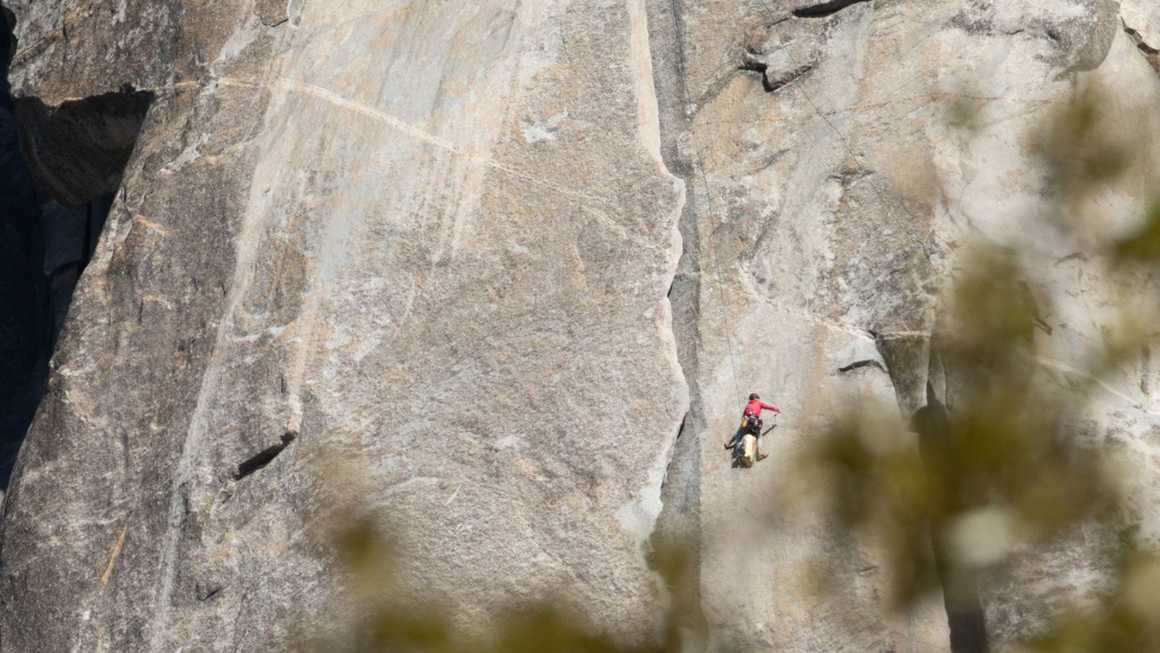
Climbing El Capitan
- Location – Yosemite National Park, USA
- Route – Freerider
- Height – approximately 3,000ft or 915m
- Duration – 3 hours 56 minutes
Alex Honnold free solo climbed El Capitan on 3rd June 2017. This is the first and only free solo climb of this world-famous rock face. Featured in the documentary Free Solo, Alex Honnold climbed El Capitan in under 4 hours without ropes, harnesses, support or safety equipment.
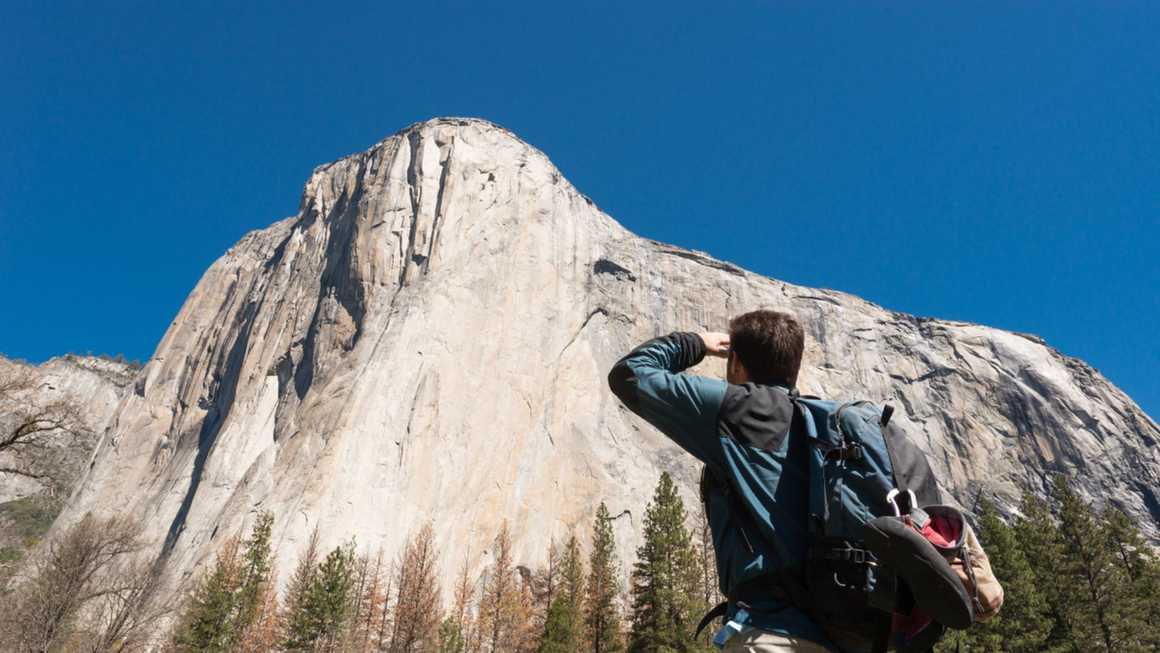
El Capitan is a granite monolith in Yosemite National Park that rises from a lush, forested plateau surrounded by dense woodland and wildflower meadows. A sheer vertical stone wall speckled with cracks and gulleys, El Capitan is a popular big climbing wall for the breadth and number of route options available.
Most climbers use ropes and enjoy multi-pitch ascents, often taking a whole or several days. Climbing this cliff is not an undertaking for beginners.
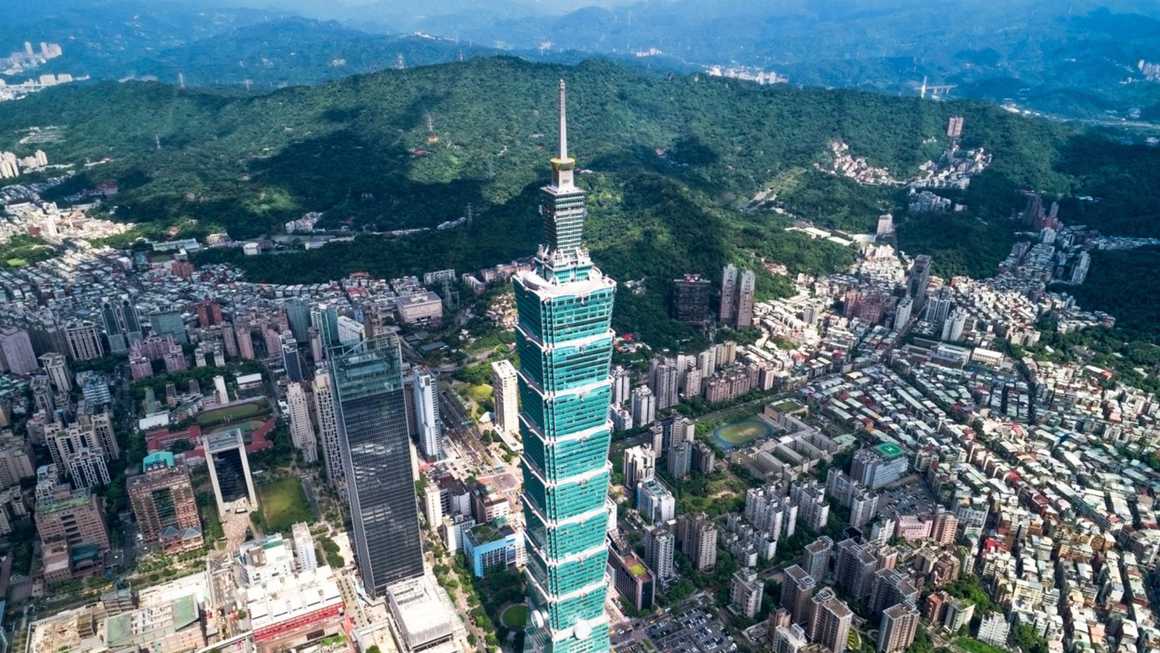
Climbing Taipei 101
- Location – Taipei, Taiwan
- Height – 1,667ft or 508m
- Duration – 91 minutes 34 seconds
On 25th January 2026, Alex Honnold free-soloed Taipei 101. He’d always dreamed of climbing a skyscraper, and when faced with this challenge, he jumped at the chance.
Although it’s perhaps the tallest urban free solo climb ever, it is not technically the highest urban free climb achieved.
Alain Robert’s ascent of the Burj Khalifa in 2011 was technically higher, although he didn’t personally count the spire as part of the climb, as he thought it was too easy to count! He was also required to use a rope by local authorities.
Honnold claimed he was never out for a record and was climbing for fun instead. Netflix live-streamed his challenge, with a 10-second technical delay built in, in case he fell.
Climbing man-made structures is completely different to rock climbing. The terrain of buildings is typically more regular, usually featuring ledges and solid surfaces. Climbing them involves smooth steel, glass and concrete terrain compared to the pitted, rough rock of a cliff face.
Watch the highlights from Alex's Taipei 101 climb here:
How hard was Alex Honnold’s El Capitan free solo?
Alex Honnold’s free solo climb of the 2,900ft or 880m Freerider route on El Capitan was the first EVER free solo ascent of a big wall with such an intense difficulty rating. This fact alone indicates how hard climbing El Capitan is without ropes or safety gear.
Yosemite Decimal System
In the US, the most common climbing grading system uses the Yosemite Decimal System (YDS). Rock climbs are classed as 5s (on a scale of 1-5), and the number after the decimal runs from 2-15. The higher the number, the more difficult the route. A route also has a letter from a-d, depending on difficulty.
Class scale:
- Class 1 – easy hiking on trails or bike paths
- Class 2 – off-trail hiking, sometimes requiring hands for balance
- Class 3 – scrambling, with sustained hand use and occasional rope use
- Class 4 – simple climbing, often exposed, typically using ropes and protection
- Class 5 – technical rock climbing, requiring ropes and safety equipment
Class 5 breakdown:
- 5.0–5.4 – for beginners, 2 hand holds and 2 feet holds for every move
- 5.5–5.8 – for intermediate climbers, hand and feet holds more challenging
- 5.9–5.10 – for experienced climbers, fewer holds available, good strength required
- 5.11–5.12 – for advanced climbers, no obvious holds
- 5.13–5.15 – for professional climbers only, terrain overhangs
Letter grade breakdown
Once you hit climbs of 5.10 and above, each number is further divided into four letter subgrades. Think of it as splitting each grade into quarters, like so:
- a – easiest version of that grade
- b – slightly harder
- c – harder still
- d – hardest in that number before the next full grade
The Freerider route on El Capitan is graded 5.13a.
It took Alex Honnold 3 hours and 56 minutes to complete.
Alex Honnold’s Free Solo documentary details the journey from conception to execution of this iconic climb. The film details the preparation and planning that went into this life-changing achievement.
The hardest sport climbing routes in the world
For context, below is a list of the hardest climbing routes in the world.
- Silence – Flatanger, Norway – 5.15d
- DNA – Verdon Gorge, France – 5.15d
- BIG – Flatanger, Norway – 5.15d
- Sleeping Lion – Siurana, Spain – 5.15
- Change – Flatanger, Norway – 5.15c
Few climbers have successfully completed the routes above, and none have free soloed or free climbed them. Honnold’s free solo climb of El Capitan remains the hardest free solo climb ever completed.
Is Taipei 101 harder to climb than El Capitan?
While free solo climbing Taipei 101 live on Netflix, Alex was portrayed as a cool, calm character, making this iconic climb look effortless.
Let’s look at some of the contributing factors to his success.
Terrain of Taipei 101
Although Taipei 101 is much shorter in terms of height, the repetitive nature of the terrain and the added pressure of a live stream were the highest risk factors of this particular challenge. In true Honnold style, he had assessed the building beforehand, pre-planned a route and trained extensively to ensure the best chances of success.
Conditions on Taipei 101
Similar to his El Capitan climb, the biggest risk on Alex Honnold’s Taipei 101 climb came from unpredictable weather and climbing conditions, as was demonstrated by the delayed start of the live stream.
A rain check for wet weather meant the ascent commenced 24 hours later than was originally planned. And despite calm conditions lower down, the wind continued to pick up the higher he climbed.
Training for Taipei 101
When training for El Capitan, Alex climbed it repeatedly. He did this with ropes and without, free soloing some sections. He tried different routes and became acquainted with the features of his route like a mantra in the lead-up to the attempt.
Training for Taipei 101 looked very different. His preparations revolved around high repetitions of the movements required to climb a man-made structure. Taking his body to fatigue with hundreds of reps of specific exercises meant his strength and stamina were never in question.
The hardest part of climbing Taipei was the mental strength required to keep moving as the world watched. Read more in our blog – How hard was Alex Honnold’s Taipei 101 climb?
Why El Capitan is still Alex Honnold’s hardest climb
Alex Honnold’s successful ascent of El Capitan is one of the most impressive climbing achievements of all time for several reasons. The climb pushed the boundaries of what’s possible physically, mentally and technically. Here’s why:
1. It was a free solo climb
2. The difficulty of the Freerider Route
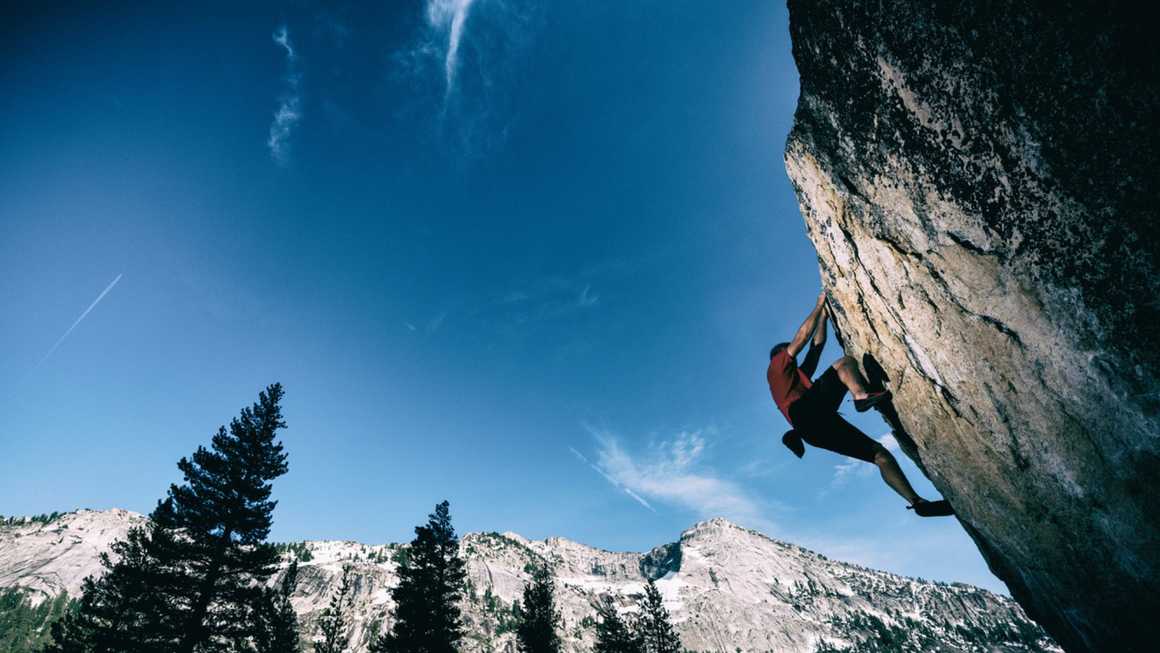
Graded 5.13a-d, depending on whether the Boulder Problem or Teflon Corner are climbed, the Freerider route up El Capitan is hugely challenging. The thin holds, sharp rock and overhanging sections of this route require strength to navigate, and every move must be precise.
Exposure in climbing refers to the lack of protection should the worst happen. On El Capitan, the exposure risk is extremely high. The consequences of a misplaced foot or fatigue could be devastating.
3. The high volume and intensity of preparation required
Climbing El Capitan free solo was not a goal undertaken lightly. In true Honnold style, he rehearsed the route in detail, multiple times, with ropes, memorising the moves and holds as he went.
In the Free Solo documentary, we see him chanting the steps by firelight as he commits the route to memory. His ability to visualise the climb, to ignore the fear and block out the risks, is truly unique and inevitably contributed to the success of this achievement.
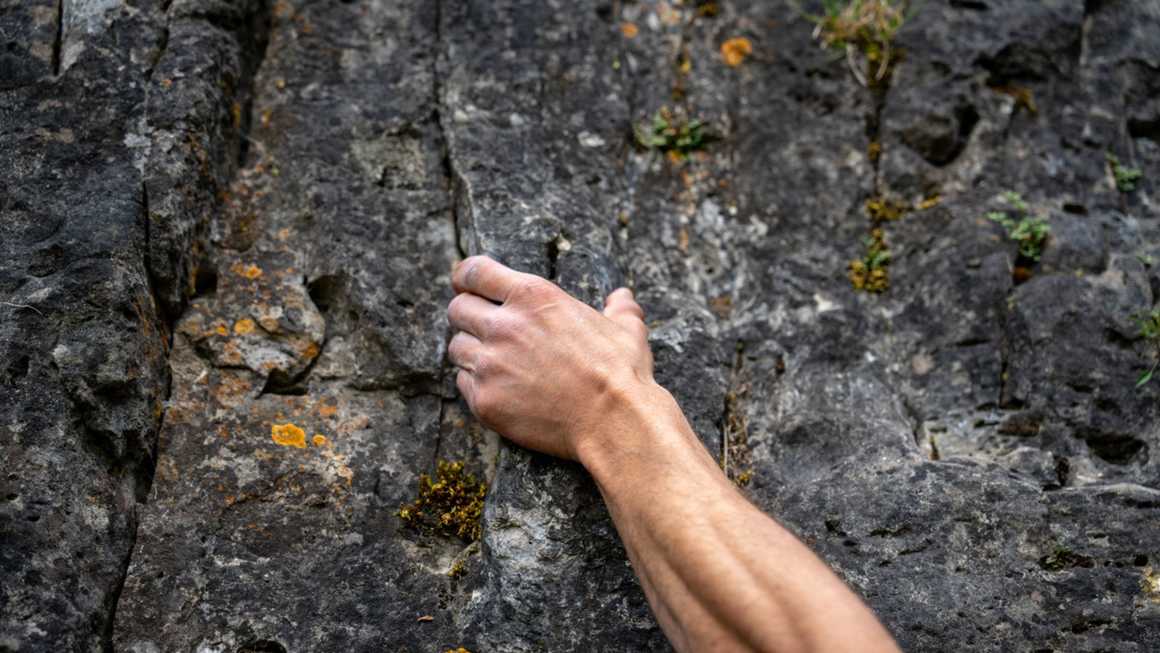
Why do risk, height and technical difficulty get confused on big wall routes?
Alex Honnold’s remarkable record ascent of El Capitan was an astonishing feat, overcoming a combination of risk, height and difficulty. But in the world of climbing, risk, height and difficulty are all relative.
Climbing routes are graded subjectively and constantly under review as more people complete them. Contrary to common misconception, the height of a climb is not an absolute indication of its difficulty. The risk is also part of its difficulty rating.
Let’s take a closer look at each and how they are related.
Climbing risk
In climbing, the risk associated with a route, move or wall refers to the potential of injury or harm. Several factors influence how risky a particular climb is, such as:
- Climbing style – whether traditional, free or free solo
- Exposure – how far the fall could be
- Conditions – weather and climate
- Preparation – how strong the climber is
- Terrain – the quality of the rock surface
A relatively short climb involves more risk if it includes overhanging sections, the climber is inexperienced or the rock surface is slippery or loose. A longer climb with ropes and safety equipment is less risky than the same climb without this level of support.
Perceived risk is subjective and dependent on a variety of factors a climber must consider before setting out.
Climbing height
The elevation of a climb isn’t always indicative of the level of risk involved. Other factors, such as weather conditions and climbing style, may contribute more to a route’s difficulty.
A higher route doesn’t necessarily mean it’s more challenging. The difficulty of a climb considers the level of risk as well as the elevation.
Climbing difficulty
The difficulty of a climb is relative to the climber, and can be determined by physical, mental and technical factors. A short climb may be more difficult for an inexperienced climber, and a free solo climb will involve more risk than a roped ascent.
Risk, height and difficulty are often confused as they’re indistinct from one another. We perceive more height as being more difficult, and therefore riskier, but this isn’t always the case.
El Capitan versus Taipei 101
The most iconic climbing feats in history are not all the highest, riskiest or most difficult. Comparing Alex Honnold’s Taipei 101 climb with his El Capitan record is a classic example of why these climbs aren’t comparable.
Each challenge was unique and achieved through sheer grit, expertise and careful preparation. However, Honnold demonstrates it’s possible to overcome mental and physical barriers with unwavering determination, whatever the risks.
Find your adventure with Kandoo
If you think you have the ambition and drive that Alex Honnold has, and are looking for your next trekking challenge, look no further. Kandoo Adventures takes like-minded travellers on incredible adventure trips to truly iconic destinations.
Whether you’re looking to conquer one of the seven summits or take the first steps on your hiking journey, we have just the itinerary for you. With plenty of preparation, a positive mindset and the right travel company, we believe anything is possible.