There’s only one region remaining where you can observe the mountain gorillas in their natural habitat – East Africa.
Isolated and critically endangered, with few cared for in captivity, deforestation and the destruction of transportation corridors have left these creatures dwindling in number.
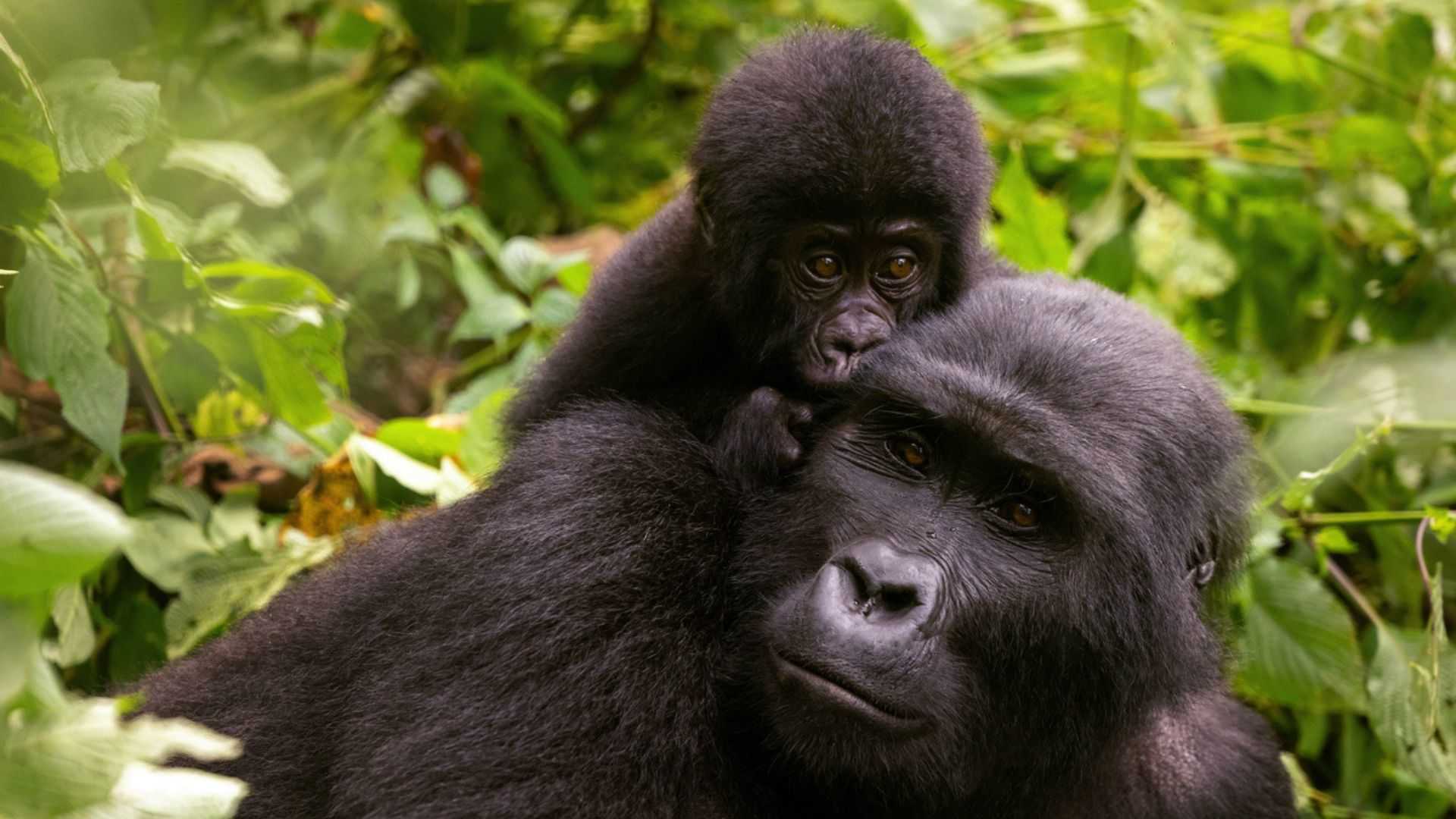
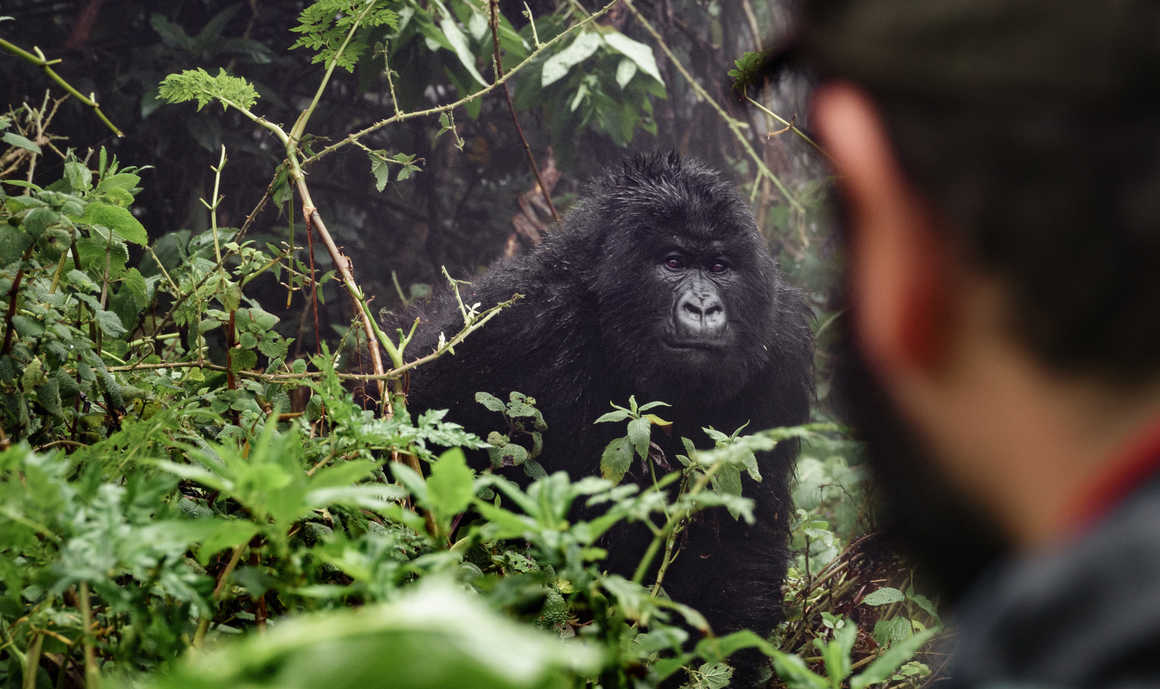
Imagine then, sitting in a lush tropical rainforest mere metres away from the largest primates in the world. Carefully monitored by conservation rangers, families of mountain gorillas can be observed in forests across Uganda, Rwanda and the Democratic Republic of Congo (DRC).
Gorilla trekking is a once-in-a-lifetime experience that positively contributes towards conservation efforts. But where to go gorilla trekking – Uganda or Rwanda?
Follow us as we investigate everything you need to know about gorilla trekking in East Africa.
Gorilla trekking in Uganda or Rwanda
There are only a handful of places in the world where you observe these magnificent animals in the wild – Uganda and Rwanda are two of the best. Gorilla trekking is carefully controlled and limited numbers of permits are issued to ensure the safety of the mountain gorillas.
Eastern and western gorillas
Both the western gorilla and the eastern gorilla are critically endangered. Each species has two subspecies which inhabit different areas.
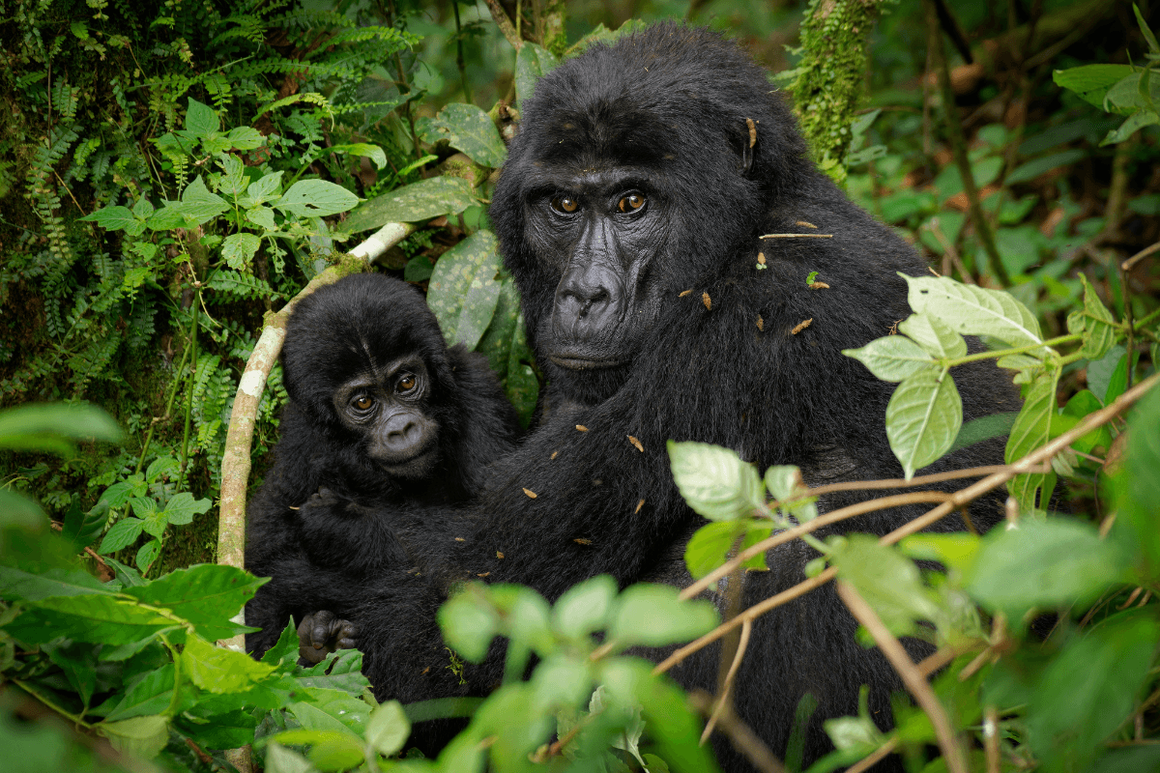
Mountain gorillas are a subspecies of the eastern gorilla and roam high-altitude forests in Uganda, Rwanda and the DRC. Eastern lowland gorillas (also called Grauer’s gorilla) are more prevalent and only found in the DRC.
Where you can see mountain gorillas
The eastern gorilla is the largest primate in the world, found only in protected conservation areas like the Virunga Mountains. This forested mountain range spreads across the junction between Rwanda, Uganda and the DRC.
Each country has its own national park territories in the Virungas, and it’s in these parks that visitors can trek gorillas.
Gorillas in Uganda
In Uganda, you can find mountain gorillas in Bwindi Impenetrable Forest National Park and Mgahinga Gorilla National Park in the Virunga Mountains.
According to the Uganda Wildlife Authority (UWA), there are 25 habituated gorilla groups in Bwindi. With four different places to trek from, you can choose which family you want to see and how much walking you prefer.
Side note: In Mgahinga, there’s only one gorilla group (the Nyakagezi family), so there are fewer gorilla trekking permits available each day.
Gorillas in Rwanda
In Volcanoes National Park, you can trek gorillas in the Rwandan section of the Virunga Mountains. There are currently 12 habituated gorilla families here, and treks start from the town of Kinigi in northern Rwanda.
Gorillas in the Democratic Republic of Congo
At the time of writing, both the British FCDO and US DOS recommend avoiding travel to the DRC. Civil unrest is rife and kidnapping, terrorism, armed violence and severe instability are all likely.
Whilst it is still possible to trek gorillas in Virunga National Park in the Democratic Republic of Congo, flying into the DRC is risky and not recommended currently.
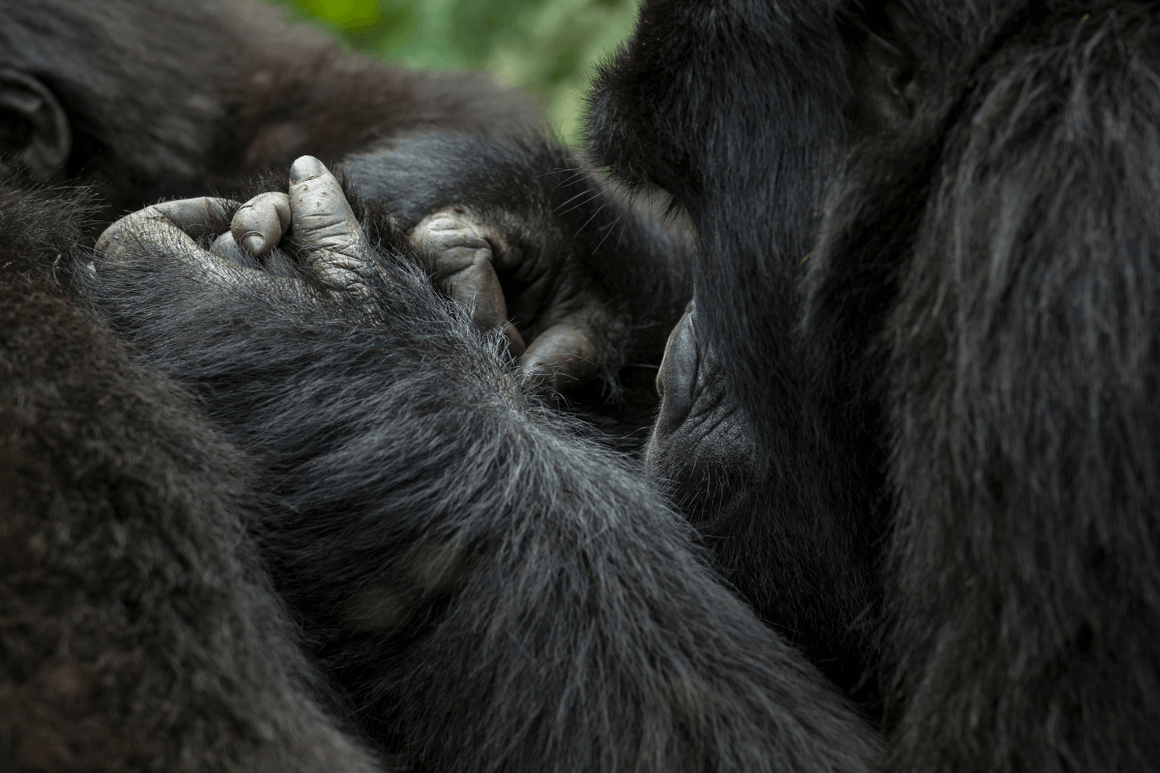
Gorilla trekking experiences
Gorilla trekking is carefully managed in Rwanda and Uganda. You can only visit habituated families, and permits are limited so you can only visit once daily and for no more than 1 hour.
Trekking groups are limited to 8 people, regulating potentially harmful exposure to these vulnerable animals. Consequently, there are restricted numbers of permits available each day.
Because Bwindi Impenetrable Forest has more habituated families, there are more permits available. However, treks into the rainforest may be longer and more challenging in Uganda, due to the dense forest and rugged terrain. Treks through the bamboo forests are typically shorter and less strenuous in Rwanda.
Which country is better for gorilla trekking, Uganda or Rwanda?
Both countries are breathtakingly beautiful and completely unique, despite their proximity.
Rwanda is more alpine-looking with generally higher altitudes and shorter travel times between destinations. Uganda is larger and more diverse both in terrain and wildlife. Plus there are higher concentrations of animals in the national parks, although distances between them are longer.
Rwanda is generally considered easier for gorilla trekking and is better for those short on time. Uganda, however, offers a better overall safari experience and has more gorilla trekking permits available, offering better flexibility across dates and locations.
Accessibility, wildlife, cost and difficulty are the main differences between gorilla trekking in Uganda and Rwanda. Let’s take a closer look.
Accessibility and logistics
The main international airport in Uganda is Entebbe International airport. Bwindi Impenetrable Forest is approximately 500km (310mi) away from here. An internal flight to Kihihi is quicker, at only an hour’s flight from Entebbe, with an hour’s drive to Buhoma afterwards, the northern entrance to Bwindi. Mgahinga is around 4 hours’ drive from Kihihi to Bwindi.
Mgahinga Gorilla National Park is further south than Bwindi and roughly the same distance overland from Entebbe. The beauty of overland travel in Uganda is that you can break your journey at numerous national parks en route and spot other primates, birds and lots of big game.
It’s much easier to access Volcanoes National Park in Rwanda, as Kigali International Airport is only a few hours drive from Kinigi (the gateway to gorilla trekking). Rwanda is also smaller, so those looking for shorter trekking experiences may find it preferable.
Wildlife diversity
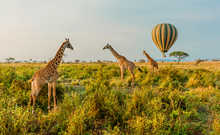
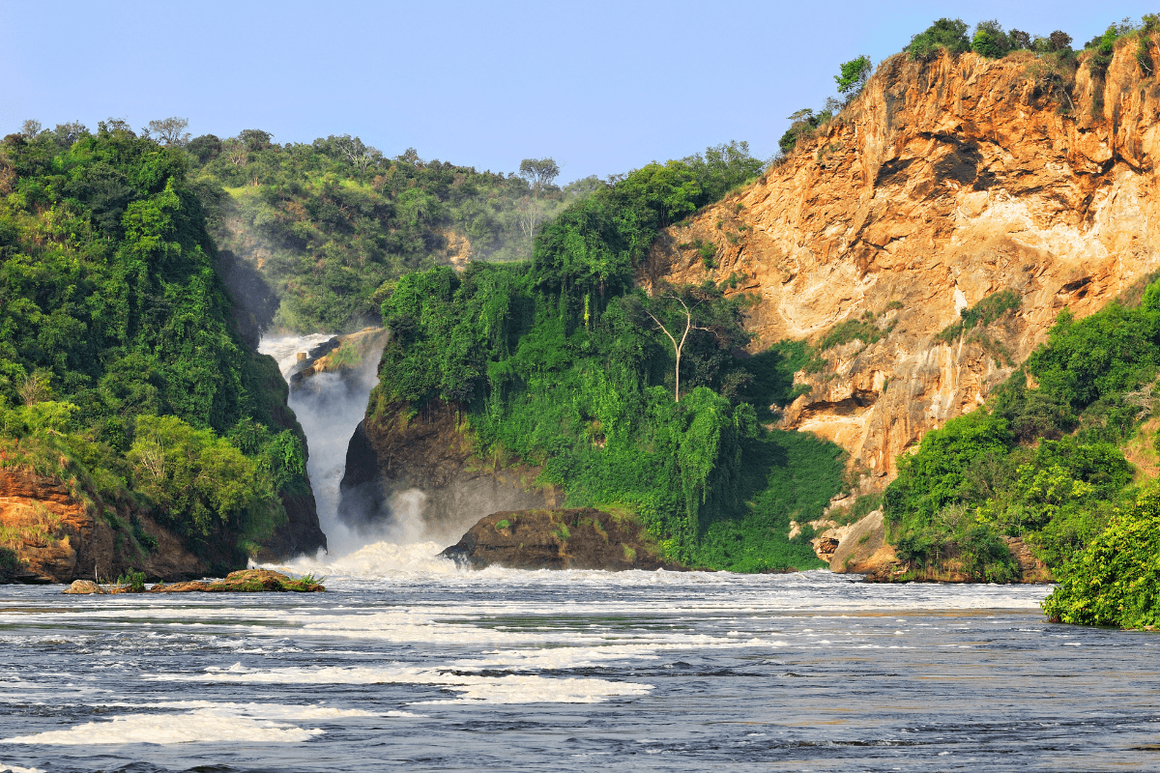
Uganda has over 500 species of bird and over 300 other animal species, including chimpanzees, crocodile and hyena. With national parks like Murchison Falls, Queen Elizabeth, Mburo and Kibale, turning your gorilla trekking trip into a longer wildlife safari is highly recommended. Giraffe, elephants, hippo, lion, leopard, buffalo and tons of antelope roam the safari parks, and you can also trek rhino at Ziwa Rhino Sanctuary.
Rwanda has fewer national parks but it‘s still possible to see the big five (buffalo, lion, leopard, elephant and rhino), as well as other primates and mammals. Akagera National Park holds the only savannah and black rhino have just been reintroduced offering a huge draw for visitors to Rwanda.
Gorilla trekking costs in Uganda and Rwanda
Permits are more expensive in Rwanda, which markets itself as a higher-end gorilla trekking experience with luxurious lodge accommodation nearby. Ugandan gorilla permits are almost half the price and there’s a much wider range of accommodation to choose from.
Here’s a breakdown of the costs:
- Gorilla trekking permits in Uganda - $800 per person for foreign non-residents
- Gorilla trekking permits in Rwanda - $1,500 per person for foreign non-residents
Permits for gorilla trekking are sold in US dollars and are usually included as part of a wider itinerary when booking with a tour operator. A permit restricts your visit to a particular gorilla group on a specific day and is non-refundable and non-transferable.
Permits include the following:
- National park entry fee
- Guided trek and ranger fee
- One hour with the gorillas
Here are some of the additional costs of gorilla trekking (not included in the permit price):
- Transport to the national park
- Accommodation
- Tips for guides, rangers and porters
Gorilla trekking permits for Rwanda are booked through the Rwanda Development Board or through a registered tour company. In Uganda, you can only buy gorilla trekking permits through a registered tour company.
Side note: It’s much easier to book gorilla trekking through a reliable travel company as they will sort your accommodation, transport to the national park and any meals required.
Independent travellers can save money by using public transport, staying in budget accommodation and organising their own permits. However, this can be logistically tricky if booking from outside the country.
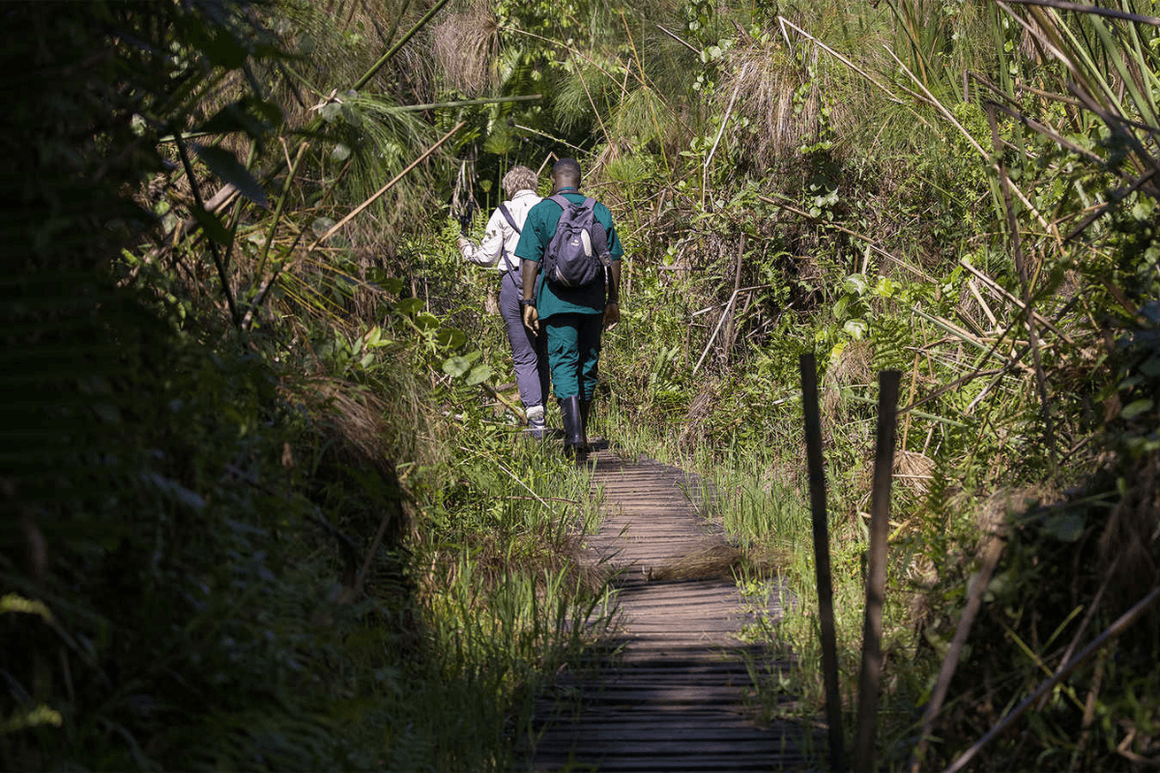
Why gorilla trekking is cheaper in Uganda
The main reason gorilla trekking in Uganda is cheaper than Rwanda is the permit price. At $700 less, it’s much more affordable to trek with gorillas in Uganda.
Another price factor is accommodation options. In Rwanda gorilla trekking accommodation is more expensive with luxury lodges and high-end hotels costing more than Ugandan accommodation.
It’s still possible to find luxury accommodation in Uganda, but there are more budget-friendly options making it appeal to a wider range of visitors.
Is gorilla trekking safe in Uganda and Rwanda?
During your gorilla trek, there are strict safety guidelines in place to protect both visitors and the gorillas:
- Only habituated gorilla groups are visited
- A minimum distance of 7m must be maintained from the gorillas
- Trekking groups contain a maximum of 8 people
- Only trained rangers can guide gorilla treks
- You must only visit if you’re fit and healthy (if unwell, you’ll be refused entry)
- All groups will have armed ranger escorts for safety
- It’s prohibited to touch or feed the gorillas
- Wearing masks is occasionally required
It’s generally considered a safe activity to trek gorillas when guidelines are followed. All visitors receive a safety briefing before their trek and must agree to adhere to the rules.
Gorilla aggression is rare and the highest risks come from uneven terrain and mosquito bites, which can be dealt with through prophylactics and antihistamines.
Is gorilla trekking ethical?
Gorilla trekking forms part of a mutually beneficial relationship cycle. Revenue from permits funds conservation projects, protecting the habitats and fighting against deforestation and poaching. Visitors to the area (when carefully managed) provide jobs and spending in local economies, which creates more employment opportunities.
When local people have stable jobs, there’s less incentive to poach, which helps protect gorilla populations.
Gorillas are habituated for two reasons. Firstly, so they can handle visitors; and secondly, so they can be monitored and treated by researchers and medical professionals. The ability to closely monitor gorilla populations increases understanding and knowledge, which can be used to better care for dwindling numbers.
On the surface, it may seem unethical to pay large sums of money to observe critically endangered animals in the wild. But actually, gorilla populations rely on tourism to maintain their safety and welfare.
How difficult is gorilla trekking?
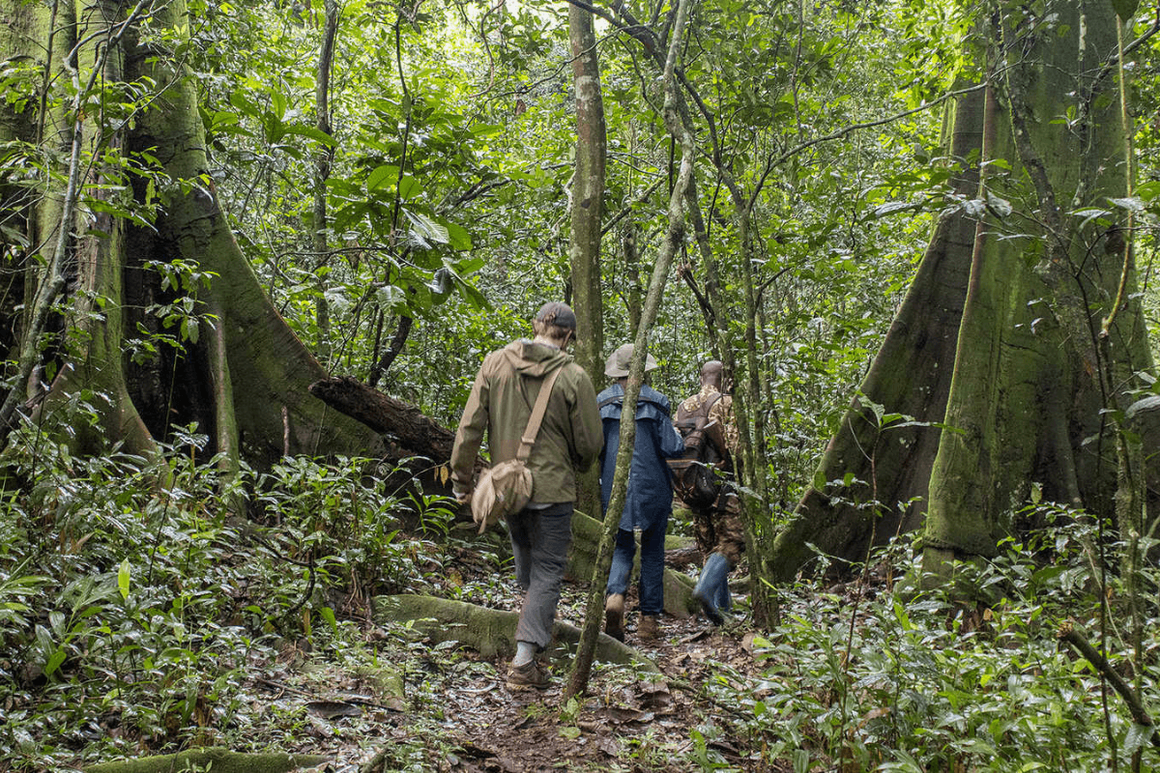
Trek difficulty varies between Rwanda and Uganda due to gorilla movement, altitude and vegetation. Visitors are assigned to a trekking group at park gates depending on fitness, age and ability. Groups that want a more challenging experience may look for gorillas that are further away, where possible.
Bwindi Impenetrable Forest covers a huge area and is served by four main hubs, depending on which gorilla group you visit. The terrain is largely high-altitude, steep slopes and dense rainforest. For this reason, a good level of fitness is required. Depending on where a gorilla family is, your trek could take between 1 and 5 hours to find them.
In Mgahinga, there’s only 1 habituated family and they are closely monitored. The terrain is less dense with volcanic slopes covered in bamboo and montane forest with clearer trails, although still at high altitudes.
Trails are more permanent in Rwanda and gorilla groups tend to stay closer to the trailheads. The forest is more open and vegetation less dense, making it generally easier to trek through than its Ugandan counterparts.
Top tips for gorilla trekking:
- Train for your trek in advance, ideally at higher altitudes if possible
- Ensure you have proper hiking boots and that new ones are broken in
- Consider bringing trekking poles to help navigate roots and vegetation
- Hire a porter to help carry your gear
- Choose a destination suited to your fitness
Best time to go gorilla trekking in Uganda and Rwanda
East Africa experiences wet and dry seasons. It’s best to trek gorillas during the dry season when conditions are more stable.
The longest dry season runs from June to September and December to February. These are the most popular times to visit. Vegetation is less lush making it easier to spot wildlife and the trails are more navigable. For these reasons, it can be harder to get permits during this time.
From March to May and October to November, both Rwanda and Uganda experience heavy rain. This weather results in muddy paths, slippery terrain, colder temperatures and more lush vegetation.
However, it’s easier to get permits during this time so those on a budget or with limited time may prefer trekking during the off-season. There are also fewer people about which can make for a more intimate gorilla trekking experience overall.
Gorilla Trekking with Kandoo
Book gorilla trekking with Kandoo and we’ll sort your whole Uganda safari trip from start to finish. Our local team works with experienced guides, uses reliable transport and will sort all logistics, leaving you to safely enjoy this truly incredible country.
Uganda is a warm and welcoming place, bursting with wildlife. This overlooked safari destination, known as the ‘pearl of Africa’, is a particular favourite for its friendly culture and authentic experiences.
We believe no gorilla trekking adventure is complete without visiting the wider destination. Our Uganda trips visit multiple national parks offering the best chances to spot awesome wildlife and explore this hidden gem of a country.
For once-in-a-lifetime gorilla trekking adventures, look no further than Kandoo.