Ultimate Tanzania Safari
11-day adventure

Ultimate Safari & Zanzibar

Tanzania
  • Safaris
  1. Homepage
  2. Tanzania
  3. Ultimate Safari & Zanzibar

Code: TZUTSZ

11 days
Easy

Contact
our UK team
Our local team

Tanzania was Kandoo's first ever destination, we have our own staff in country and operate our trips ourselves with no third parties. Since 2009 we have helped more than 14,000 people reach the summit of Africa's highest peak. Expertly managed by Emanuel Nguma, our mountain guides, safari guides, drivers and cooks are some of the best in the country. A quick glance at our TrustPilot reviews and it is clear just what an outstanding service our...
Learn more

Kandoo's view

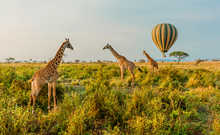
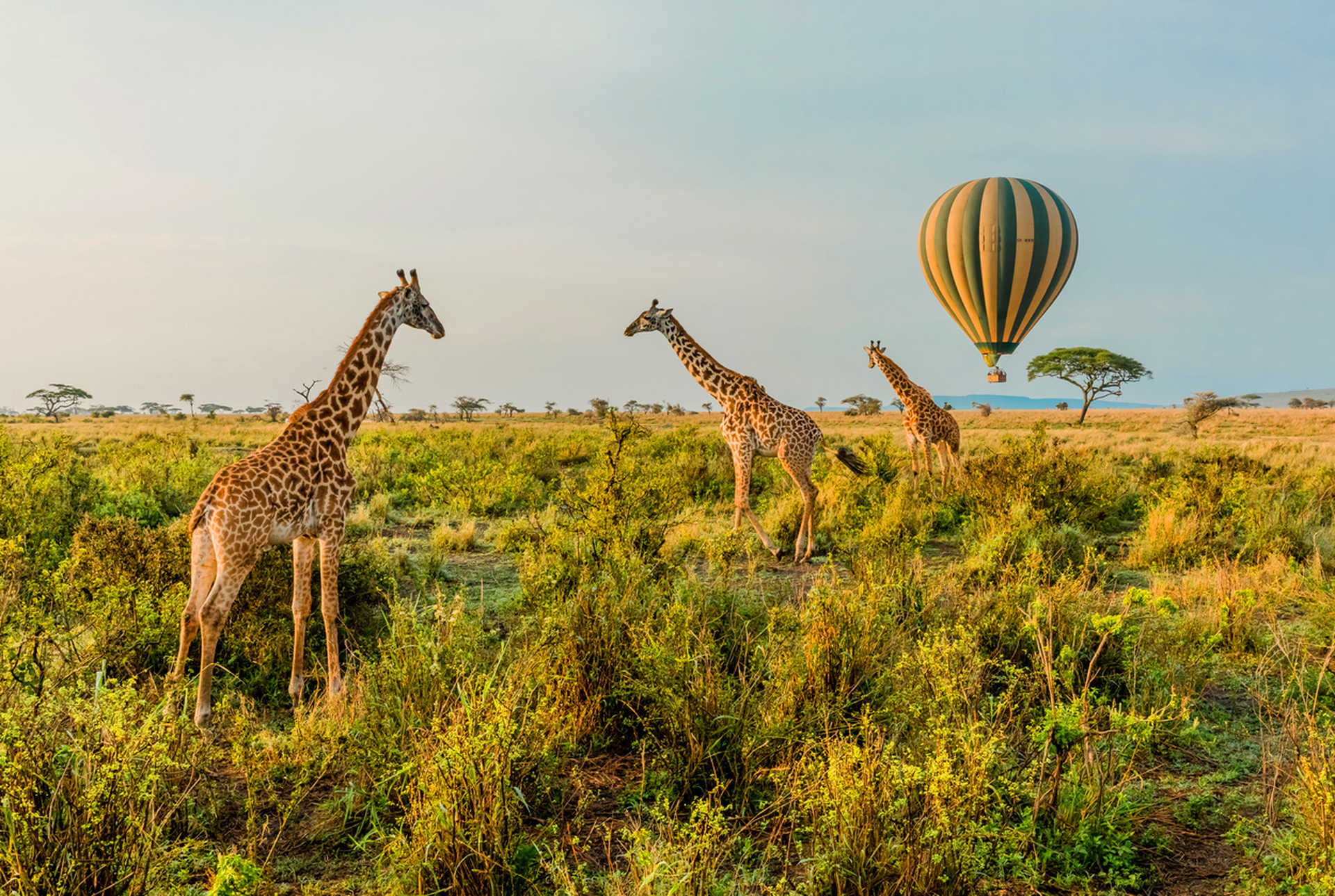
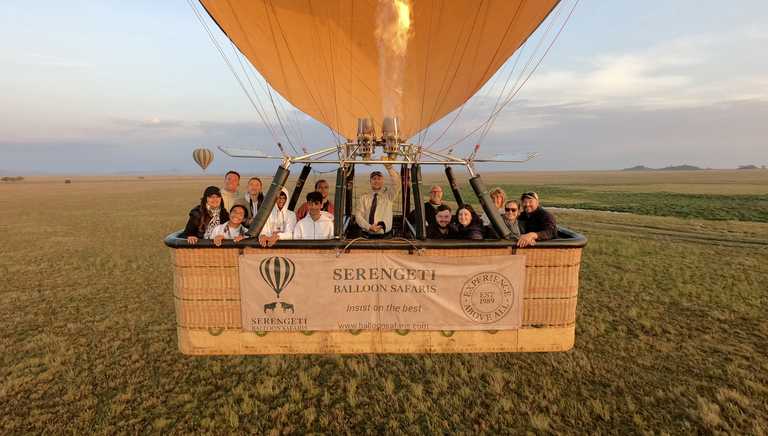
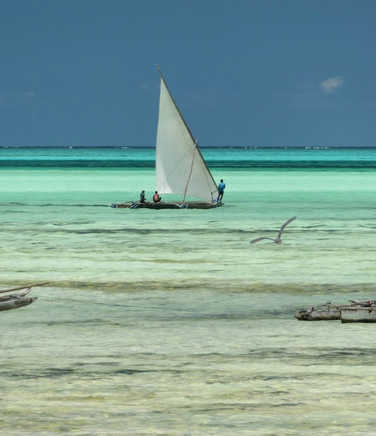
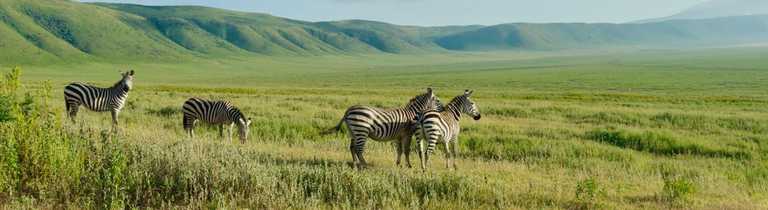
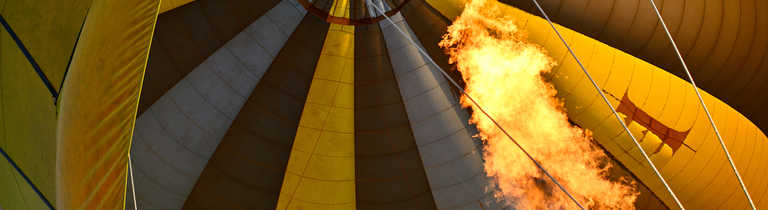
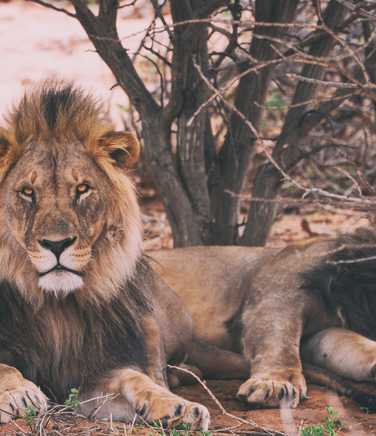
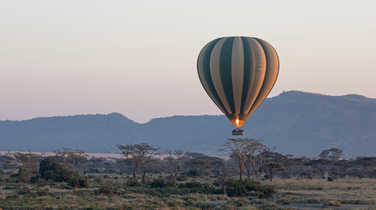
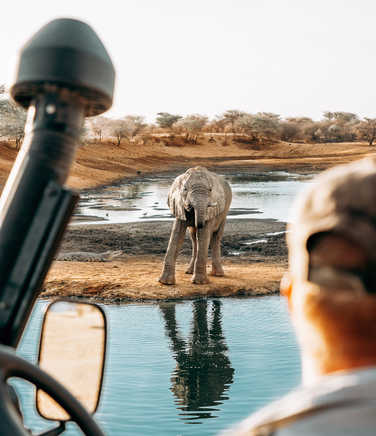
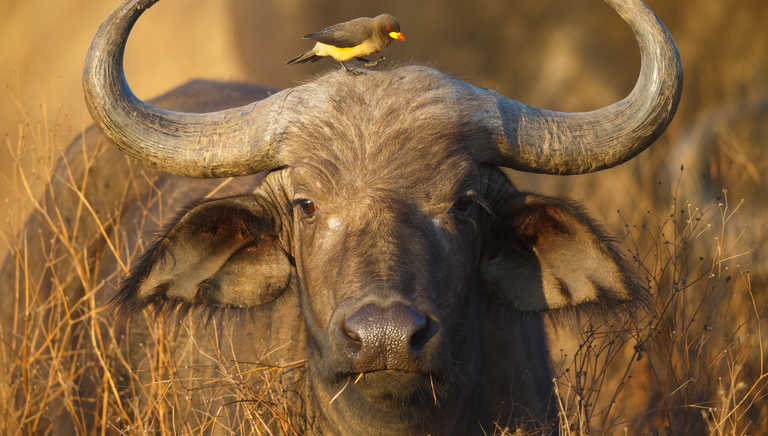
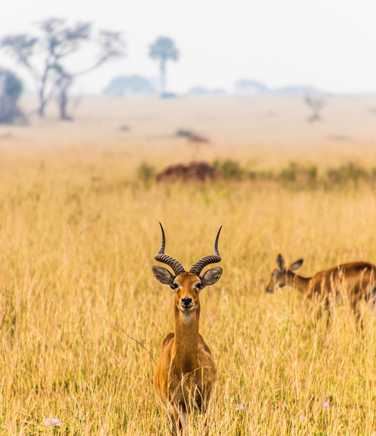
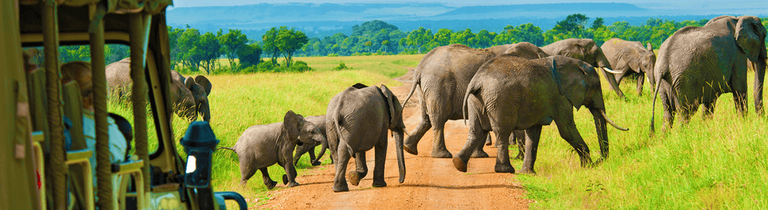
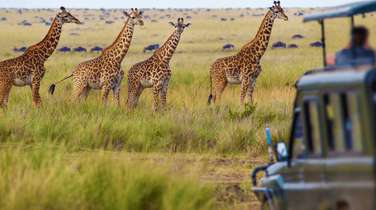
If it is wildlife and relaxation that you are looking for, this 11-day adventure combines two incredible Tanzanian experiences to create a once in a lifetime trip. We start with amazing game viewing opportunities as you visit Tanzania’s most popular national parks and take to the skies for a breath-taking early morning balloon ride over the vast plains of the Serengeti. To finish this incredible trip, hop on a flight over to Zanzibar where four days of relaxation on picture postcard white sand beaches await you.

Trip highlights

  • Embark on a 5-day safari through Tanzania's most popular national parks
  • Take a balloon ride over the Serengeti
  • Spend 4 days on Zanzibar's perfect white sand beaches and in the turquoise blue waters
  • Relax in the knowledge your trip is fully carbon offset

Experiences

  • Safaris
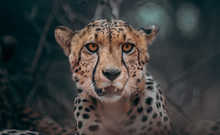
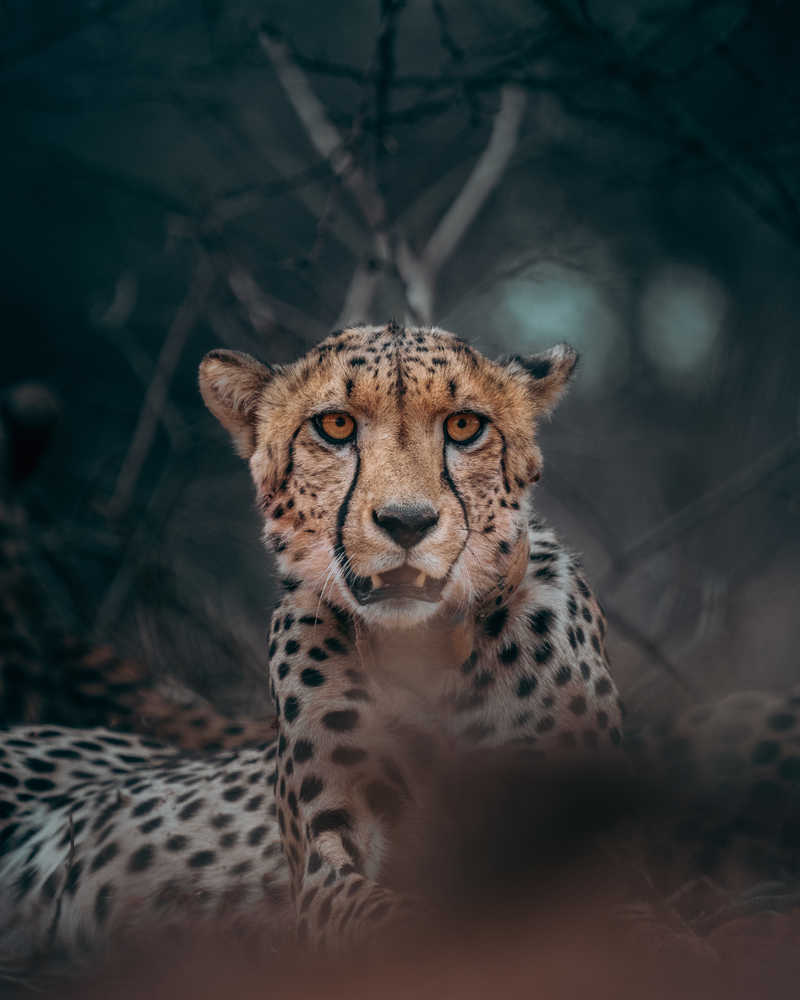
    Wild cheetah in Tanzania
    Get closer to nature with our range of wildlife & safari adventures and trip extensions

Gallery

Itinerary

  • Day 1

    Arrive in Tanzania

    You will need to organise your own flights to Kilimanjaro International Airport (JRO). From JRO we will arrange a private transfer to your hotel in Arusha. Early the next morning you will meet your local Kandoo safari guide and have a full pre-trip briefing.

    • Accomodation: Hotel
  • Day 2

    Arusha to Lake Manyara

    You will be met by your guide and vehicle and driven to Lake Manyara, arriving with plenty of time for an afternoon game-drive. Located beneath the cliffs of the Manyara Escarpment, on the edge of the Rift Valley, Lake Manyara National Park is famous for its large alkaline soda lake which is home to the pink flamingo, yellow-billed stork and heron. If you are lucky you may get chance to see the tree climbing lions, which are unique to this national park. Watch out for some fun antics from the local baboon population; Lake Manyara is believed to have the largest number of these primates in the World!

    • Transport: 4wd (2 - 3 hours)
    • Accomodation: Safari Lodge
    • Meals included: Breakfast / Lunch / Dinner
  • Day 3

    Lake Manyara to Olduvai Gorge

    After breakfast, you will take a picnic lunch with you as you continue to the Serengeti, a drive of around 4 ½ hours through the Ngorongoro Conservation Area. Your journey will take you to the Olduvai Gorge, where the Leakeys discovered the hominoid remains of a 1.8 million year old skeleton of Australopithecus boisei, one of the distinct links of the human evolutionary chain. In a small canyon just north of the Ngorongoro Crater, the Leakeys and their team of international archaeologists unearthed the ruins of at least three distinct hominoid species, and also came upon a complete series of hominoid footprints estimated to be over 3.7 million years old. Evacuated fossils show that the area is one of the oldest sites of hominoid habitation in the world. You will then continue into the Serengeti.

    • Transport: 4wd (1 - 2 hours)
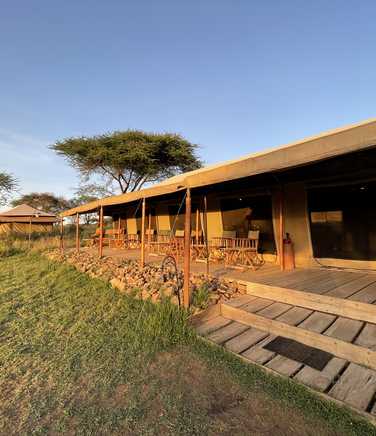
    • Accomodation: Tented Camp
    • Meals included: Breakfast / Lunch / Dinner
  • See more

Please note

The details in this programme are regularly updated but unforeseeable and unpredictable circumstances may result in inaccuracies. In order to provide the adventure which is best suited to your demands, the weather and the operational conditions, changes to the itinerary may be made. For safety reasons, we reserve the rights to interrupt your participation at any time if your technical level or fitness is deemed unsuitable or if you are seen as a danger to yourself or to those around you. Under no circumstances would this give rise to a refund or compensation.

Trip information

Difficulty

Although going on safari is not physically strenuous, it can be very tiring. You will be spending large amounts of time inside your safari vehicle, the weather will be hot and to have the best chance of seeing the big game you need to get up very early in the morning.  You do not need a high level of fitness but you should be prepared for some long, hot days of travelling.  

Food & drink

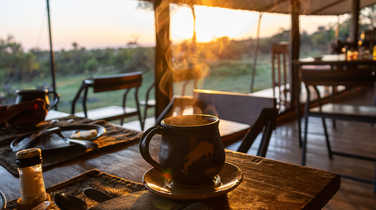
All safari lodges are booked on a full board basis. Any additional drinks required are for your account, which must be settled when you check out of the lodge. If you are out driving during the day, your driver will take a packed lunch for you. Any dietary requirements noted on your Participation Agreement will be passed to the safari team, but please let your safari guide know if you have any further requirements.

Your hotel in Arusha is booked on a B&B basis. You can get a meal or snacks from the hotel upon arrival which is payable in Tanzanian Shillings.

Your hotel in Zanzibar is All Inclusive. However, some branded drinks may not be included but can be purchased. 

Water

Waste systems are very basic in the middle of the African savannah so to try and reduce the amount of plastic waste on our trips we ask that you bring a Nalgene, or equivalent, water bottle with you on safari. We provide a large tank of mineral water so you can refill your water bottle throughout the day as needed to avoid excessive consumption of single use plastic bottles. 

Accommodation

Accommodation is in twin rooms at carefully selected safari lodges. The lodges we use are all set in spectacular locations and provide delicious meals and comfortable airy bedrooms.  Single rooms can be requested, however confirmation of these will depend entirely on availability at the safari lodges.

Please be aware that Tanzania is still a developing country and cut offs in both water and electricity supply still happen regularly, and we cannot guarantee that all the hotels and lodges will have hot showers at all times. The staff will help as far as they can, but these outages are outside their control.

Your guide

You will have an experienced English speaking guide for the duration of your safari. Our guides are highly experienced and have spent many years leading safaris in and around the Tanzanian National parks so you are in the best hands for your trip! 

Transport

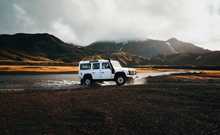
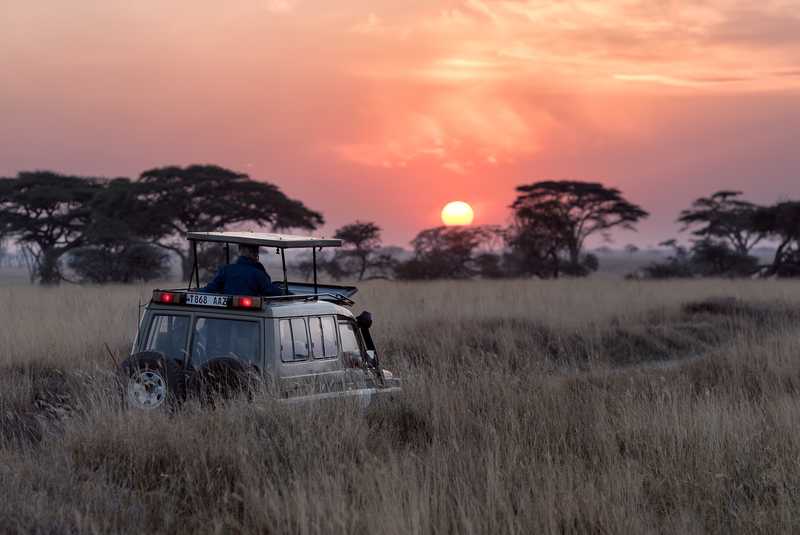
You will be travelling in one of our comfortable Kandoo Adventures safari vehicles. Each 4x4 vehicle has a "pop top" roof to provide excellent views of the incredible wildlife.


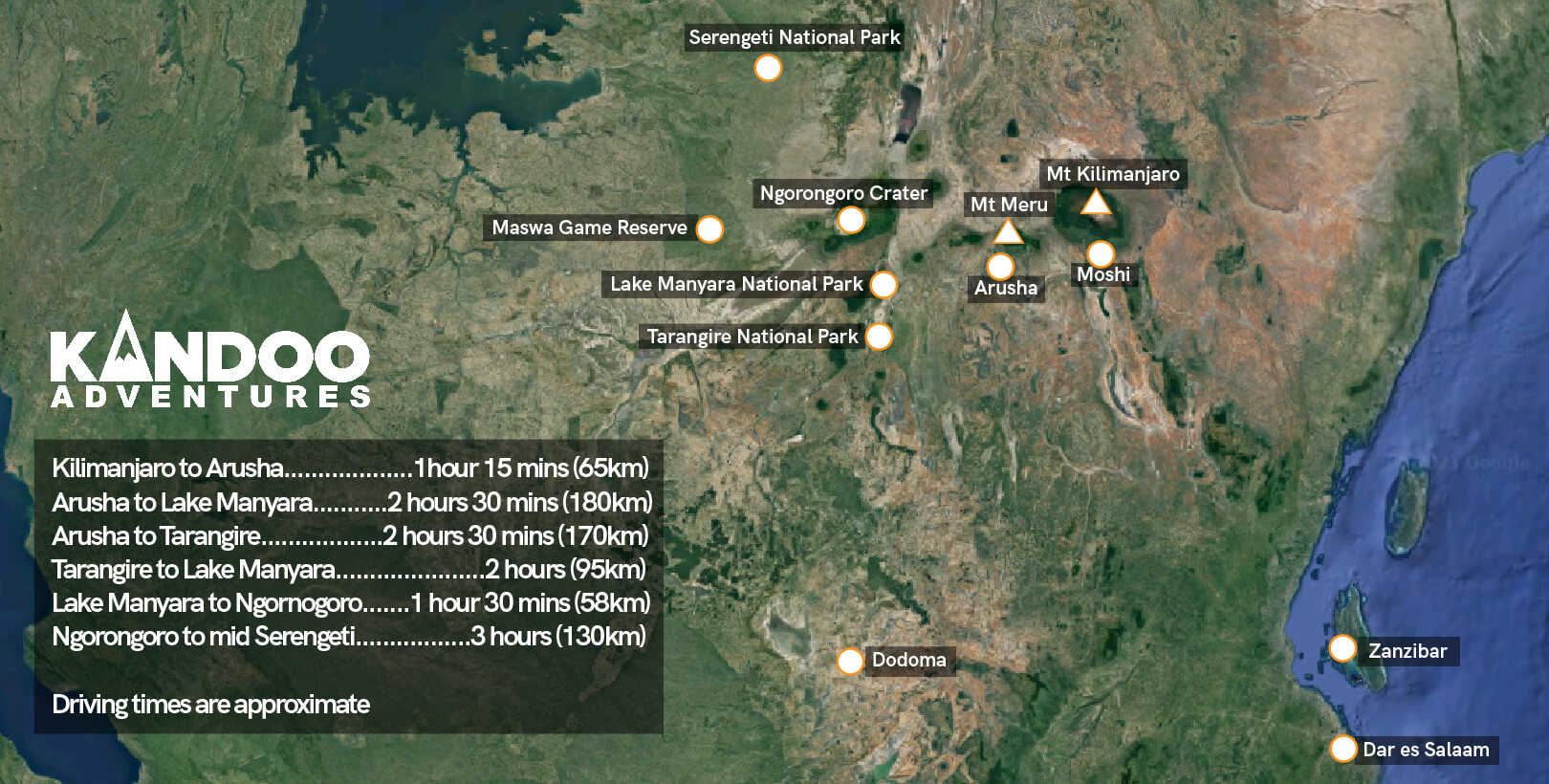
The different National Parks – Tarangire, Lake Manyara and Ngorongoro – may look close on a map, but there is a considerable amount of driving between each location. Approximate driving times are listed below. While this gives you the opportunity to see more of the Tanzania countryside – look out for Maasai villages beside the road, children tending their herds of goats and cattle, and road-side markets – you are unlikely to see any game during these transit times.


  • Moshi to Lake Manyara - 4 hours
  • Arusha to Tarangire - 2.5 hours
  • Tarangire to Ngorongoro - 3 hours
  • Ngorongoro to Serengeti - 4 hours
  • Lake Manyara to Serengeti - 5 hours

Luggage

DOMESTIC FLIGHTS BAG WEIGHT
Domestic flights in Tanzania operate a 23kg main bag allowance on their flights.

PLASTIC BAG BAN

On 1st June 2019, Tanzania introduced a ban on all single-use plastic bags. Please support this fight against plastic by using more sustainable alternatives in your luggage, such as packing cubes and dry bags. Passengers with plastic bags in their luggage may be asked to surrender them on arrival at the airport.


The zip-lock bags required to carry liquids and toiletries in cabin baggage on airplanes will still be permitted.


Your luggage can be carried with you in your safari vehicle and stored at your accommodation. 

Please keep all money, passport and valuables on your person at all times. 

How do I get there?

For travellers based in the UK or the US, it is best to fly to Kilimanjaro International Airport (JRO). KLM flies to JRO from all of the major UK airports, and many of the larger US international airports as well. UK flights tend to leave early in the morning, transfer at Luchthaven Schiphol, Amsterdam’s main airport, and arrive at JRO late that same evening.
All of our safaris begin at a town called Arusha. Arusha is only 50km from Kilimanjaro International Airport by road and we will arrange transport from the airport to your hotel as part of your safari. Transport is generally available at any time, including the late evening or early morning, and takes approximately 1 hour 15 minutes.

Some UK guests choose to fly into Nairobi via Kenyan Airways or British Airways. These flights are only available departing from Heathrow in London. Guests arriving in Nairobi generally book a transfer flight to Kilimanjaro international Airport via Precision Air, Air Kenya, Air Tanzania or Ethiopian Airways.

We do not recommend flying through Nairobi, because Nairobi Airport is often uncomfortable, and transfer times can sometimes be very long. It also has a reputation for poor baggage handling and delays in transferring baggage between flights.

Turkish Airlines, Air Emirates and Qatar also fly into JRO now, but these flights often involve long delays and flights leaving late at night for UK travellers. However, guests travelling from the US often report better service and experiences flying with Turkish Airlines, Air Emirates and Qatar, so we do recommend these flights from North America.

We provide your flight between JRO and ZNZ, however you will need to arrange your flights from Zanzibar at the end of your trip. We find the best way to arrange your return flight is by transferring to Dar Es Salaam for your flight home. Vayama operates flights between Zanzibar and Dar Es Salaam.

If you are changing airlines or re-checking your luggage at an airport on route, please ensure you leave a minimum of 3 hours between flights. This will account for any delays on arrival, travel time across airports (this can take longer than you think) and time taken to re-check baggage.

Travelling Responsibly

Here at Kandoo, we like to support our guests to make their travel more sustainable. As of 2025, we are offsetting the carbon on all of our trips from your arrival in destination to drop off at the airport. As we don't include flight travel in our trips these aren't included in our offsetting calculations, so we are providing you with the calculator below for you to do this yourselves. 

Dispersal

You will be met by our Kandoo team at Kilimanjaro Airport and transferred to your hotel. As you come through the arrivals doors, look out for your name board being held by one of our safari guides.

On arrival

One of our team will be waiting for you on your arrival into Kilimanjaro International Airport (JRO). They will be holding a 'Kandoo' sign and will drive you to your hotel in Arusha. You will meet your safari guide the following morning for your pre-trip briefing.

Optional activities

Guided tours and boat trips will be available to book at your hotel in Zanzibar and these can usually be booked with very little notice. 

Budget & change

The Tanzanian Shilling is a closed currency so you will not be able to buy this before you arrive. You will need to use Tanzanian Shillings to pay for all local transactions. It is advisable to travel with US Dollars, and exchange these upon arrival. It is very important that US bills be new (no more than 10 years old), crisp and untorn. We can take you to an ATM or bank and there is also a currency exchange as you go through to the Baggage Collection area of the airport. If you are relying on a credit or debit card for emergency funds, make sure you tell your card issuer that you will be using it abroad, or you may find that it won't work when you really need it.


Please note that not all hotels can accept card payments so you may need to use an ATM to access funds.


Please also be aware that the Government of Zanzibar has introduced mandatory inbound travel insurance for all travellers arriving on the island.

The charge is $44 and must be paid by all new arrivals even if you already have travel insurance in place. The new charge will come into effect from the 1st September 2024.  

Tips

We realize that tipping may not be a common practice in all countries but in Tanzania it is a standard practise. For your safari guide we recommend a tip of US$20-30 per day (this is per group, not per person.) Many of the safari lodges operate a shared tip system, and there will be a box in the reception area where you can leave a tip for all staff. Check the information packs in your room as some lodges will specifically ask you not to tip individual staff members.

The hotels in Zanzibar operate a shared tip system, and there will be a box in the reception area where you can leave a tip for all staff. Check the information packs in your room as some hotels will specifically ask you not to tip individual staff members. If you book activities or tours whilst on the island, tipping your tour leaders a small amount is advisable.


Tips are always discretionary and if you are not happy with the service you have received you do not have to pay tips.

Formalities & health

Passport

All travellers will need a passport which will remain valid for at least 6 months longer than your expected visit. You will also need to present proof that you have a return ticket, and proof that you have sufficient money to support yourself during your stay in Tanzania.

Each traveller is responsible for sorting out their own passport and visa requirements, and we cannot offer much assistance in this matter. If you do not yet have a passport, apply for one early, as they can take some time to arrive. If you already have a passport, double check when it expires.

Visa

Citizens of the UK, Australia, New Zealand, India, United States, Canada and most EU countries require a visa to enter Tanzania. Citizens of countries not mentioned should contact their nearest embassy or high commission to check visa requirements. Visas usually cost in the neighbourhood of USD50 (around GBP40), but some visas from the US can cost USD100. Tanzanian visas expire three months after they are issued, so be careful not to apply too soon.

Visas can be purchased upon arrival at Kilimanjaro international Airport (IATA code: JRO), but if you choose to do this you can expect long queues, and for the process to take two hours or more. The Tanzanian High Commission has also stressed that they have the right to deny visas applied for on arrival. We have never had a report of this happening, but it is a danger best avoided.

For these reasons, we highly recommend that travellers get their visa in advance, either online, or at their local Tanzanian Embassy.

Please read the Visa Application Guidelines carefully before beginning your application to ensure you apply for the correct type of visa, and that you are planning on entering Tanzania through one of the approved entry points. When filling out your visa, you will need to choose an 'ordinary visa' for 'tourism' purposes and your entry and exit ports will be the airport you are flying in and out of. A lot of our guests are confused by the 'Host' section, for this you simply need to state you are 'self' hosted. Your hotel information can be found on your itinerary.

Where to obtain a Tanzanian visa:
- Any Tanzanian Embassy or High Commission
- The Tanzania Immigration Services website
- Entry points to Tanzania: Any gazetted entry point, including international airports.
- In Dar Es Salaam: The Office of the Director of Immigration Services
- In Zanzibar: The Office of the Principal Immigration Officer

Please be advised that, whilst we make every effort to provide you with accurate and up-to-date information, travel requirements can change quickly and sometimes without notice. We urge you to double check the visa and passport requirements for your trip and consult with an embassy or consulate if you have any concerns regarding your application.

Vaccinations

Below we have set out what is the general guidance for travel to Tanzania. We strongly advise you to consult with your own GP or travel clinic near you before travelling. They will have the most up to date and medically accurate information relevant to you, and should be relied upon over these recommendations.

Strongly Advised Vaccinations

- Hepatitis A: This can be spread via contaminated food and water.
- Tetanus: Tetanus is often present in the soil, and can contaminate open wounds easily. Tetanus vaccine should be used every ten years if travelling.
- Typhoid: Typhoid can also be spread via contaminated food and water, and poor hygiene.
- Diphtheria: This potentially fatal disease is spread mainly via spit, but occasionally through contact with cuts on the skin.
- Yellow Fever: This can be contracted by being bitten by a contaminated mosquito. This vaccination is not essential if you are arriving directly in Tanzania. You do need it though if you plan to arrive through any country that is subject to yellow fever. Simply stopping over at an airport in an affected country should not require vaccination, but leaving the airport even briefly would make it necessary

Sometimes Advised Vaccinations

- Hepatitis B: This illness is spread via contact with blood or bodily fluids. It is many, many times more virulent than HIV/AIDS. Some 8% of the population of Tanzania are believed to carry the virus.
- Rabies: Rabies is spread via contact between the saliva of any infected animal and an open wound (including bites, but also licking existing wounds). Rabies is fatal unless treated, and treatment of an unvaccinated rabies patient can be very difficult in many parts of Tanzania.
- Tuberculosis: TB is generally contracted through inhaling airborne sputum.
- Cholera: Cholera is spread via contaminated food and water, and poor hygiene.
- Measles: This disease is spread through inhaling sputum.

Insurance

We ask that you keep a copy of your policy summary (containing policy number and the emergency contact number for your insurer) in your day sack at all times, so that we can access this information should we need to contact the insurer on your behalf.

Sorry but we are not insurance experts so we do not review policies.

Kilimanjaro Climbs

Climbing a mountain as high as Kilimanjaro does have dangers. You should ensure that you have good insurance to cover these risks. In addition to covering the usual baggage loss, cancellation and medical fees, we require your insurance to cover helicopter evacuation and repatriation, if it becomes necessary, and trekking up to 6000m. Be sure to read the small print carefully for any policy you are considering.

Safari

Your insurance must cover the cost of helicopter evacuation and repatriation if necessary. Make sure your insurer knows of your travel plans, and verify that you are fully and adequately insured for the duration of your trip. Please ensure that all activities, excursions and destinations in your itinerary are included in your travel insurance policy, in addition to your regular cover for loss of baggage, cancellation and medical expenses.

Health

Malaria and Mosquitoes

Tanzania is home to malaria-carrying mosquitoes and whilst you are in the towns of Moshi and Arusha or out on safari we recommend wearing long sleeves and trousers, as well as using a good mosquito repellent that contains DEET, to make sure you are protected. We would also recommend speaking to a doctor or medical professional who can prescribe anti-malarial medications.

Above 3000m, mosquitoes can not survive.


Avoiding diarrhoea

Make sure that your hygiene is as good as possible to avoid picking up a stomach upset. Needless to say, a bout of diarrhoea can make a week-long trip unpleasant or even impossible.

We make sure that any food we provide is pure and uncontaminated, and that all of your water is filtered or treated with WaterGuard purification tablets.

In the towns of Moshi and Arusha, though, you will have to protect yourself.

Make sure you follow these simple rules at all times:

If you are not absolutely certain water is pure, do not drink it.
Wash your hands thoroughly after using the toilet, and before eating or handling food of any kind.
Do not eat raw vegetables or salads. Cooked, preferably boiled veggies only.
Avoid any cold drinks, and ice of any kind.
Water from sealed bottles is generally fine, as are fizzy drinks, wine and beer. Hot tea and coffee are good, as they have just been boiled.

If you do get diarrhoea, the most important thing you can do is to stay hydrated. The best thing to drink is a rehydration solution like Dioralyte. Read more about dehydration below.

Over the counter medicines like Immodium (or anything containing loperamide) are only for short term, mild diarrhoea. Some doctors recommend taking a single, 500mg dose of Ciprofxin, or any ciprofloxacin antibiotic in an emergency situation. This is a prescription medicine, and you should discuss it with your doctor before your trip.


Sunburn and UV Protection

Visiting a destination so close to the equator, you will be vulnerable to sunburn if not properly protected, even on cloudy days.

The three most important things you can do to avoid sunburn are:

Apply SPF 30 or higher sunscreen to your face, nose and ears at least 30 minutes before going out into the sun, and reapply regularly. High SPF lip balm is also a must.

Wear a wide-brimmed hat that shades your face, nose and ears.
Wear UV-protective sunglasses, category 2-4.
Do not forget that the sun is at its strongest between 10:00-14:00 hours each day.


If you are climbing Kilimanjaro the following are particularly important:

Eating well on your climb

Many climbers experience loss of appetite at high altitudes. This is a real problem, as you will be burning an extra 2000 or more calories a day, and not replacing them can cause real problems, especially when you attempt the summit. Just like staying hydrated, you have to eat heartily even if you are not hungry. Meals heavy in carbohydrates are best, because they are easier to digest at high altitudes and provide long-term energy.

The summit ascent is different. You will not have a big, heavy meal which might slow you down on the most intensive part of the climb, but rather a light snack and a hot drink. It is important to keep plenty of small snacks with you on this leg, as you will have to keep your energy levels high. Also, make sure they do not freeze, so keep them in pockets underneath your jacket, or in an insulated bag like your daypack.

Summit snacks should be chosen carefully. Take a favourite treat to make it easier to eat when you do not feel hungry, but avoid anything with honey or syrup, or anything chewy as they are likely to freeze tooth-crackingly solid above 5000 metres. Chocolate, nuts and seeds, biscuits, savoury snacks and boiled sweets are generally better choices.


Preventing dehydration whilst climbing

Even if you avoid diarrhoea, you can easily become dehydrated at high altitudes. The lower air pressure forces you to breathe more quickly and deeply, and you lose a lot of water through your lungs. You will also be exerting yourself, and sweating.

The upshot is, as you might expect, that you will have to drink more water. You need to drink at least 3 litres of fluids every day while climbing. Even when you don't feel thirsty you have to drink this amount as a minimum - preferably more. This is particularly important on the final day when you attempt the summit and could mean the difference between success or failure.

On summit night you should drink at least half a litre (preferably a whole litre) before you set off. We will also supply you with 2 litres of water to fill your own water bottles or hydration bladder. Make sure it does not freeze! Wrapping the bottles in thick socks or otherwise insulating them is usually enough.

Stay on the look-out for signs of dehydration in yourself and your fellow climbers. The most common symptoms include thirst, dry lips, nose or mouth, headache and feeling fatigued or lethargic. If you think you may be dehydrated, there are two ways to tell:

The colour of your urine. Clear or light straw-coloured urine means you are probably not dehydrated. Yellow or orange wee means you have not been drinking enough, and you need to up your fluid intake quickly.
Pinch or press firmly on an area of exposed skin. If it does not spring back instantly, or stays pale and bloodless for more than a second or two, you are probably dehydrated.

Remember to keep drinking on the way down the mountain, as well.


Altitude Sickness

Altitude sickness, also called Acute Mountain Sickness (AMS), hypobaropathy and soroche, is an illness caused by exposure to the low air pressure, especially low partial pressure of oxygen, which many climbers experience at high altitudes.

AMS is caused by exerting yourself at high altitudes, especially if you have not been properly acclimatised. It is most common at altitudes above 2400 metres. Kilimanjaro is nearly 6000m above sea level. At this height, the air pressure (and the amount of oxygen it contains) is less than half that at sea level, and has been said to be comparable to working with only one lung.

AMS can be serious, especially as it can be debilitating, and it generally occurs far from places where medical treatment can be easily administered.

Not everyone suffers from AMS, of course, and it is very difficult to predict who is or is not vulnerable to it. Generally speaking, a fit person is less vulnerable than an unfit person, because their cardiovascular system can operate at low pressures longer without as much strain. Even so, anyone can be vulnerable at altitudes above 3500 metres, no matter their fitness level, if they have not spent some time getting used to the low atmospheric pressures first.

Avoiding Altitude Sickness

1. Walk high, sleep low. It is best to gradually climb higher each day, then descend lower to sleep. This lets you gradually become accustomed to lower pressures, and then recover somewhat overnight.

2. Slow and steady. You need to keep your respiration rate low enough to maintain a normal conversation. If you are panting or breathing hard, you must slow down. Overworking your heart and lungs substantially increases your chance of becoming ill.

3. Drink much more water than you think you need. Proper hydration helps acclimatisation dramatically. You need to drink at least three litres each day. As dehydration presents many of the same symptoms as altitude sickness, your chances of being allowed to continue are best if you stay hydrated.

4. Diamox. The general consensus of the research is that Diamox is helpful in avoiding AMS. We use it when climbing Kilimanjaro. We recommend you google Diamox and its effects yourself. It is a prescription drug, and you should consult with your doctor before taking it.

Dates & prices

From To Price Availability Book Enquire
10/09/2026 20/09/2026 £3,699 $4,919
2 more to confirm
Book now Enquire now
09/10/2026 19/10/2026 £3,699 $4,919
2 more to confirm
Book now Enquire now
11/12/2026 21/12/2026 £3,699 $4,919
2 more to confirm
Book now Enquire now

Want to ask us a question or book a private trip? Don't hesitate to contact us!

Contact us
Price includes

  • Full board accommodation at safari lodges as per itinerary
  • Exclusive use of 4WD vehicle and English-speaking guide / driver
  • All park fees and crater fees
  • Game drives as indicated in the itinerary
  • Filtered water whilst on the game drives
  • Prices are based on 2 people sharing a room at safari lodges
  • 4 nights All Inclusive accommodation in Zanzibar
  • Domestic flight JRO - ZNZ
  • Airport transfers

Price does not include

  • Tips for your guide and lodge / hotel staff
  • International flights
  • Personal items
  • Drinks of choice at safari lodges
  • Extra excursions / services available at safari lodges
  • Personal medications and prescriptions
  • Deviation from safari itinerary provided
  • Lunches / evening meals at hotel in Arusha
  • Some drinks at the hotel in Zanzibar but these will be available to purchase
  • Excursions / activities in Zanzibar

Options

  • Additional nights before or after your trip
  • Single rooms available on request