



The best time to visit Svalbard, Norway depends on what you want to see and do. A summer trip offers round-the-clock daylight and a better chance of spotting polar bears. However, winter provides the best views of the aurora.
By the end of this article, you’ll know the best time to visit based on what you want to experience.
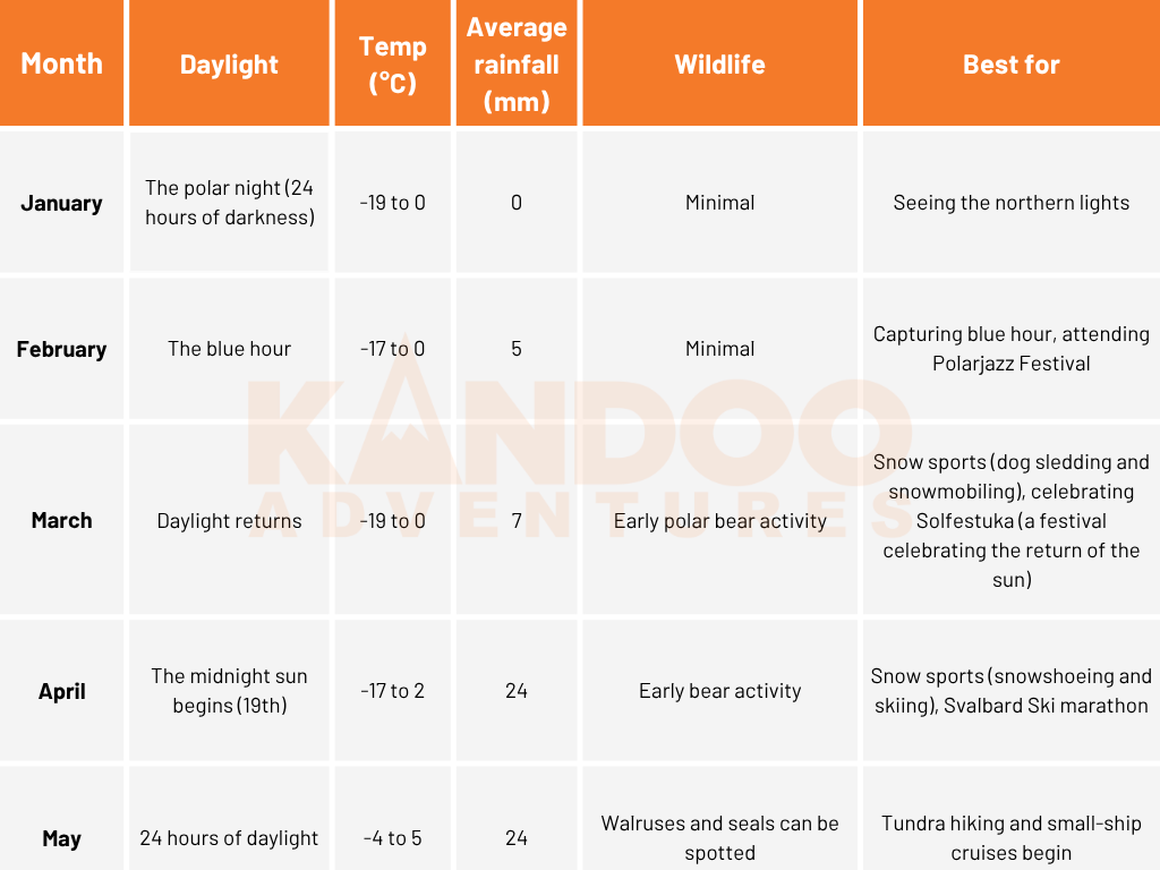
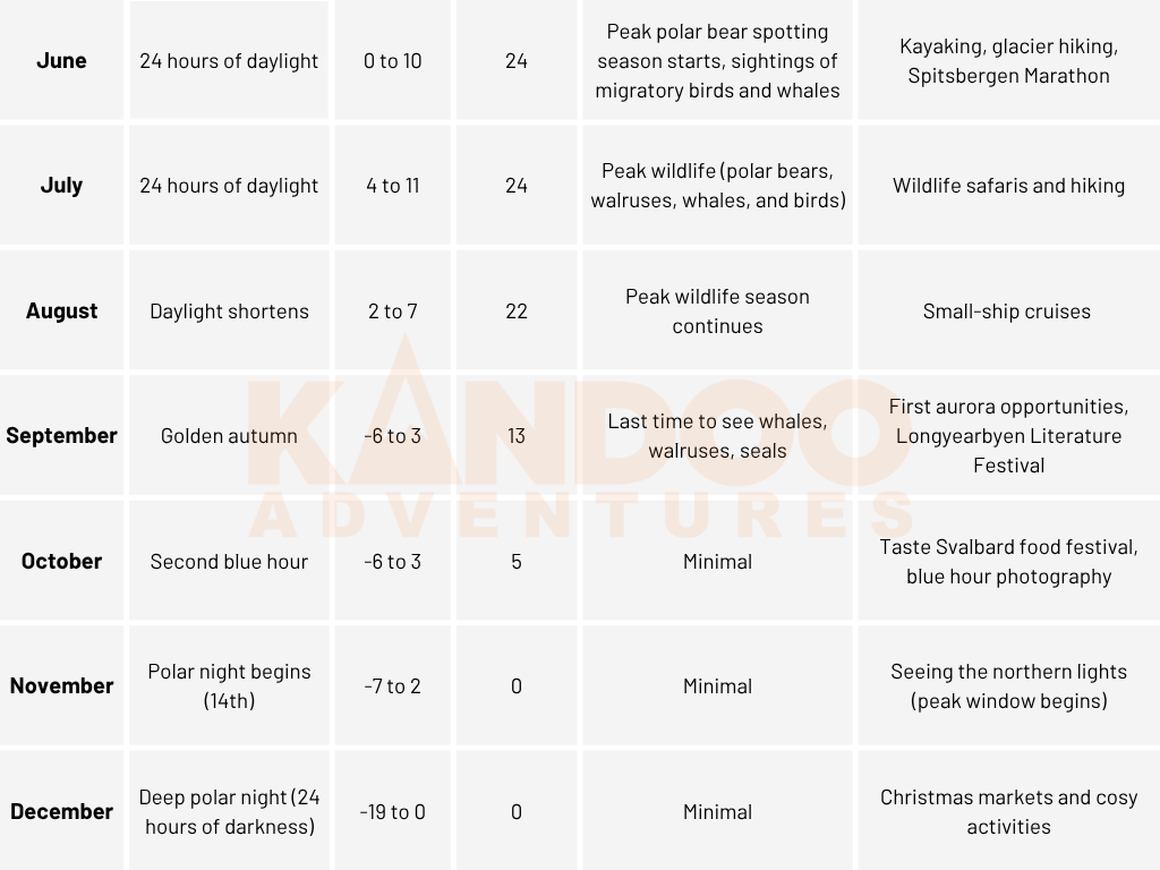
When to visit Svalbard, Norway: A month-by-month overview
The best time to visit Svalbard, Norway, depends on what you’re looking for. Spring is best for snow sports, while winter is the ideal time to see the northern lights.
Here’s a breakdown of what to expect month by month:
Should I visit Svalbard in summer?
Summer is the best time to visit Svalbard if you’re hoping to hike, explore, and spot wildlife. During this season, you’ll experience round-the-clock daylight (known as ‘the midnight sun’), making it ideal for outdoor activities.
In mainland Norway, the midnight sun starts at the end of winter. But in Svalbard? It gets underway earlier, sometimes starting at the end of April and running until August.
Will I see polar bears in Svalbard?
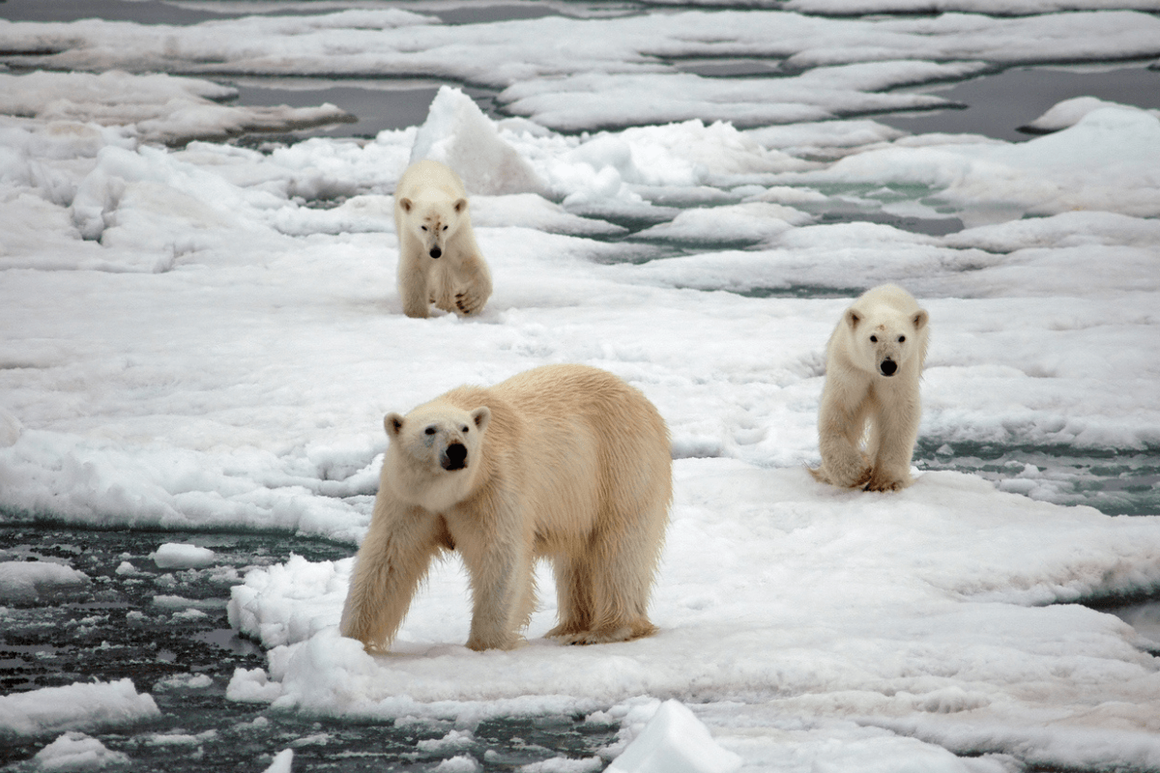
Summer in Svalbard gives you the highest chance of spotting polar bears, but it’s not a guarantee.
Thanks to the slightly warmer temperatures, the melting sea ice gives expedition boats better access to coastlines, where the bears gather to hunt.
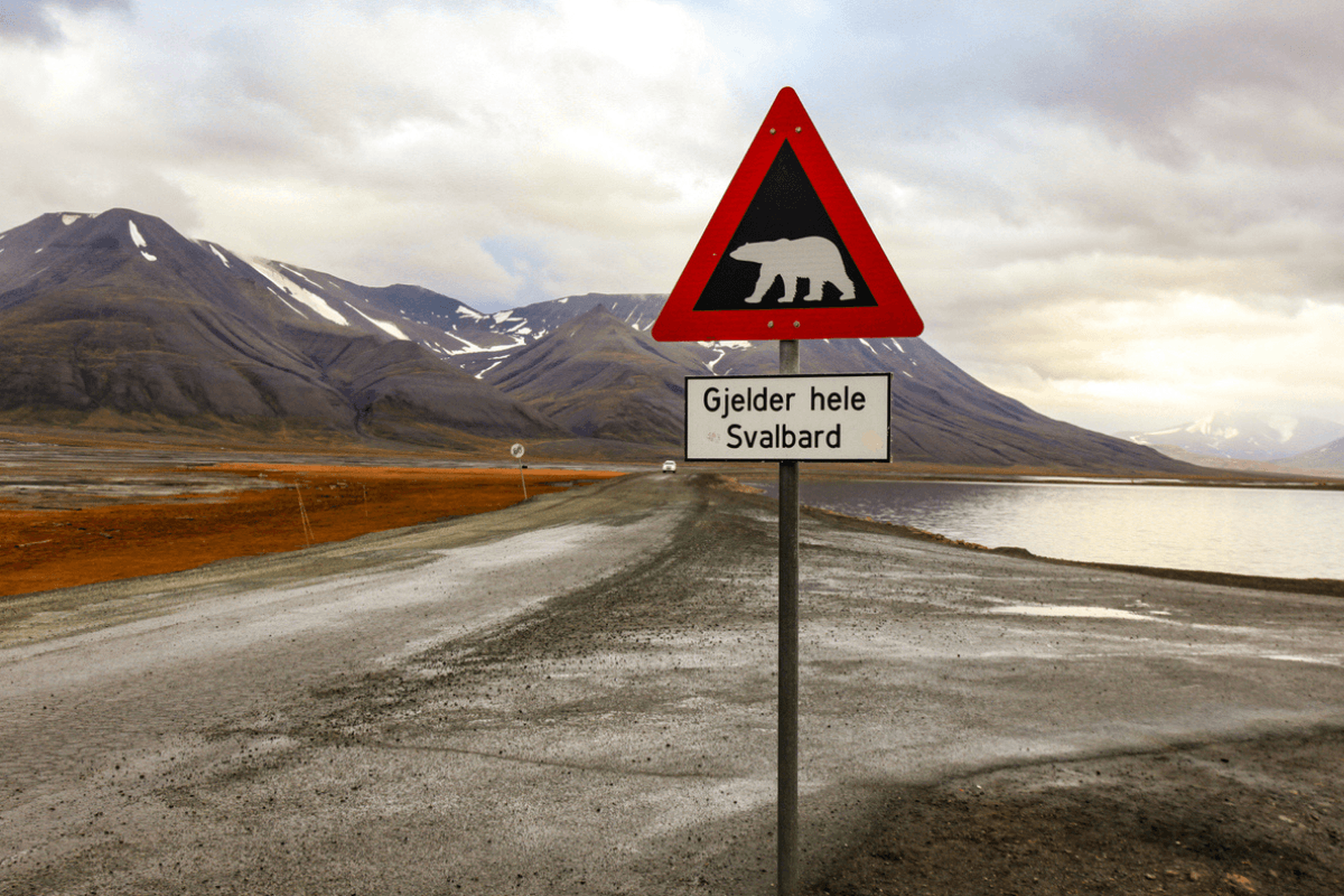
But bear in mind (pun intended!) that even though around 250 polar bears live in Svalbard, there are factors that prevent sightings, including weather and ice levels. Plus, they’re masters of camouflage and they’re roaming a vast landscape.
The longer you stay in Svalbard, the greater your chances of encountering Arctic wildlife. However, polar bear sightings are a rare, valuable experience, rather than a given.
Fortunately, polar bears aren’t the only wildlife to look out for.
There are around 2,500 walruses living in Svalbard, with visibility highest in summer and autumn. Beluga whales are year-round residents, and every summer, migrating species (like minke, fin, and humpback whales) join them.
Best summer activities to do in Svalbard
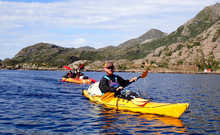
24-hour daylight makes summer in Svalbard ideal for hiking, sea kayaking, and small-ship cruises.
Here are some of the best summer activities to include on your trip:
- Tundra hiking and trekking across ice-free ground
- Glacier hiking (with crampons and ice axes)
- Small-ship cruises (note that the region’s sea ice hits its yearly minimum by September, but full circumnavigation of Spitsbergen is possible by August)
- Wildlife safaris by boat, where you might spot polar bears, walruses, and seals
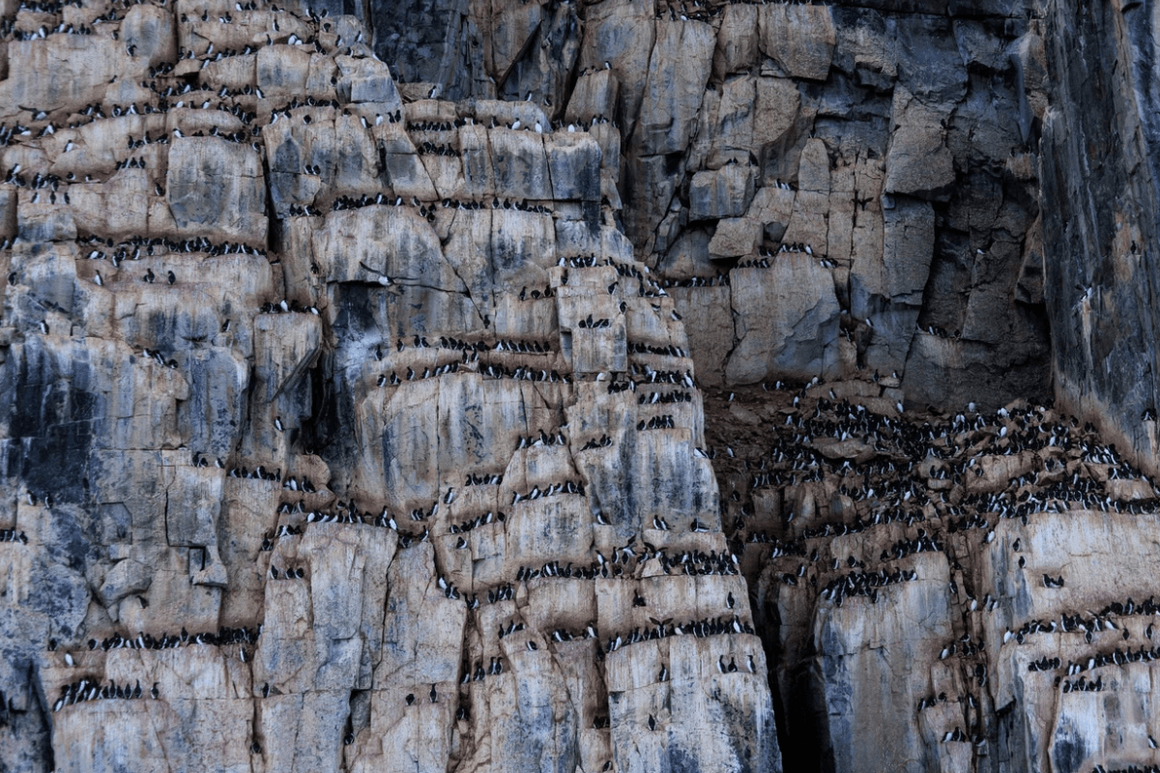
- Birdwatching at seabird cliffs like Alkefjellet, home to kittiwakes and guillemots
- See the Spitsbergen Marathon, the world’s northernmost marathon on firm ground
Please note: Even during peak summer, expect cool temperatures (roughly -4°C to 10°C), so don’t go packing for a beach holiday!
Should I visit Svalbard in autumn?
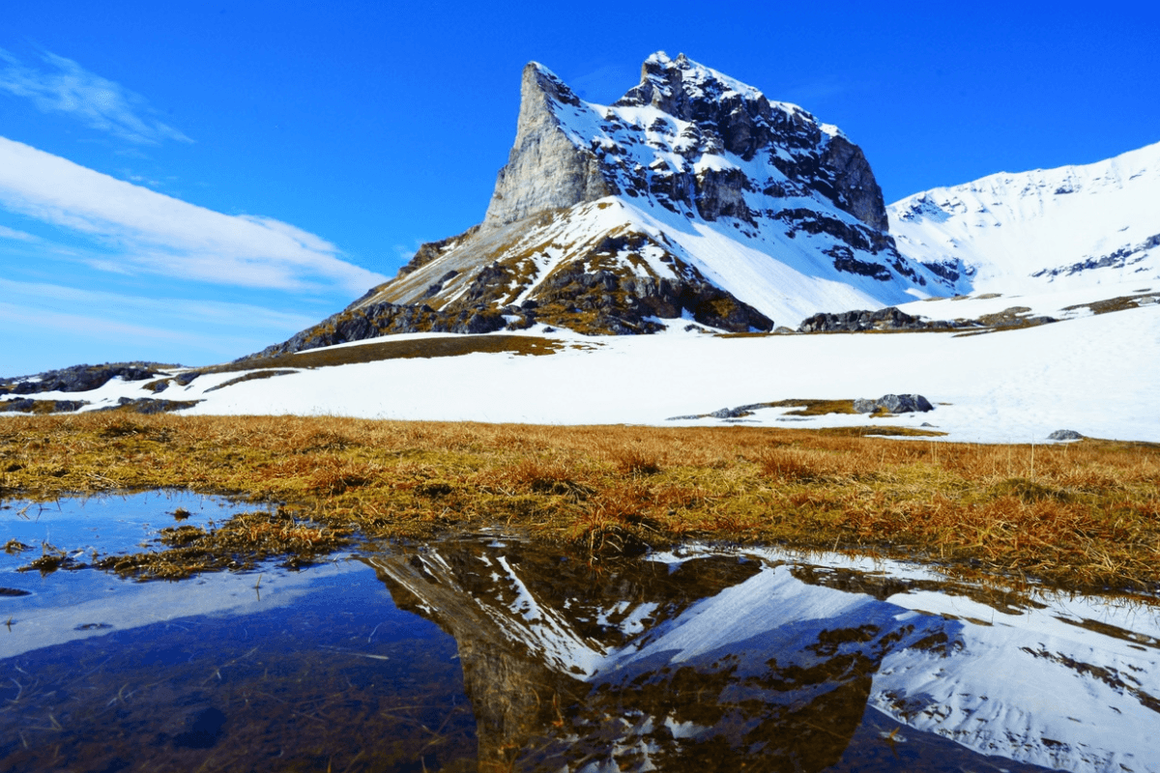
Often nicknamed ‘the golden autumn’, September and October can be the most picturesque months to visit Svalbard. There are also less crowds, making it a quieter, calmer time to explore the region.
Sunrises and sunsets return to the archipelago, and tundra turns vivid shades of red and gold. It’s no surprise that photographers time their trips around this season, the scenery is breathtaking.
Best autumn activities to do in Svalbard
You may want to spend autumn in Svalbard simply admiring the stunning landscape with a camera around your neck. It’s hard not to take photos of the scenery at this time of year! But if you want some other activities in your diary, here’s what you can do:
- Capture the beauty of blue hour, where a brilliant, otherworldly light settles over the mountains
- Catch the first realistic glimpses of the aurora borealis (although this isn’t a guarantee)
- Sample culinary delights at Taste Svalbard, the world’s northernmost food festival
- Enjoy the last hiking opportunities before the temperature plummets
- Visit the Longyearbyen Literature Festival, featuring several well-known Norwegian authors
The temperature in autumn sits around -6°C to 3°C, comfortable enough to spend time outdoors with thermals, hats, and gloves.
Should I visit Svalbard in winter?
You should visit Svalbard in the winter if you want to see the northern lights.
While you may catch a glimpse of the aurora in autumn, your best chances are when Svalbard descends into complete darkness, known as ‘the polar night’. This season officially begins on the 14th of November and concludes on the 29th of January.
The Svalbard northern lights require darkness to be visible. If you’re planning a trip for this reason only, make sure to visit during this time
Fun fact: Although February offers its own special treat: the first blue hour of the year (a window of twilight that happens just before sunrise, casting a deep glow across the sky). Be sure to pack your camera to capture the magic of this phenomenon, when the sun edges back towards the horizon.
Best winter activities to do in Svalbard
Fresh, thick snow makes winter in Svalbard ideal for snow sports. It’s also the perfect time to indulge in the cosy season, celebrate Christmas, and stargaze from outdoor hot tubs.
Here are some of the best things to do in Svalbard during winter:
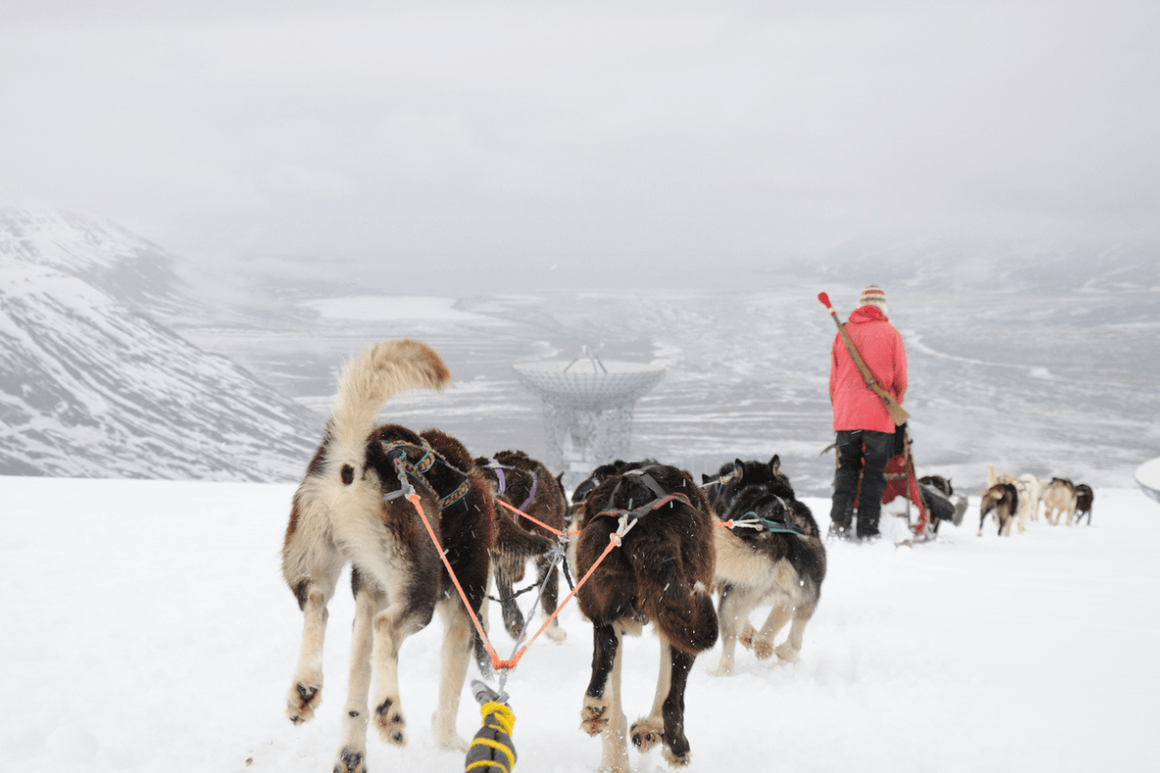
- Sign up for snowmobile or dog sledding tours
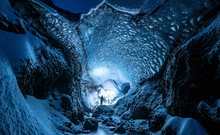
- Visit ice caves beneath the glaciers (with a guide)
- Book a northern lights safari, venturing beyond Longyearbyen to behold more colourful skies
- Explore festive stalls at Christmas markets
- Attend the Polarjazz festival, perfect for music lovers (start of February)
Temperatures sit around -17°C to 3°C during winter, so be sure to pack proper cold-weather gear like thermal base layers, insulated jackets, windproof trousers, and waterproof boots. Head to our full Svalbard recommended equipment list to see what you need when joining a Kandoo trip!
If you’re wanting a trip during this season, here are some of our best winter adventure holidays.
Should I visit Svalbard in spring?
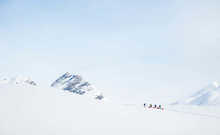
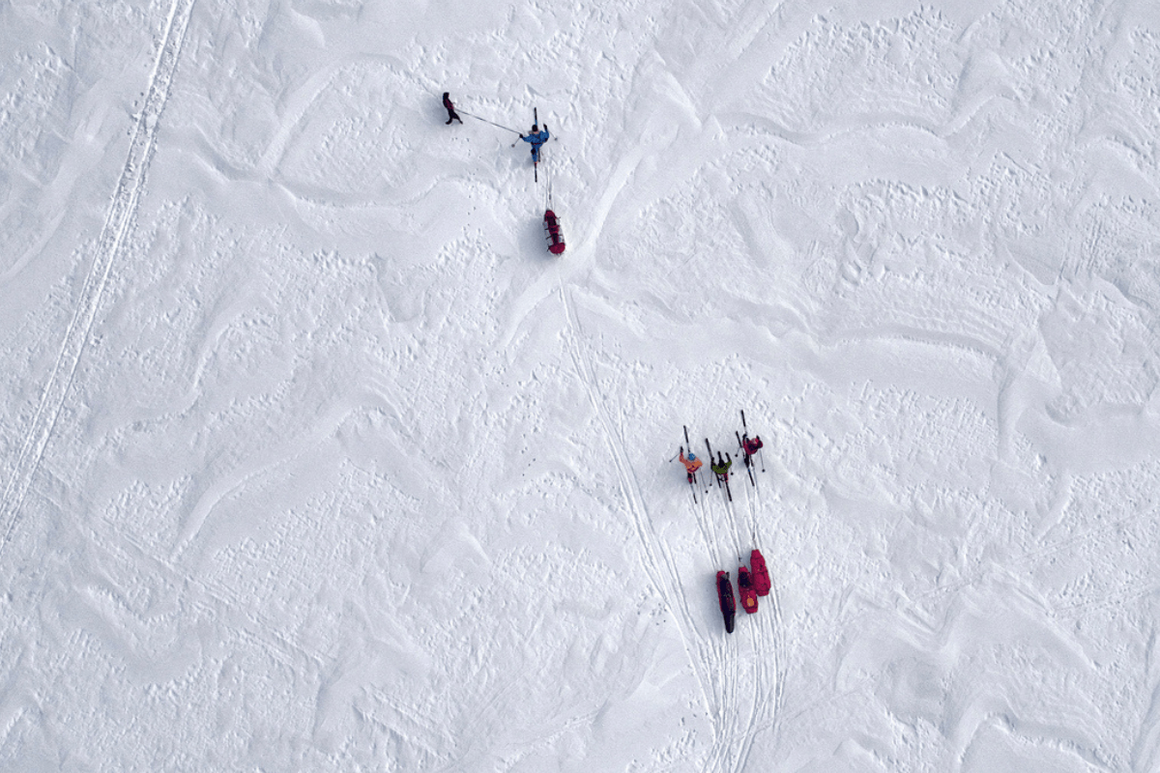
Spring is a fantastic time to go to Svalbard if you want to avoid the darkness of winter, but still have plenty of snow for skiing and snowshoeing.
Known as the ‘Sunny Winter’, spring is also perfect for soaking up magical winter scenes and catching the first glimpses of wildlife.
Spring activities to do in Svalbard
Svalbard hosts lots of events and celebrations in spring, including ski marathons and other snow sporting activities.
Here are some noteworthy mentions if you’re planning a Svalbard trip during this time:
- Go Snowmobiling, dog sledding, and snowshoeing across vast snowfields
- Experience ski tours and glacier hikes offer the best views of snow-filled valleys
- Celebrate the return of the sun during the Solfestuka festival, a full week of games, concerts, and exhibitions at the start of March
- See Svalbard Skimarathon, a cross-country ski marathon
- Witness the arrival of breeding birds to Svalbard (usually in May)
- Capture frozen snowscapes and seascapes, lit by stunning sunsets and sunrises
- Compete for the first polar bear sightings as mating season brings cubs and mothers out of their dens (they emerge in March or April once cubs are strong enough to survive in Arctic conditions)
Although the light returns, spring can be colder than the winter in Svalbard. Expect temperatures of -19°C to 5°C.
Planning a trip to Svalbard? Here’s how we can help
Svalbard isn’t a destination you can wing. Flights are limited, the ideal adventure season is short, and being in polar bear country means you can’t simply wander off on your own. Add in fast-changing weather, sea ice, and other logistics, and DIY planning quickly turns into a headache.
That’s where we come in. We know the archipelago inside out, so we handle the logistics, permits, routes, and safety briefings. All you have to do is turn up and go on the adventure without any of the stress of piecing it together yourself.
Here are some of our expeditions in Svalbard:
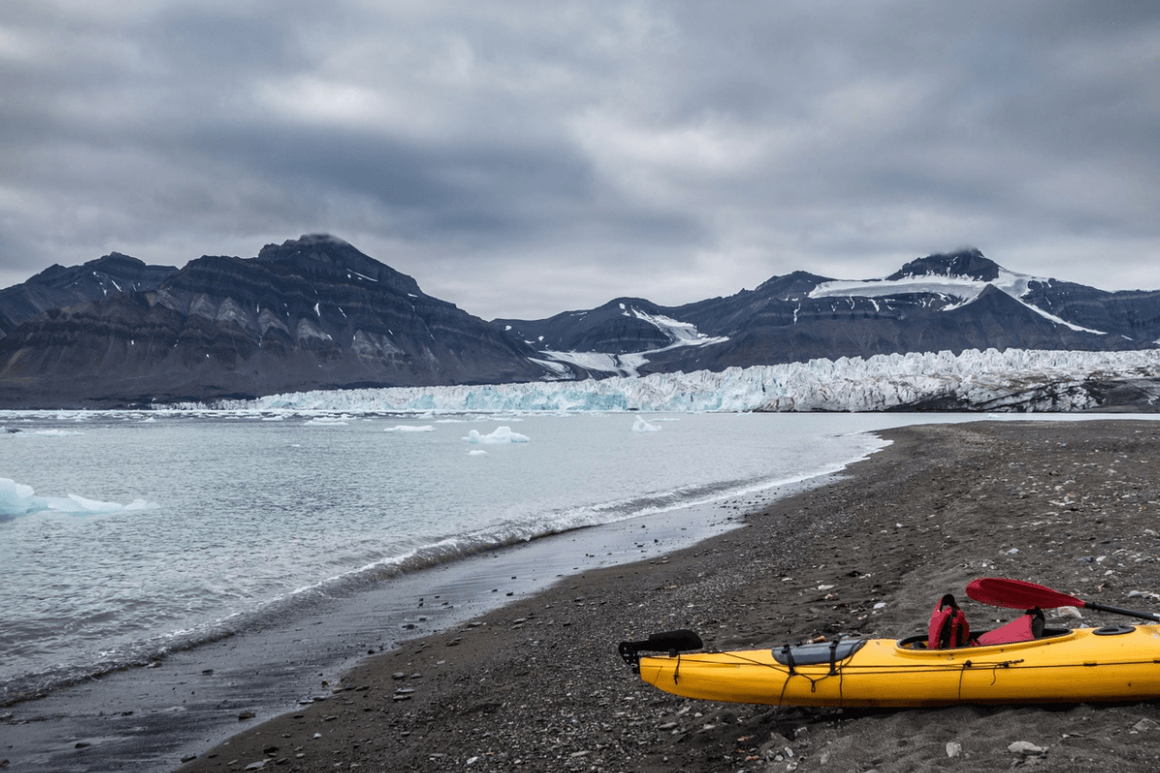
- Kayak and Hike in Svalbard pairs sea kayaking in Ymerbukta Bay with a glacier hike across Esmark Glacier. We’ll also take turns sitting and watching for polar bears.
- The Arctic Fjord Kayak Adventure includes roughly 60km through the glacial waters of Billefjorden. We often encounter reindeer, Arctic foxes, and beluga whales along the way.
- Kandoo’s Snowshoeing from Longyearbyen adventure falls slightly earlier (1st April). You’ll trek across Longyearbyen, summit Trollsteinen, and wild camp in one of the most untouched places on Earth.
For a longer, more immersive experience, the Five Glaciers Expedition is the perfect option. This 11-day excursion is the best way to take in the beauty of Svalbard’s fjords and glaciers, getting as close to the North Pole as most people will ever go.
Here are a few trip highlights:
- Kayak across Svea Bay, among seals, whales, and walruses
- See Svea Glacier and Wahlenbergbreen
- Hike across the moors of Boheman Cape, where the wild reindeer roam
- Paddle across Bore Bay, home to Bore Glacier and Nansen Glacier, as well as the walrus colony
Experience the adventure of Svalbard with Kandoo Adventures
Whenever you go, you’ll experience a slightly different version of Svalbard. The polar night is the time to go if you’re after vivid views of the aurora. However, the summer months are ideal for outdoor activities and spotting polar bears.
Ready to plan your Svalbard trip? Explore our full range of Svalbard expedition tours, from kayaking in Billefjorden to scaling the Esmark Glacier.
If you have any questions about what’s included, or you want to discuss your suitability for this trip, get in touch with our team today.