Everything you need to know about a Serengeti African safari
The Serengeti is world famous as the ultimate safari destination. Think roaming herds and large predators, endless plains, and diverse ecosystems. While you may well have heard of it, planning an awesome Serengeti trip requires some serious planning.
This guide breaks down what a Serengeti safari experience is really like. We look at where to stay, what wildlife to expect, the best times to visit, and how to plan the right safari for your travel style.
Where is Serengeti National Park, and why is it famous?
Serengeti National Park is a protected area spanning approximately 15,000 sq km (5,800 sq miles) in the north of Tanzania, East Africa. The Serengeti meets the Kenyan border, joining the Masai Mara and creating a natural wildlife corridor through which millions of animals pass every year.
The Serengeti is famously home of the Great Migration – a natural spectacle where millions of antelope, wildebeest, zebra and gazelle follow the seasonal rains looking for grazing and water. This perpetual clockwise migration is followed by large predators who prey on the calves of migrating mammals.
Owing to its important and biologically significant ecosystems, the Serengeti National Park is a UNESCO World Heritage Site. As the largest remaining unaltered animal migration, the park is renowned for its outstanding natural beauty and exceptional wildlife diversity.
Its heritage status, and the fact you can find the Big Five here, are why the Serengeti is the perfect African safari destination.
What is a Serengeti safari like?
A Serengeti safari tour in Tanzania is a unique experience. Unless you’ve travelled extensively in Africa, visiting the Serengeti will blow you away. No two days are the same and driving through the park spotting wildlife is totally surreal.
Let’s take a closer look at exactly what to expect from your Serengeti experience.
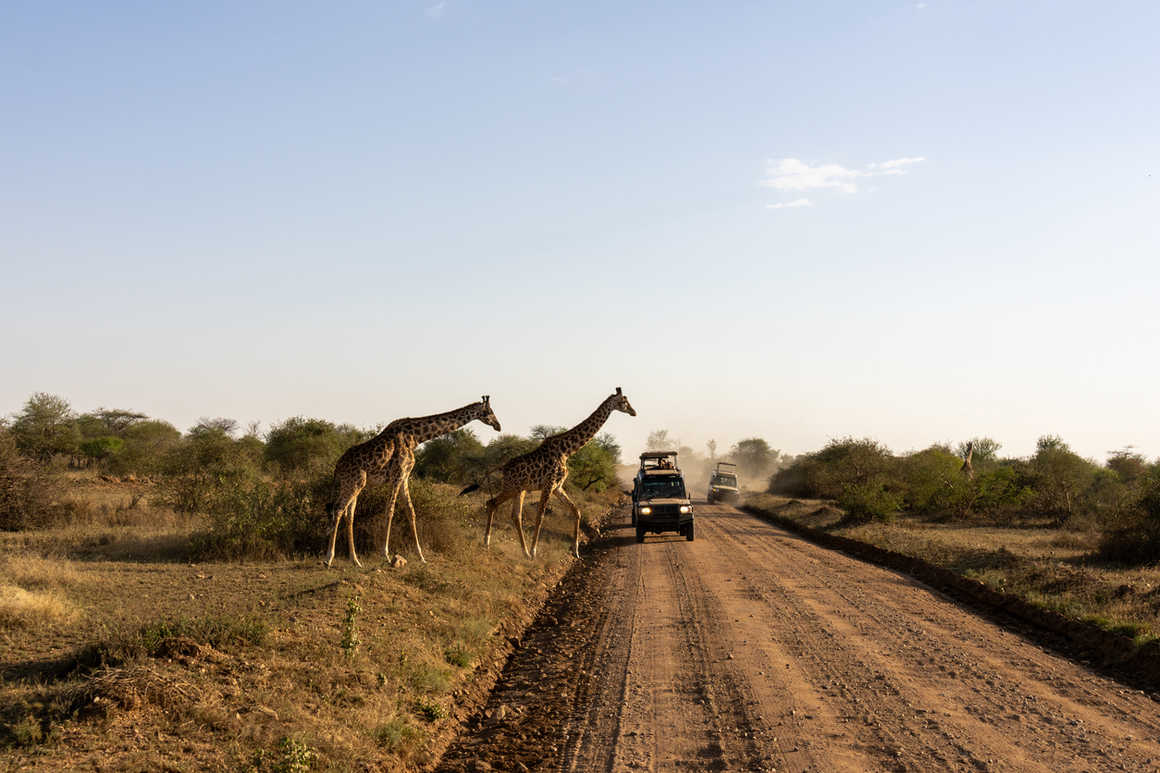
Serengeti National Park
- Early morning game drives get on the road before 6am. Dawn is the best time to spot wildlife around watering holes before they seek shade during the heat of the day.
- Late morning you’ll usually arrive back at your lodge for lunch and a siesta. Spend the hot midday hours in a hammock in the shade, swim in the pool, or find a shady spot to read.
- Late afternoon game drives head out around 4pm, typically taking a different route to the morning game drive so you can explore more territories.
- Sundowners are a particular highlight of safari life in the Serengeti. A cold drink somewhere stunning as the sun goes down is a special experience.
- Dinner is often candlelit and occasionally served under the stars. Don’t forget the insect repellent!
Game drives in the Serengeti
If you haven’t been on a game drive before then you’re in for a treat.
On a Kandoo Safari, the vehicles have a pop-top and windows that open, with raised seats for the best viewing opportunities.
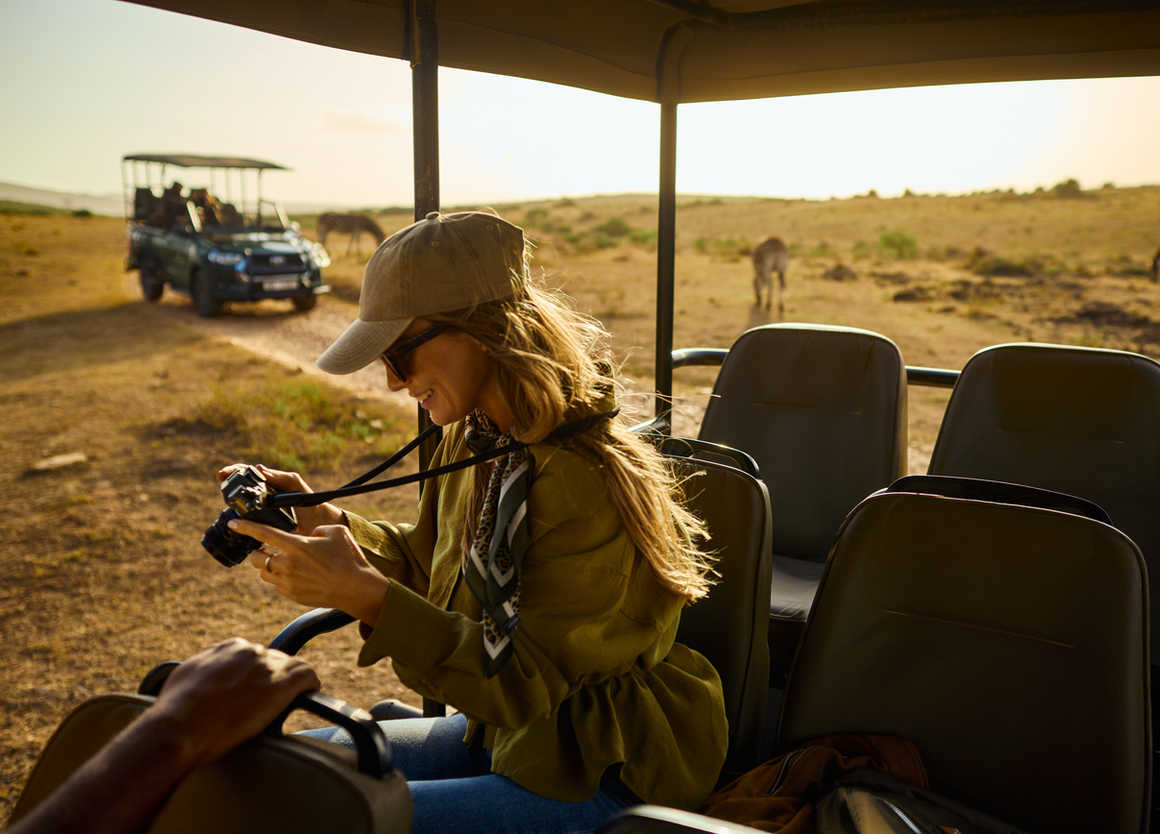
Binoculars are essential for spotting wildlife from afar.
We suggest you also bring the following:
- Light, loose clothing
- A wide-brimmed hat
- Insect repellent
- Sunscreen
- Plenty of water
Game drives are either private or shared. Private game drives have a dedicated guide who will steer you to the best places to spot big game. Shared game drives are more cost-effectivebut have more people in the vehicle with you.
If it’s your first time visiting the Serengeti, we’d recommend opting for private game drives for a truly memorable experience.
And don’t worry – your vehicle will maintain a safe distance from predators.
Serengeti Scenery
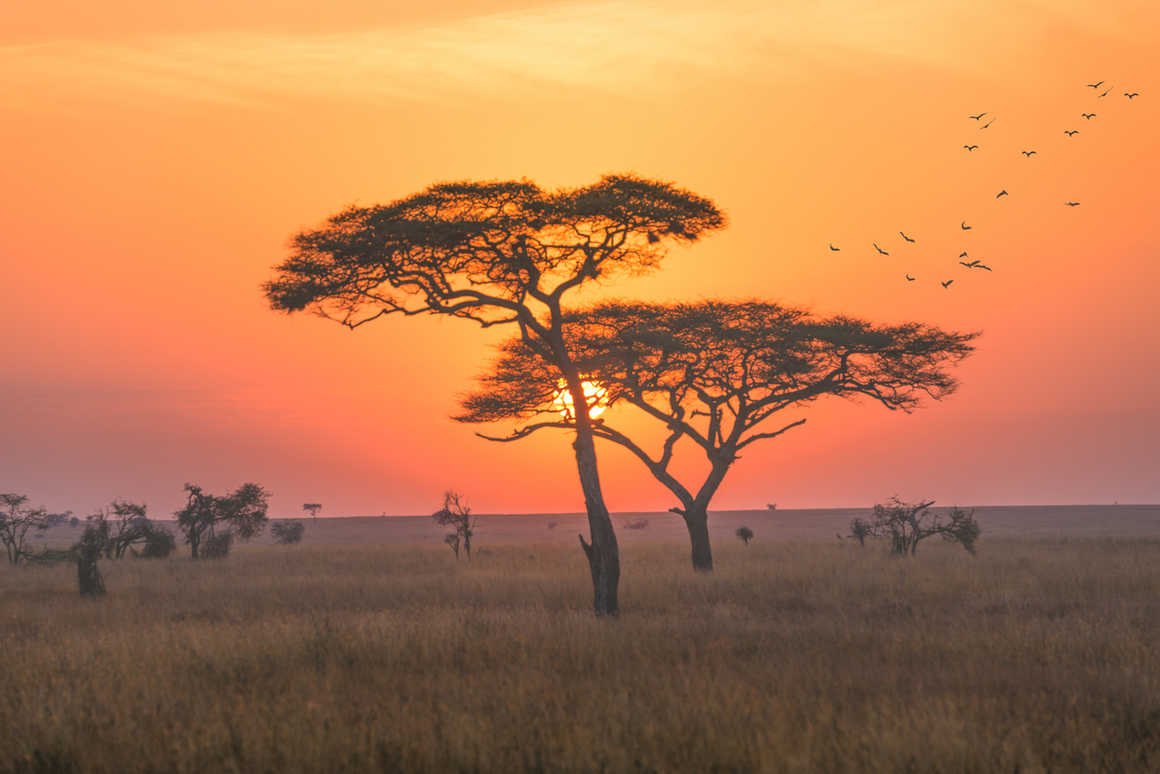
The Serengeti scenery is out of this world. Seemingly endless savannah is covered in long grass and rich red earth. Acacia and baobab trees dot the plains, shading and feeding animals away from the sun.
Wildlife can be found congregating around watering holes, and crocodile and hippo infested waters. Depending on the season, these watering holes will either be wide and full, or muddy and dry.
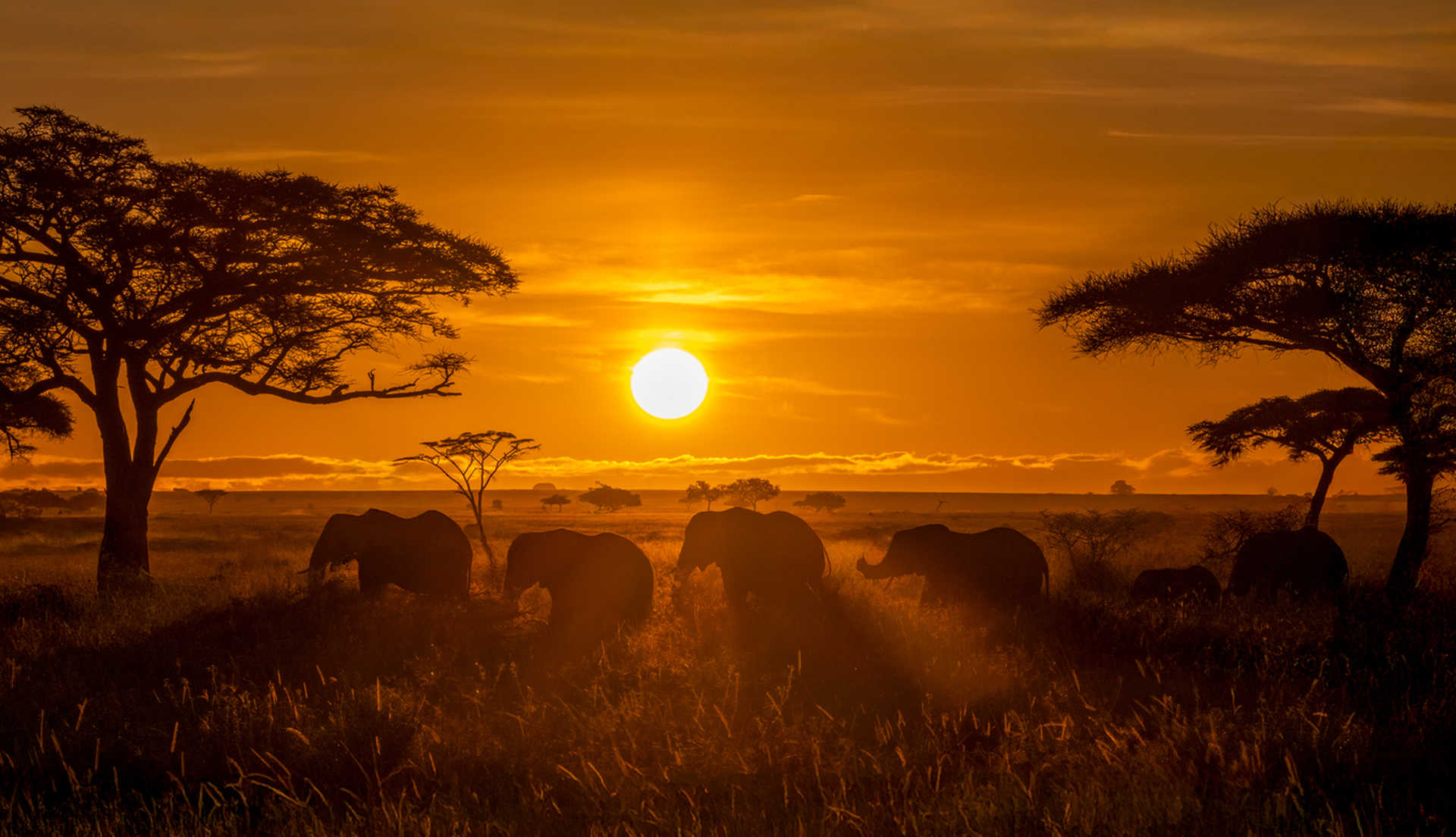
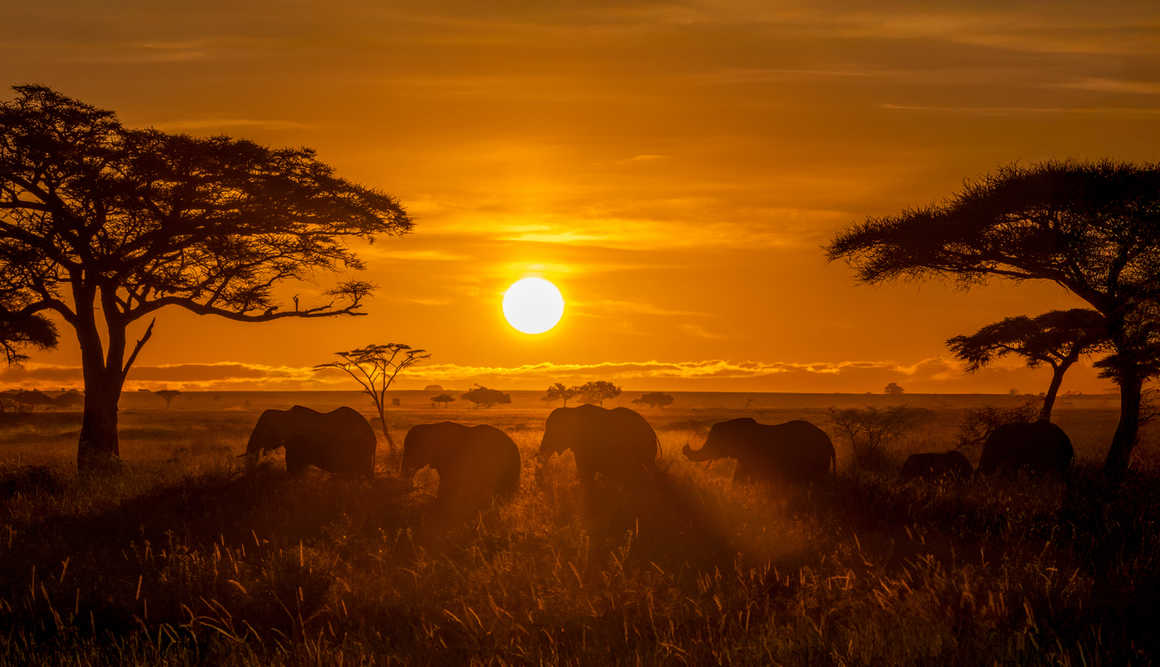
As the sun rises and sets across these iconic landscapes, the light changes from black to pink, orange, red, and gold, drenching the land in vibrant colours. Game drives around dawn and dusk are the best times to find the local inhabitants at their most prolific.
What to expect from a Serengeti safari
- Days begin early! Avoid staying up late to make the most of your experience.
- Travel distances can be long. Expect to spend 4-6 hours in a vehicle some days.
- Wildlife can be unpredictable. Spotting everything you want is not guaranteed. Speak to your guide about what to expect and where to go to spot specific animals.
- Luxury levels will differ between lodges. Rustic charm is part of the appeal of life in the bush.
- It’s noisy! The dawn chorus is an experience in itself, but if it isn’t the birds, the insects will keep you up. The cicadas create a buzz that can be hard to get used to.
- During the dry season it can get very dusty. Consider bringing a face mask if you suffer from hay fever or asthma.
What to expect from a Serengeti safari lodge
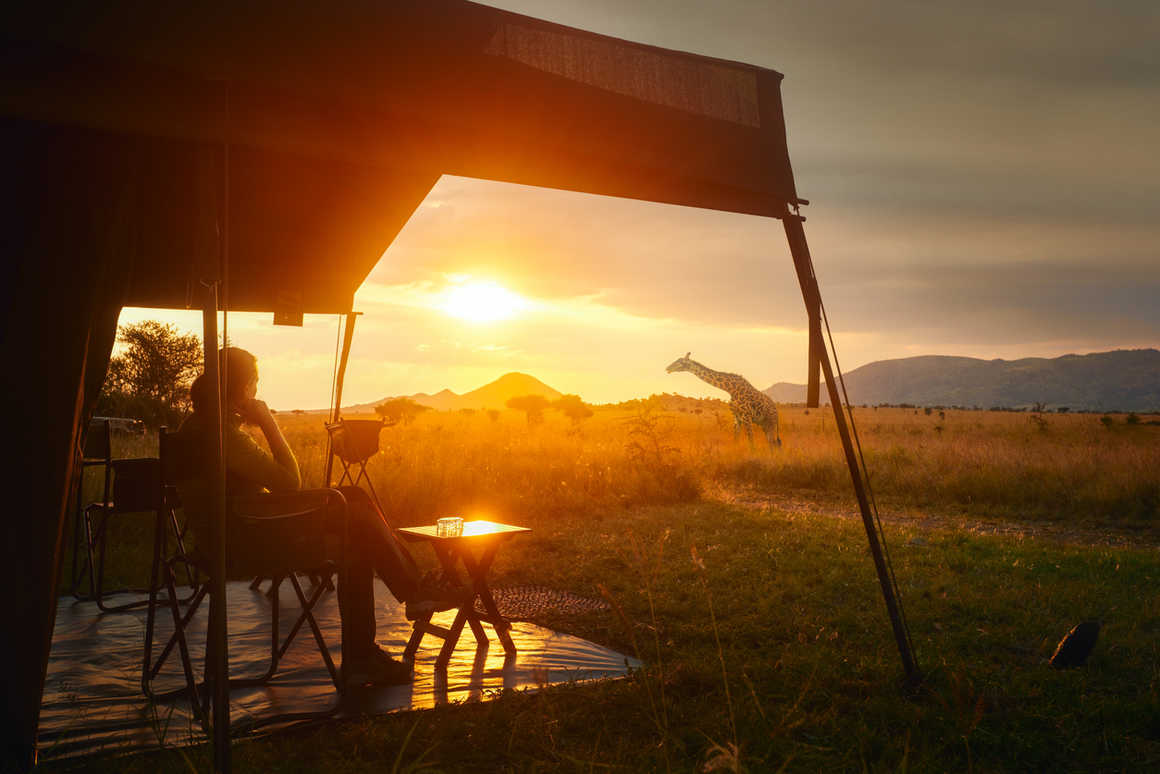
A safari lodge is the accommodation within a safari destination, but doesn’t necessarily conform to a traditional interpretation of a “lodge”.
Lodges in East Africa usually have a main communal area, sometimes several different ones, with sleeping accommodation in detached tents or bandas.
A banda is a traditional cabin or bungalow with a thatched or palm leaf-roof.
Safari tents are made from thick canvas walls with a wooden frame, providing a roof over the top. A bathroom is attached to the back of the tent and may be open-air or under the thatched roof, sometimes with hot water and sometimes not. All beds will have mosquito nets and rooms can be surprisingly luxurious.
There will likely be a private fixed decked area outside with shaded seating for relaxing and unwinding in the hot sun. Higher-end safari lodges sometimes have private plunge pools or hot tubs, although water scarcity means these aren’t as common in Tanzania as other countries.
Most safari lodges are set up like this. You have your own detached tent or banda for sleeping and eat your meals in a shaded communal dining area. Coffee is served before dawn with light refreshments for those heading out early. Restaurants may have an a la carte menu or have a fixed menu for the day. You won’t find many buffet-style meals as food spoils quickly in the heat.
Planning restrictions within the park are strict to ensure minimal impact on the land and ecosystems. Safari accommodation built in this way is semi-permanent but still offers visitors all the facilities and comforts they require.
Side note: Depending on your Serengeti itinerary, you’ll either stay outside the park in Tanzanian towns or within the national park in safari lodges or tented camps.
Serengeti safari camps vs lodges - what is the difference?
In all honesty – not a lot! The terms safari lodges and safari camps are often used interchangeably.
Owing to the strict rules around development in the national park, accommodation needs to be:
- Semi-permanent
- Made from non-traditional materials, such as canvas and timber
- Have stilted foundations
Safari lodges will have a central communal area with a reception desk, dining tables, and relaxed shaded seating. This is often open-sided to take advantage of the stunning scenery.
Bedrooms are usually detached structures made from wood and canvas – akin to tents but much more robust. Ensuite bathrooms, attached to tented rooms, are made from low stone walls with fencing above and open-air showers, usually with hot water.
Tented camps are found in more remote areas, although some safari lodges have tented accommodation, confusingly.
Tented camps are a collection of safari tents with a central mess tent, or covered communal area to eat in. Less permanent than safari lodges, tented camps may move with the migration and have a lower impact on the landscape than safari lodge accommodation. Expect composting toilets, limited hot water, and smaller sleeping quarters in a tented camp.
Fun fact: It’s unusual to find a multi-storey hotel or lodge within the national park unless it’s an older building and therefore exempt from newer planning restrictions.
What wildlife can you see on a Serengeti safari?
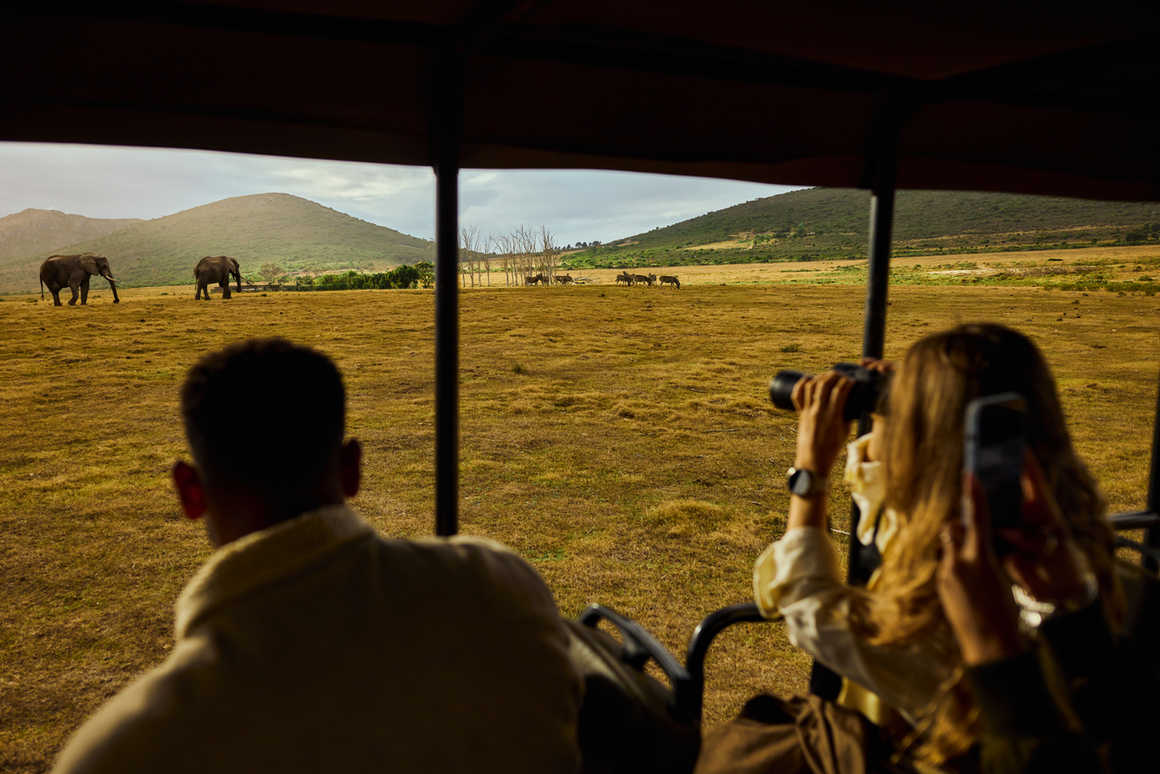
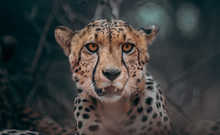
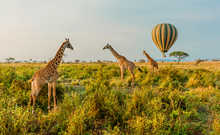
The Serengeti is iconic for its wildlife. Not only can you spot the Big Five – lions, leopards, buffalo, rhino and elephants – but the following are often found across the plains.
- Giraffe
- Zebra
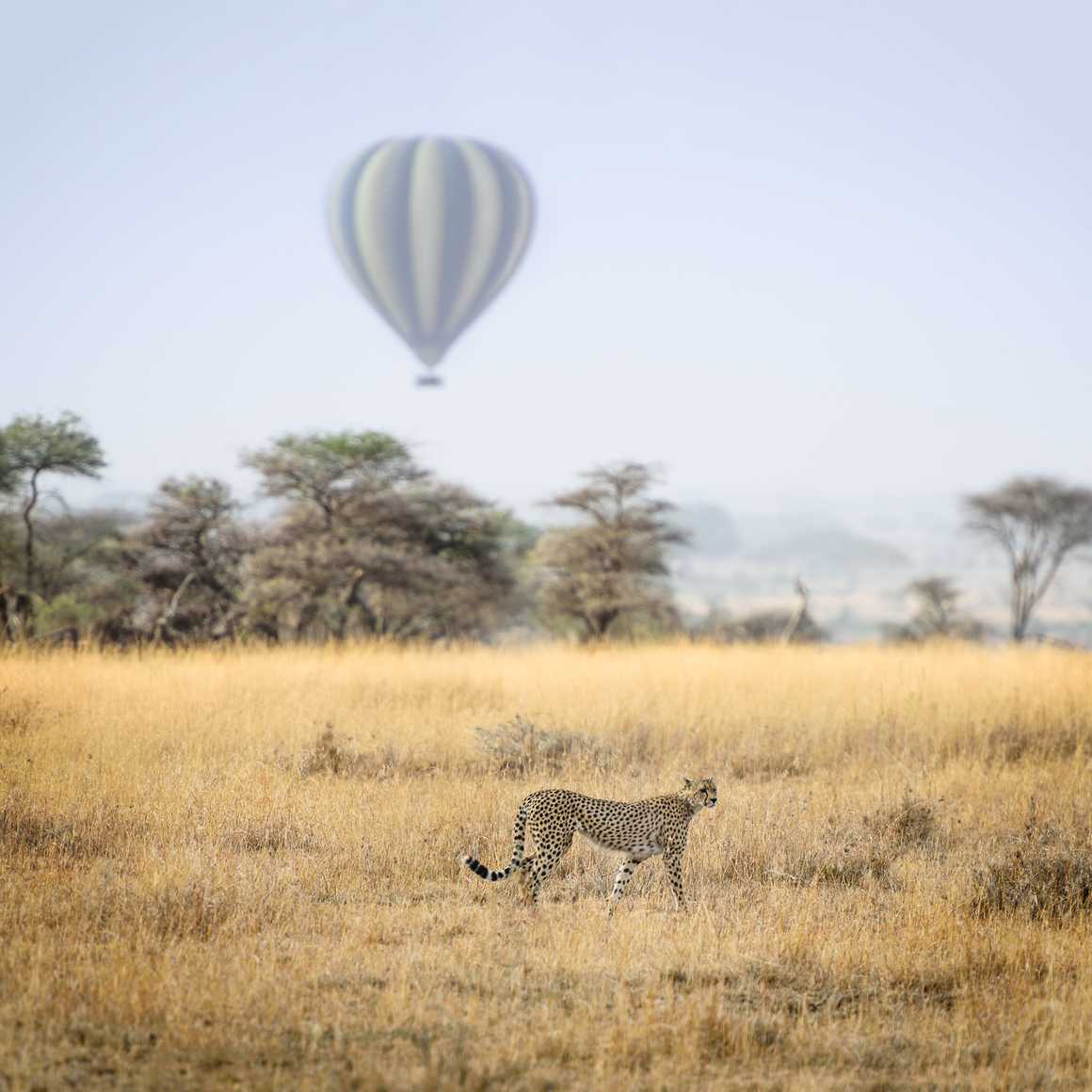
- Cheetah
- Spotted hyena and wild dogs
- Hippo
- Crocodile
- Vultures
- Herbivores like gazelle, impala, Topi, eland, waterbuck
- Ostrich
- Over 500 species of bird
Predatory animals follow the Great Migration preying on the young as they follow the rains that sweep across the plains.
FAQs about a Serengeti safari experience
What is the best time to visit the Serengeti for a safari?
Tanzania experiences two wet seasons during the year. The short rains begin in November and last until early December, and the longer rainy season begins in March and can last until June.
The rains are monsoonal so instead of constant downpour, they arrive dramatically, soak everything in their path and recede just as quickly. This happens daily and while it won’t stop you visiting, lush vegetation means wildlife can be harder to spot. It also means it’s likely you’ll get very wet at some point!
Visit in January or February for quieter national parks, warm climate, less rain and cheaper prices. June, September and October are also beautiful times to enjoy a Serengeti safari outside of the busy peak months of July and August.
How much does a Serengeti safari cost?
A Serengeti safari is rarely booked as a standalone experience. With so many incredible national parks in Tanzania, Mount Kilimanjaro and Zanzibar all within a shortish distance, most travellers opt to explore more of the country during their visit.
For an 11-day Tanzanian safari adventure with Kandoo, we charge £3,700 or $4,900. An itinerary like this includes:
- 4 different national parks (plus 4 nights in Zanzibar)
- All accommodation
- Most of your meals
- All transport
- Park entry fees
- Game drives
We’d recommend spending 2-3 nights in the Serengeti to explore the highlights before visiting the Ngorongoro Conservation Area (3 hours drive away), Lake Manyara (a further 1.5 hrs drive away) and Tarangire (2 hrs further overland). Each offers different scenery, wildlife, and safari experiences and shouldn’t be missed on your visit to the Serengeti.
Is the Serengeti ideal for a honeymoon safari?
Yes! A safari honeymoon is perfect for couples who enjoy experience-based travel over more traditional beach holidays. Sharing exciting game drives, candlelit dinners, and dramatic sundowners makes for a very romantic and unforgettable honeymoon.
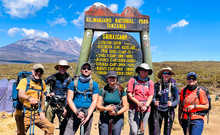
More active couples who fancy a challenge can climb Kilimanjaro before heading to the Serengeti to rest tired legs. Alternatively, add a beach getaway to your honeymoon safari and spend some time on the white sandy beaches of a tropical Indian Ocean island before you head back to normality.
Visit the Serengeti with Kandoo Adventures
The travel experts at Kandoo HQ have all visited Tanzania to climb Kilimanjaro. Each has enjoyed a Serengeti safari afterwards to experience the magic of this unique national park, and none have been disappointed. It’s a truly breathtaking place.
Whether you’re visiting Tanzania to conquer Mount Kilimanjaro or not, no visit is complete without a Serengeti safari. With an excellent local team and almost two decades of experience guiding travellers around Tanzania, Kandoo safaris are out of this world.
Talk to the team about your safari in the Serengeti today.