

Why do you need specific clothes for a safari?
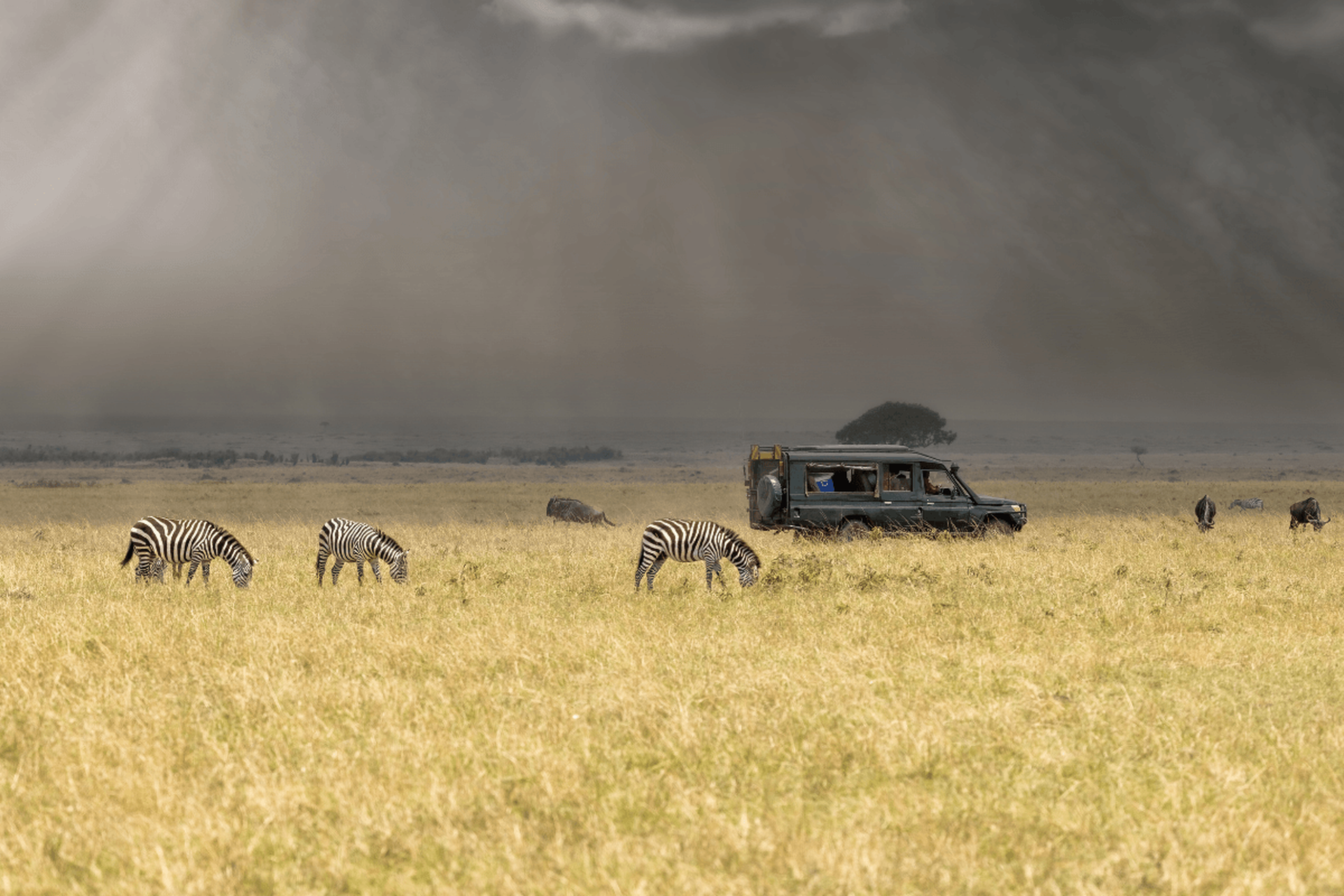
Early mornings on an African safari are surprisingly cold, and afternoons are hot, dusty, and windy. You need safari clothes that withstand these extremes.
But what does that mean? What clothes do you actually need on safari, and why? In this guide, we cover:
- What safari clothes are for
- Safari colours and fabrics - what and why
- What clothes to actually bring, including a safari packing list
- Which clothes to leave at homeHow to pack for safari for add-ons like gorilla trekking and Zanzibar beaches
What safari clothes are actually for
Good safari clothes are about staying comfortable and protecting your skin. This needs to be from the first game drive of the morning to dinner back at camp.
Cold mornings and evenings, strong sun, dust, and insects are all part of the experience on a safari. The best safari outfits are usually the ones you forget about completely - because they’re doing their job.
Focus on safari clothes that can:
- Keep you cool during hot afternoons
- Add warmth during chilly early morning drives
- Protect your skin from strong sun and insects
- Handle dust and repeated wear
- Move comfortably during walks or transfers
- Layer easily as temperatures change throughout the day
Lightweight fabrics, relaxed layers, and practical footwear matter far more than archetypal style safari outfits. In reality, most travellers end up rotating the same few comfortable, functional pieces throughout their trip.
Safari colours for clothes - what’s best?
We’ve talked about the functionality of safari clothes, but what are the best colours to wear on safari? When considering what to pack for a safari, you might think you need a suitcase full of khaki, but this isn’t necessarily the case. Here are some simple pointers for the best safari colours:
Neutral clothes work best for a safari
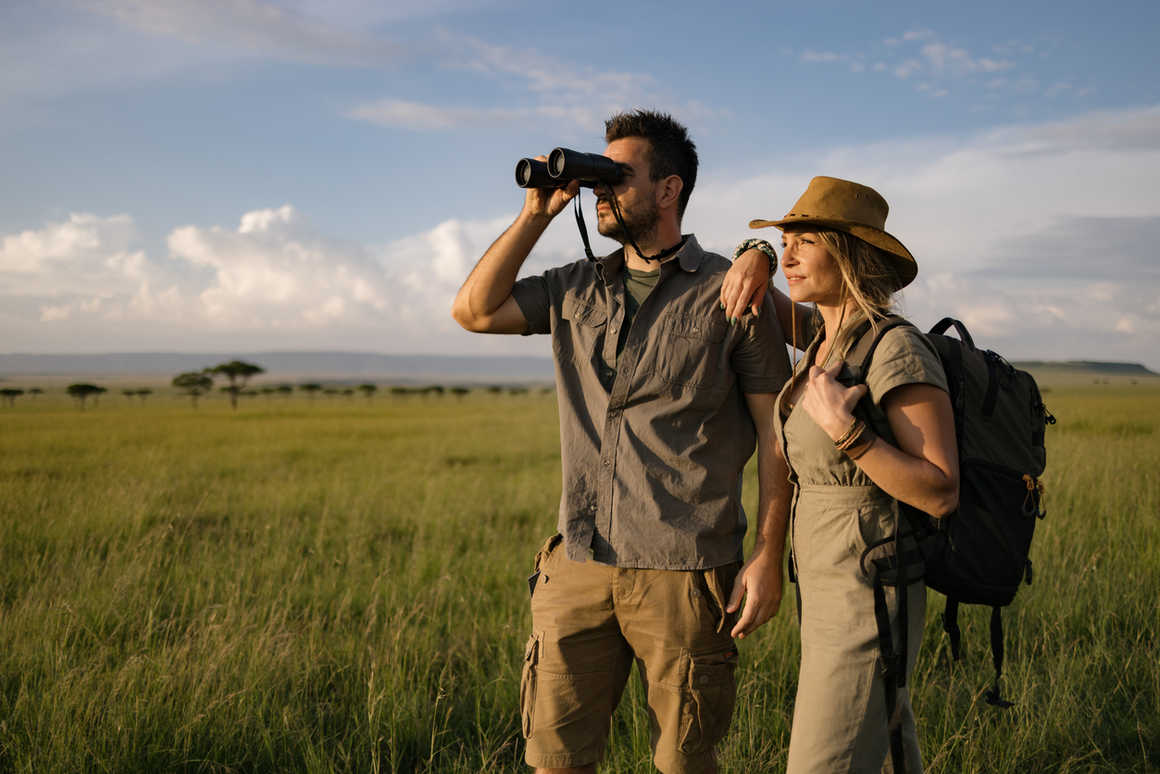
Soft neutrals such as beige, olive, and muted greens blend into the landscape and won’t startle wildlife. These colours are also easy to mix and match, making it simple to create a safari capsule wardrobe.
Avoid clothing in bright colours, black, and blue on safari
Bright reds, oranges, or blues can stand out in the bush and make you more visible to wildlife. Dark colours attract insects like tsetse flies. Additionally, white is completely impractical as it shows dust and stains quickly. Black should ideally be avoided as it absorbs heat, making it less comfortable on hot afternoons.
Don’t stress over clothing perfection on safari
You don’t need a safari uniform. Choose clothes in breathable fabrics and neutral shades that prioritise practicality and comfort, then colour.
Safari clothes from day to night
You might wonder whether you need a separate wardrobe for evenings on a safari. The good news? Safari clothing is versatile enough to take you from sunrise game drives to sundowners and dinner without a full outfit change.
What to wear on safari in the daytime
For daytime game drives, focus on:
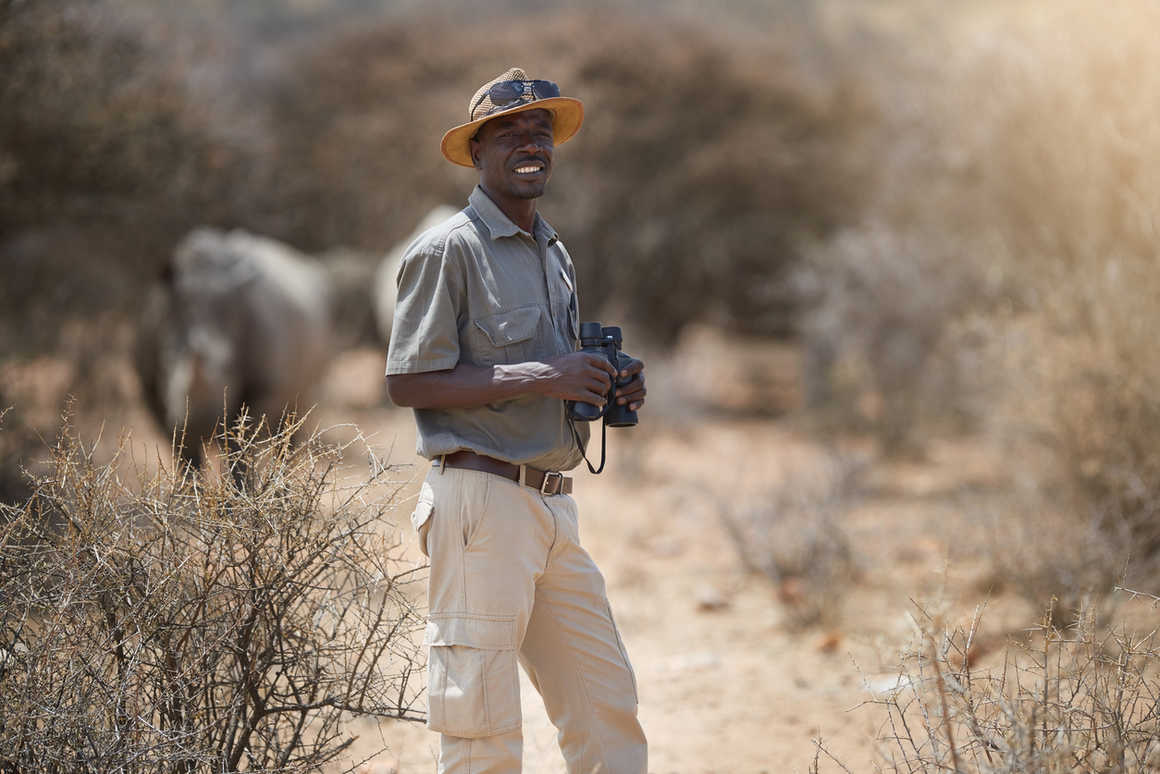
- Breathable tops. Lightweight merino wool or technical polyester T-shirts and long-sleeve shirts that wick sweat and protect from the sun.
- Layering pieces. A light fleece or merino pullover for chilly early mornings, plus a packable windbreaker for wind or light rain.
- Trousers and shorts. Convertible trousers that zip off into shorts are perfect for adapting to temperature changes on safari; breathable cotton or quick-dry travel trousers work well, too.
What to wear on safari in the evening
Contrary to what you might think, most safari lodges are informal. But if you like to tidy up your look slightly for dinner, the following items can help:
- Lightweight merino sweaters or simple smart/casual tops that work with any bottoms
- Loose linen trousers, a maxi skirt or a jersey jumpsuit
- Scarves and simple jewellery can add a polished touch without taking up lots of baggage space
Nightwear on safari: what to pack for sleeping comfortably
Nights at safari lodges can vary from cool to warm depending on location, season, and altitude. Here are some guidelines:
- Chilly nights: Bring lightweight long-sleeve pyjamas plus a thin jumper or fleece. Colder nighttime temperatures are more common in higher-altitude camps or during the dry season.
- Warm nights: A vest or T-shirt with shorts is usually enough, especially at coastal or lowland lodges.
- Layerable approach: One set of lightweight pyjamas plus a thin jumper covers most conditions. You can add or remove layers as needed.
- Extra comfort: Lodges usually provide blankets, but having your own soft layer ensures a cosy night - especially if you know you run cold.
Decision tip: Nighttime temperatures can vary significantly, so check these with your safari provider before packing.
A few extra safari clothing tips
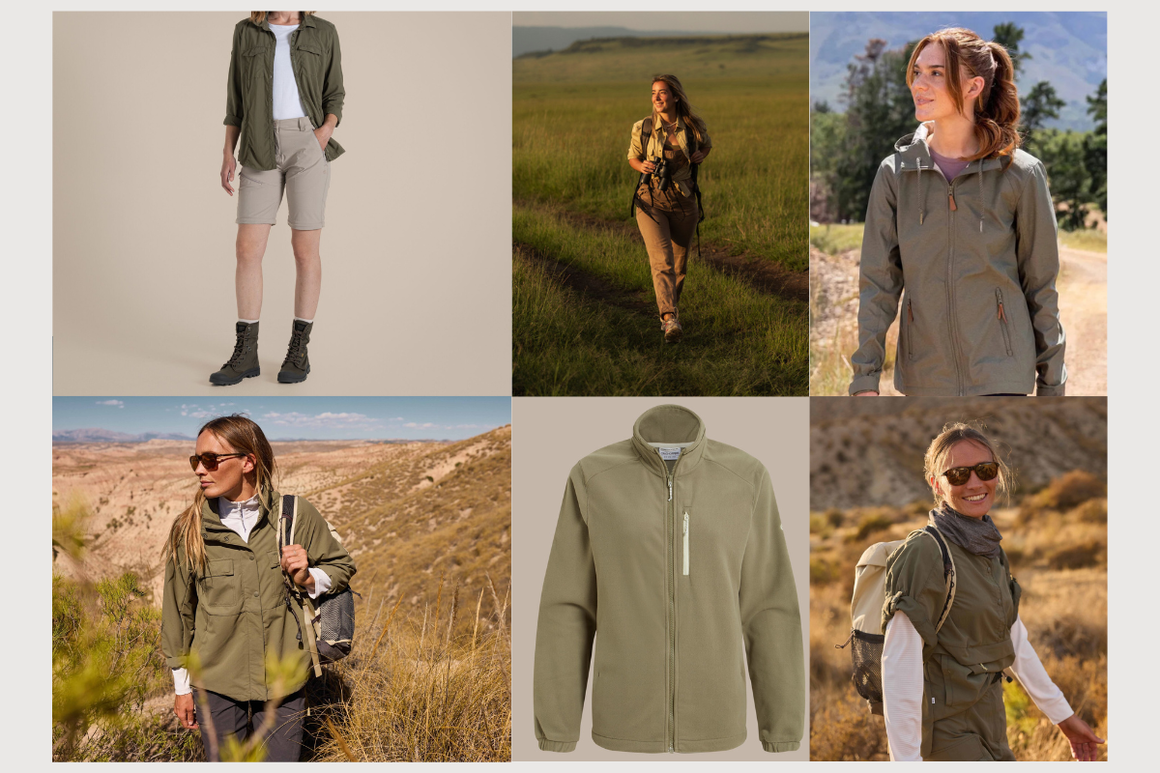
- A single versatile jacket can serve both early game drives and evenings at the lodge (see our image suggestions below).
- Linen and technical cotton pieces work well for day AND night.
- Choosing a safari capsule wardrobe means less stress and fewer items to carry (see below).
With a few thoughtful choices, your safari clothes can seamlessly carry you from dawn to dusk, keeping you comfortable all day.
How to put together a safari capsule wardrobe
A safari capsule wardrobe is about choosing a few versatile and multifunctional pieces. You should be able to mix and match all your items effortlessly. For many of you, we know comfort and protection are a priority, but style also comes high on the list as well. Follow these steps:
Pick a safari colour palette
Your safari wardrobe doesn’t need to revolve around khaki, but choosing a limited, neutral colour palette means all your pieces should work with each other. Here are some suggestions for how to do this.
- Stick to 2 earthy colours. Shades that work well together include: Olive and dark cream. Tan and sage green. Khaki and clay pink. These mix easily and blend into the surrounding environment.
- Add 1-2 accent colours. For layers or accessories (such as a hat, buff, shirt, or jacket), an accent colour prevents outfits from feeling monotonous. Olive and dark cream work well with clay pink. Khaki and clay pink harmonise with tan. Tan and sage green blend nicely with dark cream.
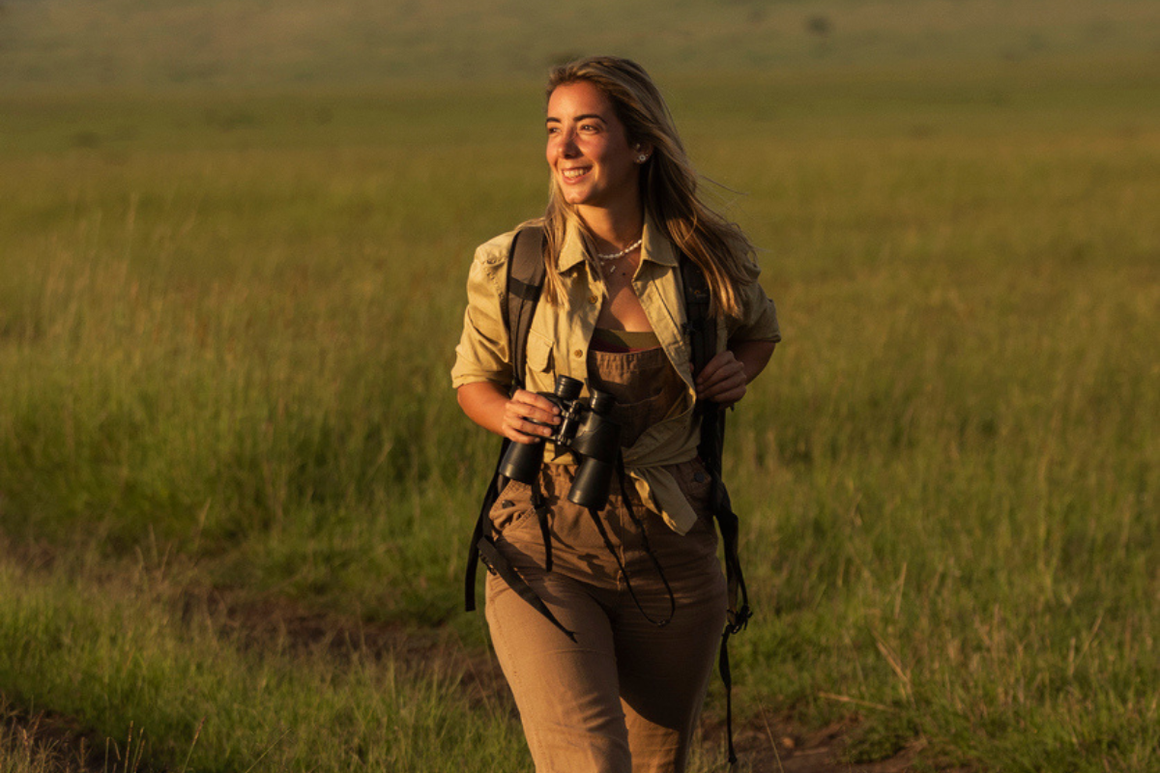
Choose multi-purpose safari clothes
Clothes that are multifunctional and versatile earn their luggage space. Here are some examples:
- Convertible trousers. Trousers that have zip-off bottoms that convert to shorts are perfect for changing temperatures on safari.
- Lightweight long-sleeved shirts. Shirts can be worn over vests or alone, and sleeves can be rolled up if you get hot.
- Snood or scarf. A linen, silk, or cotton scarf can be worn around the neck, over the mouth, or to cover your whole head, depending on the environment and temperature. They can also be tied through belt loops when not needed. Snoods can be wrapped around the wrist.
- Lightweight knitted top. We can’t recommend a fine knit long-sleeved merino top enough. They see you through cold safari mornings and evenings, but help your skin stay cool and protect it from the sun when temperatures rise as well.
- Linen trousers. If zip-off trousers aren't your style, but you want to stay cool, a pair of linen trousers should be your go-to. They can be worn during the day and the evening.
Make your safari clothes work hard
With luggage weight limits, every clothing item you pack for a safari needs to be well considered. Here’s how:
- For a true safari capsule wardrobe, only pack items that pair with everything else. For example, one pair of trousers should match all tops. Your jacket should blend seamlessly with all your outfits. Accessories should match every change of clothes.
- Scarves, buffs, and hats enhance outfit versatility, protect against sun and dust, and add visual interest to your ensemble.
- Choose shoes that are practical enough for the day, but stylish enough for evening or a safari add-on, such as a beach holiday (more on this below).
- Check with your booking agent if laundry services are available for longer safaris. If so, you can pack fewer items and rotate them more easily.
Safari shoes: what you do and don’t need
What shoes to wear for a safari is down to whether they will handle everything a safari throws at you. The right shoes for safari are built to handle the dusty roads and muddy tracks of a long bush walk without ending the day with sore, blistered feet.
Safari footwear you do need
- Lightweight hiking or trail shoes. This means breathable, supportive, and comfortable shoes for bush walks.
- Closed-toe shoes. Your safari shoes need to protect against insects, rough terrain, and dust.
- Moisture-wicking socks. Having the right socks on safari prevents blisters and keeps feet dry.
Safari footwear you don’t need
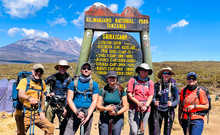
- Heavy hiking boots. Unless you’re doing an extended Kilimanjaro trek or gorilla trekking.
- Brand-new shoes. You’ll regret blisters from shoes that aren’t broken in.
- Flashy or bright shoes. These attract attention from wildlife and get dust-stained immediately.
Evening safari shoe tips
- Let your feet breathe in sandals or slip-on shoes while relaxing at camp
- Keep your day shoes handy for transfers or walking on gravel paths
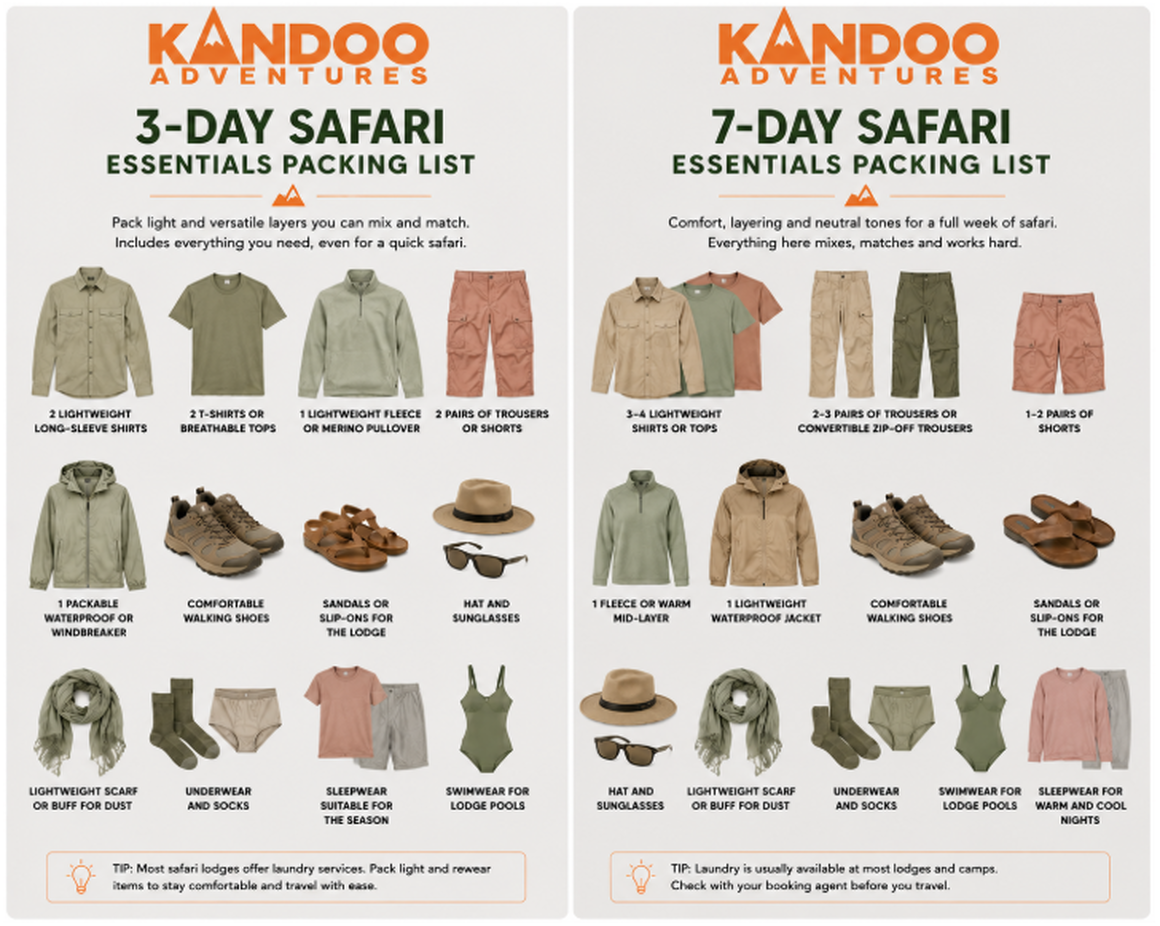
What clothes to take on safari: a safari packing list
One of the easiest ways to overpack for safari is by trying to prepare for every possible scenario. Most people on safari wear the same comfortable pieces on repeat, especially if laundry is available.
Use these essential safari packing lists as a starting point, then adapt them depending on your destination, season, taste, and any adventure add-ons.
What extras to pack for safari add-ons
If your safari is part of a bigger adventure, you’ll need a few extra items to stay comfortable and prepared. These extras cover the clothing and layers you’ll need for gorilla trekking, mountain climbs, or relaxing at the beach.
Gorilla trekking
- Waterproof, flexible hiking boots suitable for muddy trails
- Thick hiking socks
- Quick-dry activewear long-sleeve tops and full-length trousers
- Lightweight waterproof jacket and gaiters
- Gardening gloves for grabbing vegetation on steep trails
Kilimanjaro or Mount Stanley climbing
- Thermal base layers
- Insulated jacket
- Proper hiking boots for steep, rocky, or icy terrain
- Waterproof outer shell
- Hat and gloves for cold conditions
Zanzibar beach holiday
- Swimwear/beachwear
- Lightweight sandals
- Lightweight dresses, vests, and shorts
Where to buy safari clothes in the UK
Knowing where to buy safari clothes makes it easier to find items that work well in the bush.
These are some of the most consistently recommended UK retailers for safari clothing.
- Specialist Nosilife insect-repellent clothing
- Lightweight travel gear
- Strong for safari styling combined with technical fabrics, sun protection, and anti-insect clothing
- Clothes specifically designed for safari conditions, rather than general outdoor wear
- Polished and stylish safari aesthetic featuring natural fabrics and timeless cuts.
- More variety in terms of colours and styles (such as safari playsuits, kaftans, and culottes)
- Excellent for technical layers, lightweight fleeces, hiking shoes, and quick-dry travel clothing
- Knowledgeable staff for adventure travel and layering systems
- One of the best options for budget management, repeatedly recommended for safari clothing on forums
- Great for basics, zip-off trousers, lightweight waterproofs, and practical safari accessories
Discover African safari adventures with Kandoo
Long after your safari is over, you’ll remember the magic moments, not what you wore. Packing well simply gives you the freedom to enjoy all those moments comfortably. Whether you’re dreaming about your first Tanzania safari or planning the next adventure on your list, Kandoo Adventures are Tanzania specialists, with expertly devised safari itineraries, guides, and support. We also give back to the communities we operate in, so you can feel good about booking your dream trip with us.