
If you’re planning a Pakistan trekking trip, you probably have a lot of questions about Skardu, often dubbed the gateway to K2. Where is it? How do you get there? And is it worth staying more than a night?
Our guide breaks down everything you need to know about Skardu, including how to get there, what to see, and how to use the stop to prepare for your adventure.
Where is Skardu in Pakistan?
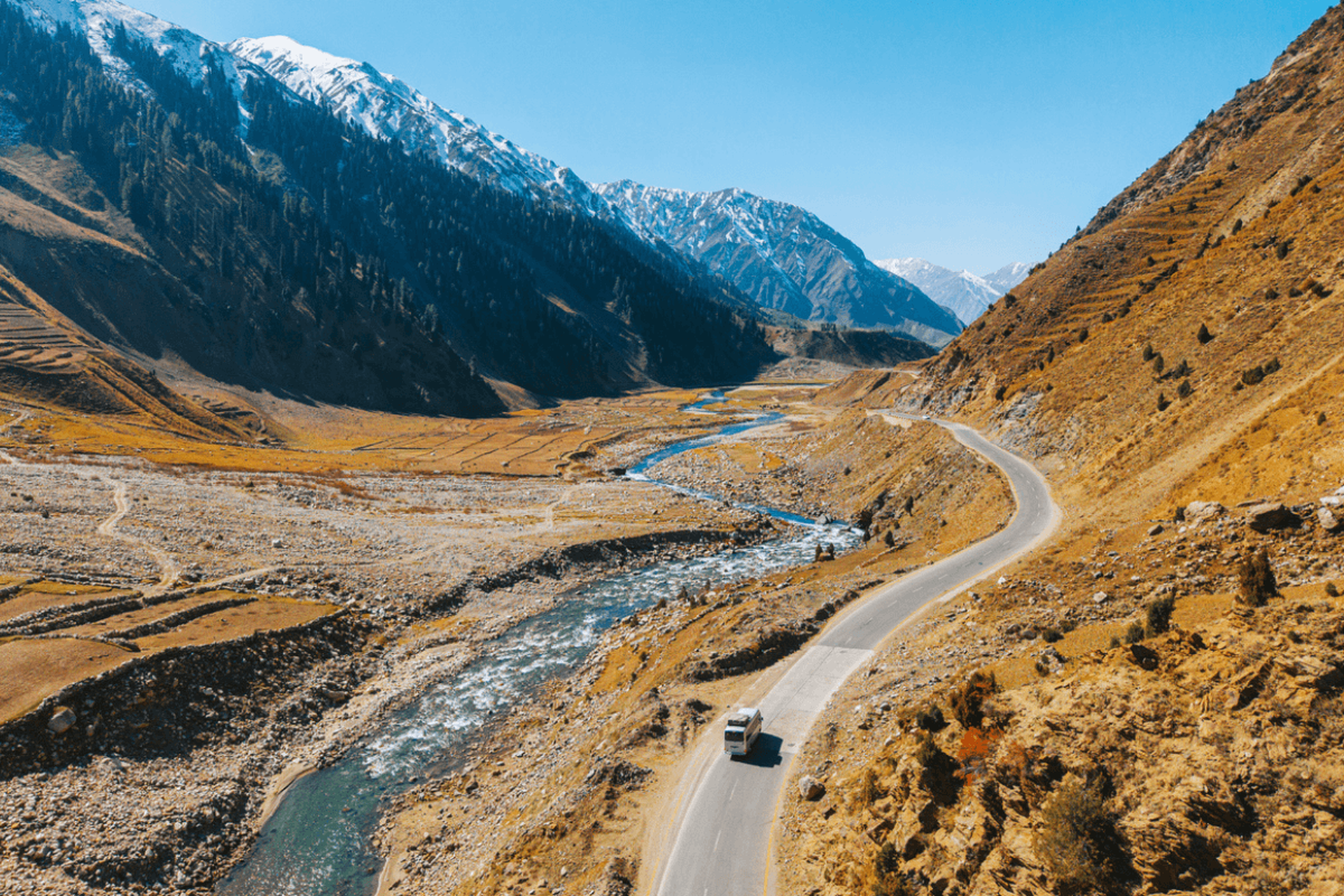
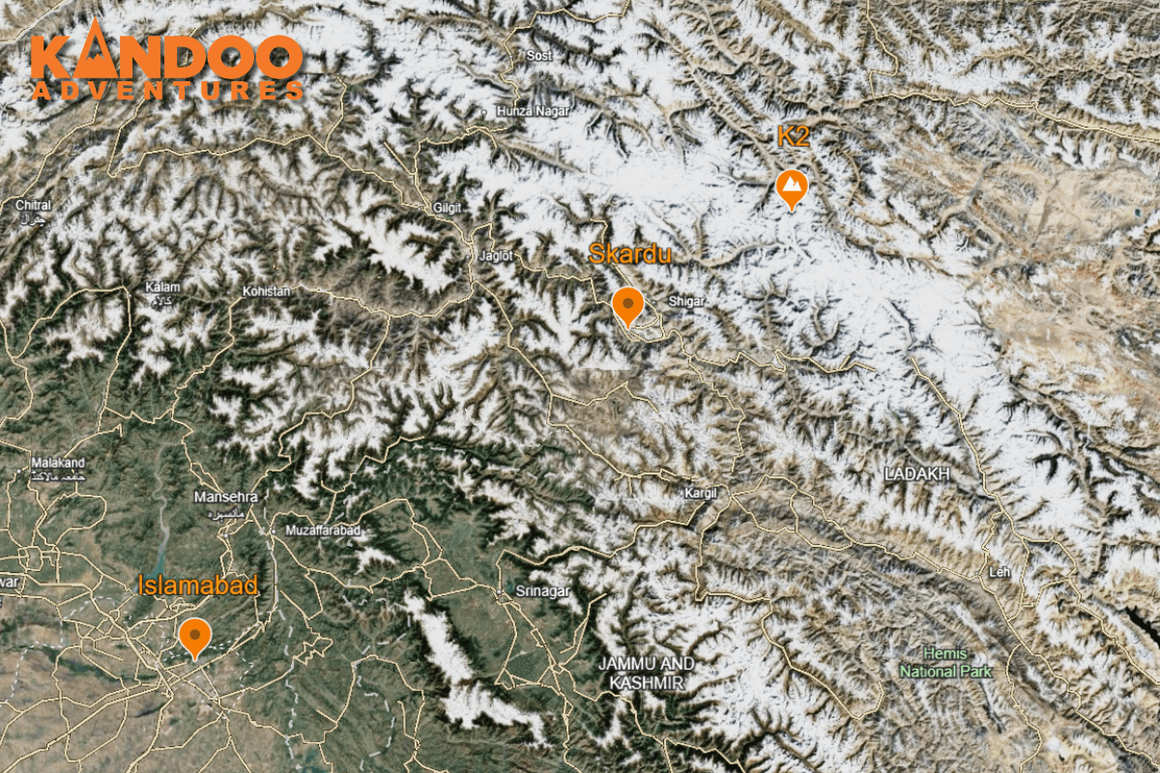
Skardu is in Pakistan’s northern region (the Baltistan region of Gilgit-Baltistan) in the scenic Skardu Valley, roughly at 2,228m elevation.
It’s a popular destination with trekkers because mountains surround the city on every side. There’s the Karakoram range to the north, the Ladakh range across the Indus, and the western end of the Himalaya to the south.
You’ll likely get a little breathless walking uphill, but you’re well below the height where most people get altitude sickness. For this reason, Skardu is a great first step in acclimatising to prevent altitude sickness before heading higher up.
Skardu is around 600km by road from Islamabad, the capital city of Pakistan, and the place where most international visitors fly into. Flights take just over an hour to Skardu, while driving takes roughly 14-16 hours, usually split over two days.
What is Skardu, Pakistan, known for?
Skardu is best known as the gateway to K2 and other great peaks of the Karakoram mountain range. But there's more to it than trekking, including a fascinating history, rich culture, and stunning natural landscapes.
Here’s the list in full:
- A gateway for big peaks. Four of the world's 14 highest mountains stand in this part of the Karakoram, including K2, the second-highest mountain on Earth. Expeditions to K2, Broad Peak, and the Gasherbrums all pass through Skardu.
- Tibetan roots. Writers in the Mughal era described the kings of Skardu as rulers of Lesser Tibet. Balti culture still shares Tibetan roots in its language, culture, and traditions. Life is slower here and visitors often note the calm atmosphere, simple food, and warm welcome.
- History. Skardu has been a capital since around 1500, when the Maqpon dynasty ruled Baltistan. Long before that, the valley was Buddhist. There’s an 8th-century carving just outside town which shows this, the Manthal Buddha Rock.
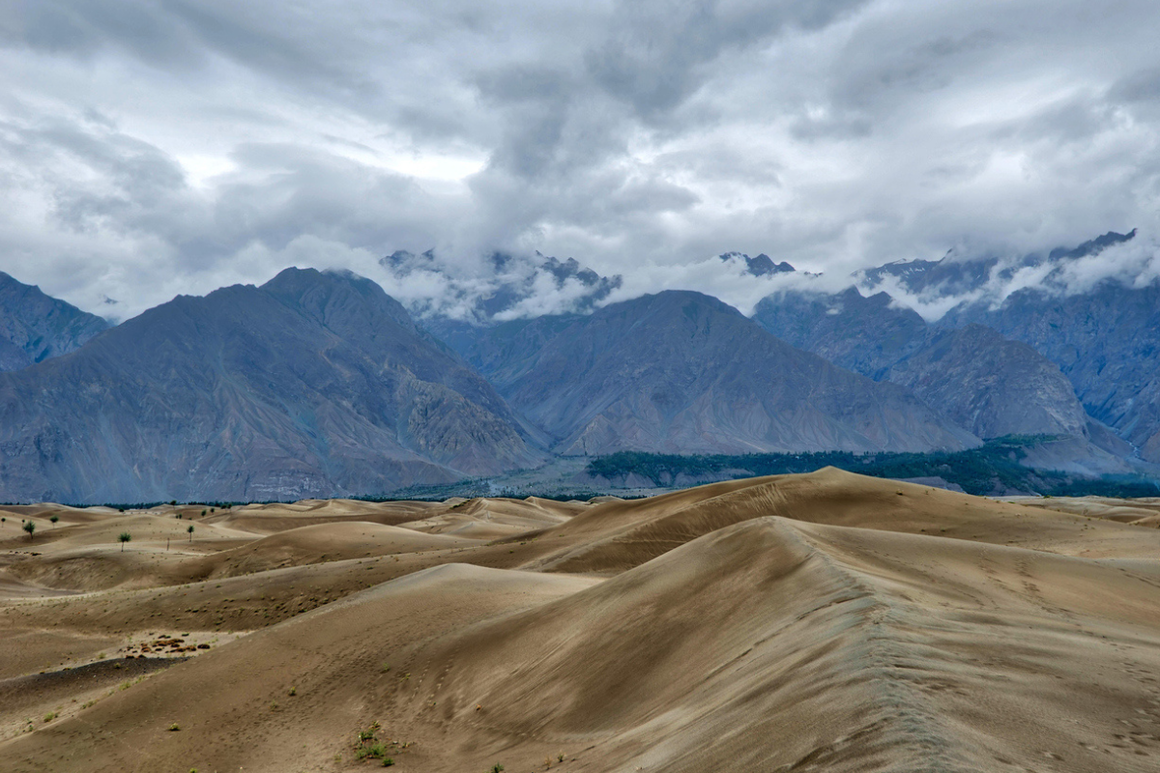
- Landscapes. Besides mountains, Skardu is home to turquoise alpine lakes, cold deserts, green valleys, and one of the world’s high plateaus, the Deosai Plains (known as ‘the roof of the world’).
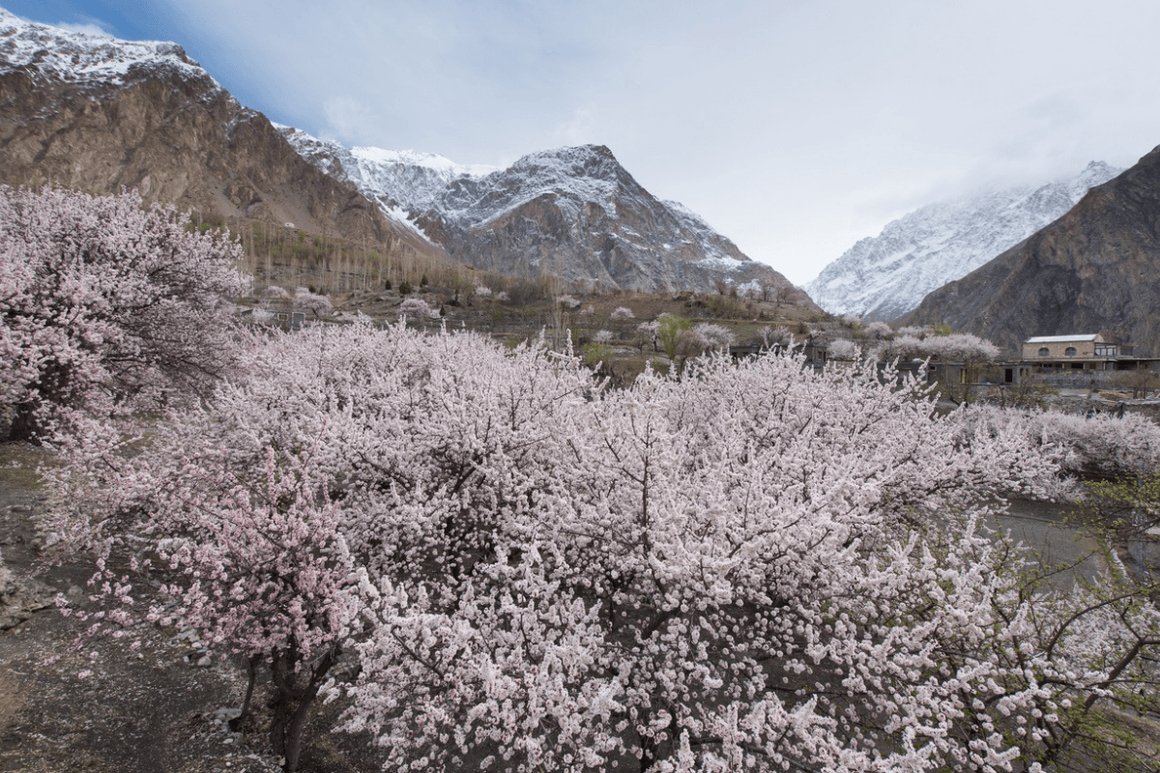
- Apricots. The Gilgit-Baltistan region is known for its apricot trees which bloom pink and white during spring. The fruit is grown organically, and it plays a large role in local cuisine like prapu (noodles with walnut and apricot paste).
How to get to Skardu from Islamabad
Most people fly to Skardu from Islamabad, which takes a little over an hour. If the weather’s bad though, the backup is a long drive over the Babusar Pass, which takes 14-16 hours, usually split over two days.
Getting to Skardu by plane
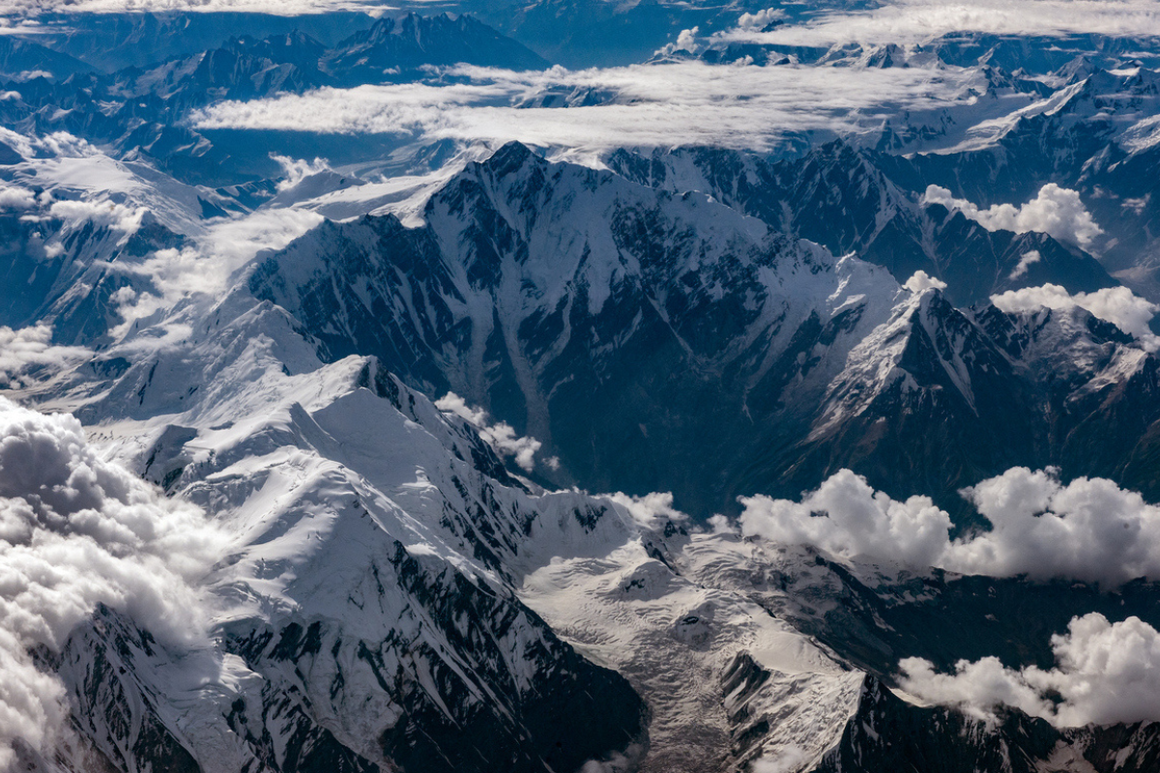
Airlines like PIA, Airblue and AirSial all fly regularly between Islamabad and Skardu, with more flights in the summer season. The flight is one of the most scenic in the world, with views of the Himalaya and Karakoram ranges. On a clear day, you might even spot K2!
Flights can get cancelled though, often at short notice because pilots on this route fly by sight, under what are called ‘visual flight rules’. This means clouds, heavy rain, and poor visibility can ground the plane for even a day or two.
Top tip: Sit on the right-hand side of the plane when flying to Skardu for close-up views of Nanga Parbat, the world's ninth-highest mountain.
Getting to Skardu by road
If flights aren’t going, you can drive from Islamabad to Skardu, but it’s usually a two-day journey.
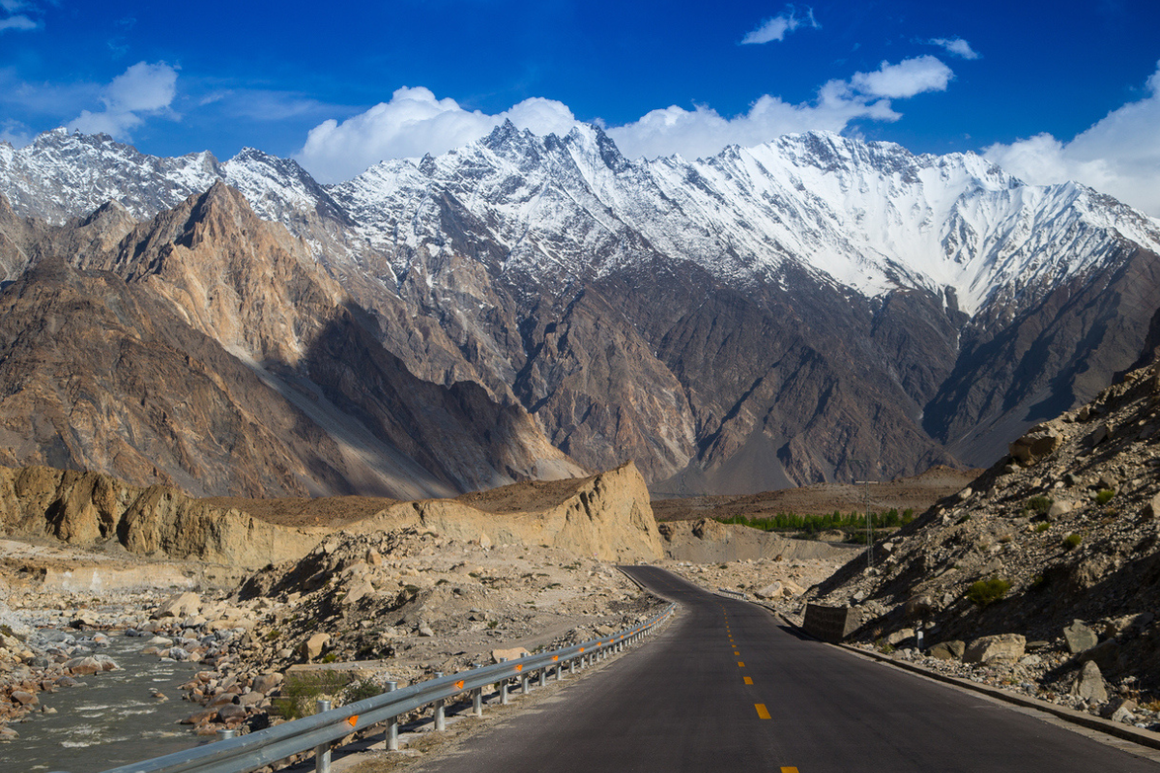
Most people head north from Islamabad through the Kaghan Valley, cross the Babusar Pass, and stop overnight in Chilas. On the second day, you follow the Indus River through deep gorges to Skardu. This alone can take up to nine hours.
The FCDO advises against all travel on the section of the Karakoram Highway between Mansehra and Chilas. The route above (over the Babusar Pass) avoids it. The pass is only open in summer though (usually June to October), because snow closes it for the rest of the year.
The FCDO advises against driving mountain roads at night, so stick to daylight hours. And be aware that landslides can slow the journey at any time.
Best time to go to Skardu in Pakistan
April to October in Skardu is great for sightseeing, but if you’re trekking to K2 Base Camp, go between June and September, when the high trails and passes are open.
Here’s how each season stacks up:
- Spring (April to May). The apricot blossom peaks in late April and it's a lovely time to admire the landscape. But higher roads, including the route to the Deosai Plateau, might still be blocked by snow.
- Summer (June to August). This season is peak K2 trekking season and Skardu's busiest time. Days in town are warm (with highs of around 30°C in July), and daylight hours are longer. Summer coincides with the monsoon season, but the Karakoram range sits largely out of reach of the heavy rains. Saying that, flash floods and landslides can still disrupt roads.
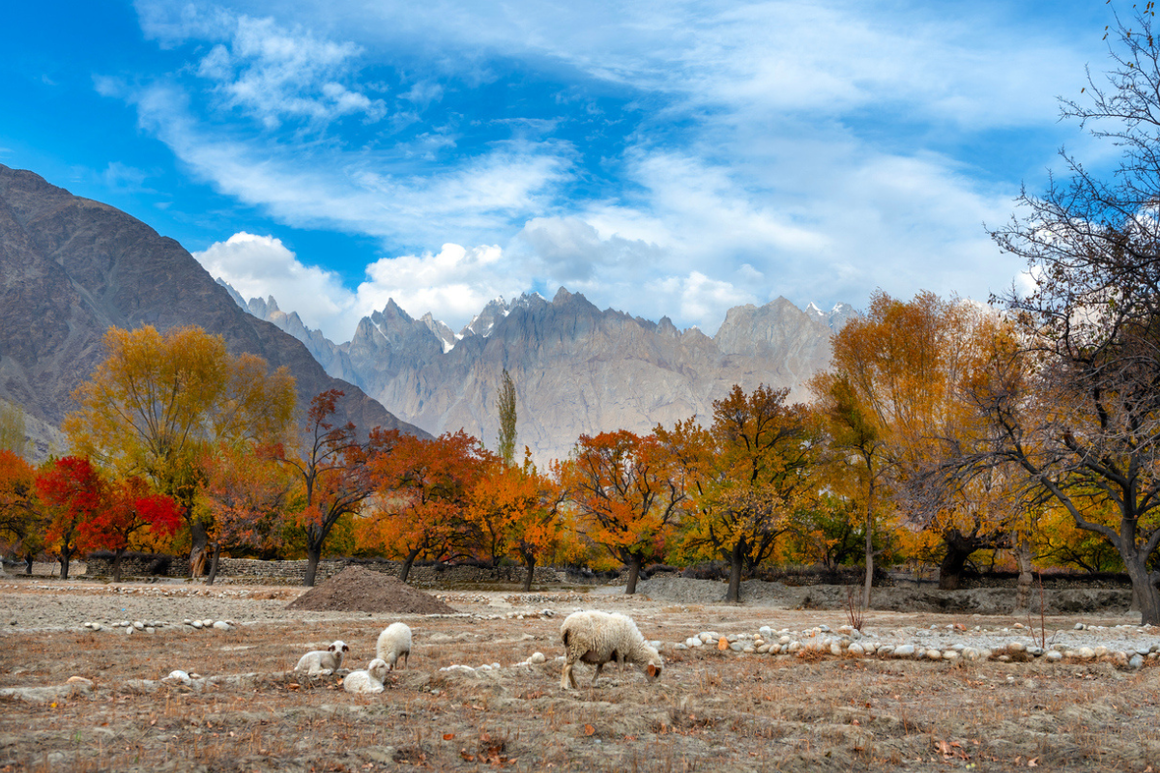
- Autumn (September to October). Skies are often clear and the apricot trees turn gold. It's quieter than summer and higher areas and passes start to close later in the season due to heavy snow.
- Winter (November to March). Cold weather means the lakes freeze and snow covers the dunes, but flight cancellations are more common, and the mountain passes shut.
Where to stay in Skardu
Skardu has hotels, not just guesthouses. It’s the last real bed you come across on the way to K2, and the first one you see on the way back.
Most trekking groups stay in mid-range hotels in town that provide simple, clean bedrooms, and bathrooms with hot showers. Often, there are on-site restaurants serving Pakistani and Western dishes, and most have WiFi.
Top tip: The call to prayer sounds across town before dawn, so pack earplugs if you’re a light sleeper.
Where to eat and drink in Skardu
For food, try the local Balti dishes in Skardu and stock up on apricots for your trek. You can find tea everywhere, but you’re unlikely to come across alcohol.
Balti dishes have more in common with Tibetan food than with the fiery curries of southern Pakistan. Our top recommendations are mamtu (steamed dumplings) and balay (a thick noodle soup). Apricots grow everywhere in the valley, so make sure to pack some before heading out.
When it comes to tea, stick to a sweet, milky chai.If you feel more adventurous, try the salty butter tea, a Tibetan-style brew. Alcohol is prohibited for Muslims in Pakistan. Non-muslim visitors can usually find it in licensed hotels in bigger cities like Islamabad, but don’t count on finding any in Skardu.
Good to know: Don’t drink water from taps. Bottled water is easy to buy in Skardu, or treat the water with purification tablets or a filter, which you’ll need on the trek anyway.
Things to see and do in Skardu town
Skardu town itself is small, but within an hour's drive there are forts, an ancient Buddha carving, alpine lakes, and a cold desert.
Most K2 trekkers have a spare day (or half a day) in Skardu before driving to Askole, which gives you time to catch some of the highlights:
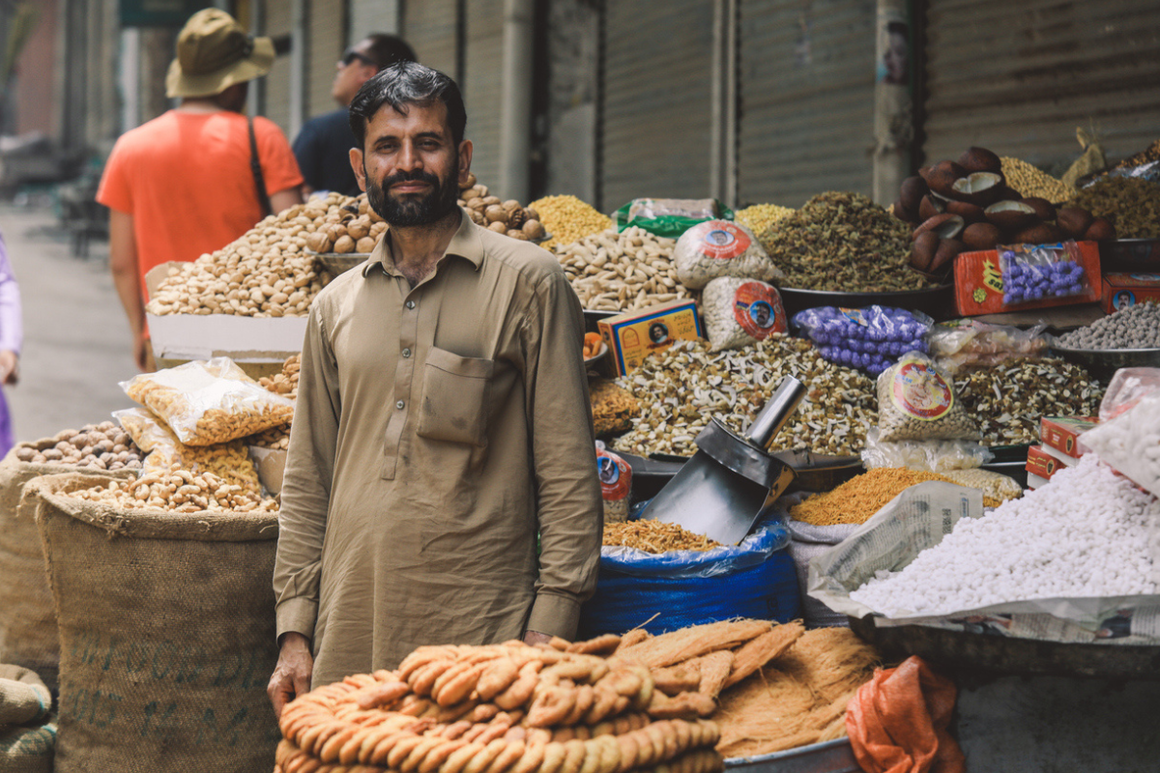
- Skardu bazaar. The city’s main market is the place to stock up on dried apricots and nuts for the trail, and pick up any kit you've forgotten. Check out our equipment recommendations for Karakoram.
- Kharpocho Fort. Built in the 16th century, this hilltop fort is a short, steep walk up from the bazaar. You get amazing views over the Indus Valley.
- Satpara Lake. A short drive from Skardu, this deep blue lake supplies the town's water. You can take a boat across or simply enjoy the view.
- Manthal Buddha Rock. On the road to Satpara Lake, stop to get a photo of this large granite boulder. It’s carved with images of the Buddha that date back to around the 8th century.
- Shangrila and Upper Kachura lakes. About 30-40 minutes from town, Lower Kachura Lake is home to the beautiful Shangrila Resort. A short walk uphill brings you to Upper Kachura Lake, a quieter, natural lake surrounded by trees.
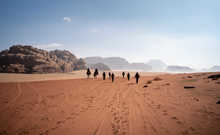
- Katpana and Sarfaranga cold deserts. These sand dunes sit at around 2,200m, among the highest deserts in the world. In winter, snow blankets the dunes.
- Shigar Fort. This 17th-century palace, restored by the Aga Khan Cultural Service, is now a museum and heritage hotel. You pass it on the drive to Askole at the start of the K2 trek if you want to hop out and take a look.
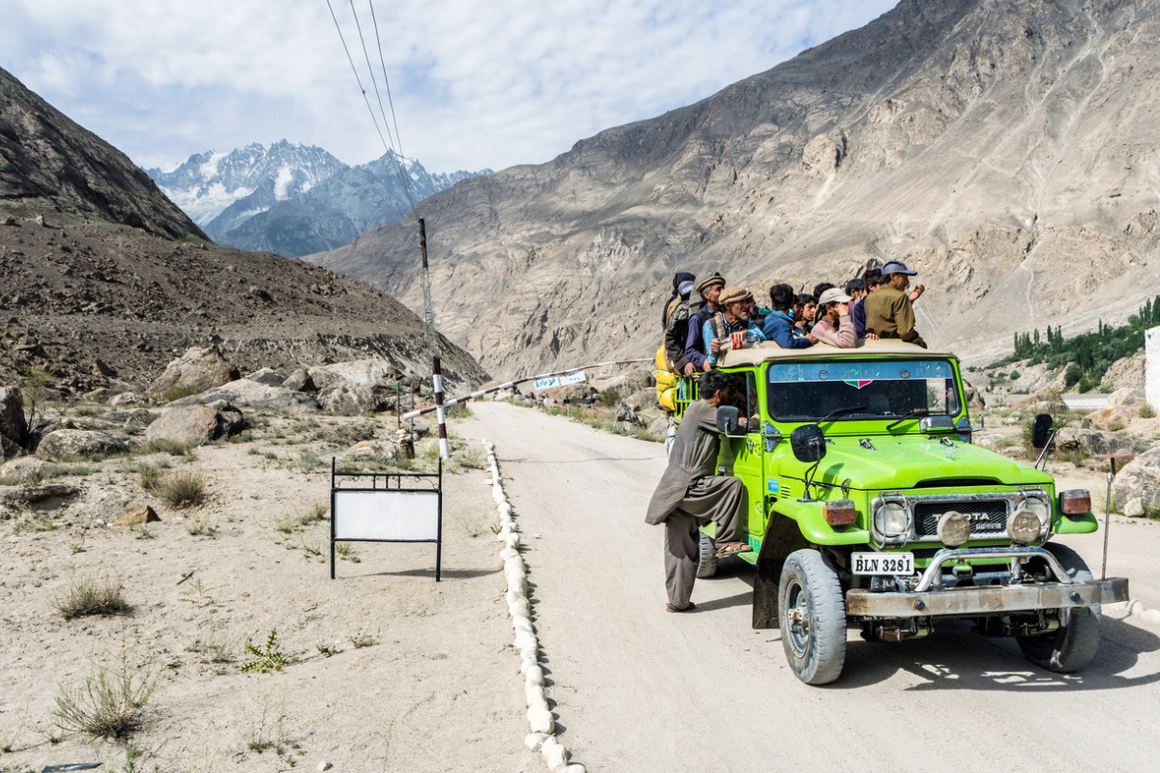
- Deosai National Park. If you have an extra day, head up to this plateau, which sits at around 4,114m. It's one of the last strongholds of the Himalayan brown bear and is on UNESCO's tentative list for World Heritage status. It's only open in summer though, and it’s about two hours by 4x4 jeep (further, to reach some areas like the Sheosar Lake).
For more recommendations, read our Pakistan travel guide.
Good to know: Power cuts are common in Skardu, so charge your phone, power bank, and camera batteries whenever you get a chance.
Visiting Skardu on the way to K2 Base Camp
Skardu is where the K2 trek really begins. You fly in from Islamabad, spend a night or two in town getting ready, then drive about six hours to Askole, where the walk starts.
Your tour operator has to register you with the local authorities before your trip to secure trekking permits for the Baltoro, which is a restricted area. Skardu is a great place to carry out final kit checks and buy last-minute snacks.
On our K2 Base Camp and Concordia trek, you have the afternoon free to explore Skardu. Just enough time to reach the Kharpocho Fort and wander the bazaar, or drive out to Satpara Lake, stopping at Manthal Buddha Rock on the way.
Once you finish the K2 Base Camp trek, you come back the same way. And trust us, that first hot shower and proper bed in Skardu feels like luxury before your flight home. We also enjoy a meal here together at the end of the trek to celebrate!
Recommended reading: For the full route, read our guide to the K2 Base Camp trek.
Tip: Before you depart, always check the FCDO advice for Gilgit-Baltistan as it changes regularly.
Explore Skardu with Kandoo Adventures
Skardu is the last city before a K2 Base Camp trek, and your first proper bed on the way home. On our K2 Base Camp and Concordia trek, we take care of the logistics in Skardu, giving you the time to explore the area.
Our trip also includes return flights between Islamabad and Skardu, permit fees, and camping gear. Plus, you walk with an experienced, local trekking guide, which enriches the whole experience.