







Plan your Costa Rican adventure
Costa Rica is an adventurer’s paradise. With sprawling Pacific Coastlines, dramatic volcanoes, and incredible waterways, there’s plenty to see and do.
But when is the best time to visit Costa Rica?
The short answer is that it depends. Some months are more attractive than others based on what you want to do!
By the end of this article, you'll know the best time to visit Costa Rica based on what you want to get out of the trip. Keep reading to learn about the different seasons, climates, and activities to help you decide the best time to visit.
Side note: Most guides feature beaches and resorts, but this article focuses on wildlife and adventure activities.
So, when is the best time to go to Costa Rica for adventure travel?
The dry season (December to April) is best for reliable hiking, easier transport, and classic volcano views. The wet season (May to November) is better for wildlife encounters, powerful rivers, and lush, green rainforests.
Take a look at this quick summary of when to go to Costa Rica:
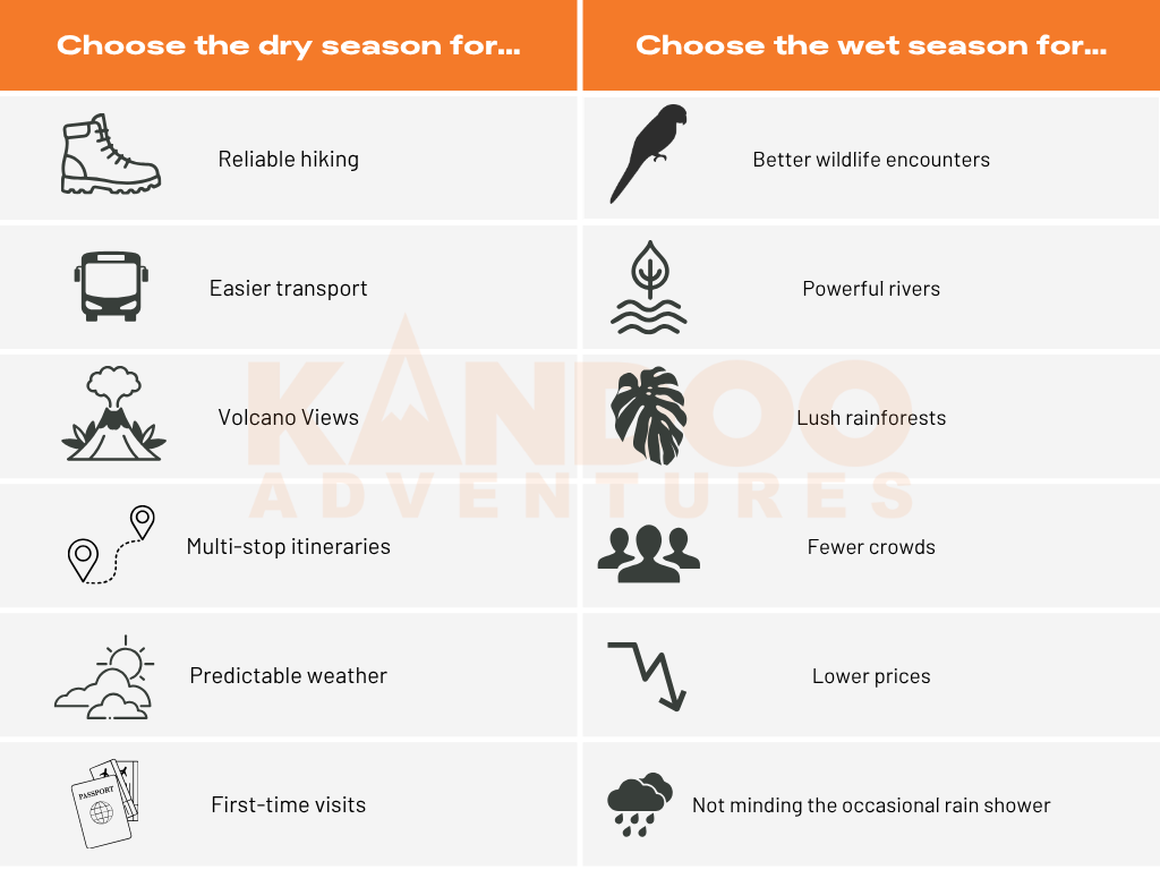
So really, the best time to visit Costa Rica depends on what you want to see and do. There's something worth planning a trip around every month of the year.
What are Costa Rica's seasons?
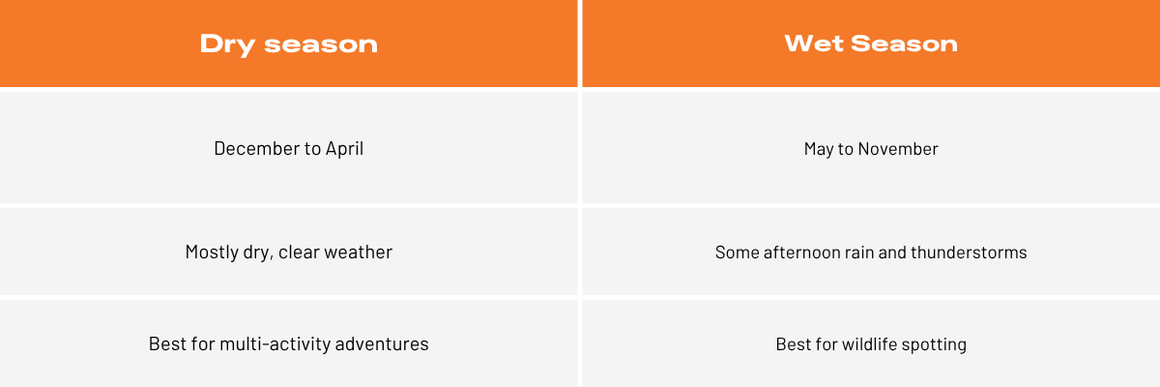
There are two main seasons in Costa Rica: dry season from December to April and wet (or green) season from May to November.
Dry season is the best time for multi-activity adventures with generally dry, clear weather. Wet season is best for wildlife spotting and quieter encounters but comes with afternoon rain and thunderstorms, which are a spectacle themselves!
Costa Rica also has three distinct climate zones and two separate oceans dictating conditions and weather patterns:
- The east of Costa Rica sits on the Caribbean Sea and enjoys a more stable, temperate climate.
- The Pacific west coast has more dramatic seasonal changes.
- The interior of Costa Rica sees the best and worst of both, so careful planning is required for every trip.
What to expect during the dry season in Costa Rica
The dry season offers more consistent weather with a lower chance of rain, making it an ideal time to go trekking in Costa Rica. Clear skies ensure excellent visibility for volcano hikes and better conditions on trails with less mud.
Side note: If you want to experience volcanoes up close and personal, take a look at this Indonesia volcanic hike trip!
Here’s a summary of what to expect during Costa Rica’s dry season:
- Low rainfall
- More reliable travel conditions
- Easier access to national parks
- Better visibility on mountain hikes
- Busier trails (peak visitor season)
The country is alive with festivals and music during this time and sun-seekers flock to the stunning sandy beaches. Wildlife is abundant and the rainforests are spectacular after the rains have dwindled.
Fun fact: You can spot humpback whales during the northern hemisphere migration along the north Pacific coast, especially in January and February!
What to expect during wet season in Costa Rica
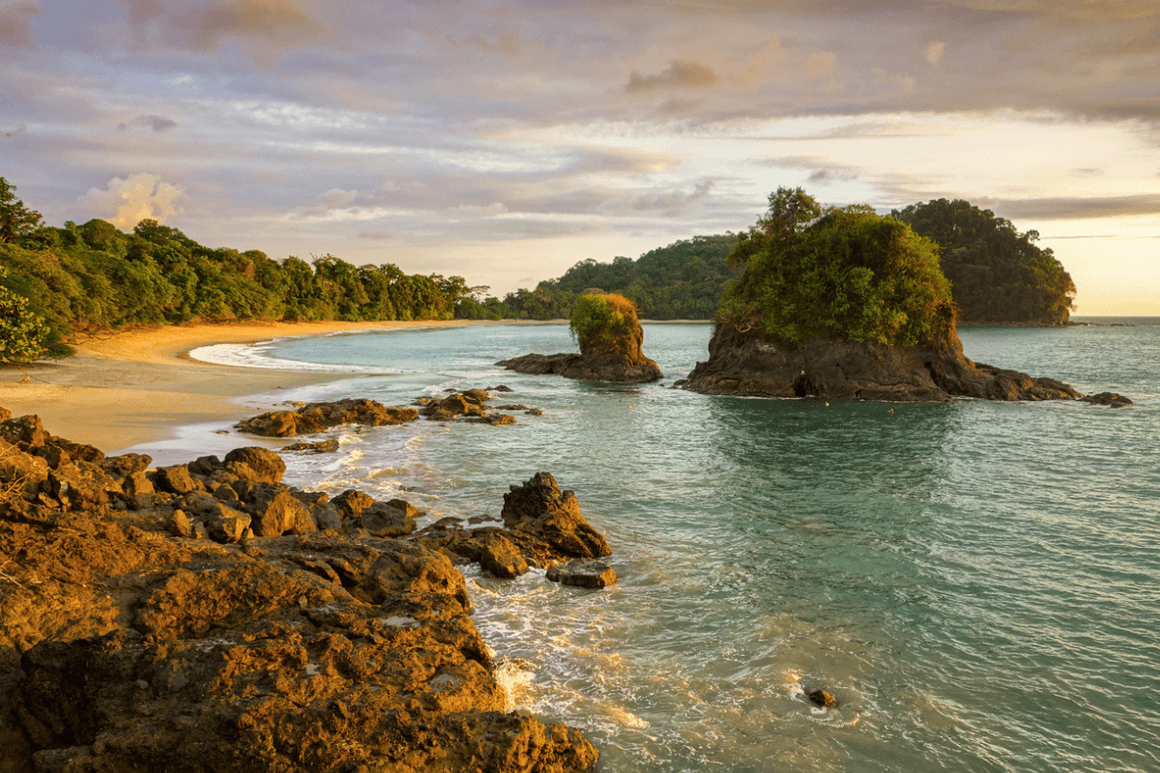
The wet season in Costa Rica delivers seasonal rains, causing flora to flourish and flood the country with tropical, lush green vegetation.
Here’s a quick overview of what Costa Rica’s wet season looks like:
- Afternoon rain and storms
- Lush forests
- Fewer visitors
- Lower prices
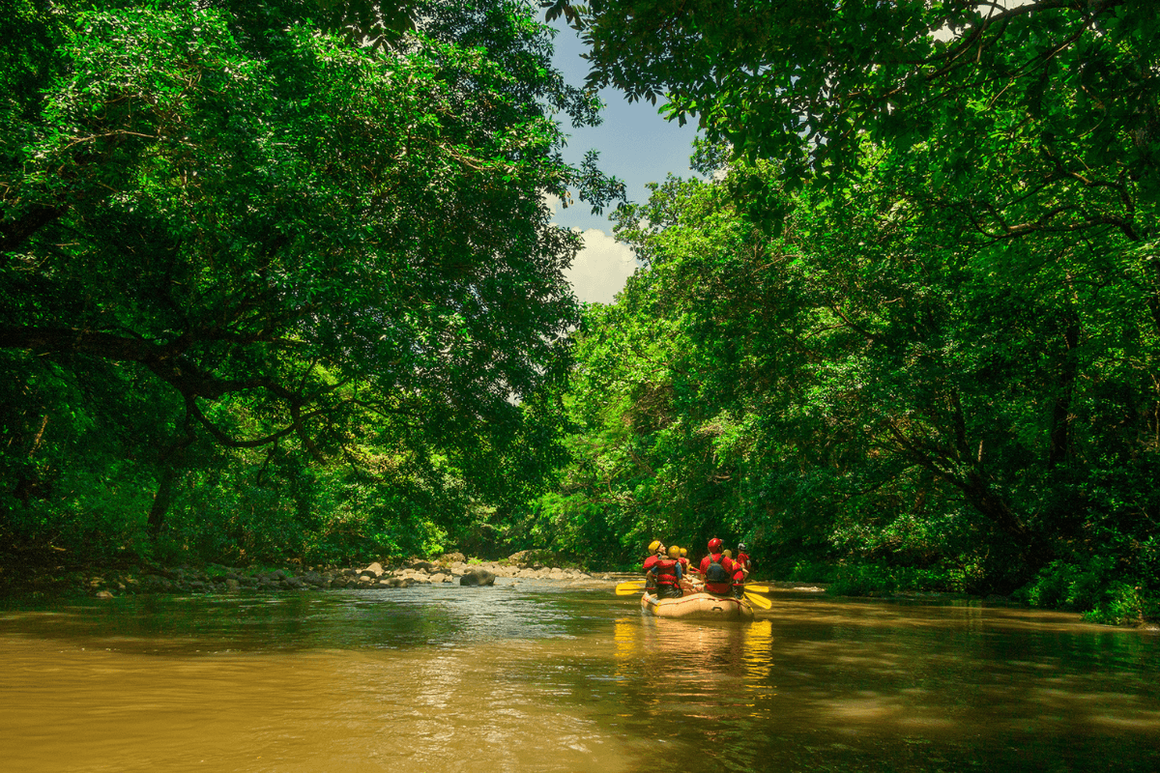
One of the upsides of the higher rainfall is the stunning waterfalls. The rivers are also fast flowing, making for excellent rafting and paddling. Trekking during this time may be less fun with muddy trails and some impassable roads.
But the good news is that the rains rarely last all day during the wet season, with downfalls lingering for a few hours. In July and August, a slight reprieve from the rains makes it a popular time to visit, and most people hike during the morning to avoid the rain and the worst conditions.
Fun fact: The southern hemisphere Humpback whales migrate from Antarctica to the warm Pacific waters of Costa Rica and can be spotted off the southern coast during July and August.
A month-by-month adventure guide to Costa Rica
The best adventures in Costa Rica vary depending on when you visit. Here’s a breakdown of what to expect each month to help you plan where to go when.
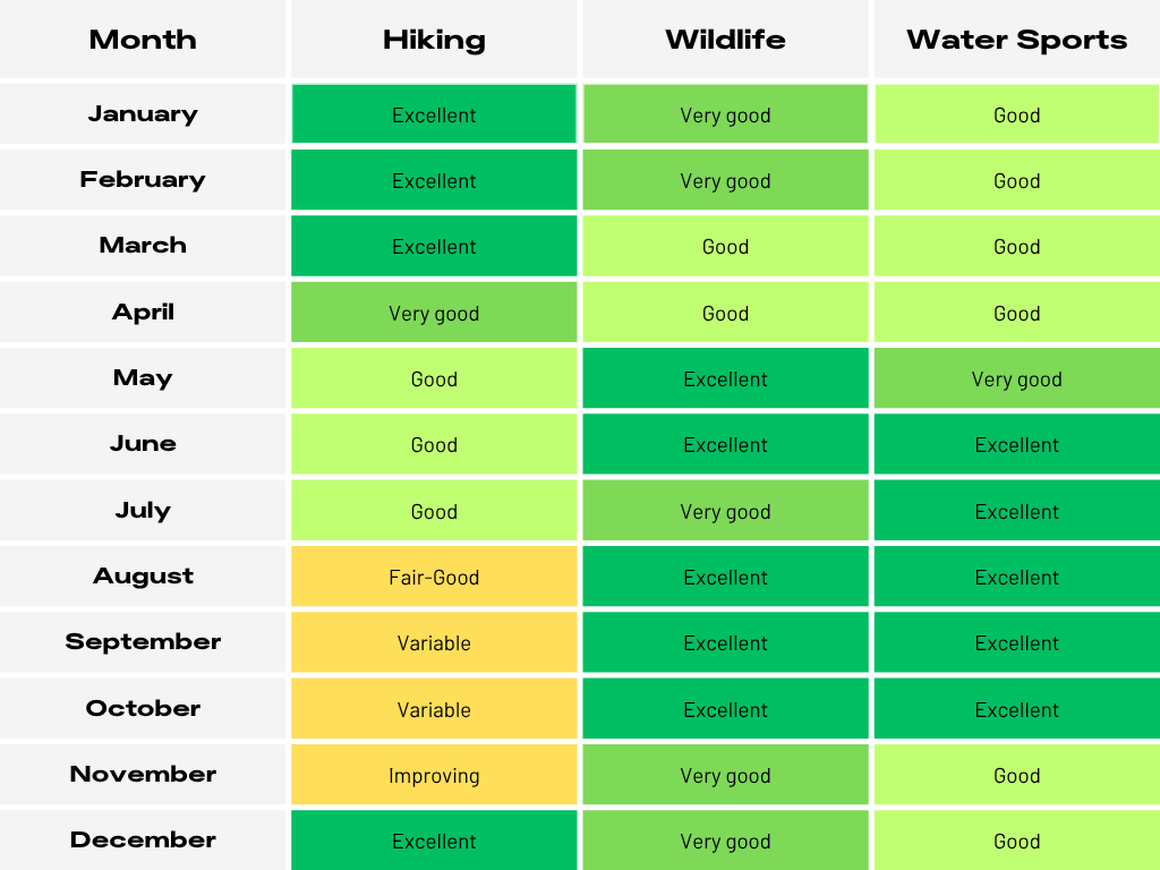
Now let’s take a look at each month in more detail:
January in Costa Rica
- Fantastic hiking
- Clear volcano views and cool misty cloud forests
- Ideal sea kayaking conditions
- Nesting green turtles in Tortuguero
In January, Trekkers will enjoy mostly dry, clear trails, excellent views, and longer daylight hours, offering extra time to explore. Conditions for rainforest walks are stable and comfortable and wildlife is thriving.
There might be the occasional shower along the Caribbean coast, but temperatures are warm, and the wildlife is much easier to spot amongst the drier vegetation.
Rafting and sea kayaking are also popular during this time. River levels are usually lower than in the green season, so rafting is less white-water and more scenic.
February in Costa Rica
- Driest and sunniest month
- Great wildlife visibility
- Nesting sea turtles
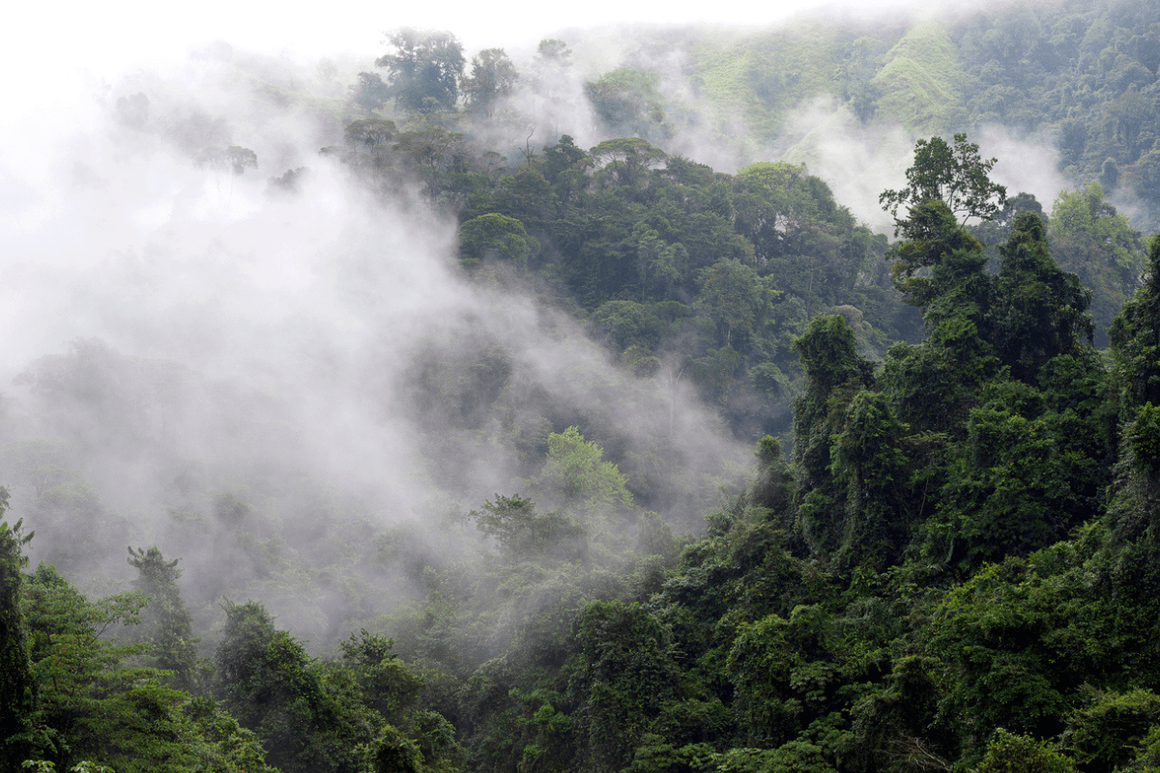
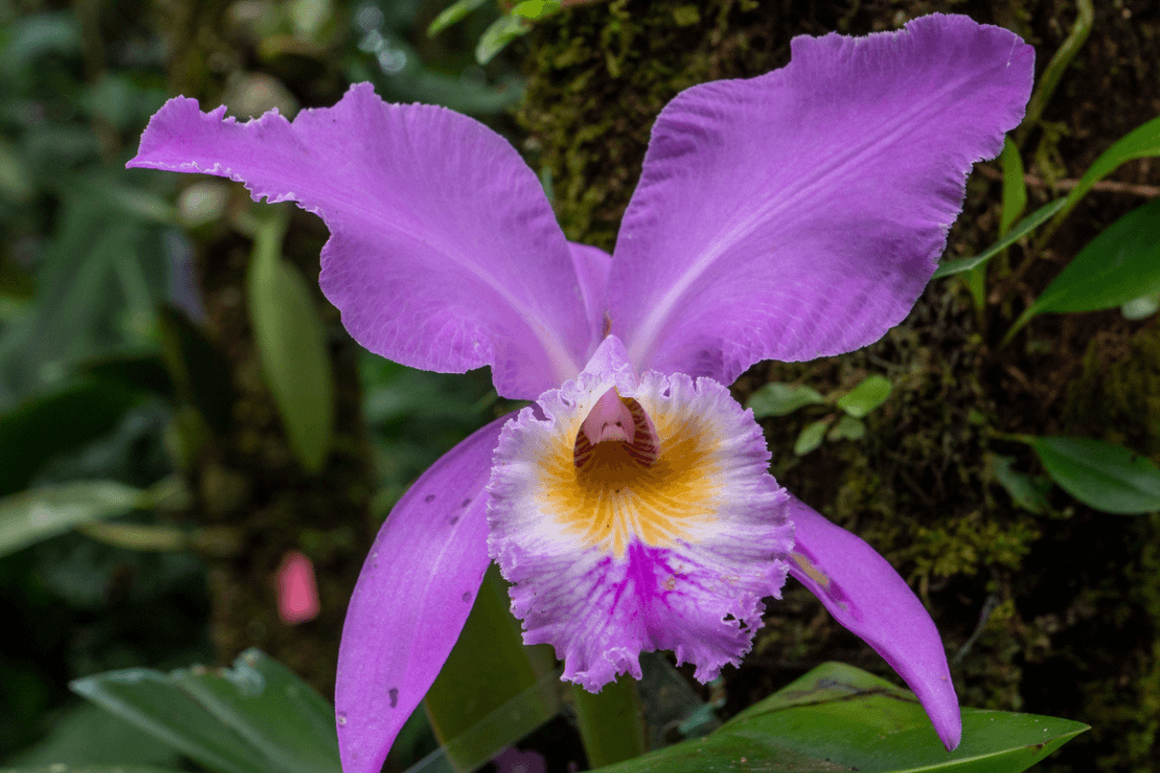
- Flowering Guaria morada (Costa Rica’s national flower)
February is a gorgeous month to visit Costa Rica for adventurers. Hiking is excellent, there’s plenty of wildlife to spot, and birdwatchers can enjoy the abundance of tropical birds as nesting season begins.
Sea kayaking on calm waters offers wonderful views from the water. Costa Rica’s national flower, the Guaria morada orchid, is in full bloom with vivid purple flowers putting on a beautiful display.
March in Costa Rica
- Hot and dry weather
- Low humidity in the rainforests
- Increasing reptile activity
March is the hottest month of the dry season. It continues to be a great time for trekking and kayaking in Costa Rica, but the midday heat can be intense, so you might want to avoid it where possible.
For sun worshippers, this is the last month of rain-free days along the coast. It’s also spring break in the US, which means an influx of young American visitors.
Animals actively congregate around waterholes and dwindling rivers during this time, making them easier to spot. Vegetation is drier too so in the jungle, trails are clear and wildlife is more visible.
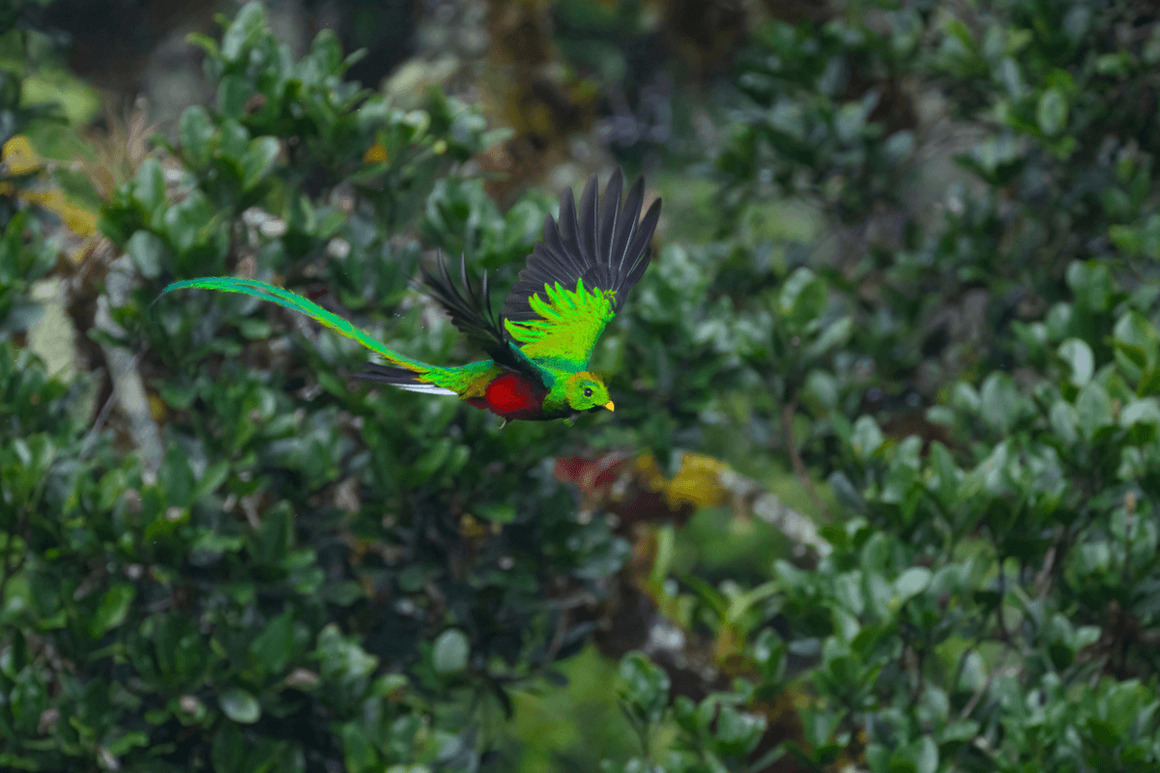
This is the tail-end of the leatherback turtle nesting season but the beginning of the quetzal breeding season. Migratory birds are also passing this month, making it a dream time to visit for birdwatchers.
April in Costa Rica
- Shoulder month
- First rains arrive
- Trails remain accessible
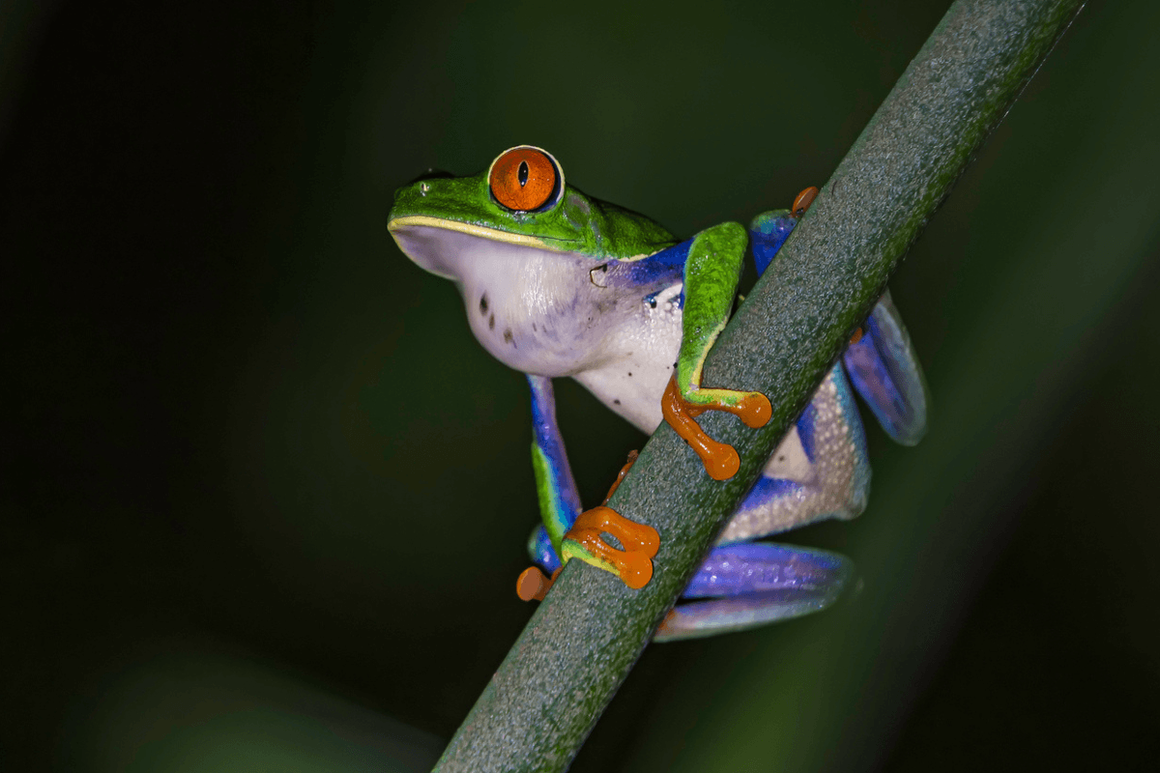
After the first rains, amphibians are more active, and it’s possible to see (and hear!) Costa Rica’s plethora of frogs. Red-eyed tree frogs, glass frogs, and poison dart frogs congregate around humid water sources during this transitional month.
Fun fact: Juan Santamaría Day on April 11th is a public holiday in Costa Rica and celebrates a national hero. Expect a festive atmosphere and plenty of singing, drumming, and dancing during this time.
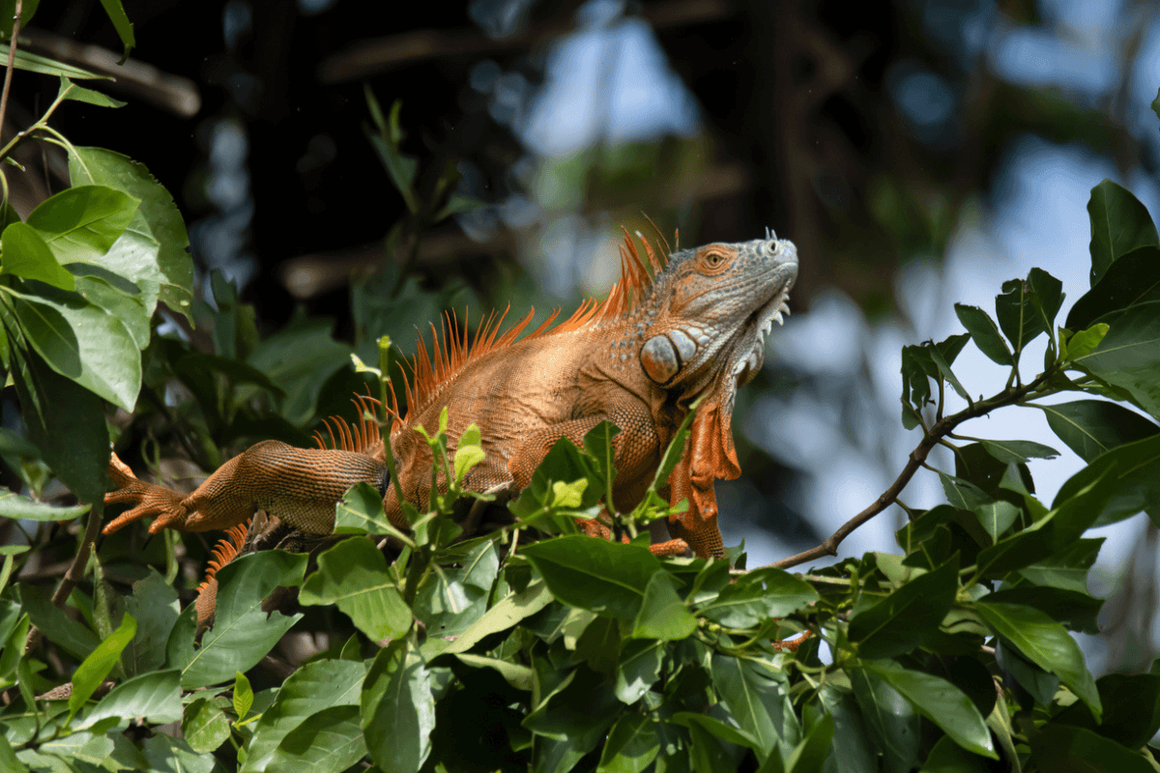
May in Costa Rica
- The green season begins
- Rivers rise, and dramatic waterfalls cascade
- Good for water sports
Green season begins properly, and the name is apt! Vegetation is thriving, and most days see intermittent showers rather than full downpours. This is a good transition month to visit with fewer tourists and manageable conditions.
Rainforest wildlife comes to life with the arrival of the rains and frogs, butterflies, and tropical birds abound. Spot giant marine animals such as manta rays and sea turtles along the coast, and monkeys of all species foraging in the forests.
Trek in the mornings to avoid the worst of the rain. It’s still possible to hike during the green season, but conditions are more variable. Try white-water rafting instead on the burgeoning river rapids and spot wildlife from the boat as you coast through the waterways of the jungle.
June in Costa Rica
- Good balance of sunshine and rain
- Good wildlife viewing
- Rising waves for surfers
- Peak month for white-water rafting
Temperatures are cooler now, and with fewer visitors, it’s a lovely time of year in Costa Rica (if you don’t mind the occasional shower). Rivers are full, and it’s the optimum month for rafting, waterfall hikes, kayaking, and river boat trips.
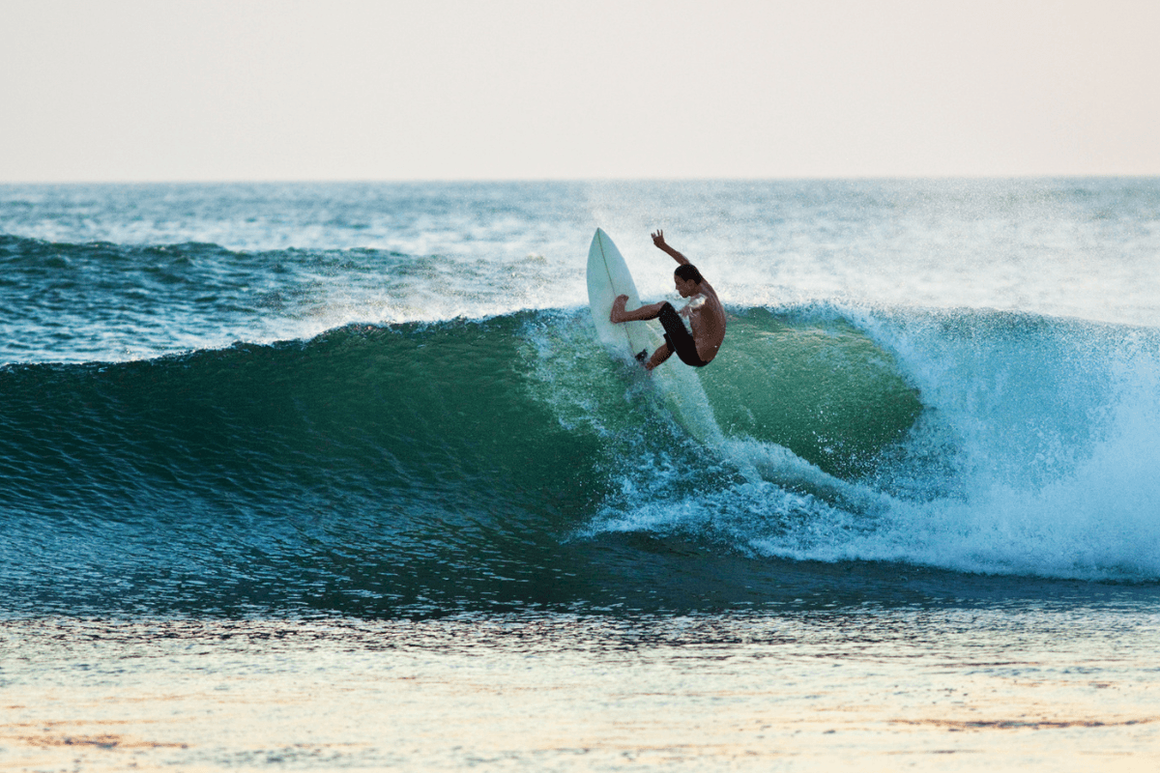
Consistent southwest swells make June in Costa Rica an excellent time to surf the Pacific Ocean. Different beaches offer a variety of waves for surfers of all abilities.
Trails are muddy, so it’s not ideal for hiking in the forest, but early morning walks through the interior offer glimpses of exciting birdlife and breeding and nesting animals.
July in Costa Rica
- Brief dry spell in many regions
- Good hiking opportunities
- Excellent whale watching
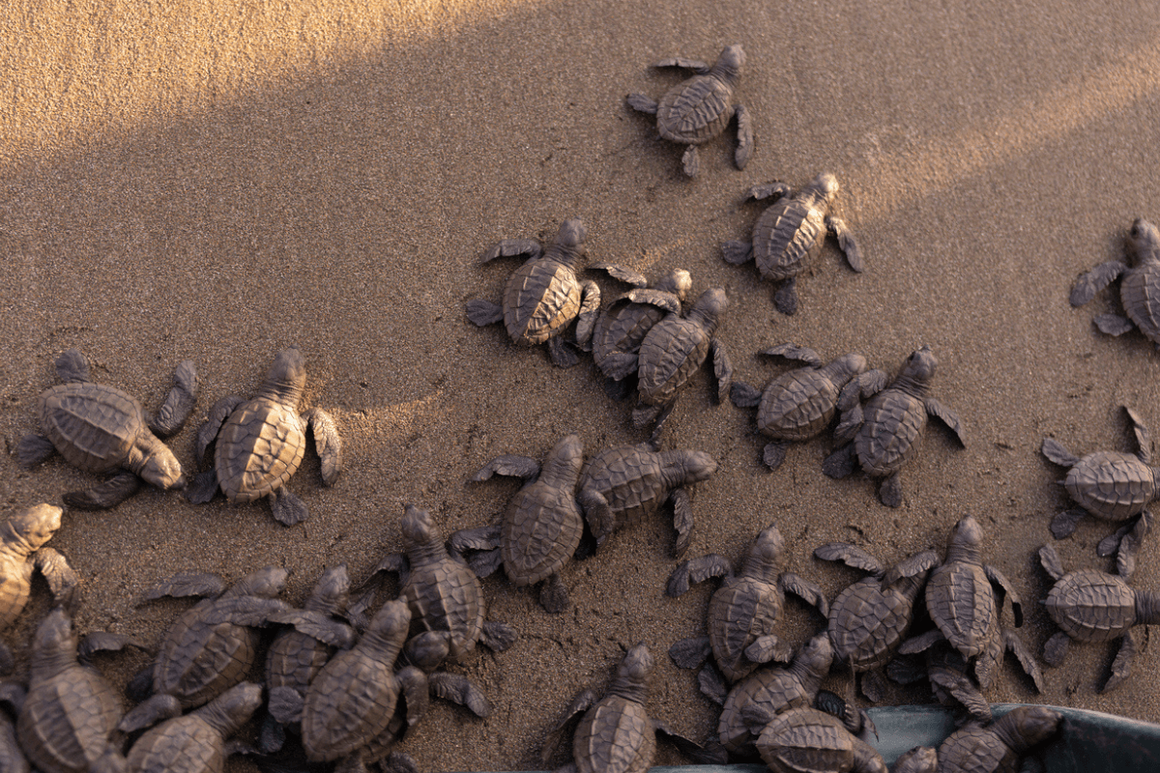
Affectionately named ‘veranillo’ (little summer), July enjoys a brief drier spell with longer sunny periods and fewer afternoon showers. Spot nesting sea turtles, migrating whales, and dolphins during this time, and the birding remains incredible.
Visit the Pacific coast for less rain and fantastic whale watching. Rafting continues to be exciting during this time with water levels high but not overwhelming and it’s a good time to trek too. The brief respite from heavy rain makes trails more accessible and the risk of showers much lower.
August in Costa Rica
- Rain increases throughout the month
- Excellent rafting
- Great for photography
The rains return slowly in August, making it a great time for water sports. Rafting is fun during August, and abundant foliage makes it a wonderful month for photographers.
The surfing season continues! And while it’s wet again on the hiking trails, you can take to the water for exploring by kayak instead. This is also one of the absolute best months for whale watching on the Pacific coast.
September in Costa Rica
- Wettest month
- Fantastic kayaking in the Caribbean
- Spot migratory birds
- Challenging hiking
September is the wettest month across much of the Pacific, but the Caribbean coast of Costa Rica enjoys some of the sunniest weather! The interior of the country is also wet, so head to the east coast to avoid the worst of the rain.
Pacific hiking is challenging during September, but if wildlife spotting is on your agenda, this is a good month to take advantage of fewer people. The volume of migratory birds is astounding and fills the air with birdsong.
October in Costa Rica
- Continued heavy rain
- Caribbean remains drier
- Large Pacific swells for surfers
The heavy rain continues along the Pacific side of Costa Rica, while the Caribbean side is comparatively drier. For surfers, this is still a great time for catching waves.
National parks remain quiet, with flights, accommodation, and excursions appealing to budget travellers who don’t mind packing plenty of waterproofs! Temperatures are mild, and it’s turtle nesting and hatching time.
It’s best to avoid trekking during October as trails are often unstable and road closures are common.
November in Costa Rica
- Conditions begin improving
- Indecisive weather conditions
- Waterfalls still spectacular
As rainfall decreases, trekking improves, and the trails become passable again. Rafting is exciting with high water levels, and volcano hikes offer improved visibility.
November is another good month to visit Costa Rica for those on a budget, before the dry season brings increasing visitor numbers. Rivers are still full, forests are lush, and mammal encounters increase with the drier conditions.
December in Costa Rica
- Dry weather and warm temperatures
- Sloth and spider monkey spotting
- Excellent hiking and birdwatching
December is a great month for jungle trekking, volcano hikes, and kayaking with mild days and stable conditions.
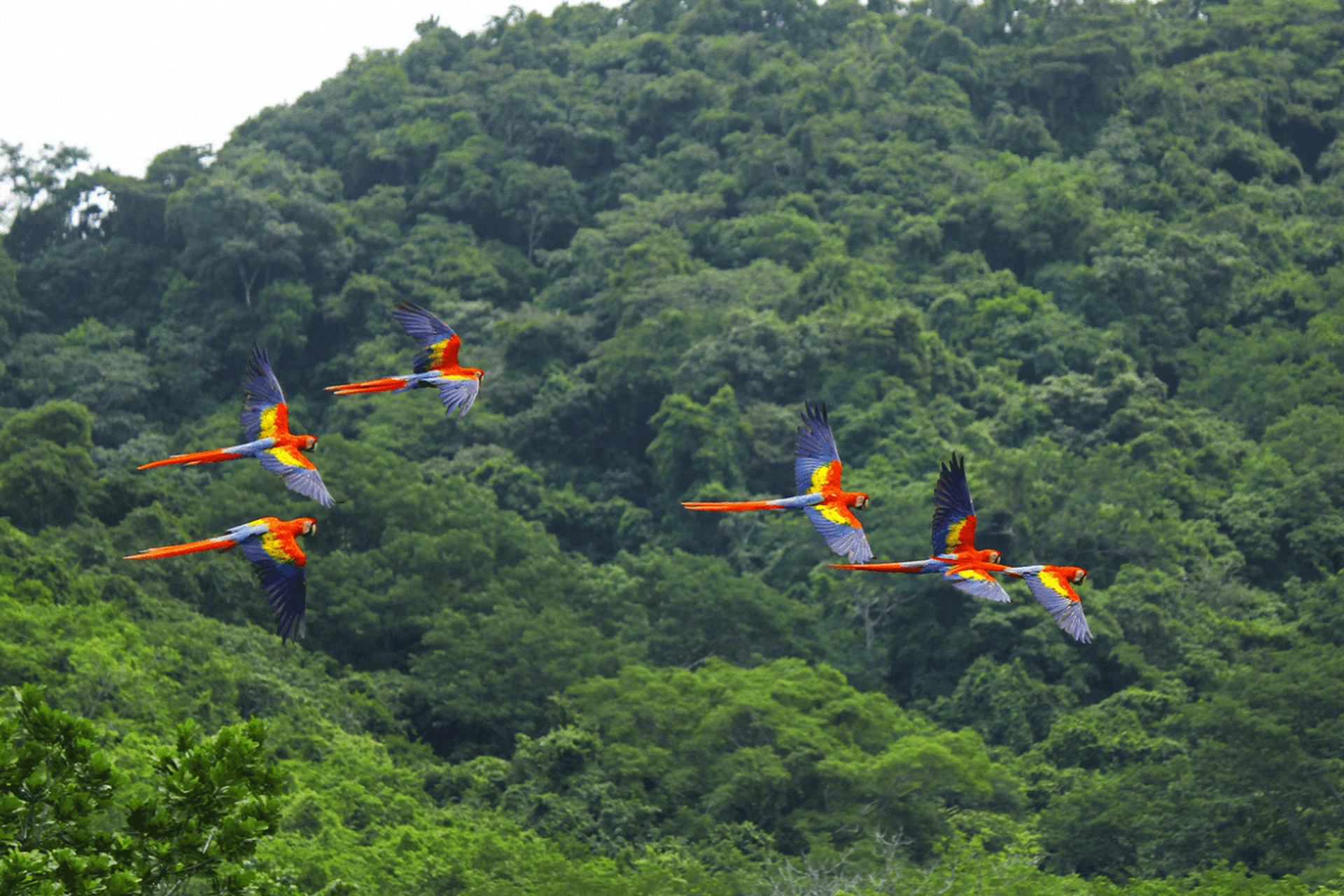
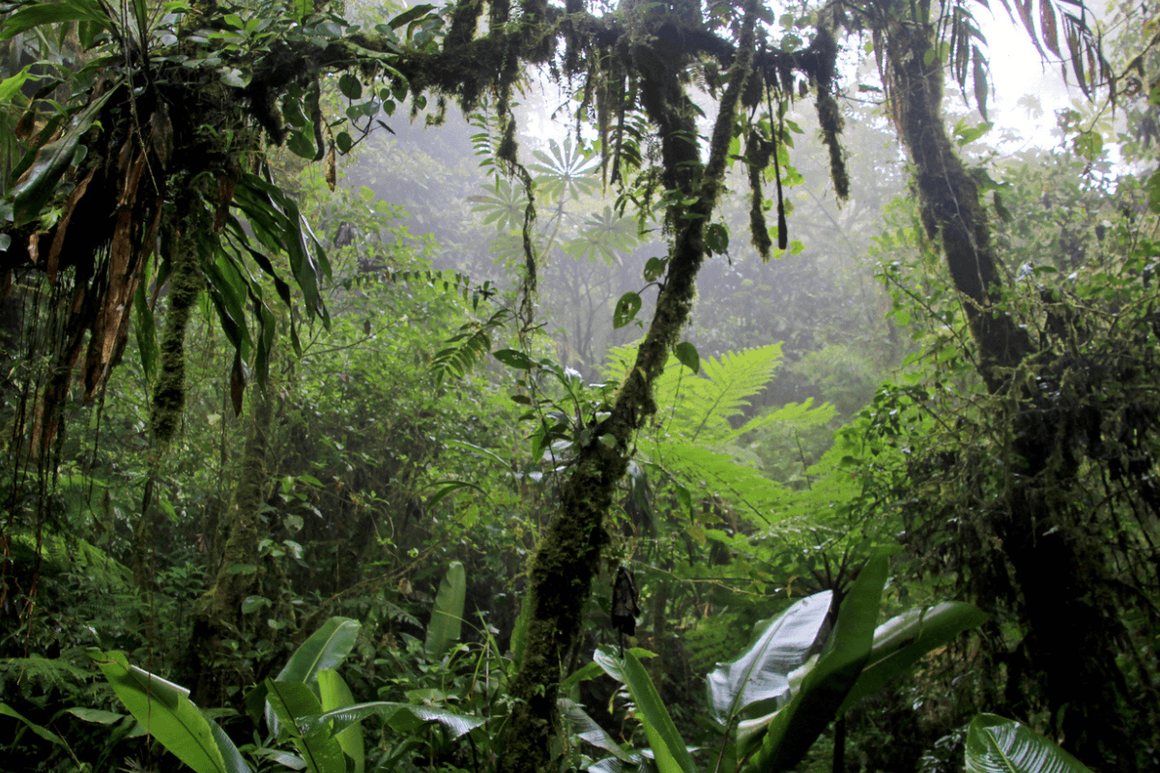
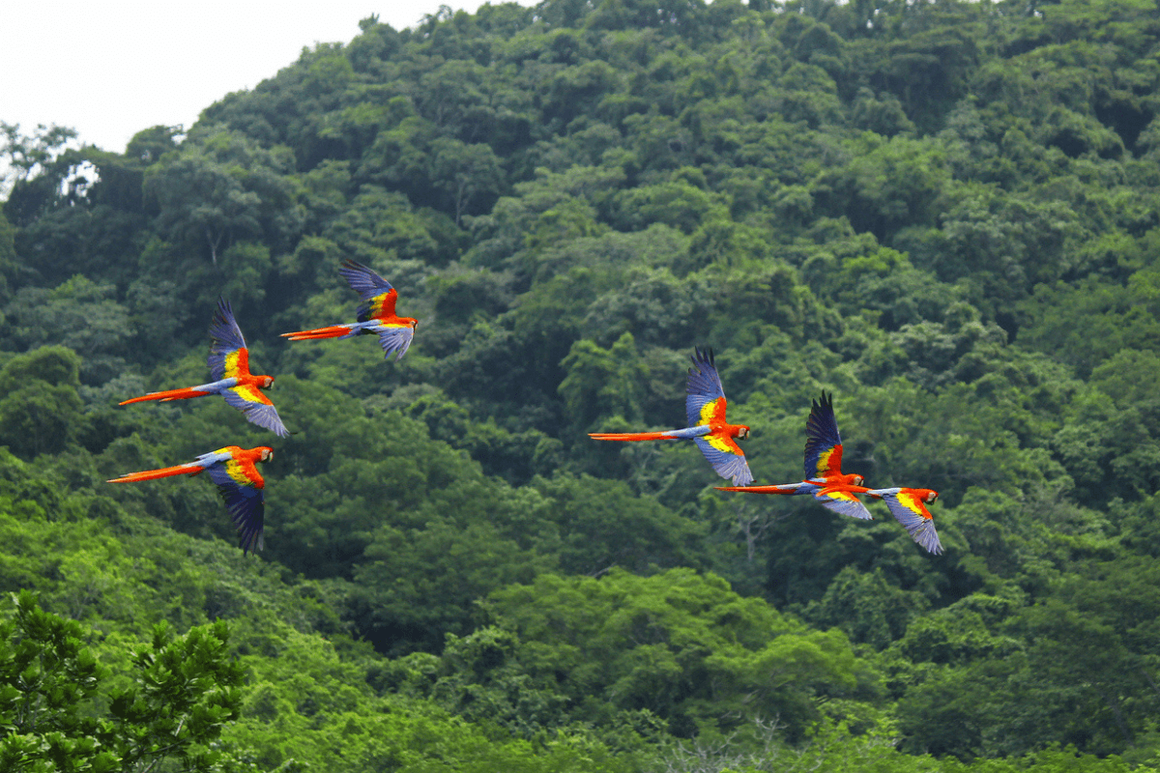
Expect incredible birdlife in the still-lush tropical rainforests with large flocks of scarlet macaws in Carara National Park, and elusive quetzals in Monteverde Cloud Forest Reserve. Spider, howler, and capuchin monkeys and sloths are easy to spot, and you may even find endangered tapir wallowing in the mud.
This month is also a particularly good time for vibrant Costa Rican nightlife as visitors arrive to spend the holidays in the tropics, especially in and around the capital of San José.
What is the best time for hiking in Costa Rica?
November to February is best for trekking in Costa Rica. Dry trails, less rain, and bearable heat/humidity make hiking ideal during this time.
However, you can trek all year round in Costa Rica if you don’t mind the rain. But for the best chances to spot wildlife and to get excellent visibility, these early dry season months are the best choice.
Volcano hikes are also best in the dry season. You'll get clearer summit views, less slippery trails, and easier access. Plus, rainforest walks are easier when it's dry. With less mud, longer hikes are more doable.
Side note: Avoid trekking during the wet season to skip high humidity and more mosquitoes!
What is the best time for wildlife spotting in Costa Rica?
May to August is generally considered the best time for wildlife spotting in Costa Rica. The wet/green season is just beginning, landscapes are lush, animals are active, and conditions are less variable.
Here are the best times to visit Costa Rica, depending on what wildlife you want to see:
- January. Peak dry-season wildlife viewing, so mammals are easier to spot.
- February. Quetzal breeding begins.
- March. Peak quetzal sightings.
- April. Transition into the green season, so the rainforest is more active.
- May. Amphibians and insects flourish.
- June. Green turtle nesting begins.
- July. Southern humpback whales arrive.
- August. Peak whale watching and turtle nesting.
- September. Peak green turtle nesting.
- October. Caribbean coast at its wildlife best.
- November. Migratory birds return.
- December. Northern humpback whales arrive.
Curious about wildlife? Take a look at some of our safari experiences to see animals in their natural habitats!
Recommended reading: Discover the best national parks in Bhutan for trekking and wildlife.
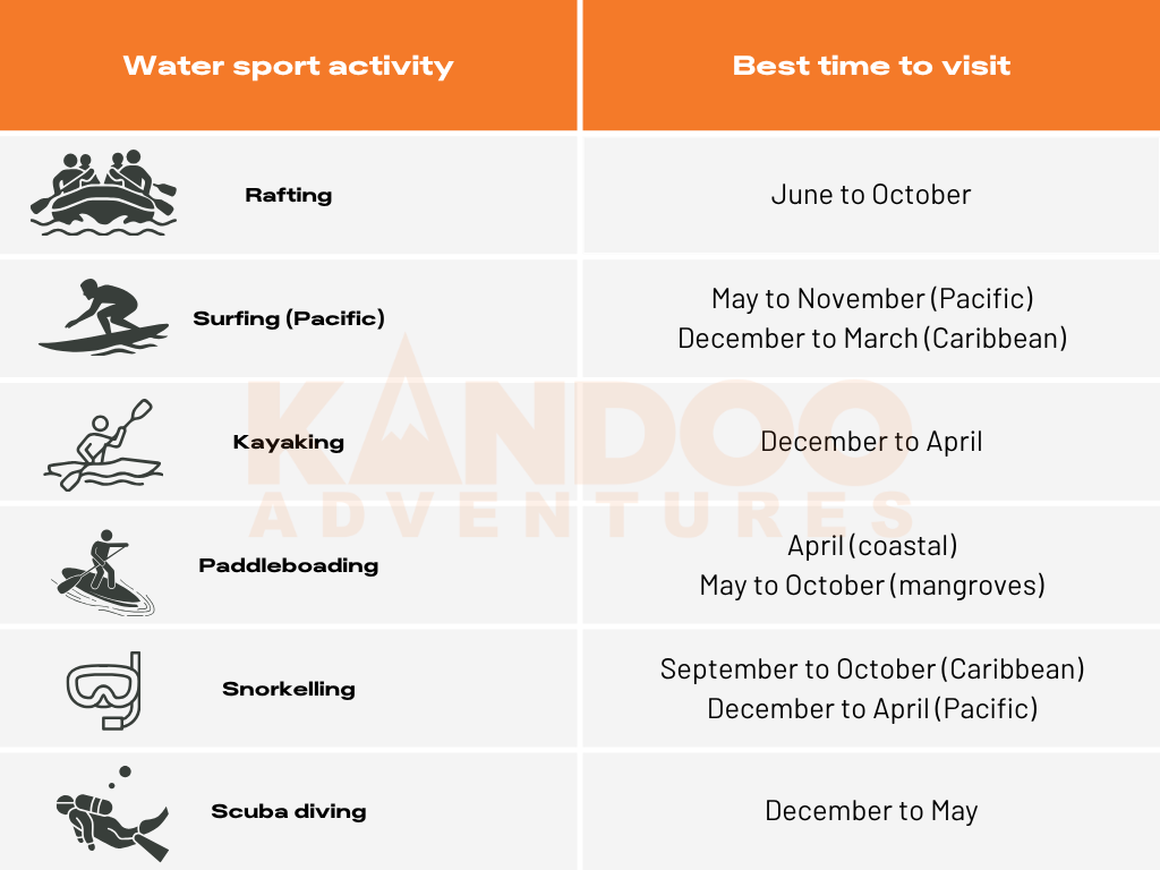
When is the best time to visit Costa Rica for water sports?
Unlike hiking, the wet season is actually a better time for water-based adventures. But seasonal variations mean there’s always something to enjoy on the water in Costa Rica, whatever time of year you visit!
Here are the best months to visit Costa Rica for different water sports:
Plan your next adventure with Kandoo
The best time to visit Costa Rica depends on what you're after. Visit during the dry season for reliable hiking and volcano views, or the wet season for lush rainforests and unforgettable wildlife. With three climate zones and two coastlines in play, there's always somewhere worth exploring.
Whatever destination you have in mind, travelling with expert guides makes all the difference. From local knowledge and insider timing to a more immersive, hassle-free experience, it helps you get the most out of every adventure.
Explore our destinations to start planning your next trip with Kandoo.