






San José, Costa Rica's capital, may not get the same spotlight as Arenal or Manuel Antonio, but it definitely deserves a visit. It’s where the country's vibrant history, culture, and food scene converge. It's also the easiest place to reach in Costa Rica.
Here's exactly what to see, how to get around, and why San José is well worth building into your trip to Costa Rica.
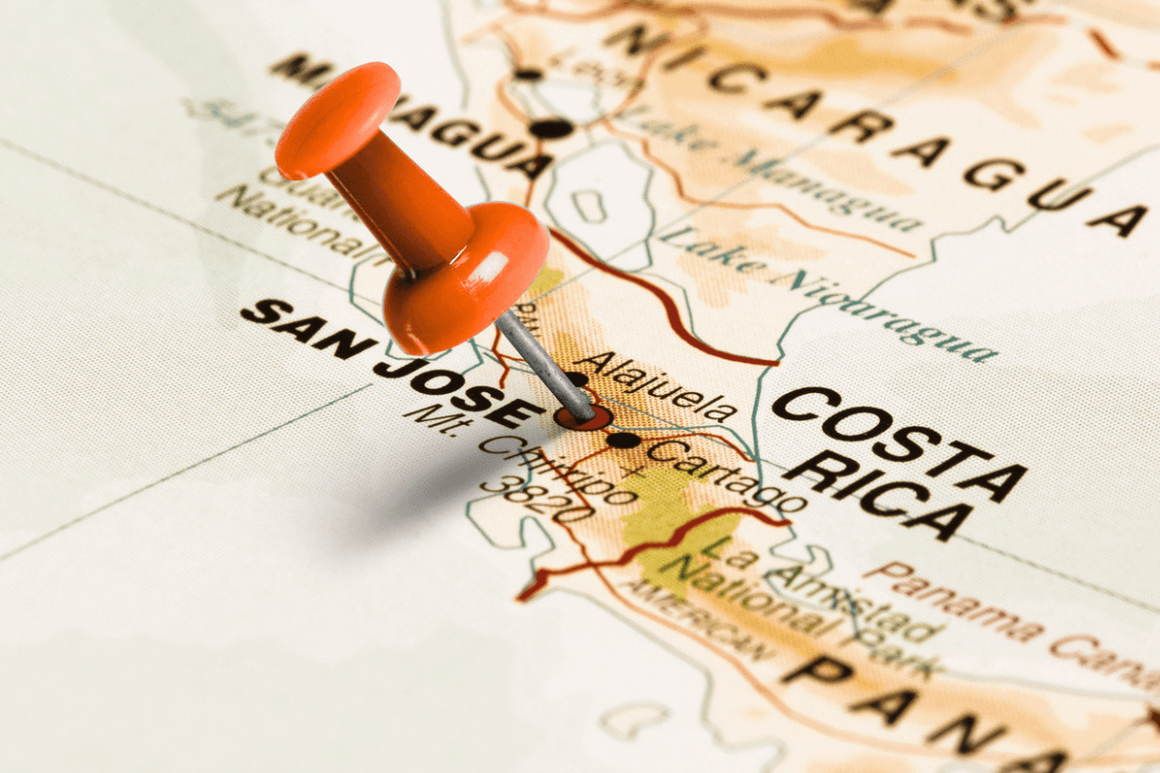
Where Is San José Costa Rica?
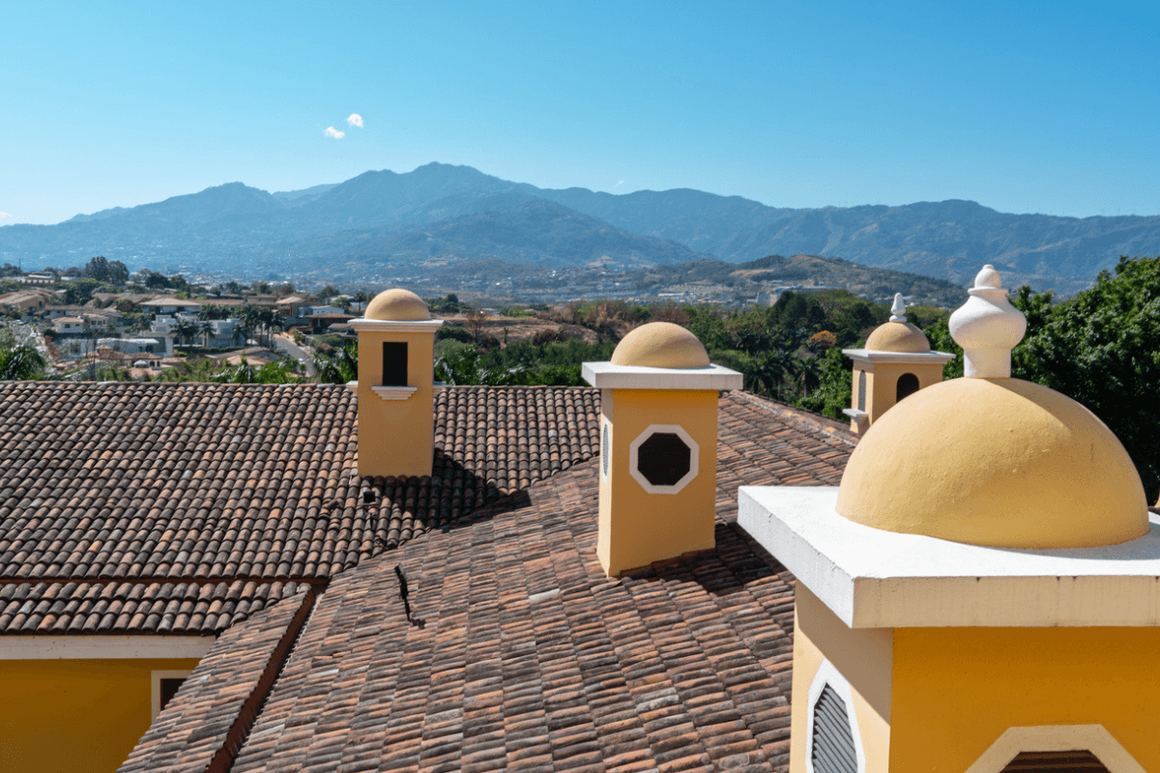
San José sits in Costa Rica's Central Valley, roughly 1,150 metres above sea level. This elevation gives it a noticeably cooler, spring-like climate than the coast. It's Costa Rica’s capital and largest city, and it's central enough to reach most of Costa Rica's major regions within a few hours by road.
This quick facts table gives you all the essential intel on San José:
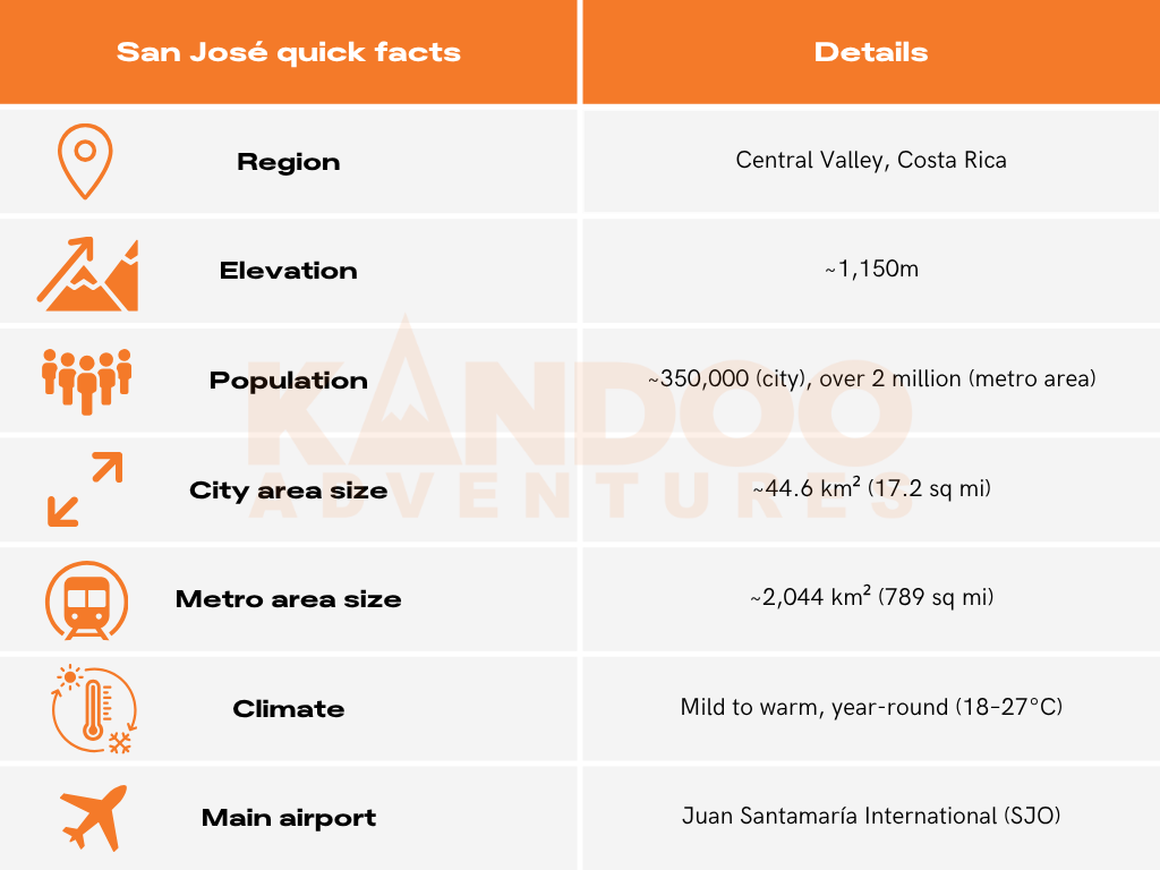
To put those numbers into context for UK and US travellers, San José itself is surprisingly compact - roughly the size of Cambridge, UK, or a little smaller than Manhattan - but the surrounding metropolitan area is more like the size of Greater London or Houston.
Good to know: San José’s elevation makes it fresher than Costa Rica's beach towns, so pack a light layer for evenings.
Is San José Costa Rica Safe?
Yes, San José is safe for tourists who stick to well-populated areas, use trusted transport, and apply the same common sense that they would in any large city.
Petty theft, such as pickpocketing, is the main risk, and violent crime rarely involves visitors, according to safety analysis from Global Guardian.
The safest San José neighbourhoods to base yourself in:
- Barrio Escalante. San José's food-focused district is roughly 1-2km from downtown San José, making it easily walkable or a short taxi ride.
- Escazú, Santa Ana, and Curridabat. These upmarket, expat-friendly suburbs are on different sides of the city, roughly 10-20 minutes by taxi from downtown. They are better suited to longer stays than a quick one or two nights.
A few simple precautions go a long way:
- Avoid walking alone after dark, especially around the Coca-Cola bus terminal area.
- Choose hotels over short-term rentals where possible; hotels typically have 24-hour staff and security.
- Keep valuables out of sight on public transport and in busy markets.
- Dress modestly - leave the flashy designer labels at home.
Getting to and from San José: Is it Costa Rica's best transport hub?
San José is Costa Rica's main transport hub, and almost every domestic and international route runs through it. Juan Santamaría International Airport (SJO), around 20km from the city centre in Alajuela, is the country's primary gateway. This airport connects to dozens of international destinations plus every major domestic hotspot.
From San José Airport, you can reach the city centre by:
- Airport bus (operator - TUASA). This takes roughly 30-40 minutes to San José's main bus terminal (Terminal TUASA San José), running from 3am to 10pm daily, with fares around ₡760 (about $1.50 USD / £1.10).
- Official orange taxi. These are metered and available 24 hours a day. They typically cost ₡11,400-13,600 ($25-30 USD/£19-22) to downtown.
- Private shuttle or rideshare. Widely available and easy to pre-book, these are typically ₡20,500-22,700 ($45-50 USD/roughly £34-37) as a flat rate for up to four passengers travelling to downtown.
Go to: For current operators, contact details, and booking links for any of these options, see the official SJO airport transportation page.
San José doesn't have one central bus station. The TUASA airport bus drops you at Terminal Tuasa San José, but if you're travelling onward elsewhere in Costa Rica, that onward bus could leave from a different terminal entirely. There are various terminals scattered across separate parts of downtown, so budget time (and a taxi fare, if needed) to get between them.
Here are some of the primary terminals and routes from central San Jose:
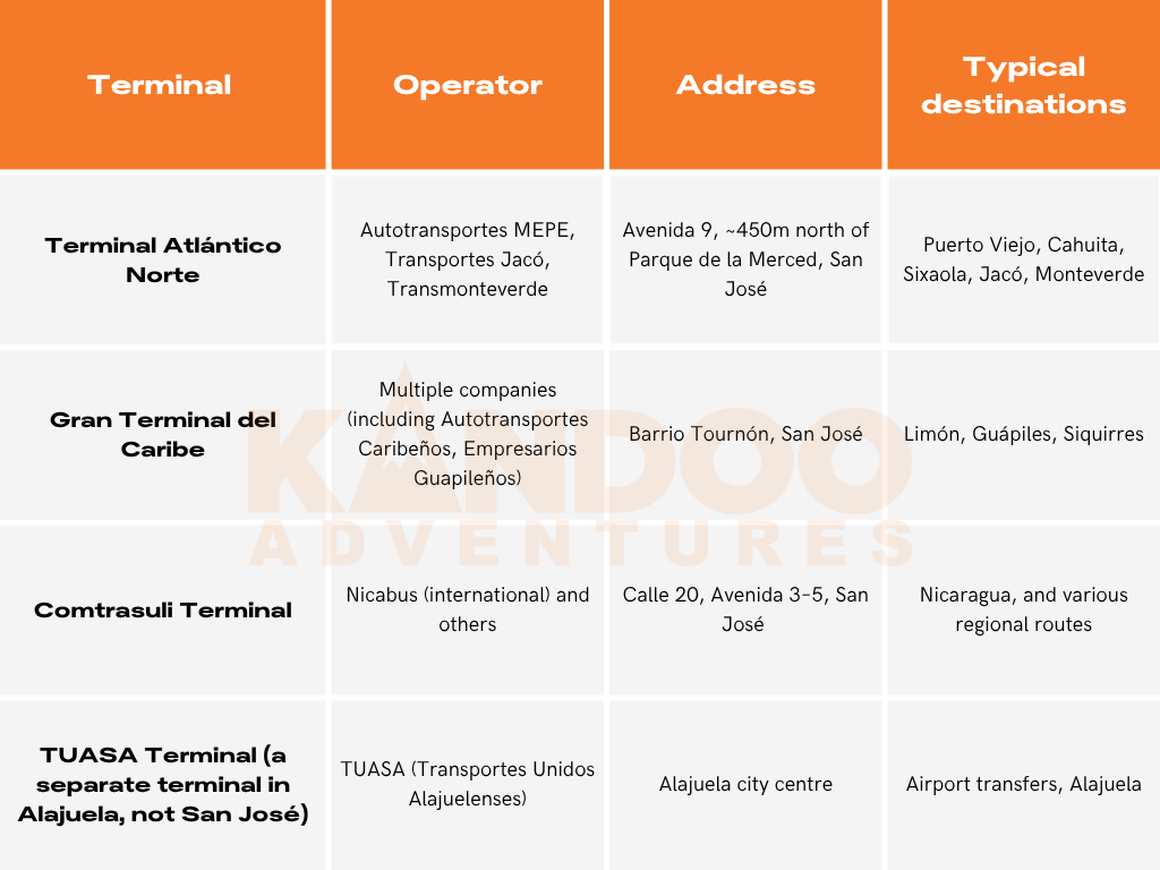
Good to know: Terminal 7–10 was permanently closed in April 2025, and its routes were redistributed. Some older travel guides may therefore be outdated, so check the operator or buscobus.co.cr for the latest departure points, timetables and route information before travelling.
The top 5 San José Costa Rica sights
If you've only got a day or two, the top things to see and do in San José, Costa Rica, include museums, parks, and shopping. These five sights cover the best of the city's history, art, and culture without needing a car. Plus, most of them are free or low-cost to visit.
- The Gold Museum. This museum has one of the largest collections of pre-Columbian gold in the Americas and is housed beneath the Plaza de la Cultura.
- National Theatre. A striking 19th-century building and one of San José's most photographed landmarks, even if you don't catch a show.
- Barrio Amón. A historic neighbourhood of Art Deco apartments and colonial mansions turned cafes, galleries, and boutiques; best explored on foot, with the Escuela Metálica, a 19th-century metal schoolhouse shipped over piece by piece from France, as its centrepiece.
- Mercado Central. San José's iconic covered market is packed with local food stalls, coffee vendors, and traditional crafts. It’s a vibrant slice of daily life rather than a tourist-only stop.
- La Sabana Metropolitan Park. This is San José's largest green space, featuring a lake and walking trails. The hill in the park near the Museum of Costa Rican Art boasts one of the best city panoramas around.
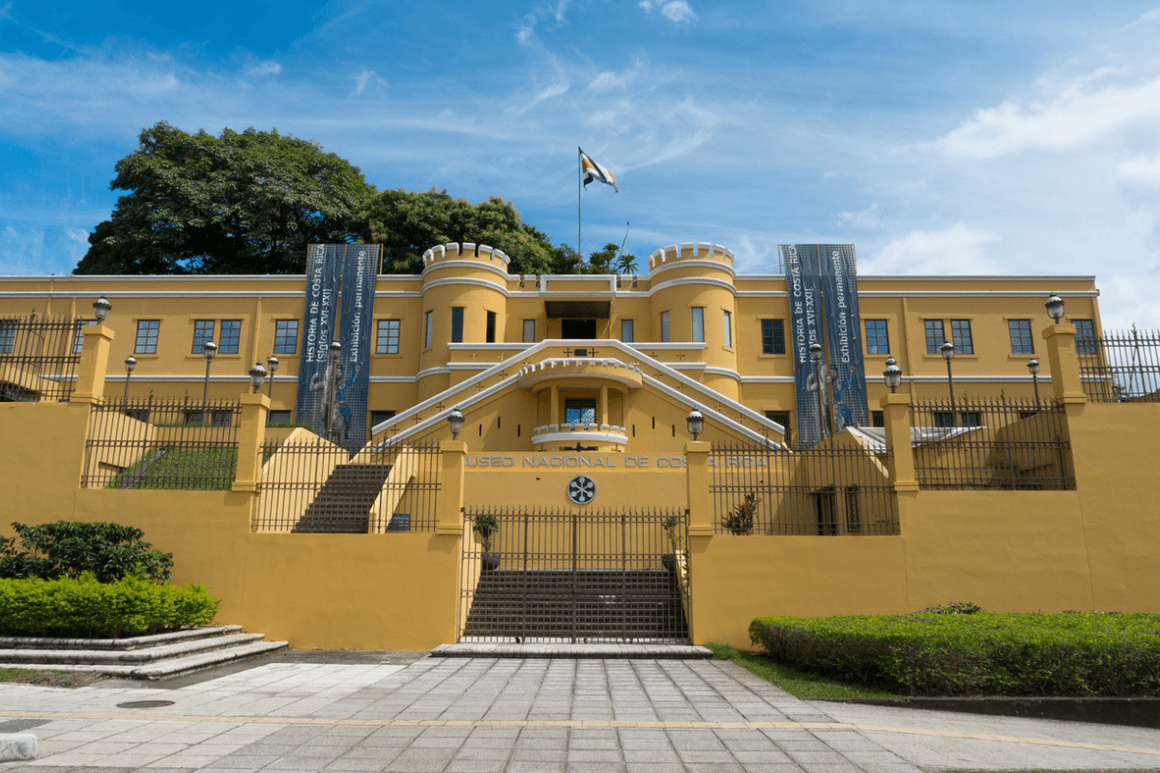
Good to know: Barrio Amón, Mercado Central, and La Sabana Park are free to visit. The Gold Museum is the only paid stop, at ₡8,800 ($19 USD / £14) for foreign visitors. If you have time to add a sixth sight, the National Museum currently offers free entry to everyone on Saturdays and Sundays.
Top tip: Pair San José, Costa Rica, attractions with time in the country’s cloud forests or coastline; see our multi-region Costa Rica itineraries.
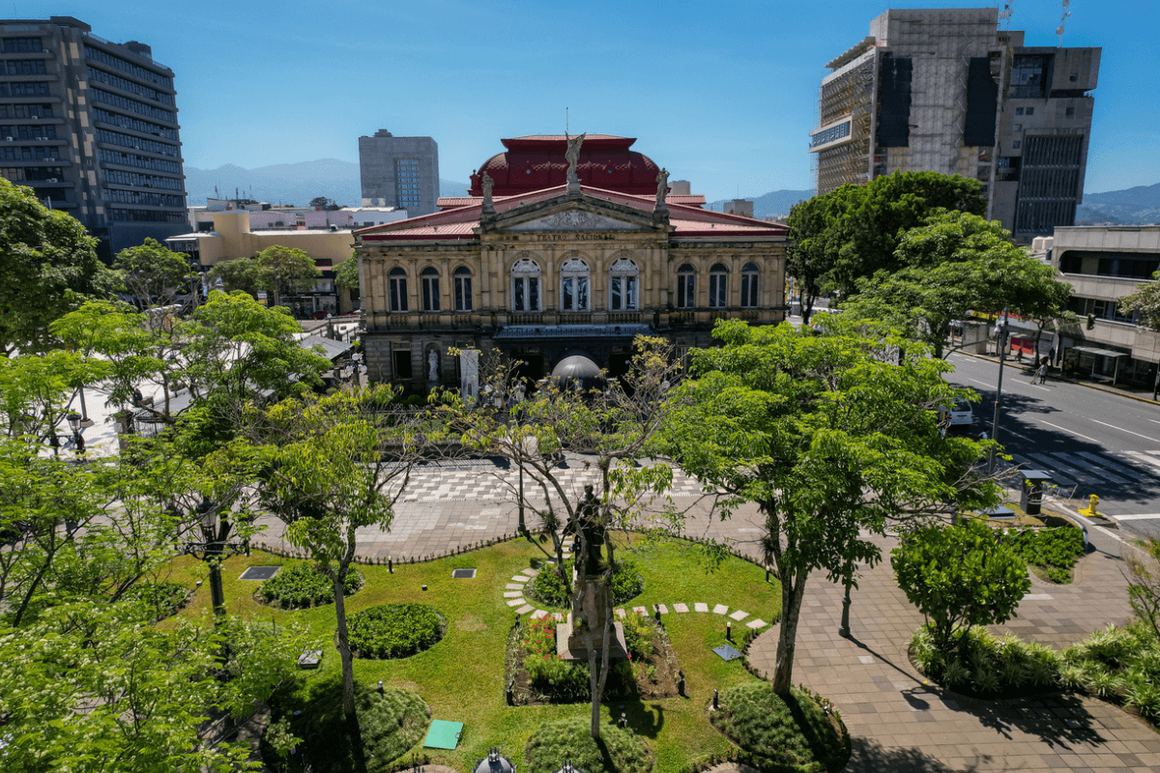
A quick downlow on the history and culture of San José
Coffee wealth, colonial architecture and a deep respect for indigenous heritage have all played a defining role in shaping modern-day San José.
Coffee built the city
San José became Costa Rica's capital in 1823, and the 19th-century coffee boom transformed it into the country's political and economic centre. Even the elegant National Theatre was partly funded by taxes from coffee exports.
Old meets new
Today, San José’s colonial-era landmarks sit alongside contemporary cafés, galleries and restaurants, particularly in neighbourhoods like Barrio Escalante.
Pride in heritage
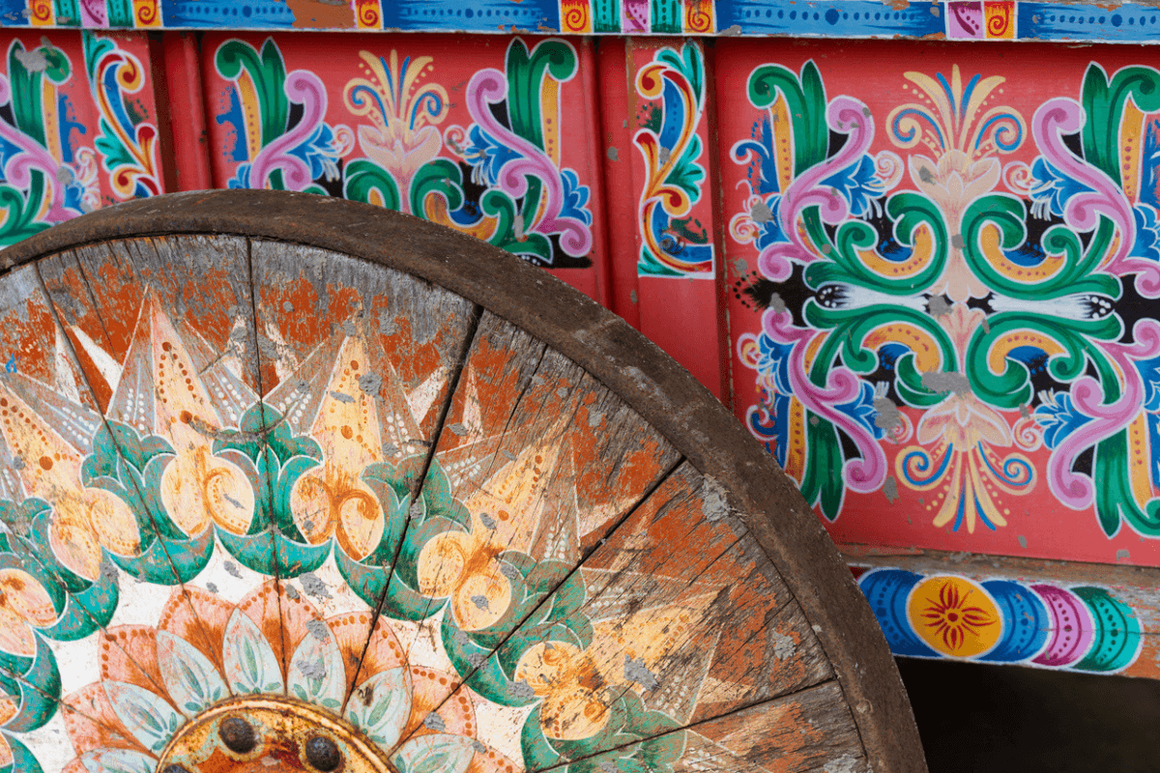
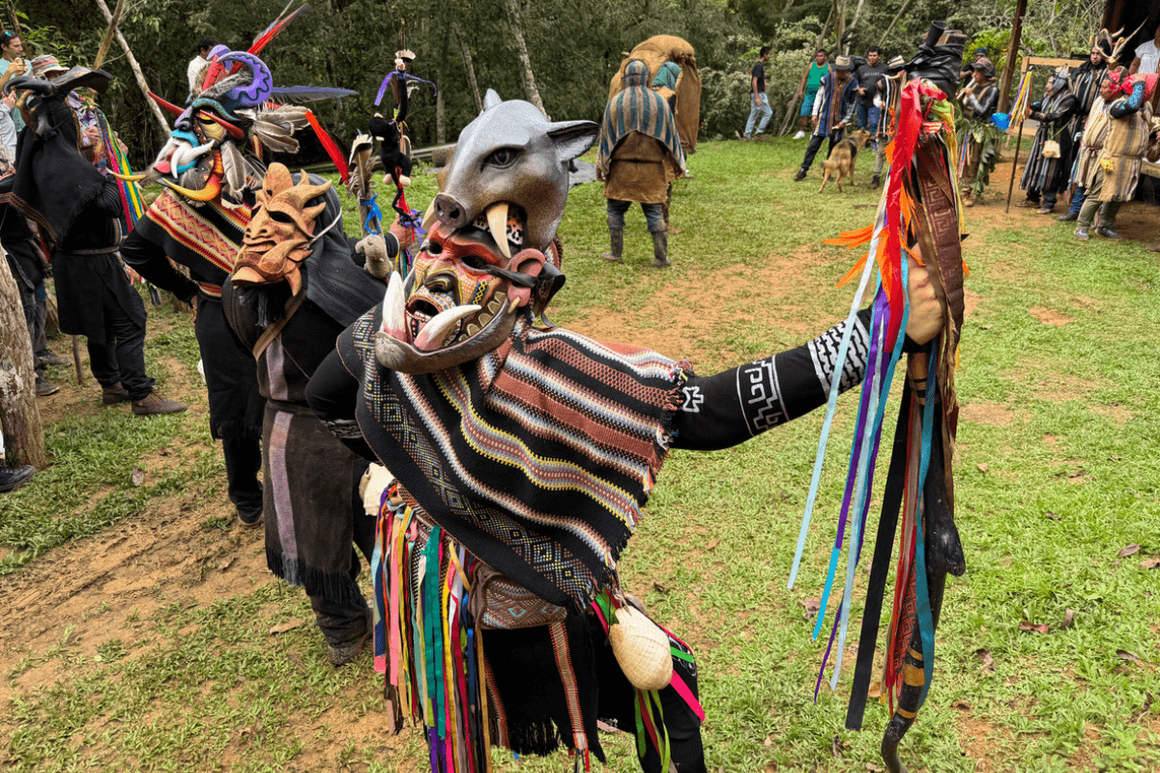
The numerous museums in San José celebrate Costa Rica's rich pre-Columbian and indigenous cultures. San José is one of the country's best places to explore Costa Rica’s history.
Easy things to do in San José Costa Rica for a short stay
If you’re looking for what to do in San José, Costa Rica, but are short on time, you’re in luck. It’s easy to explore on foot or with a short taxi ride. Here are our suggestions for a quick stop in the city:
- Half a day in San José: Walk the Plaza de la Cultura, visit the Gold Museum, and browse Mercado Central for local snacks and crafts.
- A full day in San José: Start with the half-day itinerary and then add on the National Theatre, a wander through Barrio Escalante's cafés and restaurants, and an afternoon in La Sabana Park.
- Guided option: A San José city walking tour is a straightforward way to take in the historic centre, including local context, without needing to plan a route yourself.
Fun fact: Many of San José's sights are clustered within a 15-minute walk of each other in the historic centre. This makes it easy to see several in one afternoon without needing transport between them.
Where to stay in San José: Accommodation options
San José's best base for accommodation depends on your priority. Stay downtown or in Barrio Escalante for walkable sights, or head to Escazú, Santa Ana, or Curridabat if comfort and longer stays matter more than proximity. Here’s a quick breakdown of each area with solid accommodation options.
Barrio Escalante
Best for: Boutique stays, food, and walkable to the main sights
Price range: ₡20,500-63,700 ($45-140 USD/£34-105)*
A small, social hostel with consistently strong reviews for its welcoming staff, clean rooms, and safe location; a good pick for solo travellers who want to meet people.
A converted historic house with a hostel-meets-guesthouse feel, praised by reviewers for accommodating staff and a safe, central setting.
Downtown/Central San José
Best for: Budget stays, walkable sights
Price range: ₡6,800-15,900 ($15-35 USD/£11-26)*
The country's original hostel, known for its pool, gardens, and sociable atmosphere. This place is a long-standing meeting point for international travellers.
A restored 1930s landmark right on the Plaza de la Cultura, consistently praised for cleanliness, safety, and attentive staff.
*Price ranges reflect rates at the time of publishing, and will vary by season and demand.
Why add San José to your wider Costa Rica adventure?
Stopping in San José gives your Costa Rica adventure cultural context. It’s a chance to acclimatise, and it fits naturally into almost any itinerary. Let’s explore why it’s worth adding San José to your travel plans in more detail:
Most journeys pass through San José
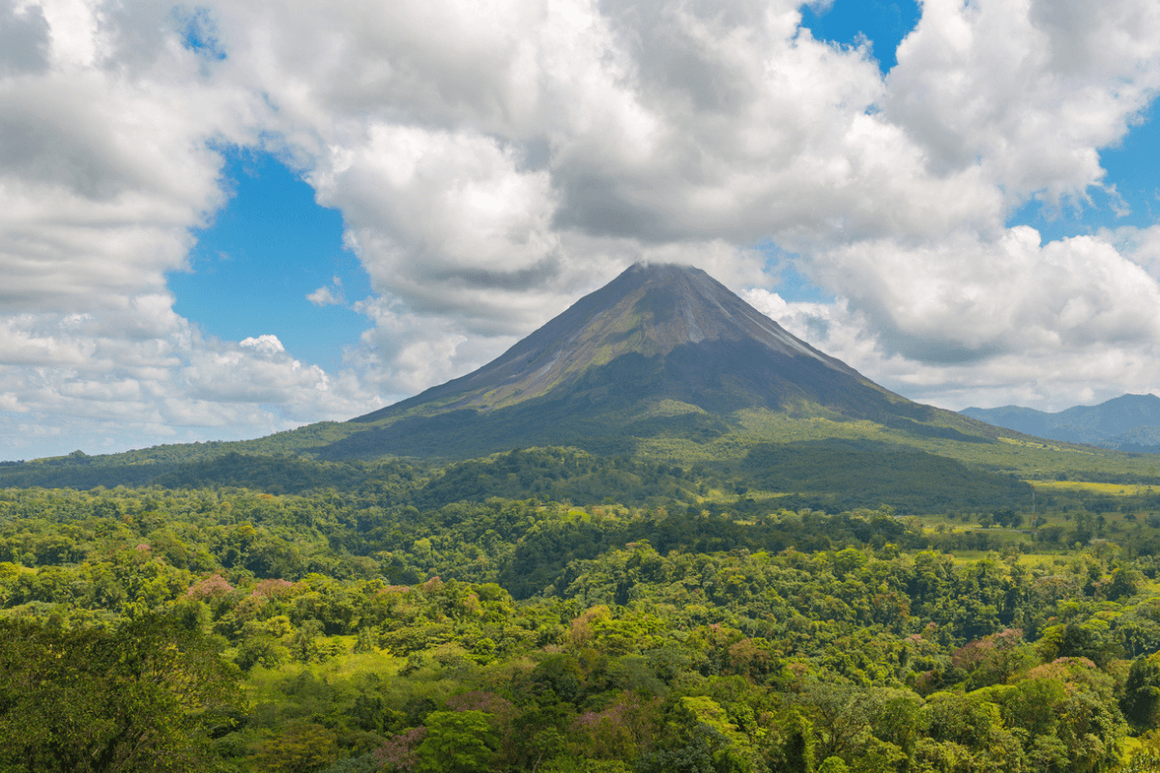
Almost every route to Costa Rica's rainforests, volcanoes and coastlines passes through the capital. With the country's main international airport and major bus terminals, San José is a natural stop on most itineraries.
Rather than rushing straight through, spending a night or two here adds a different perspective on Costa Rica with very little extra travel time.
Stay for as little or as long as you like
A single night in San José is enough to recover from a long-haul flight before an early transfer, which can help you arrive at your next destination refreshed.
But, stay a little longer, and you'll have time to visit a few of the city's top sights, explore Barrio Escalante's food scene and experience a side of Costa Rica that its rainforests and beaches can't offer.
With accommodation ranging from budget hostels to upscale hotels, San José works equally well as a practical stopover or a destination in its own right.
Understanding Costa Rican culture
Visiting San José before your onward travel adds context that makes the rest of your Costa Rica adventure richer. A stop in the capital can help you understand the country's history, communities and traditions.
The city's museums reveal how pre-Columbian cultures and the coffee trade shaped modern Costa Rica. This provides valuable insight into the landscapes and communities you'll encounter beyond the capital.
This type of understanding encourages a more thoughtful way to travel, helping you connect more deeply with Costa Rica's heritage rather than simply enjoying its highlights.
Start planning your Costa Rica adventure with Kandoo Adventures
Adding San José to your Costa Rica itinerary adds another dimension to your trip. It offers a deeper understanding of the country's history, culture and cuisine before you head to its rainforests, volcanoes and coastlines. Best of all, it's easy to fit in, whether you have one night or a couple of days.
Ready to explore? Browse Kandoo Adventures' Costa Rica adventures to see how a San José stopover fits naturally into your itinerary. With 16 years of experience, local teams and a commitment to responsible travel, Kandoo helps you discover Costa Rica with confidence.